 EN
Steel Warehouse Inc: What to Look for in a Steel Supplier
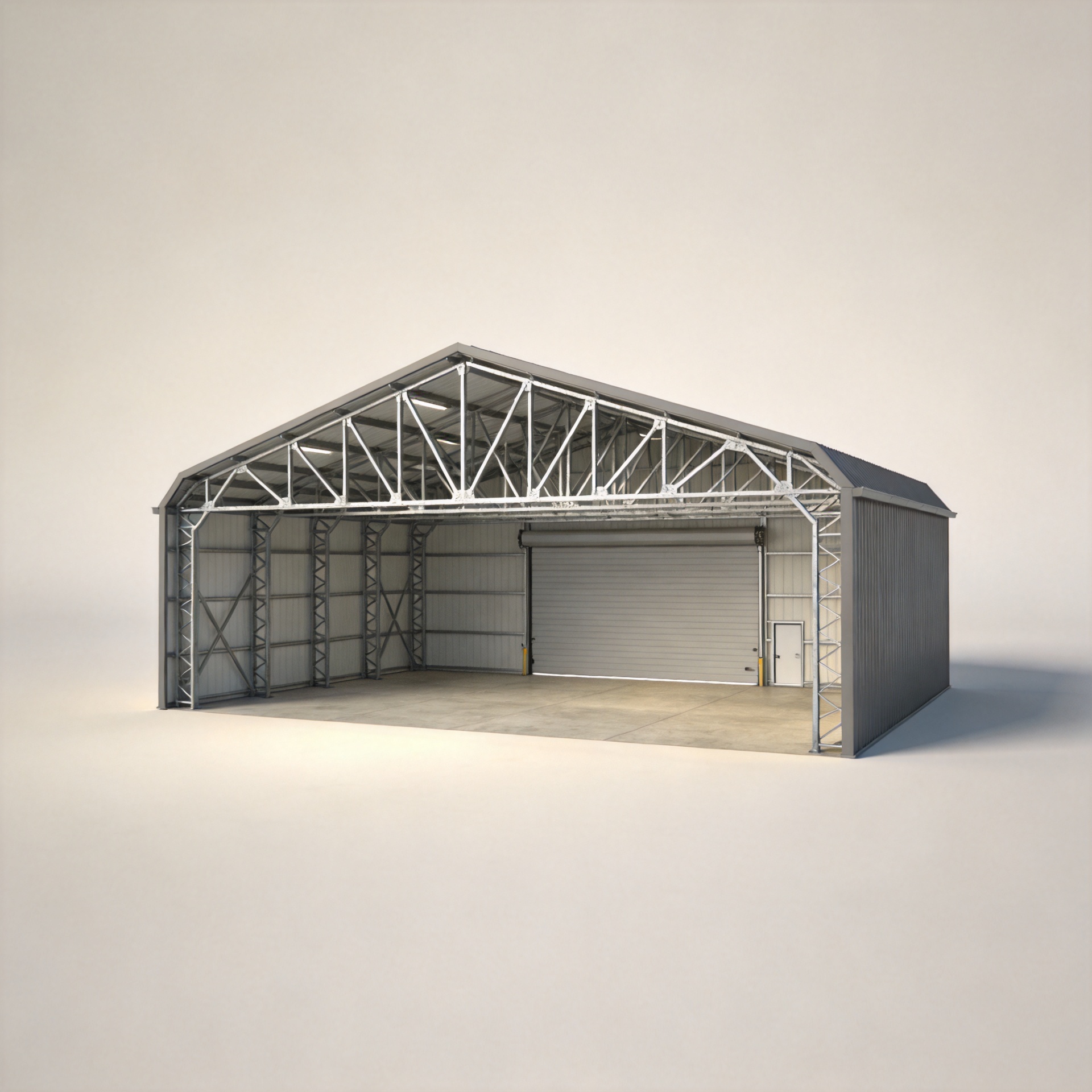
From a procurement perspective, supplier selection is not a catalog exercise. A steel warehouse is a custom engineering purchase shaped by span, clear height, roof loads, cladding, local conditions, and the interface with your foundation contractor. The lowest initial quote may be a starting point, but it is rarely the full decision. Total project risk depends on what the quotation includes, how the frame is engineered and fabricated, and who stays accountable when site questions appear.
Start with a comparable project brief
Before evaluating a steel warehouse inc supplier, prepare one written request for quotation and send the same version to every candidate. Include the intended use, overall length and width, eave height, desired clear span, local wind or snow conditions where known, crane requirements, wall and roof preferences, door and window locations, and destination. If the information is incomplete, ask each supplier to state its assumptions in writing.
This is the first protection against misleading price comparisons. Two quotations can use the same building footprint but differ in design loads, steel sections, paint system, insulation, connections, shipping scope, or engineering documents. A useful quotation breaks the scope into primary structure, secondary members, cladding, accessories, drawings, packaging, shipment terms, and exclusions. It also tells you which decisions still need confirmation.
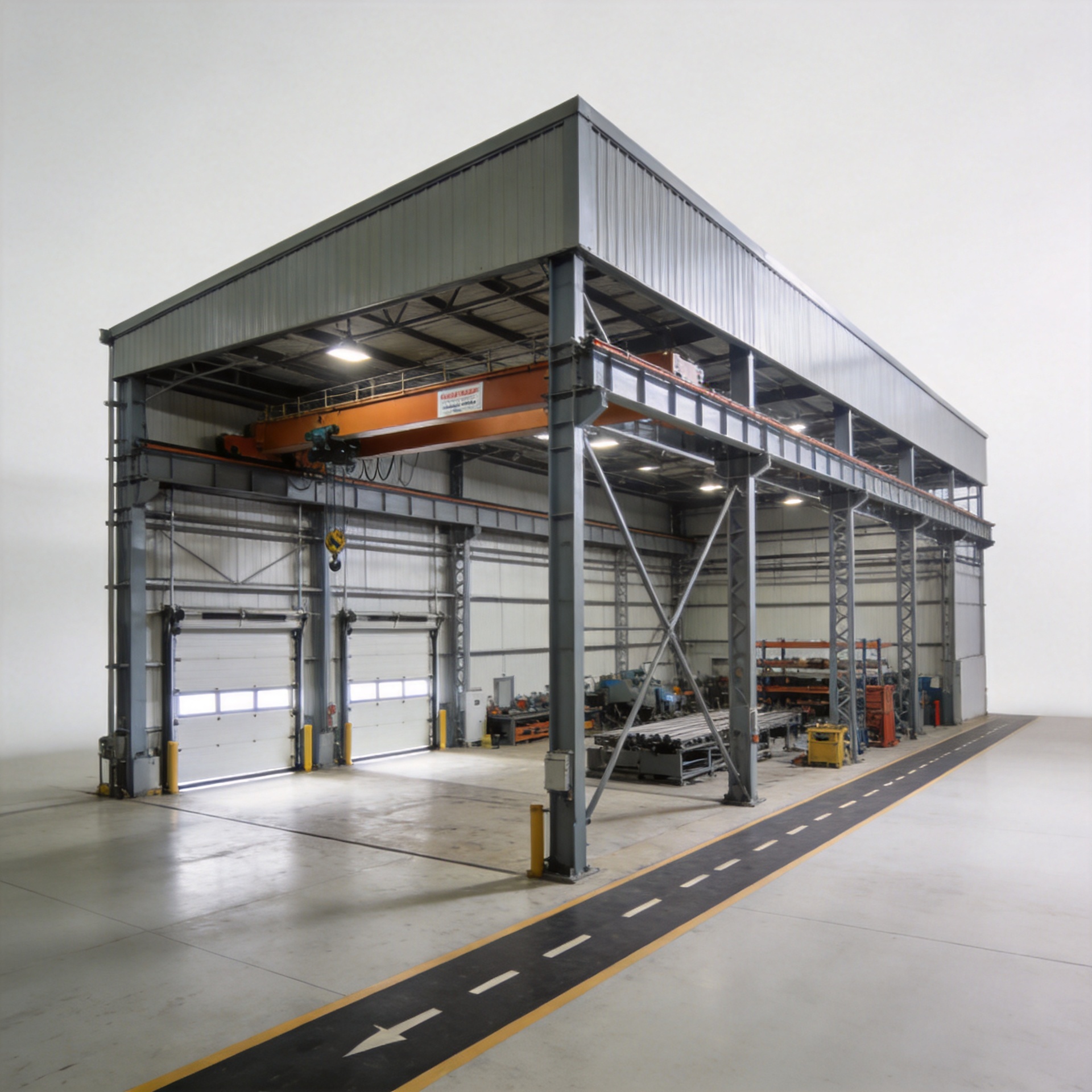
For a warehouse project, the supplier should ask follow-up questions rather than treating a standard model as a finished answer. A clear-span layout may be valuable for racking and vehicle circulation, but a crane, mezzanine, or unusual opening can change the structural brief. Conditional advice is a good sign: the right solution depends on the site and operating plan, not on a prewritten sales script.
Check engineering capability before judging the factory
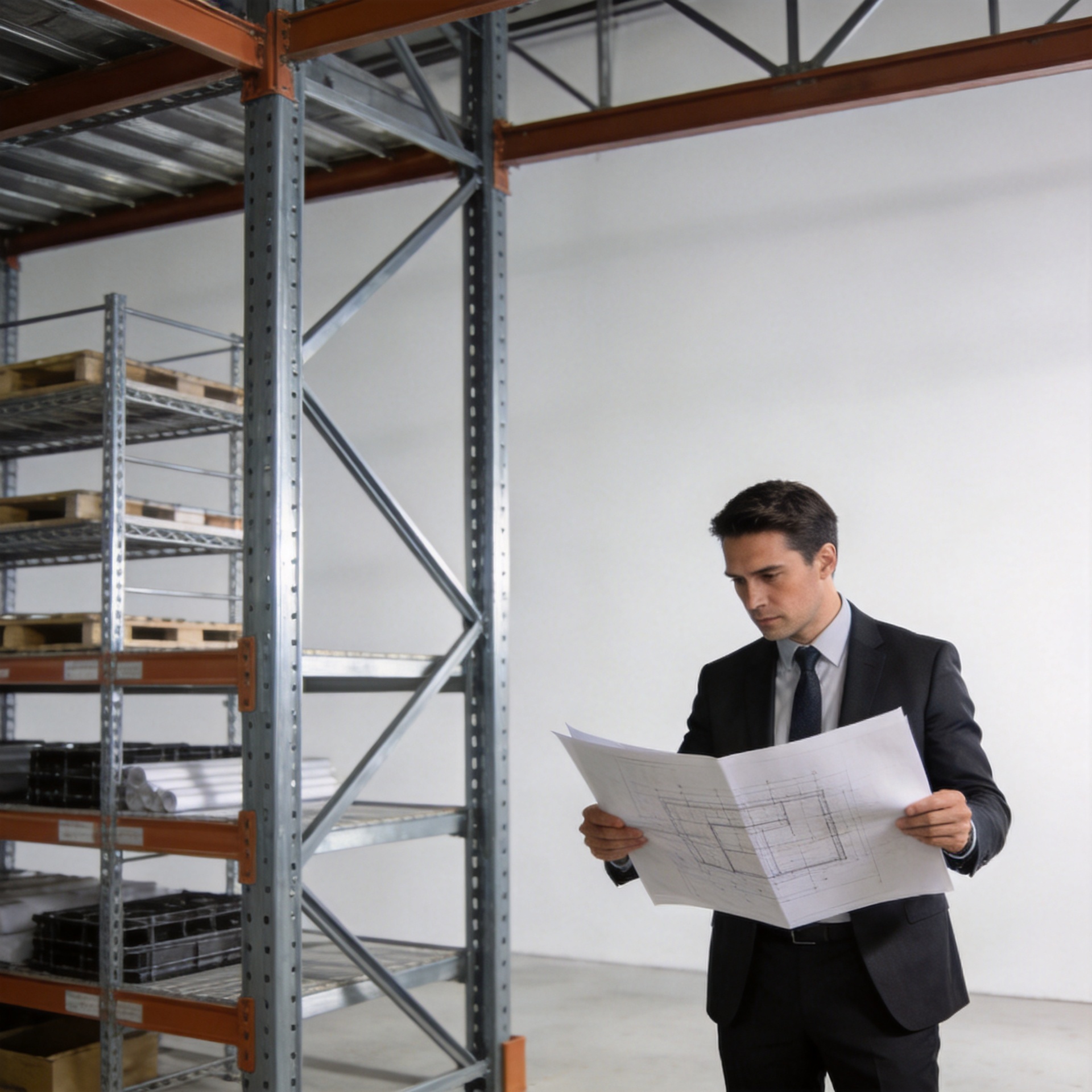
A capable supplier connects commercial discussions to engineering review. Ask who prepares structural calculations, shop drawings, foundation drawings, anchor-bolt plans, and erection information. You do not need to become the engineer of record, but you should know what will be delivered, when it will be issued, and what local professional review may still be required.
Foundation coordination deserves special attention. The local civil contractor needs accurate interface information before concrete work is finalized. Ask for the supplier’s process for issuing and revising anchor-bolt layouts, column reactions when applicable, and drawing approvals. A supplier that can explain the document handoff and revision control is easier to coordinate with than one that simply promises “full service.”
When comparing warehouse contractors, distinguish the company supplying the engineered steel package from the party responsible for local civil work and erection. A factory-direct supplier may provide drawings and installation guidance; a local contractor may control permits, foundations, and labor. Neither model is automatically better. The important thing is that responsibilities, approvals, and communication paths are explicit.
Verify fabrication controls with documents, not slogans
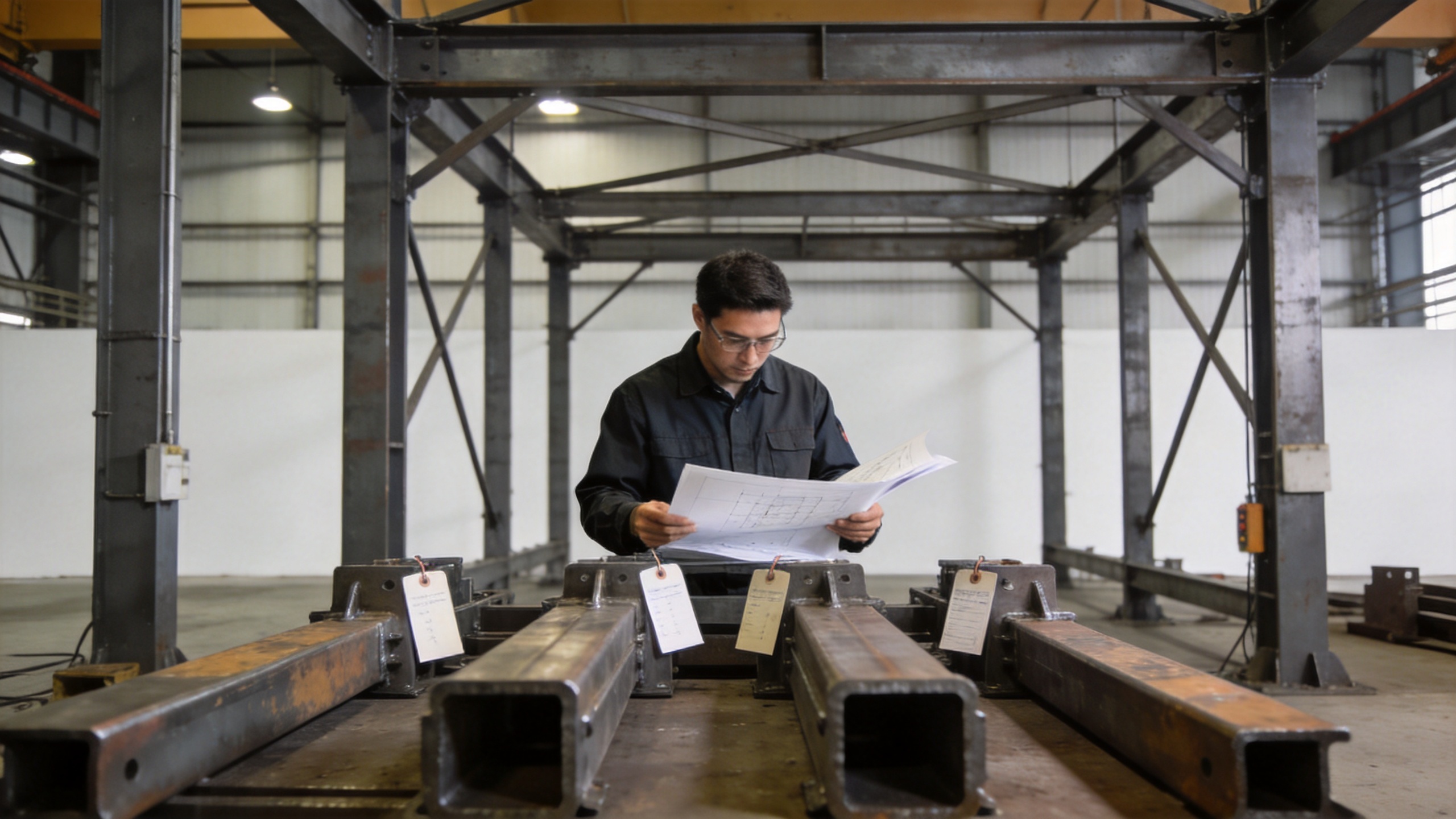
Factory photographs are useful context, not proof of a repeatable quality system. Ask shortlisted suppliers how they verify incoming materials, identify components during fabrication, control welding, check dimensions, and release packed pieces for shipment. Depending on the project, you may also request material certificates, inspection records, welding-procedure information, coating records, packing lists, and photo or video evidence of a pre-shipment check.
Quality requirements must match the destination and project specification. A supplier may reference ISO-style quality management or welding controls, but a buyer should verify the actual scope and relevance rather than treating a certificate logo as universal proof. For a more demanding project, clarify whether third-party inspection, hold points, or additional testing are needed before production begins.
This document-first approach also helps you compare offers fairly. If one price includes traceability, inspection records, and a defined approval sequence while another only lists steel tonnage, the quotes are not equivalent. The goal is not to demand every possible document; it is to agree on the evidence that matters for your building.
Assess manufacturing capacity in project terms
Capacity is more than a claim about workshop size. Ask how the supplier schedules design release, raw-material purchasing, fabrication, quality inspection, packing, and loading. Ask what information must be frozen before production starts and how changes are handled afterward. A realistic supplier will identify decision gates and explain how a late opening, panel, or loading change affects the schedule.
It is also reasonable to request a virtual factory tour, recent fabrication examples with sensitive client information removed, and a sample packing or marking plan. Look for evidence that pieces can be identified against drawings and that shipment sequence considers site installation. This matters for warehousing and logistics: a well-designed frame still creates delays if the receiving team cannot match bundles, bolts, and drawings when containers arrive.
JND’s published steel-building offering includes integrated engineering documentation, such as shop drawings, foundation drawings, anchor-bolt plans, and erection manuals, alongside primary structure and enclosure materials. Buyers should confirm the exact deliverables for their own project rather than assuming every package has the same scope.
Choose the procurement model that fits your risk split
| Model | Potential advantage | What to confirm |
|---|---|---|
| Factory-direct supplier | Direct access to the fabrication and engineering team. | Who coordinates local code review, foundation work, and erection? |
| Agent or trading company | May simplify sourcing or local communication. | Can it identify the actual factory, engineering owner, and warranty path? |
| EPC or local contractor | Can consolidate site execution and permitting responsibilities. | Which party controls fabrication quality, drawings, and schedule changes? |
For an outdoor storage shed, a simple package may suit a local installer and a factory-direct supply model. For a larger conditioned warehouse, complex logistics facility, or facility with a crane, the coordination burden rises. The better choice is the one that makes the project interfaces visible and assigns a responsible party to each one.
Review after-sales support before you issue the purchase order
After-sales support starts before fabrication. Ask how the supplier handles drawing clarifications, missing-piece claims, shipping damage evidence, site questions, and replacement components. Request the contact method and expected escalation path. Avoid vague guarantees; look for a practical process that your site team can use.
You can also review relevant product pages to see how a supplier presents different warehouse configurations, such as a Q355B-Z35 e-commerce fulfillment center with a 60m steel span or a Q355D climate-controlled warehouse with 150mm PIR insulation. These pages are starting points for a technical conversation, not substitutes for project-specific design confirmation.
A practical steel supplier checklist
Use one written project brief and request itemized, assumption-based quotations. For a steel warehouse inc proposal, this single brief is what keeps every bidder comparable.
Confirm who owns engineering, drawings, local review, foundation coordination, and erection responsibilities. With warehouse contractors, ownership of the shop-drawing approval path and anchor-bolt questions should be stated in writing before fabrication.
Request evidence of material, welding, dimensional, coating, and packing controls appropriate to the project. A small outdoor storage shed can need a simpler document package than a high-bay facility, but neither should move to fabrication without clear scope.
Check how the production schedule moves from design approval to shipment.
Clarify container loading, piece marking, packing lists, and site document handover. For warehousing and logistics projects, also ask how members, fasteners, and drawings are marked across shipment and erection.
Define the process for revisions, missing parts, damage claims, and installation support.
Compare total scope and project risk, not only the lowest price per ton or per square meter.
Use the checklist in a real supplier comparison
To compare a steel warehouse inc proposal, use a short scorecard for every bidder: technical-brief clarity, engineering documents, fabrication controls, shipping plan, and support process. Keep price as one line item rather than the entire score. It then becomes clear whether a lower offer leaves a coordination cost with the buyer.
When comparing warehouse contractors, ask who owns the shop-drawing approval path and anchor-bolt questions. A small outdoor storage shed can need a simpler document package than a high-bay facility, but neither should move to fabrication without clear scope. For warehousing and logistics projects, also ask how members, fasteners, and drawings are marked across shipment and erection.
The right steel warehouse inc supplier is not necessarily the one making the broadest promise. It is the one that can document scope, explain engineering and fabrication controls, coordinate with your site team, and state what still depends on local design and construction decisions. That makes the buying process more predictable long before the first steel bundle reaches the site.