 EN
Warehouse-Workshop Steel Structures: Dual-Use Design
2026/10/26
Plan a warehouse workshop steel structure with smarter zoning, flow, clear height, crane, fire, and expansion decisions.

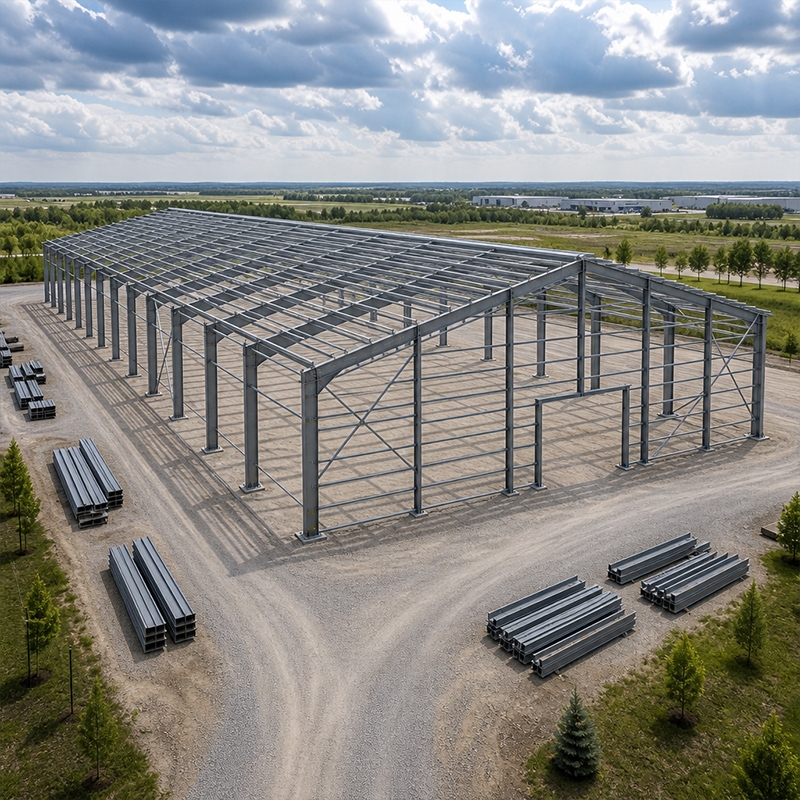
Good steelwork construction begins long before the first beam leaves the workshop. A successful project depends on a disciplined sequence that connects design intent, shop fabrication, and on-site erection without losing control of tolerances or quality records. Owners who plan around that sequence can set realistic schedules and avoid expensive rework later in the build.
Fabrication Drawings Define Steelwork Construction
Detailed fabrication drawings define steelwork construction long before metal is cut. A structural model from the design office must be converted into shop drawings that tell the steel fabrication workshop exactly how each member is cut, welded, bolted, and painted. These fabrication drawings carry hole patterns, weld sizes, and surface-treatment notes that cannot be left to guesswork on site. When the fabrication drawing is clear, the steel erection crew receives a kit of parts that fits together the first time, which is the real source of speed on a steel project.
Material Grades and Mill Certificates
Steel grade selection decides how a frame behaves under load, cold, and corrosion. Q355B and Q355D plates cover most industrial frames, while Q355B-Z35 resists lamellar tearing at heavy welded joints. High-strength Q420B suits long-span members where weight matters. Every incoming coil and plate should arrive with a mill certificate that records chemistry and mechanical properties. Under ISO 9001 quality control, those certificates are filed against the project so a third-party inspector can trace any member back to its heat number without delay.
Why Sequence Discipline Protects Tolerances
A frame is only as accurate as the worst step in its steel fabrication sequence. Cutting a member a few millimetres short, then welding it out of square, then shipping it to a site that expected a different datum will multiply errors by the time two bays meet. Sequence discipline means each stage confirms the previous one before work advances. A grain-storage project delivered for a northeast China depot showed this clearly: by locking steel fabrication to EN 1090 procedures and steel erection by site bolt rather than field welding, the team closed a 60 m clear-span hall with no on-site rework and passed third-party inspection on the first visit.
Modern fabrication replaces hand layout with CNC cutting that holds tight tolerances across thousands of parts. Robotic welding then deposits consistent, inspectable seams under ISO 3834 welding-quality rules. The benefit is not only speed; it is repeatability. When a connector or clip is produced identically every time, the site bolt crew can trust that a hole line will align without grinding. AISC and MBMA guidance both stress that fabrication accuracy is what makes safe, fast erection possible, so the workshop investment pays back during assembly.
Corrosion protection is applied where it works best: in the shop. Hot-dip galvanizing gives buried and exposed members a uniform zinc skin, while glass flake coating protects aggressive environments such as fertilizer or salt storage. The quality handoff is the moment fabrication ends and erection begins. At that point the supplier issues inspection records, coating certificates, and a packing list keyed to the erection sequence. CE marking under EN 1090 confirms the structural integrity of the delivered elements for projects entering the European market.
Site bolt assembly starts with a crane plan that respects member weight and reach. High-strength 10.9S bolts draw interfaces tight so the frame acts as a single rigid system. Alignment is checked against the survey datum bay by bay, because a small error at column base grows by the ridge. OSHA and local site rules govern lifting zones, tag lines, and fall protection, and a clean bolt-up sequence keeps crews out of danger while the structure gains stability. Good steel erection looks uneventful precisely because the planning removed the surprises.
Erection fails when the frame arrives before the concrete is ready. Anchor bolt positions must be surveyed and accepted before columns land, and any slab or pile cap deviation should be resolved on paper first. Mechanical, electrical, and sprinkler trades then coordinate penetrations so the steel envelope is not cut later. IBC and ASTM references help specify fire protection and connection strength for the local authority. A pre-installation meeting that gathers the steel supplier, concrete contractor, and MEP lead prevents the most common clash points around door frames and roof drains. Early coordination keeps the steelwork construction moving instead of waiting on late design changes that force expensive field modifications.
The final handoff is documentation as much as structure. Dimensional reports, weld maps, coating thickness logs, and bolt torque records form the as-built package a buyer needs for operation and future expansion. Independent inspection against EN 1090 and ISO 3834 gives confidence that the frame meets its stated standard. With records complete, the owner accepts a building that can be maintained, modified, and even relocated with certainty. A practical tip for buyers is to request the digital model and bolt schedule alongside the paper file, since crews performing later additions will rely on them. Disciplined steelwork construction therefore ends not with the last bolt, but with a file that proves the building was made right.
In short, reliable steelwork construction is a chain of planned steps: clear drawings, certified material, accurate fabrication, careful erection, and complete records. Buyers who check each link before signing protect their schedule and their budget. The difference between a smooth build and a troubled one rarely comes from the steel itself; it comes from the discipline applied from fabrication to erection. Spending an extra week on planning typically saves a month of site confusion, which is why experienced procurement teams treat the workshop stage as part of the build, not a separate purchase.
What documents confirm fabrication quality before erection?
Answer: Fabrication quality is confirmed by shop drawings, mill certificates for every steel heat, weld procedure records, and coating inspection reports. Under ISO 9001 and ISO 3834, each batch is traced and signed off before dispatch. A packing list keyed to the erection sequence lets the site crew verify that received parts match the approved design. These documents give the buyer evidence that the frame was built to spec before any lifting begins on site.
Why does bolt-up erection reduce on-site risk?
Answer: Bolt-up erection uses factory-prepared holes and high-strength 10.9S bolts, so connections are made without open-flame welding high above grade. That removes a major fire and fall hazard and shortens the time workers spend on lifts. Because parts are cut and drilled in the workshop to tight tolerances, alignment is predictable and rework is rare. The result is a safer, faster build with fewer weather and inspection delays than field welding allows.
How is dimensional tolerance controlled during steelwork construction?
Answer: Tolerance is controlled at every stage, not corrected at the end. CNC cutting holds member lengths, robotic welding preserves squareness, and each bay is surveyed against a fixed datum during erection. Deviations are recorded and resolved on paper before the next sequence starts. EN 1090 procedures require traceable inspection so a small error cannot multiply across the frame. This staged discipline keeps the finished structure within the limits needed for safe, serviceable performance.
When should the QA handoff take place?
Answer: The QA handoff should occur at the boundary between fabrication and erection, and again at final acceptance. At the first handoff the supplier releases inspection records, coating certificates, and a sequenced packing list. At close-out the buyer receives as-built dimensional reports, weld maps, and torque logs. Timing the handoff correctly prevents missing papers from blocking erection and gives the owner a complete file for maintenance, insurance, and future expansion work.
Which international standards apply to exported steelwork?
Answer: Exported steelwork commonly references EN 1090 for CE marking, ISO 3834 for welding quality, and ISO 9001 for management systems. Depending on destination, AISC, MBMA, IBC, ASTM, or OSHA rules may also apply to design, fire protection, or site safety. Confirming the required standard early avoids costly re-certification after delivery. A supplier familiar with these frameworks can prepare the correct documentation so the structure clears import and local authority review without delay.
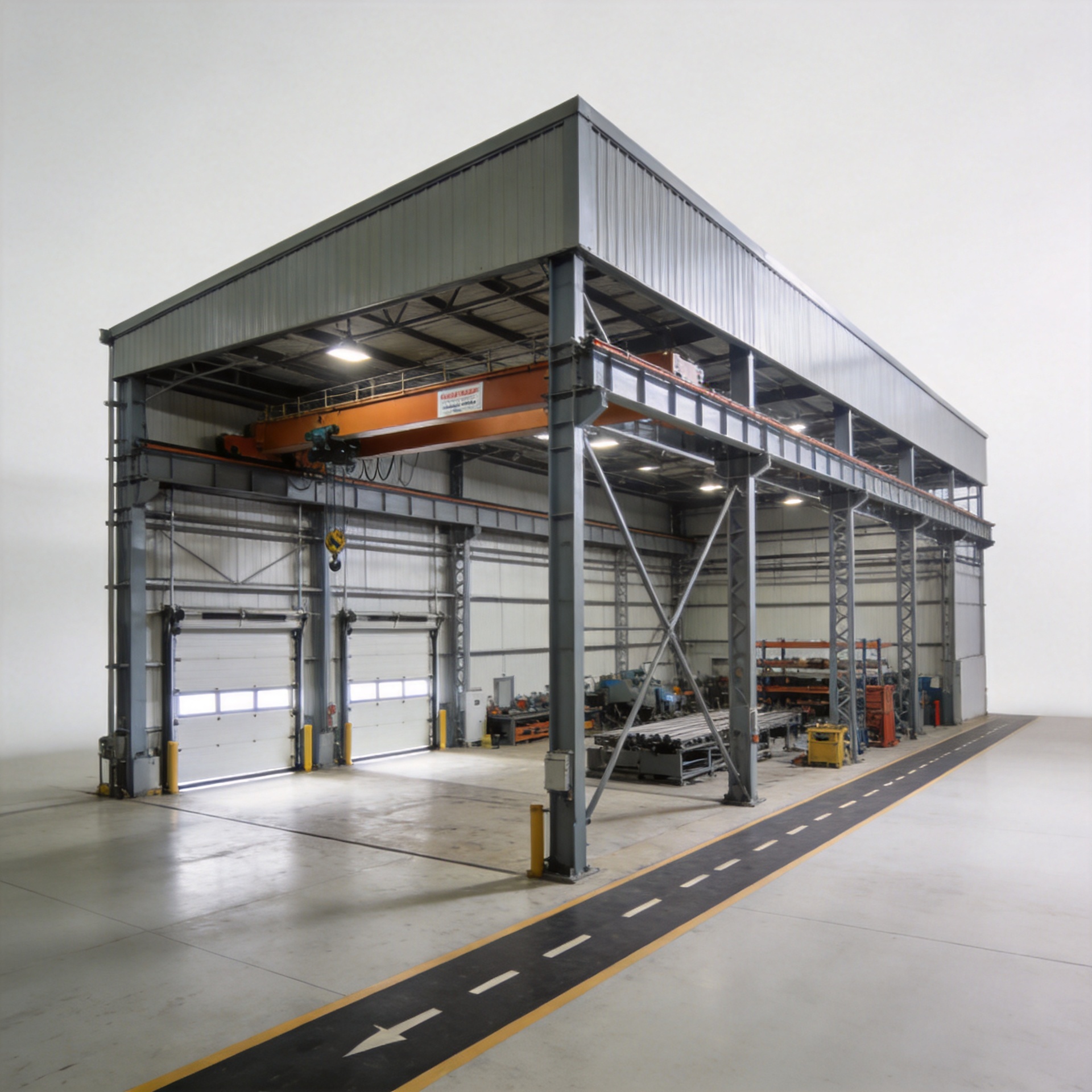
2026/10/26
Plan a warehouse workshop steel structure with smarter zoning, flow, clear height, crane, fire, and expansion decisions.
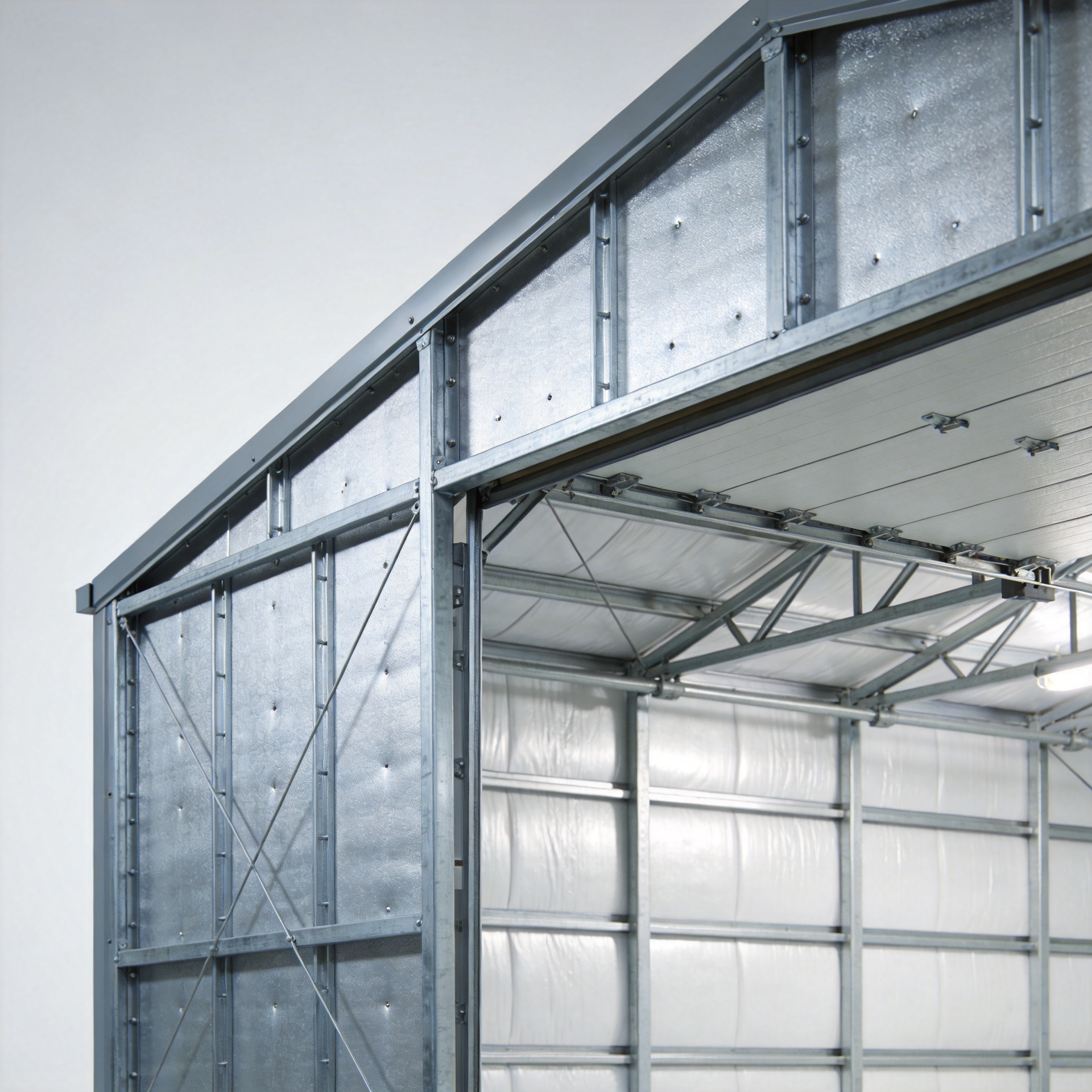
2026/10/26
Plan a cold storage steel structure with insulation, vapor control, thermal breaks, refrigeration interfaces and corrosion-ready details.
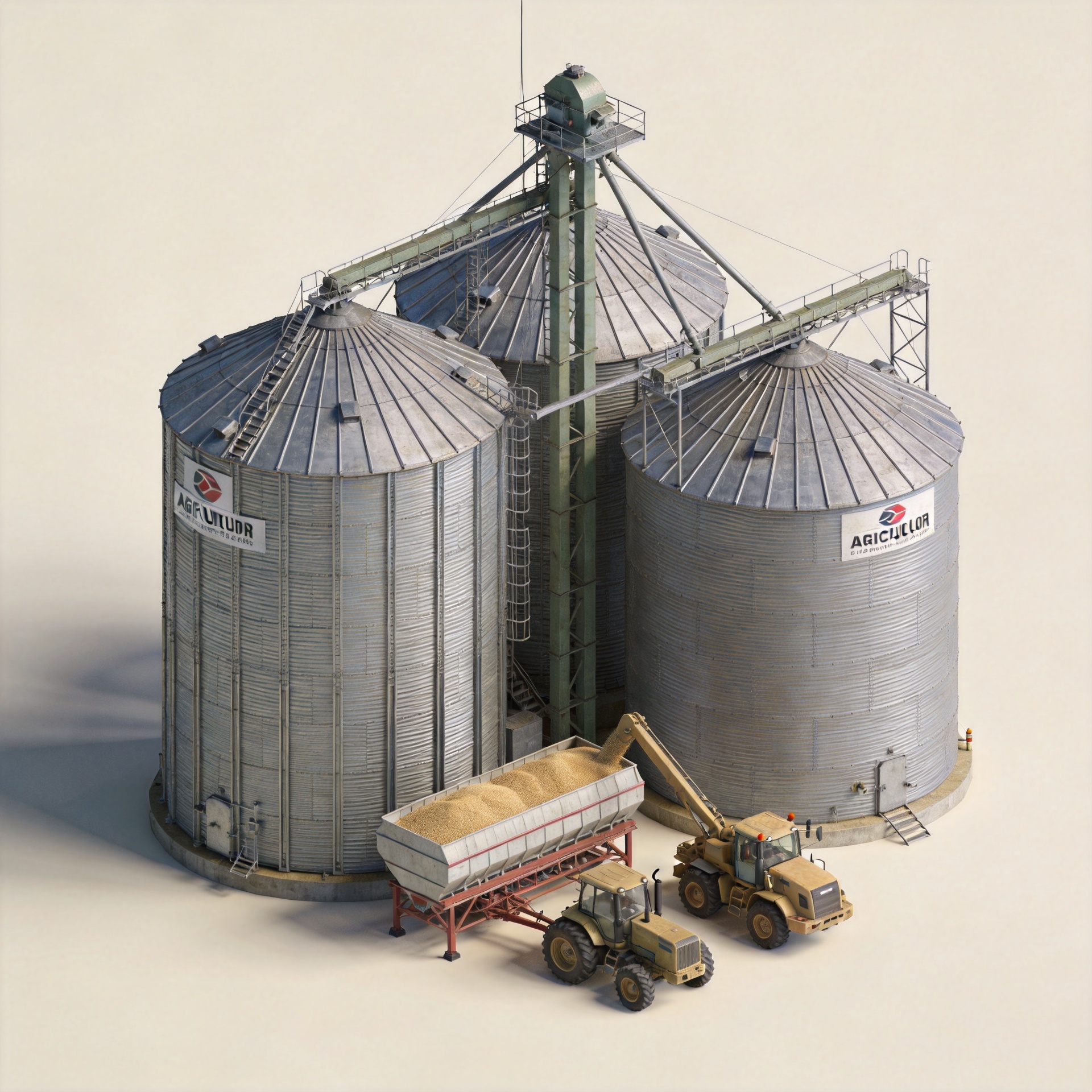
2026/10/26
Plan an agricultural steel structure that scales from machinery barn to storage and farm logistics hub with practical design and procurement steps.
2026/10/26
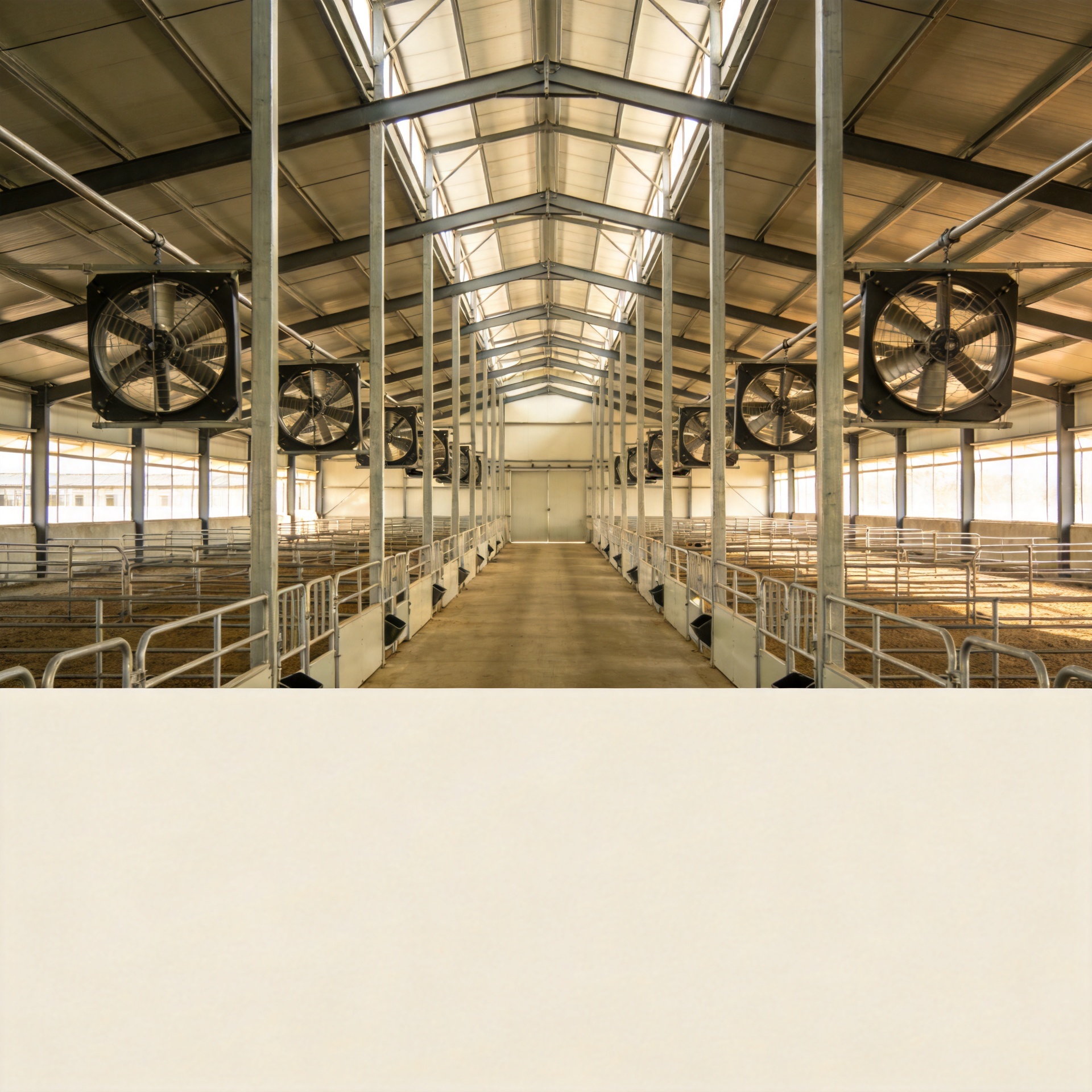
Plan a livestock steel structure for welfare, corrosion resistance, fire considerations, and efficient design-to-delivery decisions.
2026/10/26
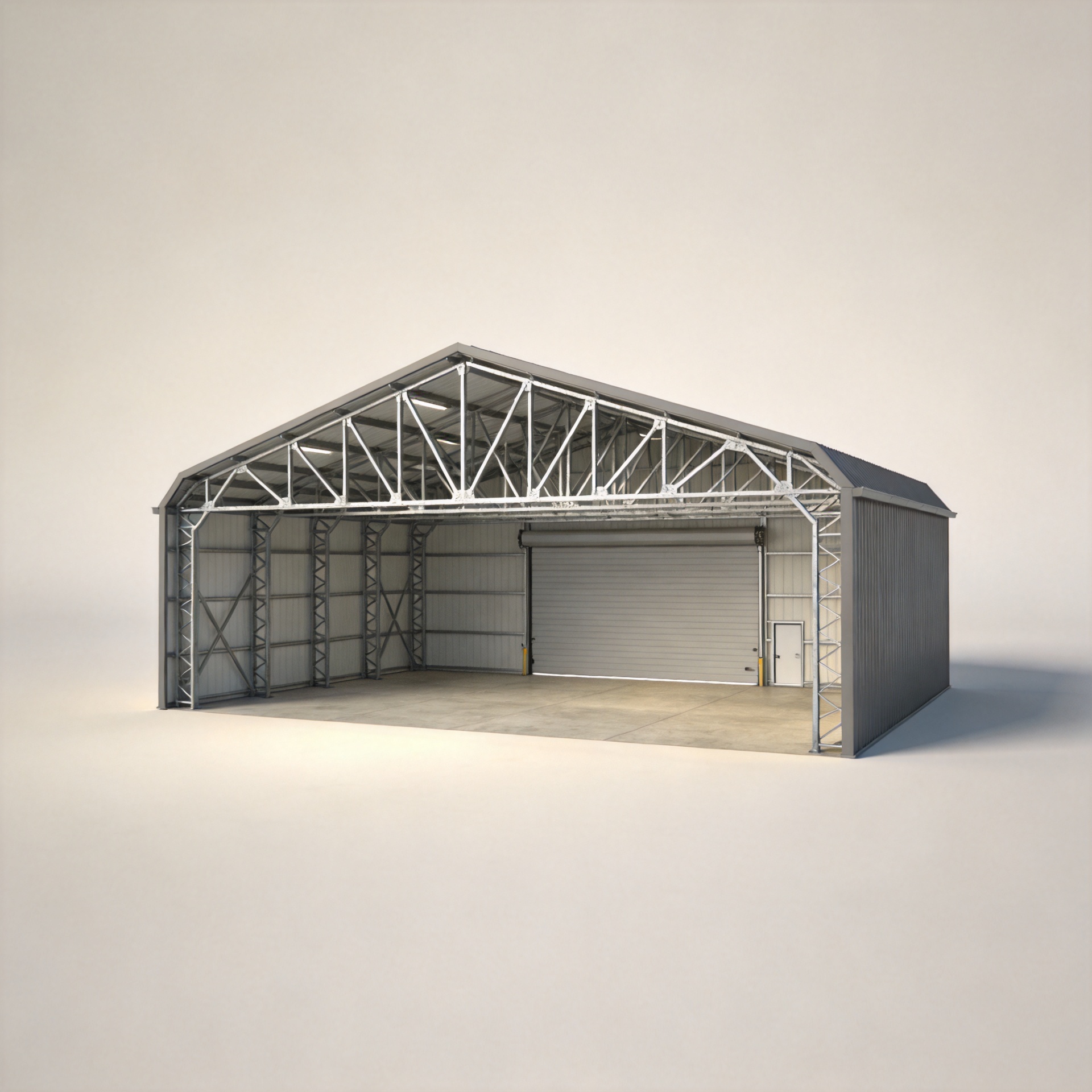
Plan an aircraft steel structure for hangars and support facilities with guidance on loads, corrosion, fire, EN 1090, and delivery milestones.
2026/10/26
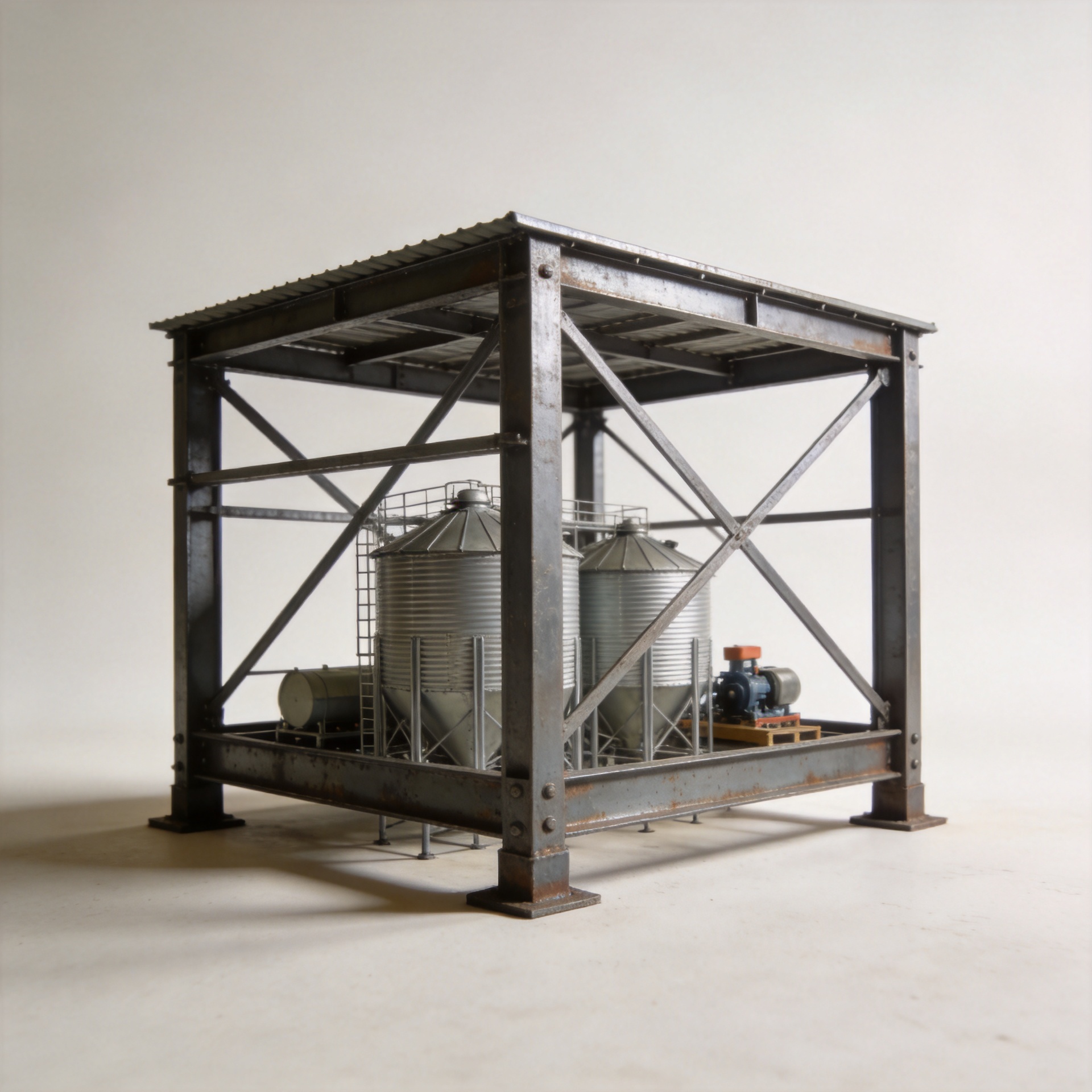
Choose a farm steel structure for agricultural storage with practical guidance on loads, corrosion, compliance, and delivery planning.
