 EN
Warehouse-Workshop Steel Structures: Dual-Use Design
2026/10/26
Plan a warehouse workshop steel structure with smarter zoning, flow, clear height, crane, fire, and expansion decisions.

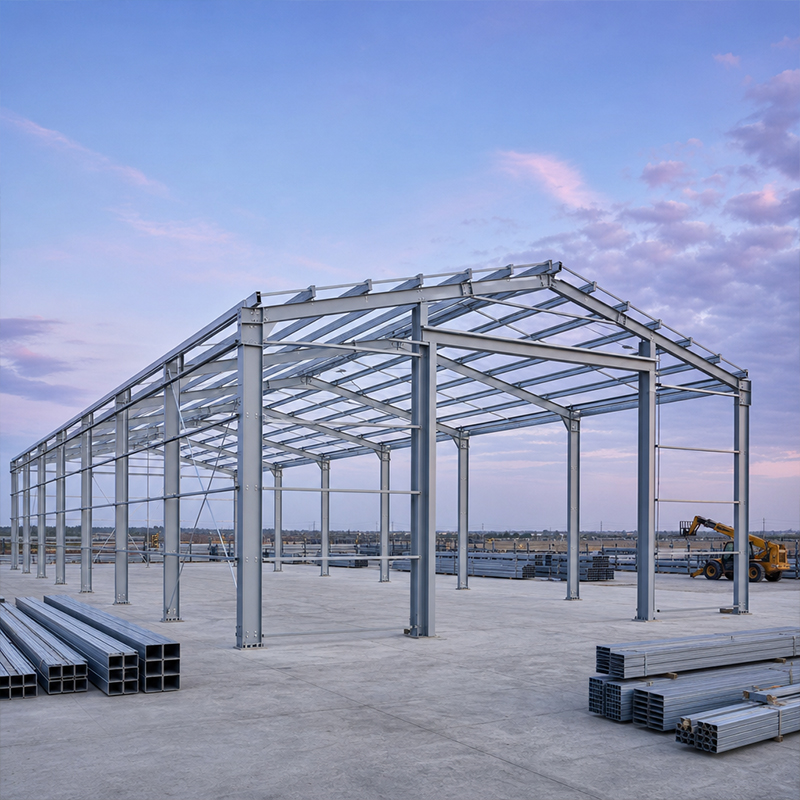
Planning a new industrial hall usually starts with one question: what will the steel structure price actually be? The answer rarely fits a single rate, because fabricated tonnage, coating system, and design complexity each move the total in different directions. Smart buyers learn to separate those drivers before collecting offers, then judge every steel quote on the same baseline rather than the headline number.
For any steel structure price, tonnage sets the floor. A typical industrial hall weighs between 25 and 45 kilograms of steel per square meter of floor area, so a 6,000 m² logistics building can represent 150 to 270 tonnes of primary and secondary members. Because the underlying steel price moves with raw-material indices, the same design quoted in March may shift by several percent by July. Buyers should request the quoted steel grade—Q355B or Q420B are common for frames—and confirm whether the steel quote covers mill certificates, cutting losses, and shop primer. Treating tonnage as a fixed number hides the real exposure to steel price volatility, and it leaves the structure cost open to later surprises.
Surface protection is where many structure cost estimates quietly diverge. Hot-dip galvanizing adds a predictable zinc layer suited to humid or coastal sites, while a glass flake coating resists chemical and salt atmospheres for food and fertilizer plants. Each system changes both material weight and fabrication labor. A galvanized portal frame for a cold-storage hall costs less to maintain than a painted one over a 25-year horizon, even if the steel quote looks higher on day one. Specifying the coating requirement up front keeps the steel structure price comparable across bidders instead of mixing bare, painted, and galvanized schemes that cannot be compared line by line.
A single clear span up to 60 m removes interior columns and speeds erection, but it raises rafter depth and tonnage compared with a multi-bay layout using internal supports. Adding a mezzanine, overhead crane beams, or a truss roof increases connection counts and FEA effort. When the design brief stays close to a standard pre-engineered building envelope, the steel quote stabilizes and lead time shortens. Every deviation—larger bays, irregular cladding, custom doors—enters the steel structure price as extra engineering and piece count, so the buyer pays for both material and the hours to model it.
A regional grain handler needed two 5,000-tonne silo galleries plus a machinery plant at a rural site. The first quotations arrived with wildly different totals even though the footprint looked identical. The gap came from inconsistent coating specs, unclear crane loads, and tonnage calculated on different bay grids. Without a common baseline, the owner could not tell whether a low steel quote reflected efficiency or omitted scope. This scenario is common when buyers compare structure cost only by the headline number and skip the detailed bill of materials.
The project was re-baselined around a Q355B portal frame with galvanized C&Z purlins and a 150 mm PIR envelope. Fabrication followed EN 1090 and ISO 3834 welding control at a 12,000 m² plant using CNC cutting and robotic welding, which reduced rework and kept the tonnage price transparent. Crane runways were sized for the actual 10-tonne load rather than a generic overspec. By fixing the bill of materials and coating before requesting quotes, the steel structure price became a true comparison of execution quality, not a moving target that changed with every supplier's assumptions.
Erection finished within the planned window because bolted connections arrived pre-drilled and tagged. The galvanized secondary steel needed no field painting, cutting maintenance during the first season. Most importantly, the owner now holds a documented structure cost baseline—tonnage, coating, and design—that can be reused for future sheds. That visibility is the real buyer value: a steel quote stops being a mystery and becomes a line-by-line, auditable package aligned with ISO 9001 quality records and CE marking for export.
A fair steel structure price only emerges when suppliers quote the same scope. Before collecting offers, the buyer should define grade, coating, insulation, bay size, crane capacity, and the foundation interface, then ask each fabricator to respond against that single bill of materials. Differences then reflect genuine capability and the tonnage price, not hidden assumptions buried in a low offer.
Before collecting offers, lock the scope: steel grade, coating system, insulation, bay size, crane capacity, and foundation interface. Suppliers then return a steel quote against the same bill of materials, so differences reflect genuine steel structure price drivers rather than hidden assumptions. Ask for the weight breakdown by member type and the exclusion list. Standardization turns a confusing set of papers into a ranked, like-for-like decision that protects the budget from silent gaps.
The tonnage price is only meaningful next to what it includes. Compare fabricated weight, not raw coil cost, because cutting, drilling, and welding determine installable tonnes. Check whether the steel quote covers shop primer, bolt kits, and packing for export. CE marking and EN 1090 execution class raise compliance but protect the buyer in regulated markets. Reading exclusions carefully prevents the classic trap where a low structure cost balloons after bolts, coating, or documents are added later, so the final figure matches the quoted intent.
Comparing offers well begins with a fixed baseline: grade, coating, and design. The steel structure price should be judged on fabricated tonnage, transparent exclusions, and certified fabrication under EN 1090 and ISO 3834, not on the headline figure alone. A standardized bill of materials turns every steel quote into a fair, auditable comparison and keeps the structure cost predictable from inquiry to erection.
What factors move the steel structure price most? Answer: Tonnage, steel price, coating, and design complexity drive most of the total. Fabricated weight sets the baseline, while galvanizing or glass flake coating changes both material and labor. Larger clear spans and crane beams add rafter depth and connections. A standardized bill of materials lets buyers see which factor shifts each offer, so the structure cost stays comparable instead of mixing different scopes and coatings.
How is the tonnage price calculated for a steel quote? Answer: The tonnage price covers fabricated weight, not raw coil. CNC cutting, drilling, welding, and shop primer all enter the installed tonne, so two quotes at the same rate can differ once labor is included. Buyers should ask for weight split by member type and confirm bolt kits and packing are inside the figure. A transparent tonnage price makes the structure cost easy to check against the bill of materials.
Which coating system suits a humid or coastal site? Answer: Hot-dip galvanizing performs well in humid and coastal conditions because the zinc layer protects cut edges and welds. For chemical, salt, or fertilizer atmospheres a glass flake coating resists corrosion longer. The choice changes both the steel quote and long-term maintenance, so it should be fixed before comparing offers. Galvanized C&Z purlins paired with a PIR envelope keep a cold-storage or grain hall durable without field painting.
Why request mill certificates and EN 1090 compliance? Answer: Mill certificates prove the delivered steel grade matches the design, while EN 1090 execution class confirms fabrication and welding control under ISO 3834. CE marking supports entry into regulated European markets. These documents protect the buyer when a structure must pass inspection or insurance review. A steel quote without traceable certification carries hidden risk, even when the structure cost looks attractive on paper.
How many bids give a reliable structure cost comparison? Answer: Three to five detailed bids against one bill of materials usually reveal the real market. Fewer offers risk a single outlier, while more than five strains evaluation without better data. Each steel quote should list tonnage, coating, exclusions, and certification so lines match. Discard any offer that cannot be broken into the same categories, because mixing scopes makes the comparison meaningless regardless of the headline figure.
2026/10/26
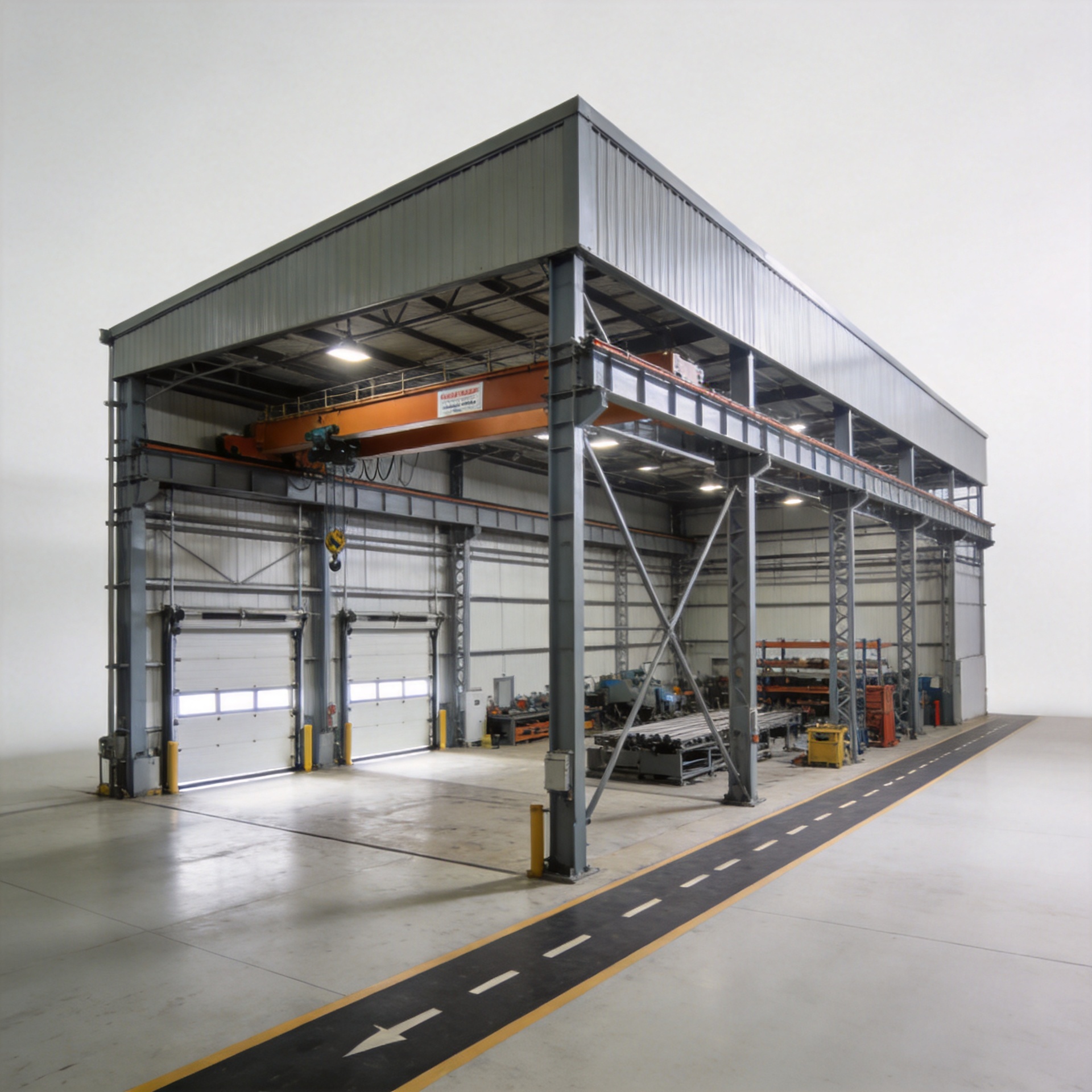
Plan a warehouse workshop steel structure with smarter zoning, flow, clear height, crane, fire, and expansion decisions.
2026/10/26
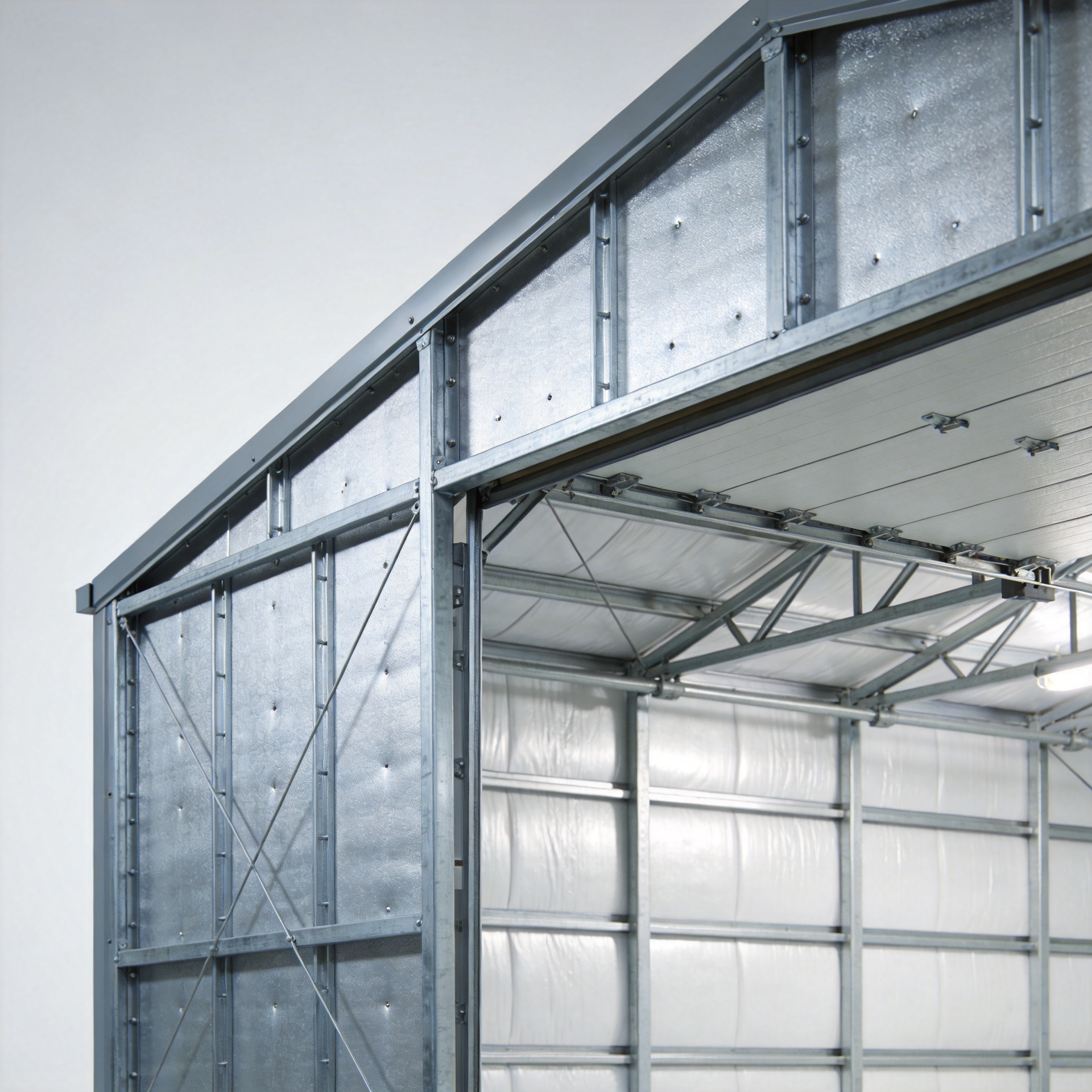
Plan a cold storage steel structure with insulation, vapor control, thermal breaks, refrigeration interfaces and corrosion-ready details.
2026/10/26
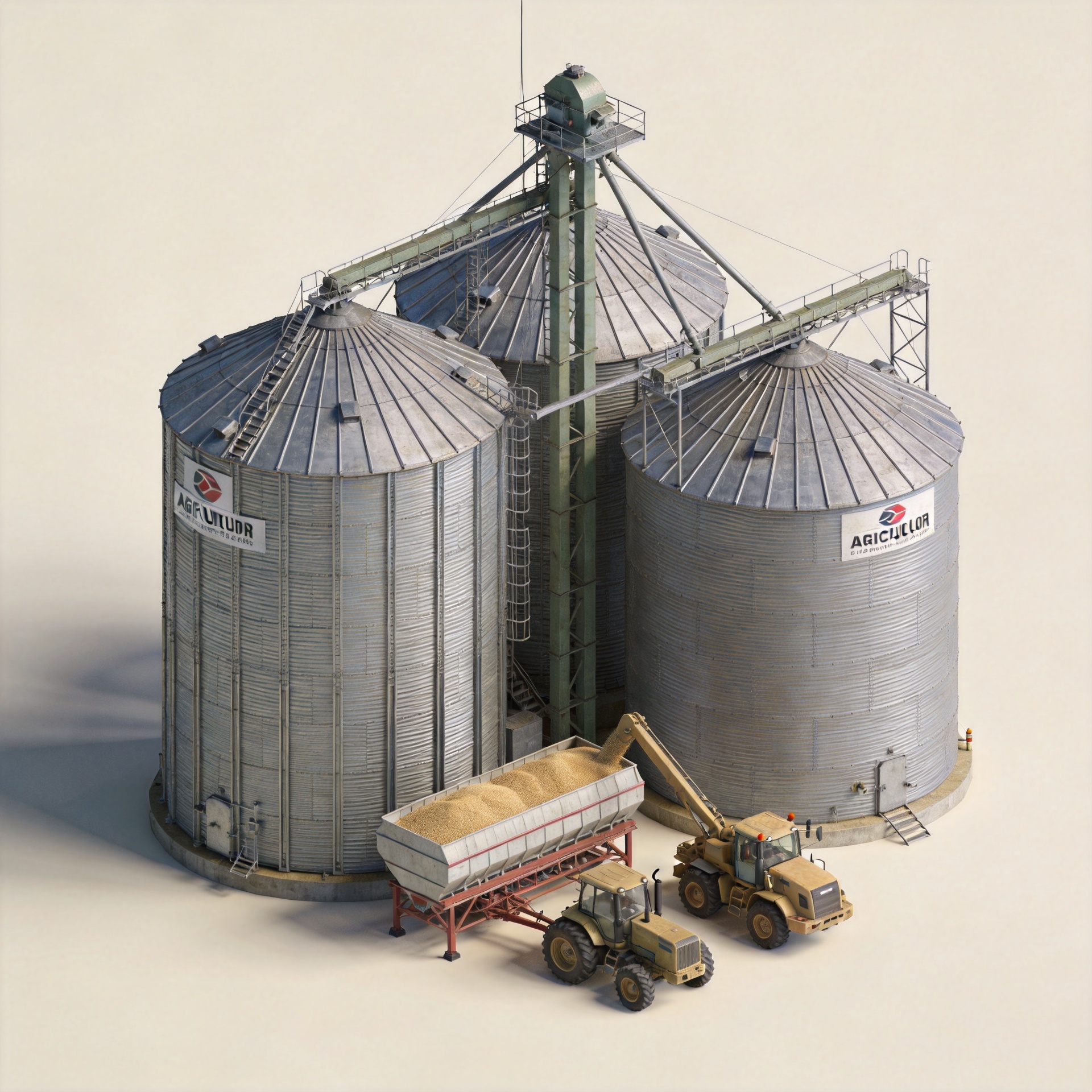
Plan an agricultural steel structure that scales from machinery barn to storage and farm logistics hub with practical design and procurement steps.
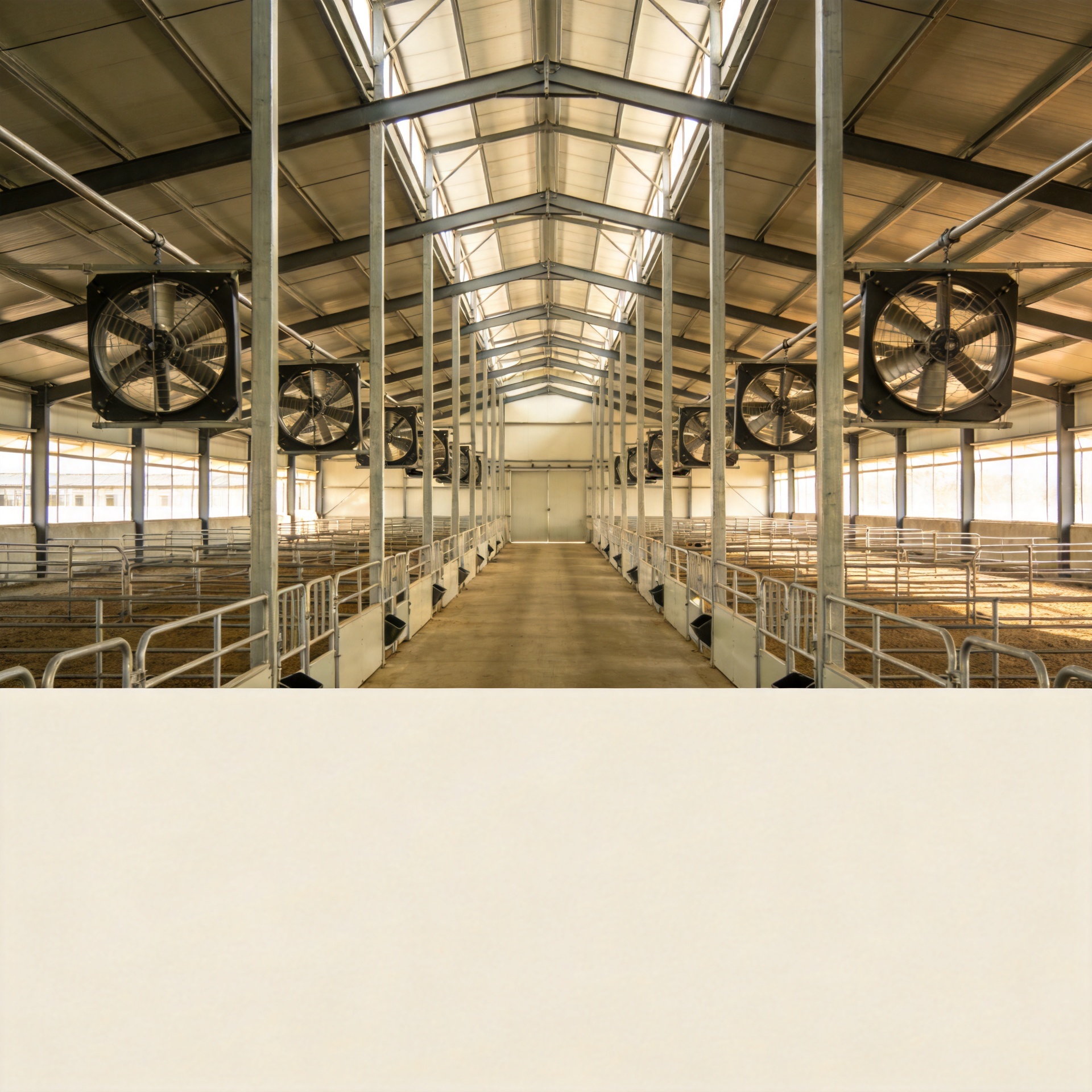
2026/10/26
Plan a livestock steel structure for welfare, corrosion resistance, fire considerations, and efficient design-to-delivery decisions.
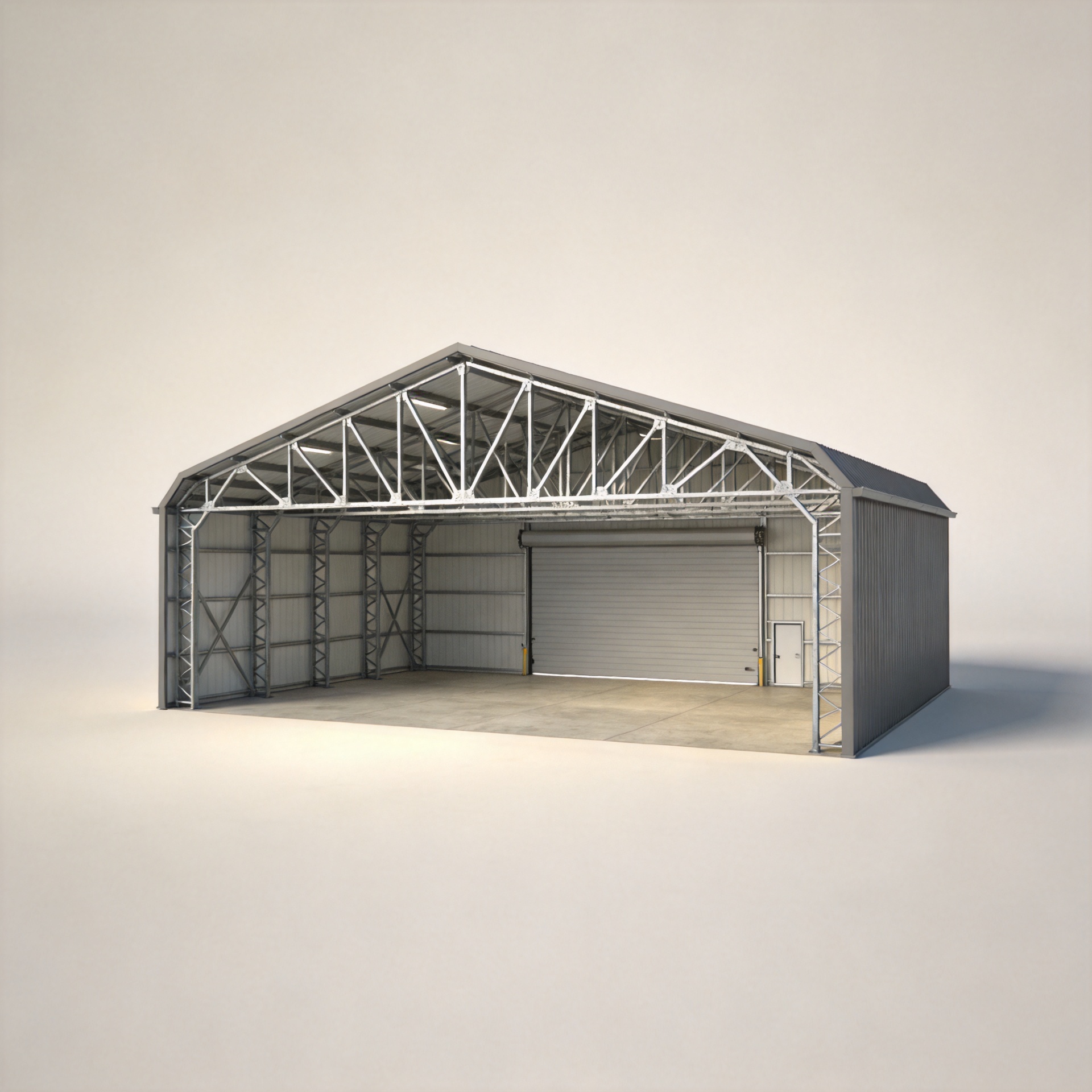
2026/10/26
Plan an aircraft steel structure for hangars and support facilities with guidance on loads, corrosion, fire, EN 1090, and delivery milestones.
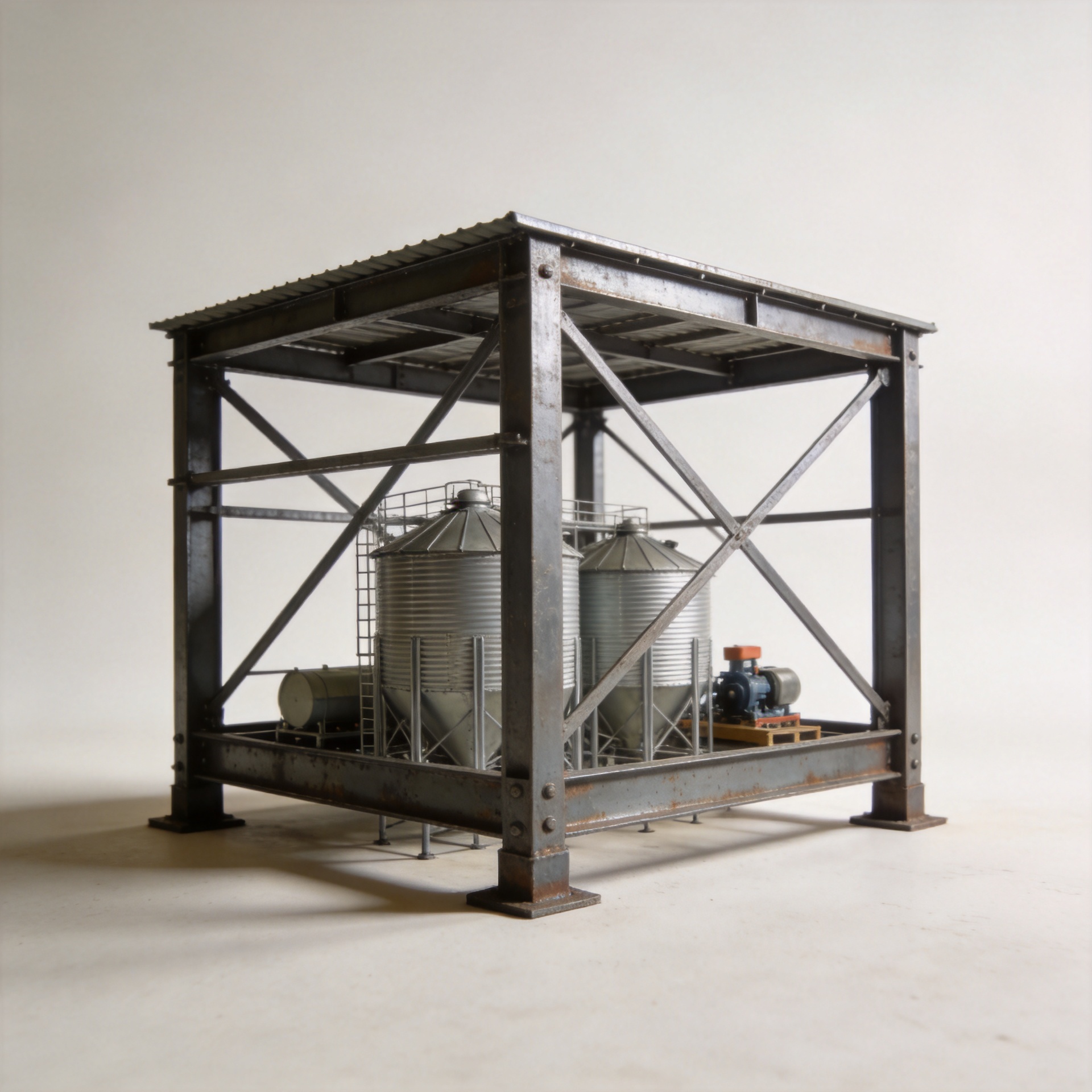
2026/10/26
Choose a farm steel structure for agricultural storage with practical guidance on loads, corrosion, compliance, and delivery planning.
