 EN
Warehouse-Workshop Steel Structures: Dual-Use Design
2026/10/26
Plan a warehouse workshop steel structure with smarter zoning, flow, clear height, crane, fire, and expansion decisions.

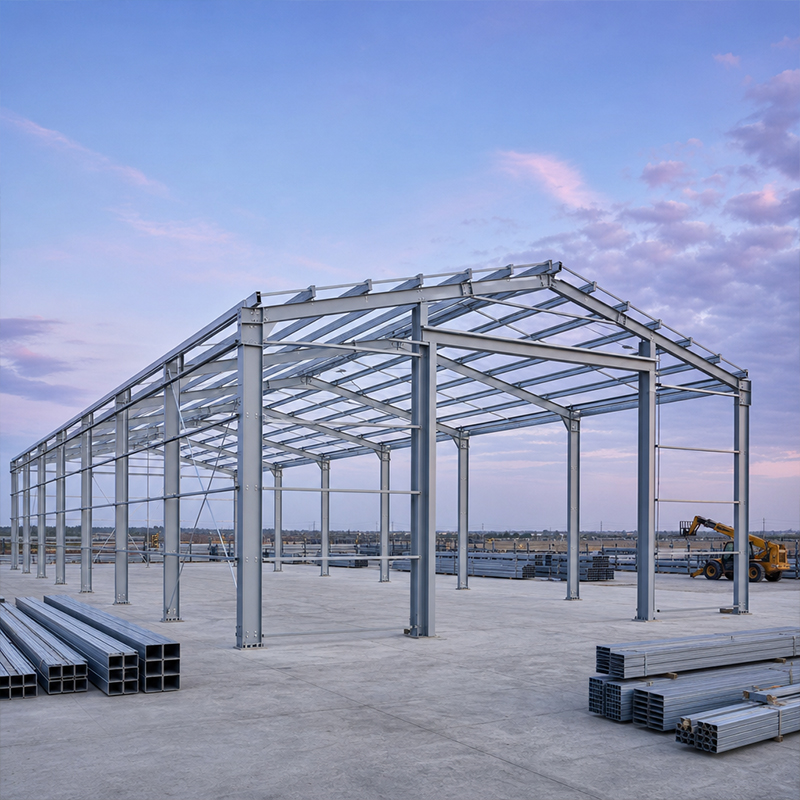
Choosing the right partner for a structural steel project is rarely about the lowest bid. A competent steel structure contractor carries the building from engineering drawings through factory fabrication and finally to a safe, plumb erection on site. Getting that handoff wrong produces cost overruns, out-of-tolerance frames and disputed liability. A weak partner also exposes the owner to safety exposure under OSHA site rules and to delayed occupancy that hurts cash flow. This guide explains how purchasing teams can evaluate scope, certifications and documented track record before a contract is signed.
The first thing a steel structure contractor must clarify is exactly what sits inside the package. Scope typically spans detailed design, shop drawings, material procurement, CNC cutting, welding, protective coating, transport and field bolt-up. When a buyer assumes the contractor handles anchor bolts but the contract excludes them, the foundation crew waits and the critical path slips. Written scope boundaries prevent those gaps. A clear deliverables list also tells the buyer which interfaces — concrete, cladding and MEP — remain with other trades. A disciplined scope document lists who supplies cranes, who certifies anchor bolt positions, and who coordinates the cladding interface, because those seams are where disputes and delay normally start. Choosing a steel contractor with a verifiable project reference in the same building type further reduces this risk, since proven scope habits carry over from job to job.
Design, Fabrication and Erection Handoff
A smooth project depends on how design transfers into production. Modern shops issue Tekla or BIM models that feed CNC machines directly, so a dimension changed once propagates everywhere. The fabricator sequences members by erection order, tags each piece and packs by bay. On site, the erection crew coordinates lifting plans, crane capacity and bolt torquing against the approved method statement. This disciplined handoff keeps a multi-bay frame square within millimetre tolerances. Following AISC and MBMA guidance for the relevant building type keeps the member sizes and connection details aligned with how the frame will actually be loaded, which reduces field surprises. An EN 1090 contractor brings factory production control that supports this discipline, while a structural builder experienced in the same frame type can sequence fabrication and erection without rework.
For structures placed on the European market, EN 1090 is the execution standard that lets a steel structure contractor apply the CE mark lawfully. It governs weld classes, coating thickness and factory production control. A supplier without an EN 1090 execution-class certificate cannot honestly claim CE conformity, and that gap becomes a buyer's liability at customs and at the local authority. Asking for the certificate number and execution class is a five-minute check that removes most pretenders from the shortlist. Many buyers also ask whether the shop keeps factory production control records, since those records are what inspectors request during a conformity audit.
Welds are where hidden failures begin, so welding procedure qualification matters. ISO 3834 sets the quality requirements for fusion welding of metallic materials, covering procedure specification, welder approval and traceable consumables. Paired with ISO 9001 factory management, it shows the shop controls variables rather than hoping for a stable result. A credible steel structure contractor documents each weld map and keeps radiographic or ultrasonic test reports ready for audit at any time. Procedure qualification records should name the exact consumable batch and the preheat range, because small deviations change the fusion zone properties more than most buyers expect.
Certificates show capability; references show it was actually delivered. Request three comparable project references with tonnage, span and client contact where possible. A steel contractor that has built a 60 m clear-span logistics hall is a safer choice for a similar brief than one whose portfolio is only small canopies. Visiting a finished site, or at least reviewing as-built photos, confirms the steel structure contractor manages detailing, coating and tolerances at the claimed scale without surprises.
Red Flags Buyers Should Not Ignore
Some signals appear early. Vague answers on execution class, refusal to share mill test certificates or a quote that bundles everything with no bill of materials deserve caution. Another warning is a structural builder subcontracting fabrication to an unknown shop without disclosure. When the responsible steel structure contractor cannot name the welding standard or the coating system, the risk transfers straight to the owner. Walk away before the deposit leaves the account. Slow or evasive replies to a short technical questionnaire usually predict slower replies when a real problem appears on site. An EN 1090 contractor should state its execution class without hesitation, and a credible steel contractor will supply a project reference list before being asked twice.
A regional grain handler needed a 12,000 m² storage hall on a tight harvest window. The selected steel structure contractor delivered full design, hot-dip galvanized frames and 150 mm PIR cladding from a single 12,000 m² base. Background risk was condensation damaging stored grain. The solution used galvanized C&Z purlins, sealed roof detailing and ridge ventilation coordinated with NFPA storage guidance. Effect: the hall erected in one season, stayed dry through a wet autumn and the operator avoided a second handling cycle. The operator later reported lower grain spoilage and steadier internal humidity, which protected both volume and sale value through the storage season.
After handover, value comes from disciplined upkeep. Inspect bolt tension on crane-runway and braced frames every twelve months, and re-torque any that drift. Check coating at cut edges and bolt heads where galvanizing thins, touching up with approved zinc paint. Keep drainage clear so water never pools on the envelope. A steel structure contractor should hand over the as-built model and a coating schedule so the owner's team can plan maintenance instead of reacting to rust.
In summary, selecting a steel structure contractor is a verification exercise, not a price race. Confirm written scope, demand EN 1090 and ISO 3834 evidence, read real references and reject vague answers. The right partner turns a complex frame into a predictable, safe and durable asset.
What certifications should such a contractor hold for export projects?
Answer: For European and many export markets, a steel structure contractor should hold EN 1090 execution-class certification so the CE mark can be applied lawfully, backed by ISO 3834 welding quality and ISO 9001 management. Mill test certificates for Q355B or Q420B steel confirm grade. Buyers should request certificate numbers and execution classes, then verify them with the issuing body before release of the advance payment to avoid customs and liability problems.
Why does a contractor's track record matter more than a low quote?
Answer: A low quote hides risk when the supplier lacks delivered evidence. Track record shows the contractor has managed detailing, coating and tolerances at the promised scale, not just priced a drawing. Request three comparable references with tonnage and span, and review as-built photos. A logistics hall built before behaves predictably; a first-time scope invites rework. Verified references reduce the chance of disputed liability and protect the project schedule from silent inexperience.
How is welding quality verified before steel arrives on site?
Answer: Shops qualify welding procedures to ISO 3834 and approve welders by test. Traceable consumables, procedure specification sheets and inspection records travel with each batch. Destructive or radiographic and ultrasonic tests confirm critical joints, while dimensional checks confirm fit-up. A documented weld map lets the buyer audit any member. Coating thickness is measured against EN 1090 limits before dispatch, so defects are caught in the factory rather than during erection when correction costs far more.
Which red flags suggest a contractor may miss the scope safely?
Answer: Watch for vague execution-class answers, missing mill test certificates or a quote without a bill of materials. Subcontracting fabrication to an unnamed shop without disclosure is another signal. If the supplier cannot name the welding standard, coating system or bolt grade, competence is unproven. Refusing site visits or references also warns of thin experience. Raising these points early protects the buyer before any deposit is released and prevents costly disputes later.
When should maintenance inspections be scheduled after handover?
Answer: Plan an inspection every twelve months, focusing on bolt tension at crane runways and braced frames, plus coating at cut edges and bolt heads. Clear drains before the wet season so water never pools on the envelope. Touch up thin galvanizing with approved zinc paint at the first sign of rust. Keeping the as-built model and coating schedule lets the owner plan maintenance instead of reacting to failures later.
2026/10/26
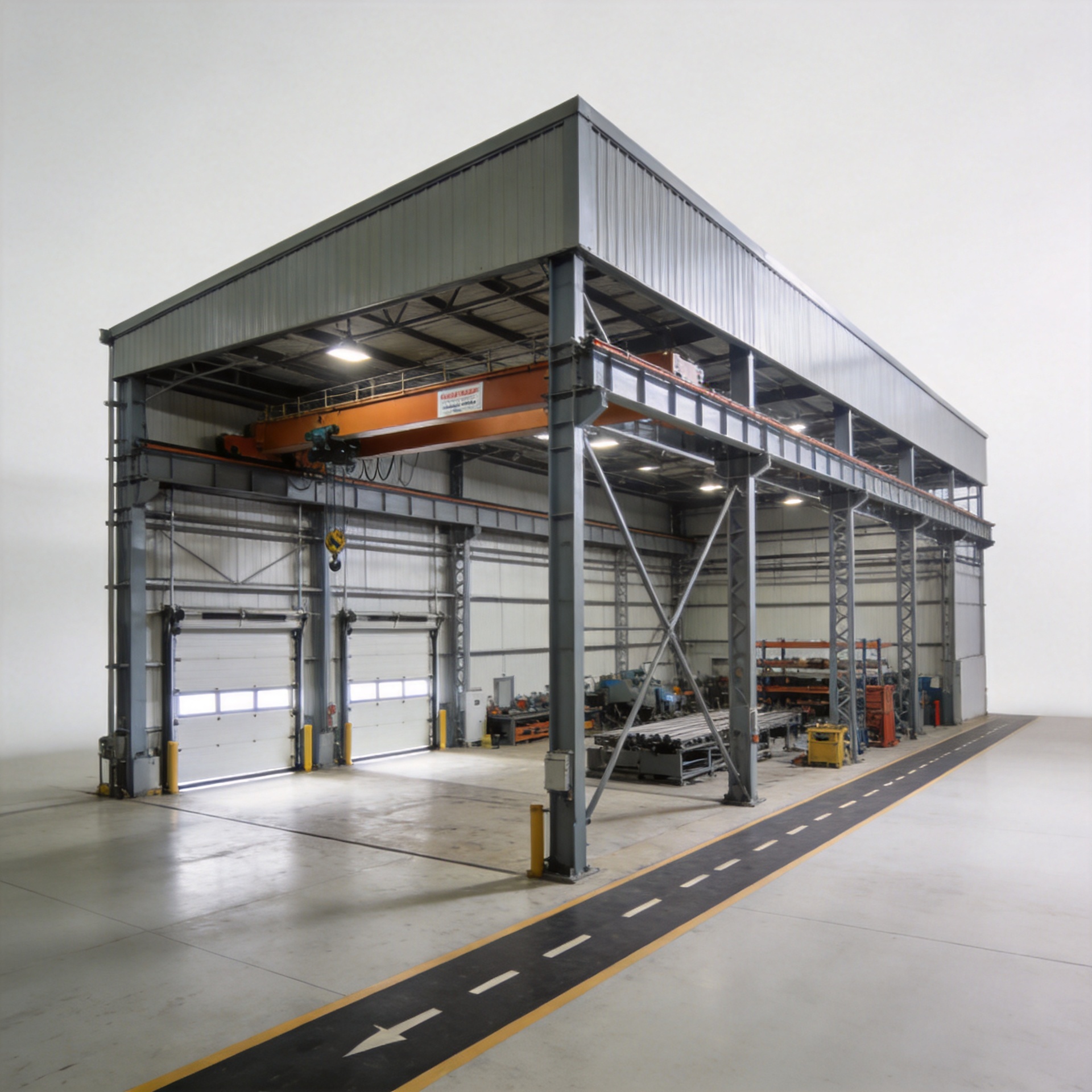
Plan a warehouse workshop steel structure with smarter zoning, flow, clear height, crane, fire, and expansion decisions.
2026/10/26
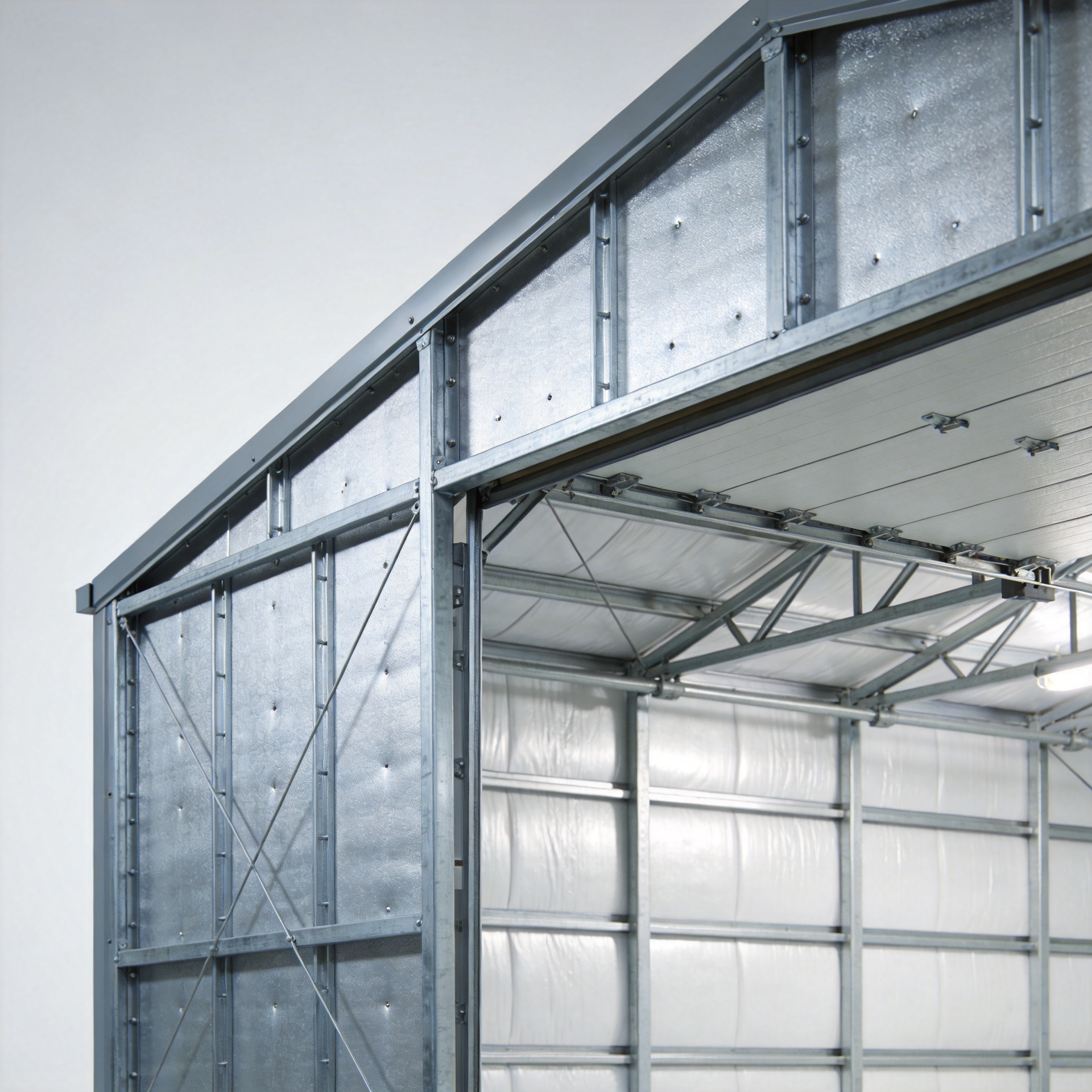
Plan a cold storage steel structure with insulation, vapor control, thermal breaks, refrigeration interfaces and corrosion-ready details.
2026/10/26
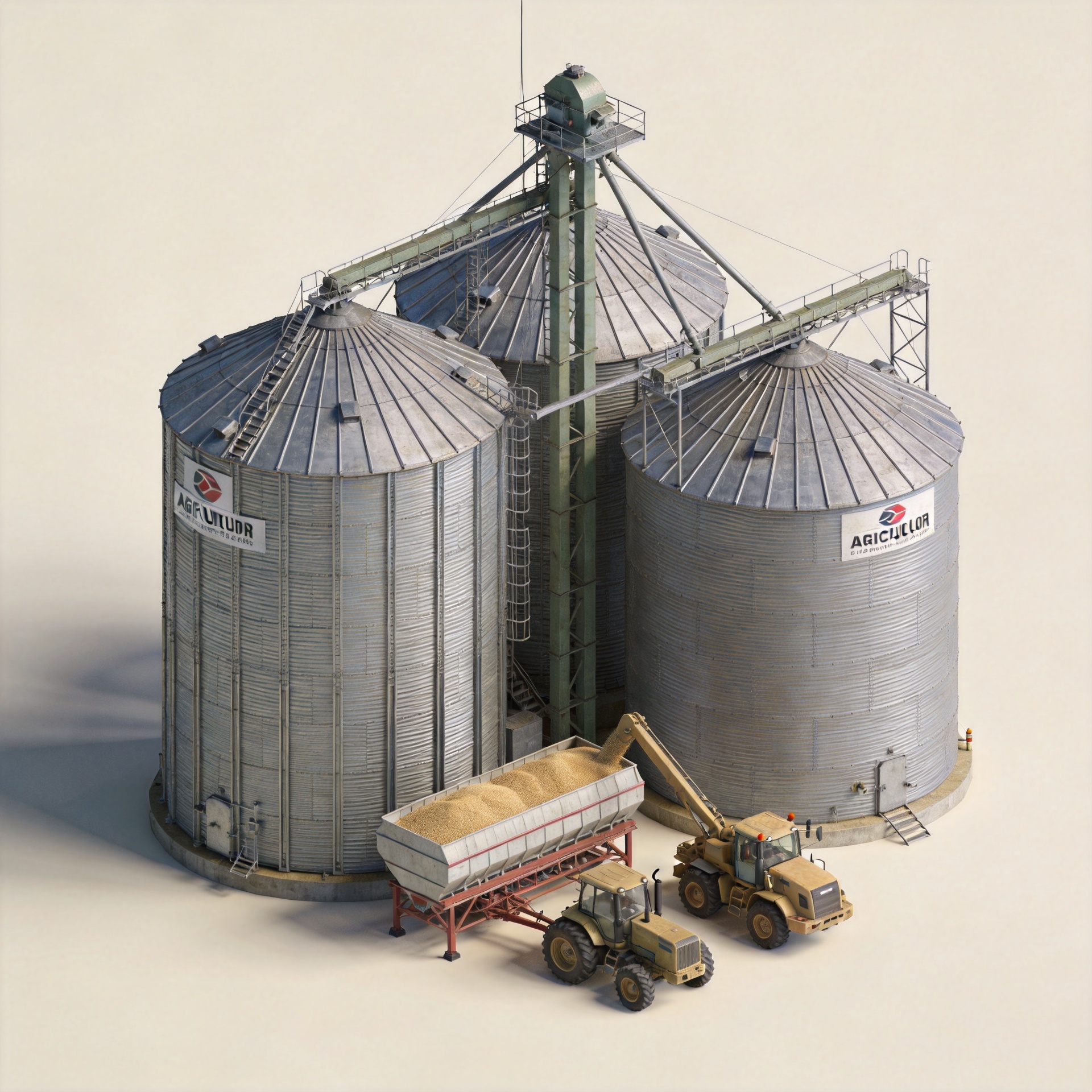
Plan an agricultural steel structure that scales from machinery barn to storage and farm logistics hub with practical design and procurement steps.
2026/10/26
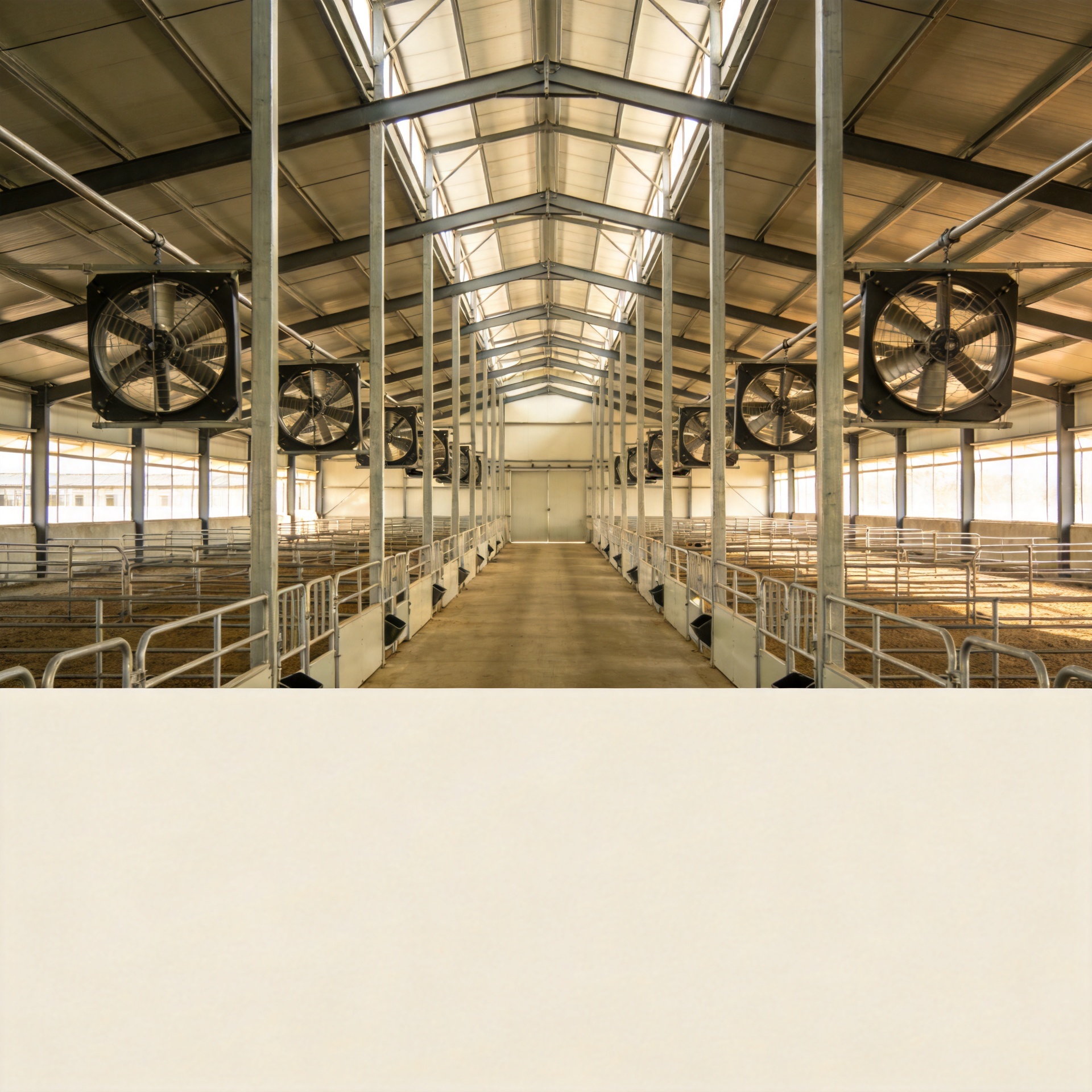
Plan a livestock steel structure for welfare, corrosion resistance, fire considerations, and efficient design-to-delivery decisions.
2026/10/26
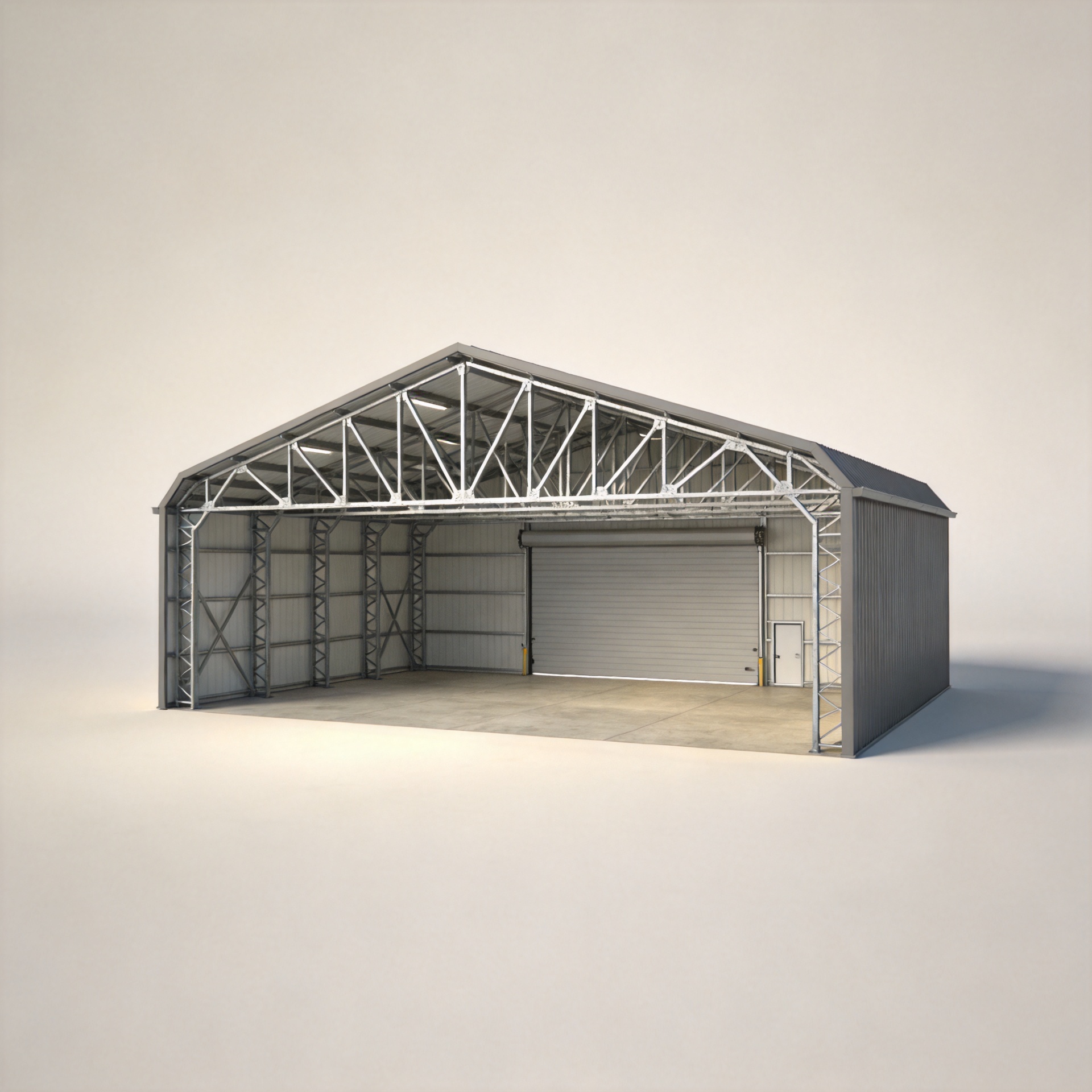
Plan an aircraft steel structure for hangars and support facilities with guidance on loads, corrosion, fire, EN 1090, and delivery milestones.
2026/10/26
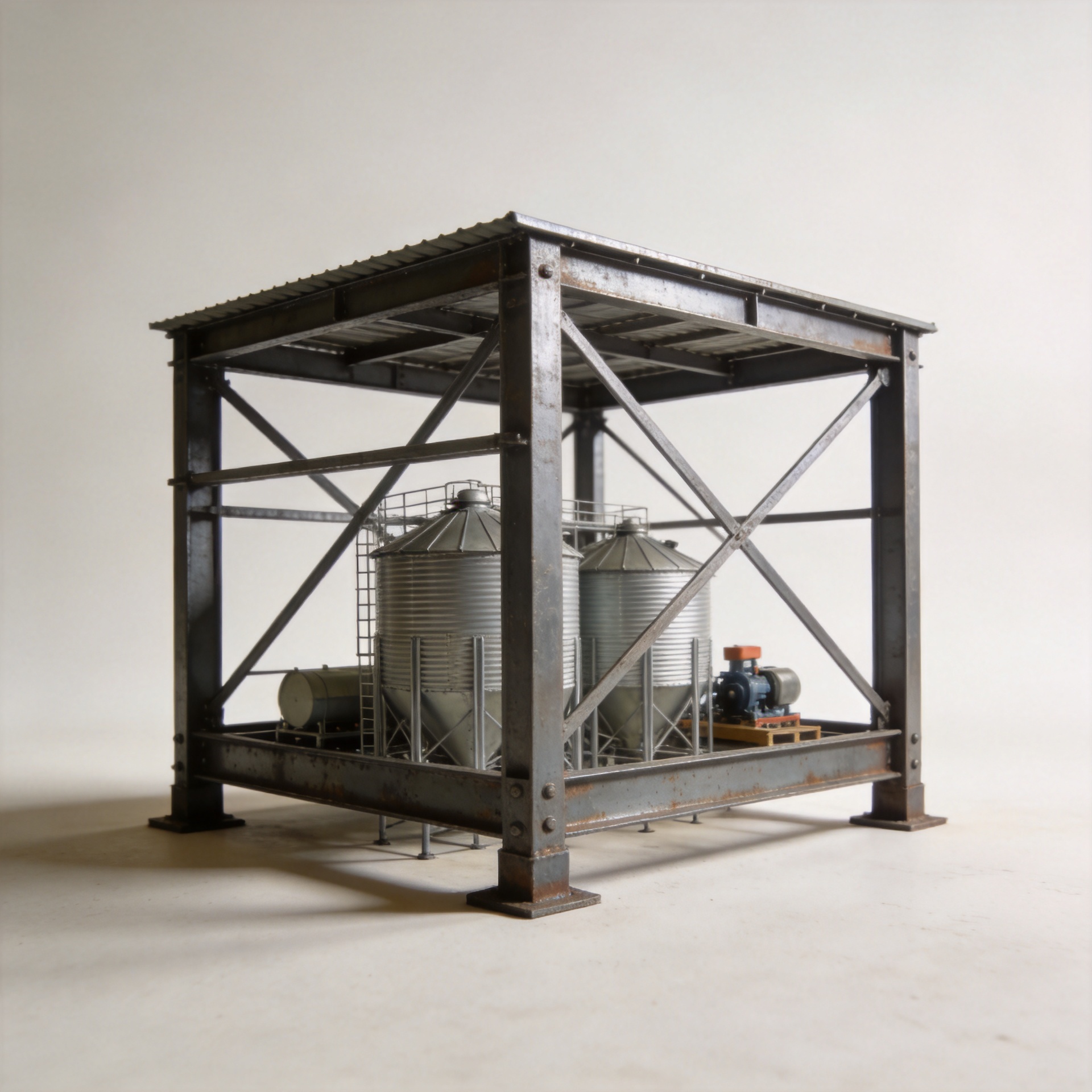
Choose a farm steel structure for agricultural storage with practical guidance on loads, corrosion, compliance, and delivery planning.
