 EN
Warehouse-Workshop Steel Structures: Dual-Use Design
2026/10/26
Plan a warehouse workshop steel structure with smarter zoning, flow, clear height, crane, fire, and expansion decisions.

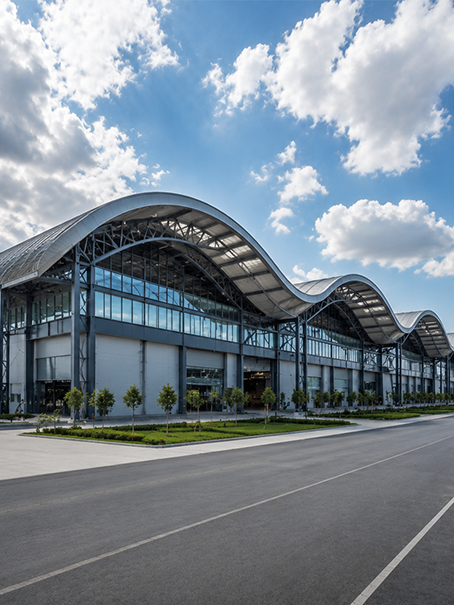
Steel construction is precision manufacturing at industrial scale. Every beam, column, and connection plate fabricated in the workshop becomes a permanent structural component carrying loads for decades. The gap between a building that performs exactly as designed and one that develops problems mid-service life is almost always traceable back to dimensional tolerances and surface treatment decisions made at the fabrication stage — not during on-site assembly. Shenyang Jinnuoda Steel Structure Engineering Co., Ltd. built its entire production philosophy around this reality: steel structure prefabrication quality determines project outcomes long before the first bolt is tightened on site.
Traditional fabrication methods — manual flame cutting, hand welding, brush-applied coatings — introduce variability that compounds as structures scale up. A weld bead that is 2 mm narrower than specified, a cut edge slightly out of square, a coating applied over inadequately prepared steel: each defect seems minor in isolation. But when these imperfections accumulate across hundreds of components in a large industrial facility, the effects on load-bearing capacity, connection integrity, and long-term maintenance costs become measurable and significant. Jinnuoda's founders recognized this decades ago, which is why the company invested in automated precision systems rather than conventional manual processes — even when those systems carried a higher upfront cost.
Jinnuoda's production floor uses fully deployed laser cutting and CNC precision cutting systems as the standard for all structural component preparation. Laser cutting achieves dimensional tolerances within fractions of a millimeter, producing clean, burr-free edges with no heat-affected zone distortion along the cut profile. CNC precision cutting handles heavier plate thicknesses with the same computer-controlled accuracy, eliminating the operator-to-operator variation that makes manual cutting unreliable for precision-fit connections.
The practical outcome is that irregular gusset plates, custom connector tabs, and complex bracket geometries mate accurately with primary structural members during erection — reducing field adjustment time and eliminating tolerance stack-up errors that would otherwise require on-site rework. For large industrial plant projects where thousands of connection points must align simultaneously, this upstream accuracy is the single largest contributor to schedule reliability during installation.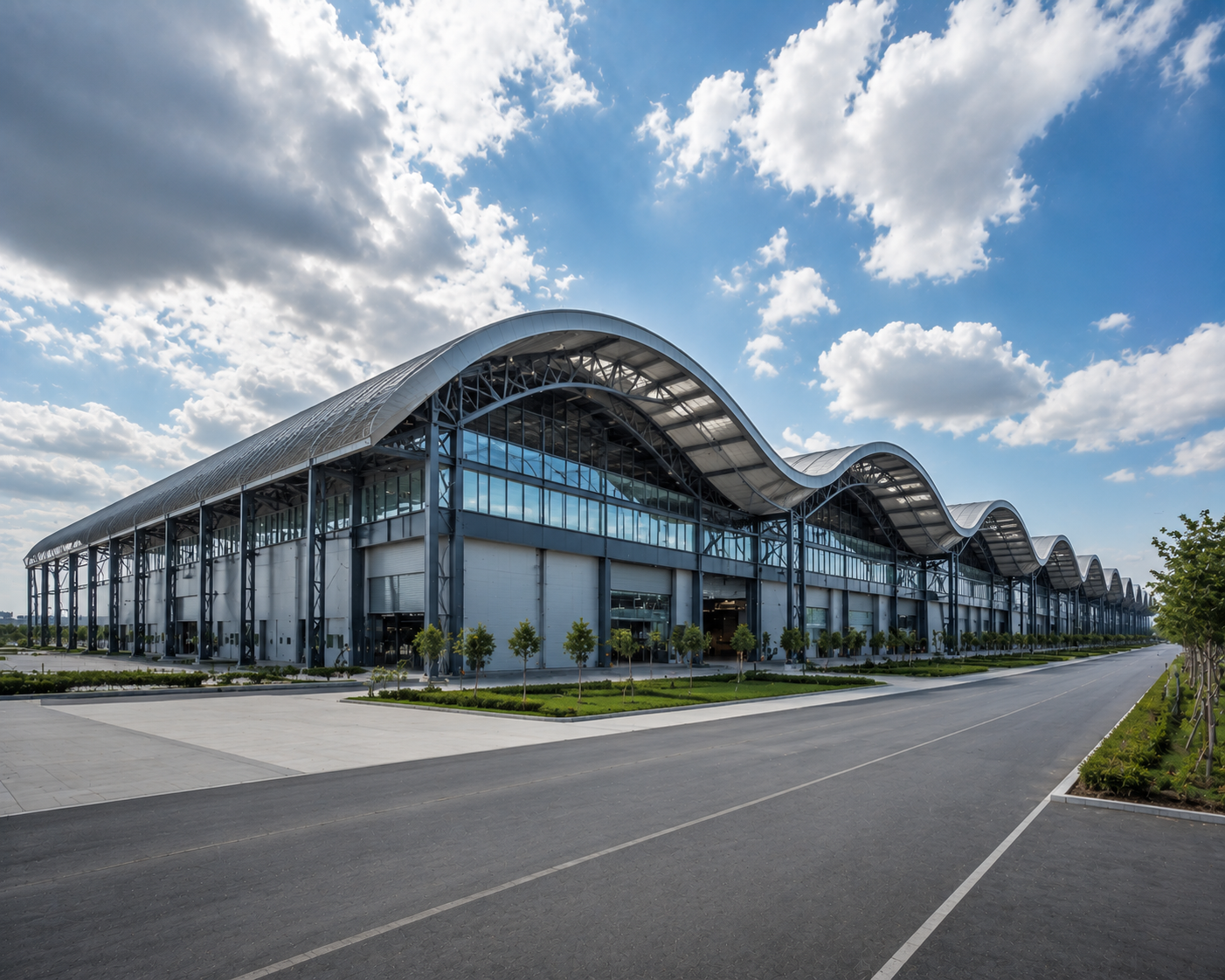
Welds are the load transfer mechanism of any steel structure. A weld that is under-penetrated, contains porosity, or has variable bead width is a hidden liability in the completed structure. Jinnuoda's fabrication workflow uses submerged arc automatic welding and robotic welding systems across all structural connections. These automated systems maintain constant weld width, controlled penetration depth, and consistent bead profile regardless of operator fatigue or ambient conditions.
The result is the elimination of the most common manual welding defects — porosity, slag inclusions, undercut, and cold cracking — that would otherwise concentrate stress at the very joints carrying the highest loads. Industrial fabrication quality at this level translates directly into higher structural reliability and longer service intervals between inspections. Buyers sourcing steel structures for heavy manufacturing plants or logistics facilities gain a meaningful performance advantage when weld quality is standardized rather than variable.
Steel's mechanical properties are exceptional, but its chemical vulnerability is equally well-documented. Unprotected steel in an industrial environment — exposed to moisture, temperature cycling, airborne particulates, and chemical off-gases from production processes — loses cross-sectional area through uniform corrosion and pitting at rates that reduce load-bearing capacity over time. Anti-corrosion treatment is not an optional finishing step in Jinnuoda's production process; it is a designed-in protective system that defines how the structure performs across its entire operational life.
The performance ceiling of any anti-corrosion treatment system is set at the surface preparation stage, not the coating application stage. Jinnuoda subjects all structural components to rigorous shot blasting or wheel blasting before any coating is applied. This process removes mill scale, existing rust, and oil contamination from the steel surface, and creates a controlled surface profile that maximizes mechanical adhesion between the steel substrate and the primer coat.
Applying coatings over a properly blasted surface rather than a mill-finish surface extends the effective service life of the anti-corrosion system by several multiples. Skipping or shortcutting this step is the most common cause of premature coating failure in the field — a failure mode that Jinnuoda's process controls specifically prevent.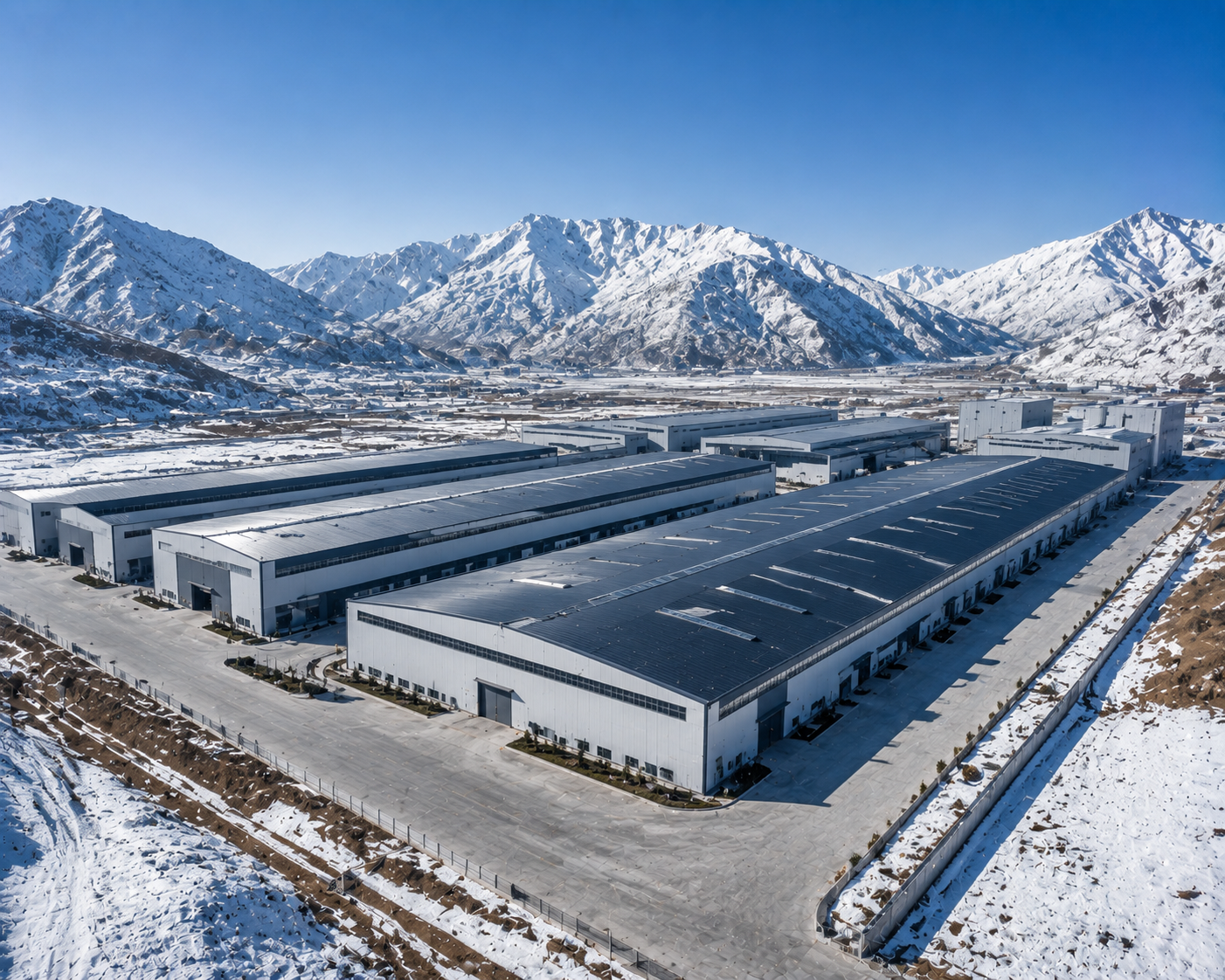
Jinnuoda offers two protection approaches, selected based on the environmental classification of each project. Hot-dip galvanizing immerses fabricated steel components in molten zinc at approximately 450°C, forming a zinc-iron alloy layer that bonds metallurgically to the steel substrate. This layer provides simultaneous barrier protection and cathodic protection — meaning that even where the coating is scratched or damaged, the zinc sacrifices itself rather than allowing the underlying steel to corrode.
For facilities operating in aggressive industrial environments, Jinnuoda specifies a three-stage coating system: zinc-rich primer, epoxy intermediate coat, and polyurethane topcoat. Each layer in this anti-corrosion treatment stack serves a distinct function, and the combined system delivers performance measured in decades rather than years. The choice between hot-dip galvanizing and multi-layer coatings is determined during the pre-production technical review, ensuring that the selected system matches the actual site exposure classification.
Jinnuoda's manufacturing procedures comply with international fabrication standards, and the company holds CE certification — the benchmark confirming that prefabricated steel structure components meet defined safety and performance requirements. Beyond certification, Jinnuoda provides a 2-year quality warranty on all delivered projects, backed by a multi-stage inspection protocol covering incoming material testing, sequential in-process self-inspections, cross-inspections, and final acceptance checks.
Every component that leaves the Jinnuoda production facility has cleared this verification chain. The warranty is not a marketing commitment — it is the downstream expression of industrial fabrication quality standards built into every production stage.
Shenyang Jinnuoda Steel Structure Engineering Co., Ltd. positions itself as a technical consultant throughout the project lifecycle, not purely a fabrication supplier. Before steel structure prefabrication begins, Jinnuoda's engineering team reviews project specifications across three dimensions: geographic wind and snow load requirements to confirm appropriate material grades; operational conditions inside the facility to specify matched anti-corrosion treatment grades; and applicable local and international codes to ensure full compliance. This consultative approach, grounded in the founder's 20-plus years of focused industry experience, helps industrial buyers identify and close the specification gaps that typically surface as cost and performance problems after installation — when corrections are most expensive. Contact Shenyang Jinnuoda to discuss your next industrial facility project and request a preliminary drawing within three business days.
2026/10/26
Plan a warehouse workshop steel structure with smarter zoning, flow, clear height, crane, fire, and expansion decisions.
2026/10/26
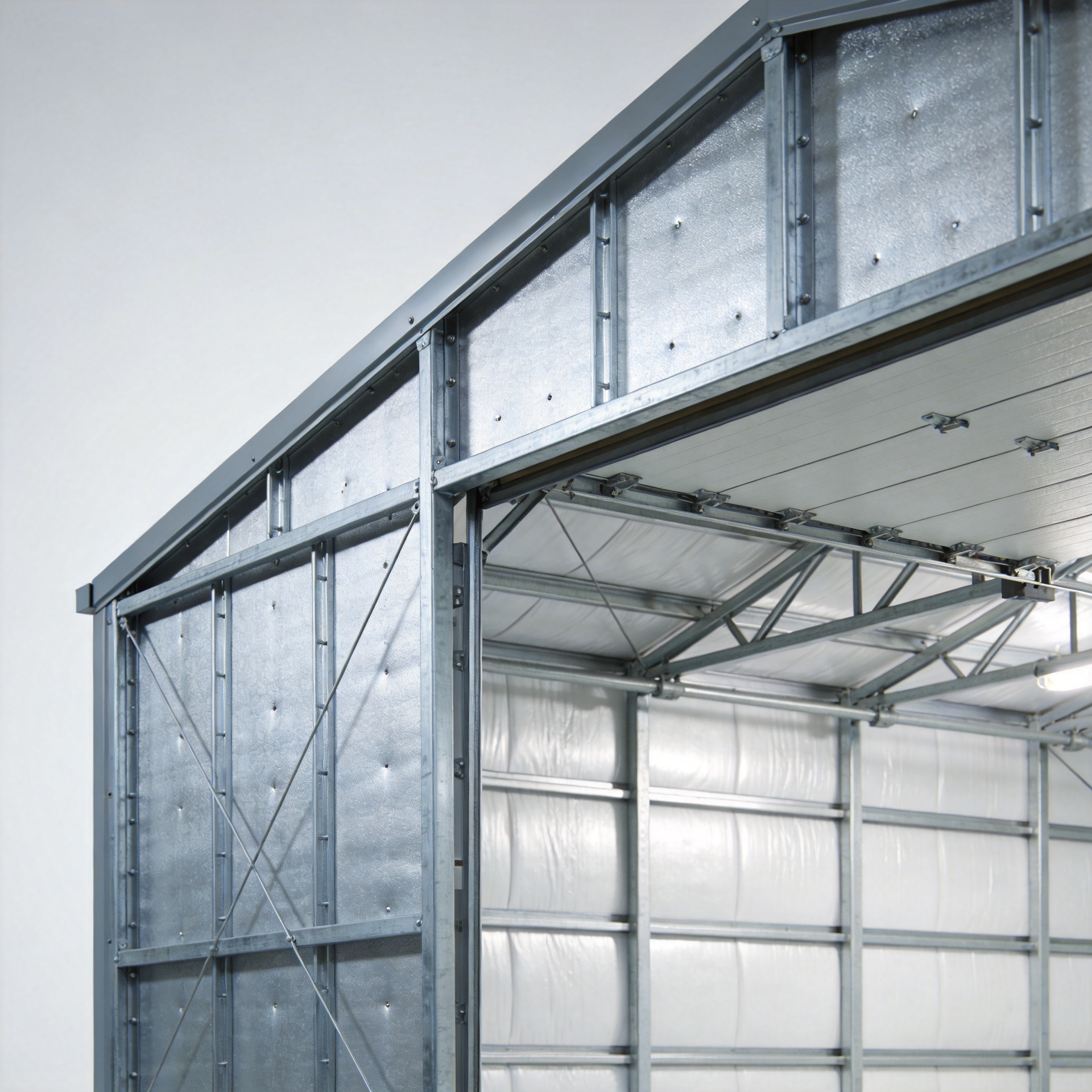
Plan a cold storage steel structure with insulation, vapor control, thermal breaks, refrigeration interfaces and corrosion-ready details.
2026/10/26
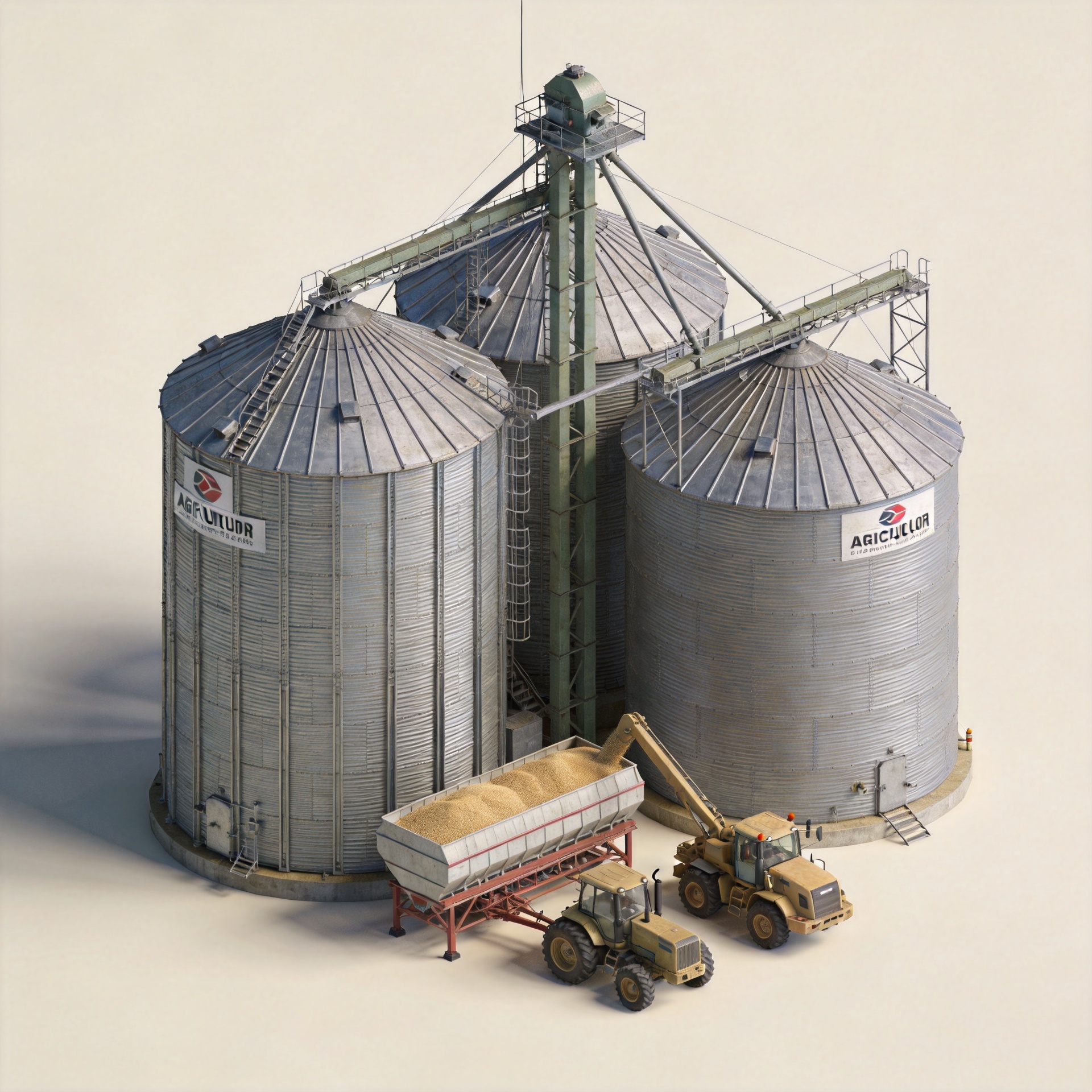
Plan an agricultural steel structure that scales from machinery barn to storage and farm logistics hub with practical design and procurement steps.
2026/10/26
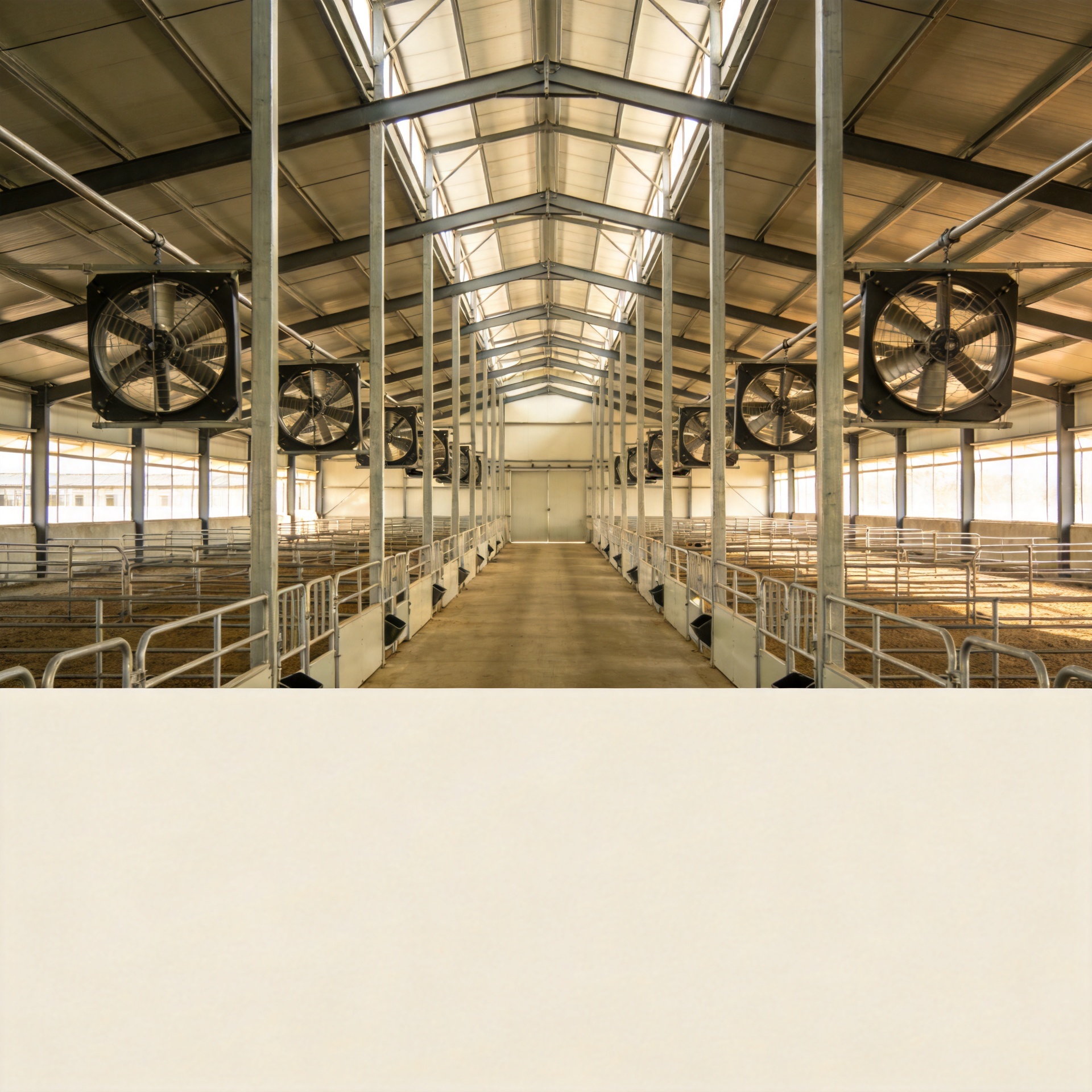
Plan a livestock steel structure for welfare, corrosion resistance, fire considerations, and efficient design-to-delivery decisions.
2026/10/26
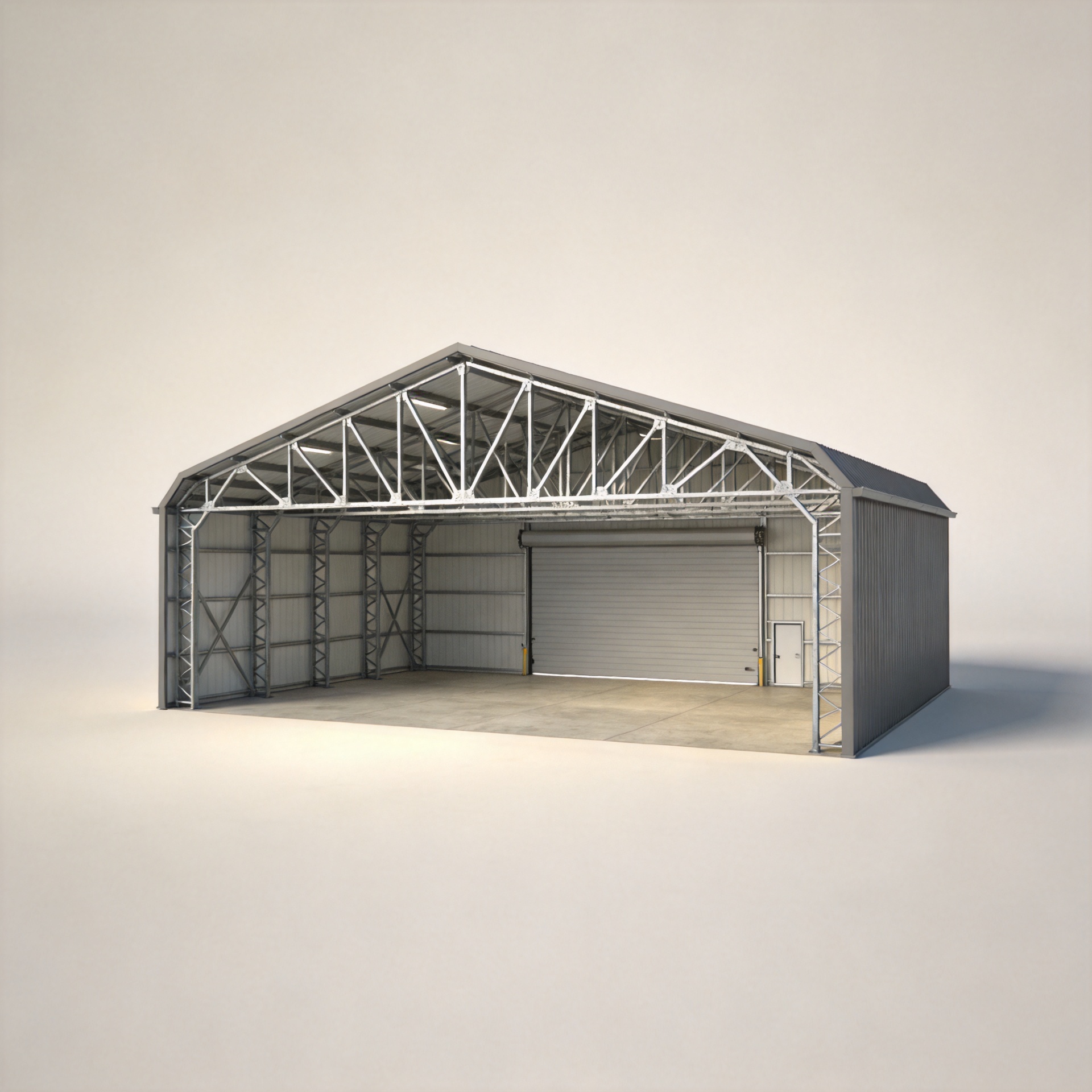
Plan an aircraft steel structure for hangars and support facilities with guidance on loads, corrosion, fire, EN 1090, and delivery milestones.
2026/10/26
Choose a farm steel structure for agricultural storage with practical guidance on loads, corrosion, compliance, and delivery planning.
