 EN
Warehouse-Workshop Steel Structures: Dual-Use Design
2026/10/26
Plan a warehouse workshop steel structure with smarter zoning, flow, clear height, crane, fire, and expansion decisions.

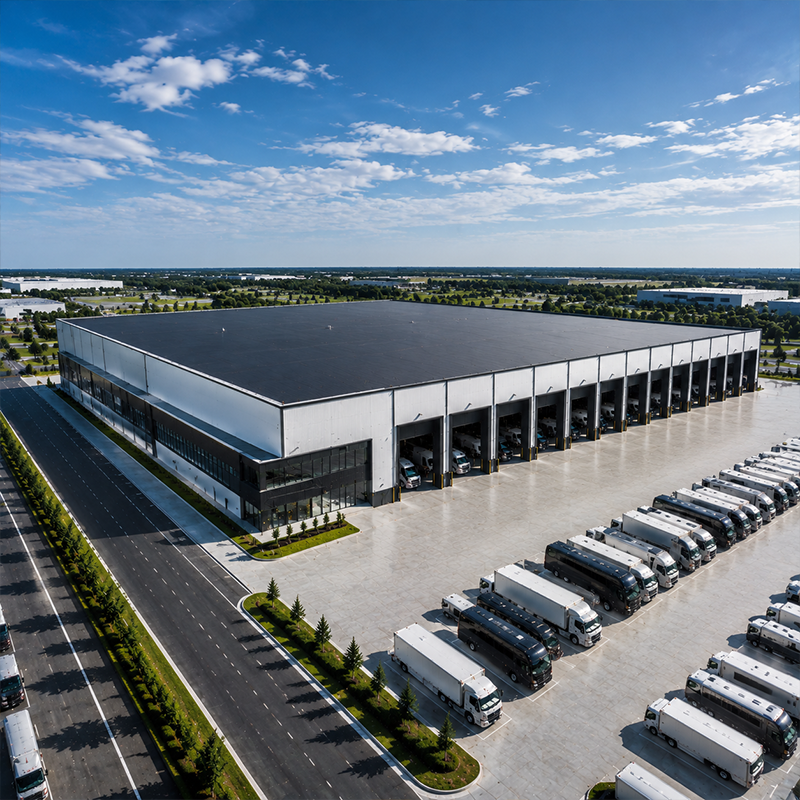
Precision machine tools need a stable, level foundation. CNC mills and lathes hold tolerances measured in microns, so floor deflection under a moving gantry or a loaded forklift translates directly into scrap parts. A reinforced concrete slab with isolated footings under each machine base controls settlement. Survey grids should confirm flatness within a few millimeters across the bay before equipment is anchored. Vibration from neighboring presses or road traffic is damped by mass and isolation pads. Treating the floor as a structural partner, not just a surface, protects accuracy over the life of the building. For any machining workshop, this foundation work precedes equipment purchase because re-leveling after settlement is far costlier than building it right the first time.
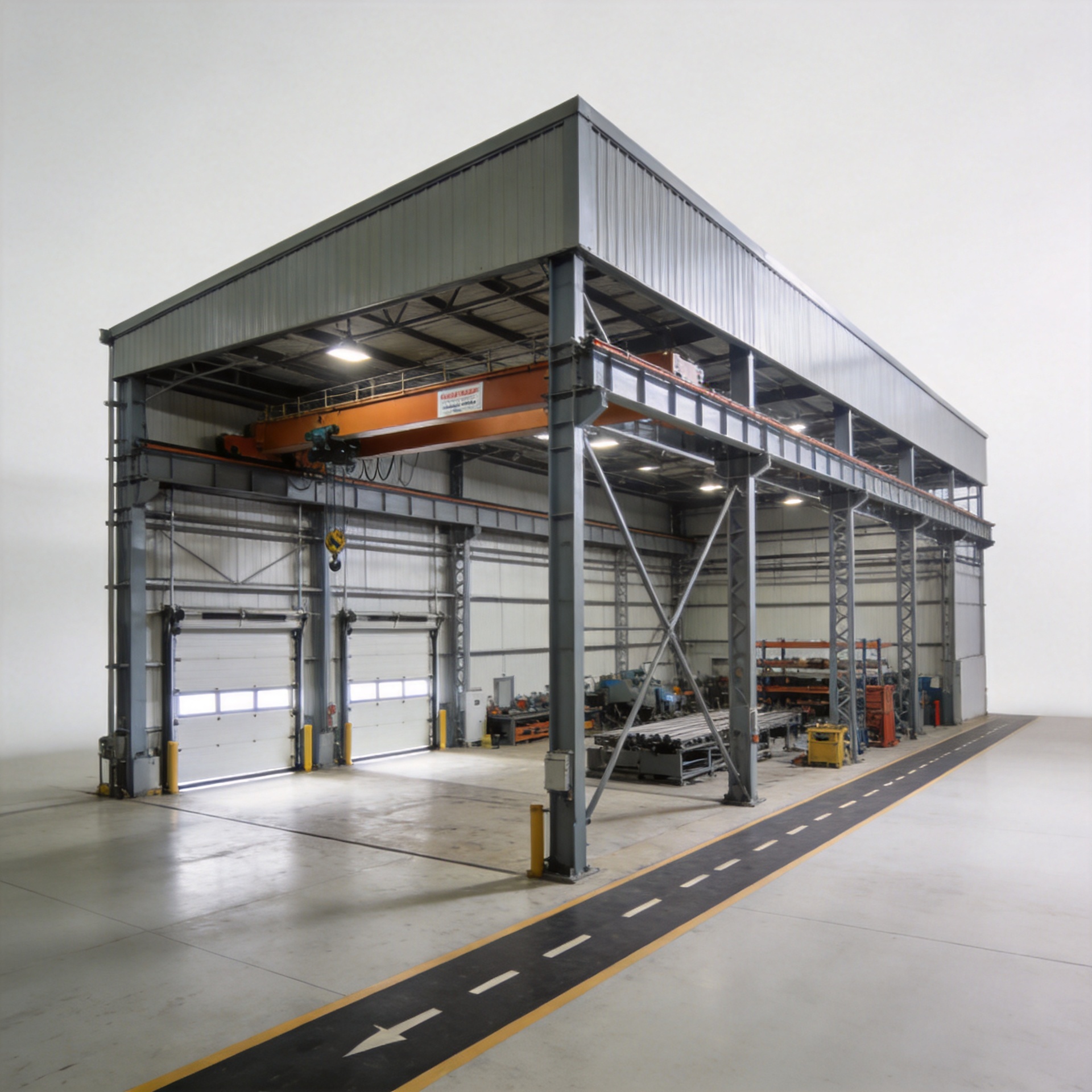
A machine shop handles stock that arrives as multi-ton plates and leaves as assembled frames. An overhead crane sized to the heaviest single lift keeps handling inside the bay instead of relying on outdoor mobile cranes. Runway beams connect to the portal frame, so the steel structure carries the load path from hook to foundation without local bending. Span coverage should reach every machine cell and the loading dock. Twin-hook trolleys help with long workpieces, and a mezzanine storage level above the aisles reduces floor congestion while keeping the crane clear. In a machining workshop that runs several shifts, a reliable lift path also keeps night crews moving without waiting on external equipment.
Metal cutting draws heavy, often unbalanced electrical load. Spindle drives, hydraulic pumps and coolant systems each need dedicated circuits sized for inrush current, not just running watts. Routing conduit along the truss and purlin lines keeps cabling off the floor where chips and forklifts travel. Machine spacing follows a simple rule: enough room to swing a part, change a tool and walk a safe path. A clear-span interior without intermediate columns gives layout freedom as product mix changes. A machining workshop that plans power for peak draw avoids nuisance trips that scrap a half-finished part.
A modern cnc workshop centers on programmable cutting, and the real cost is often the coolant and the swarf it carries. Flood coolant cools the tool and flushes chips, but it also spreads mist that coats floors and sensors. Centralized coolant filtration with tramp-oil removal extends fluid life and protects air quality. Chips should drop to conveyor troughs and move to a segregated bin rather than piling under the machine. Closed-loop systems cut purchase and disposal volume. Even a compact machining workshop benefits when chips are handled at the source rather than swept at shift end.
A real example comes from a mechanical equipment plant in Shenyang that expanded from manual cutting to CNC lines. The original floor had no isolated footings, so a 20-ton planer mill drifted out of tolerance within a season and rejected roughly one in twelve housings. The rebuild added machine-specific footings, a centralized coolant loop and chip conveyors tied to the crane aisle. Scrap fell below two percent and the second shift ran without waiting on outdoor lifts. The same envelope later received a bolt-on extension for a new turning cell.
Grinding, deburring and sawing release fine metal dust that settles on rails and electronics. Natural ventilation through ridge vents plus local exhaust at each station keeps the air within occupational limits. A steel workshop benefits from claddings and liners that wipe clean, since oily film attracts more dust. In colder climates, make-up air must be balanced so exhaust fans do not pull heat from the work zone. Dust control protects bearing life and reduces fire risk from combustible fines. Air management is part of machine reliability, not a separate concern.
The envelope starts with a portal frame of Q355B steel, chosen for strength at the section weights a machining workshop needs. Galvanized C and Z purlins span the rafters and carry the cladding without intermediate supports. Wall and roof panels use 150 mm PIR insulation so the bay stays workable in heat or cold while the exterior resists corrosion. A glass flake coating on exposed members adds protection in humid plants. Prefabricated truss and bracket connections arrive bolt-ready, which speeds erection and keeps field welding to a minimum. A pre-engineered building (PEB) approach also simplifies future bay extensions.
A prefabricated steel shell shortens the build and limits weather risk. Fabrication under ISO 9001 control, with welding qualified to ISO 3834 and execution to EN 1090, gives a traceable record for every connection. High-strength 10.9S bolts deliver the full-bolted joints that speed build and simplify future modification. CE marking supports entry into European projects. For any machining workshop, the certificate package is the document buyers should keep with the as-built drawings.
A machining workshop is a long-lived capital asset, so the least expensive shell is rarely the lowest cost over ten years. Inspect the slab design, crane runway alignment and the certificate package before signing. Ask how coolant and chips will be handled, and whether the layout leaves room to add a second machine line. Confirm the steel grade and coating system match the local climate and process fluids. A machine shop that supports accuracy, safety and expansion pays back through uptime and fewer retrofits. For any cnc workshop, this lifecycle view is the only rational basis for a purchase decision.
Frequently Asked Questions
Question
What floor flatness is required for a machine shop with CNC mills?
Answer: Precision CNC mills hold tolerances in microns, so the slab must stay within a few millimeters of level across the bay. Isolated footings under each machine base stop localized settlement, while mass and isolation pads damp vibration from presses or traffic. Survey the grid before anchoring equipment, and re-check after heavy loads move in. A level, stable floor protects accuracy and cuts scrap over the building's life. In a cnc workshop, the slab is part of the machine tool, not just the floor beneath it.
Question
How is an overhead crane capacity chosen for heavy steel parts?
Answer: Crane capacity follows the heaviest single lift, not the average part. Runway beams tie into the portal frame so the load path runs from hook to foundation without local bending. Coverage should reach every machine cell and the loading dock, with twin hooks for long workpieces. Sizing the crane for peak demand avoids bottlenecks when a large order arrives. A clear lift path keeps both day and night crews moving safely. In a machining workshop handling heavy castings, crane capacity declared late is the most common cause of expensive redesign.
Question
Which coolant and chip system keeps a metal-cutting bay clean?
Answer: A machining workshop stays productive when chips are handled at the source instead of swept at shift end. Flood coolant cools the tool yet spreads mist, so central filtration with tramp-oil removal extends fluid life and protects air. Chips drop to conveyors and a segregated bin, and closed-loop systems cut purchase and disposal volume. Good housekeeping here separates a clean fabrication line from a hazardous, slip-prone floor. In any steel workshop running continuous cutting, coolant management is a production issue, not a janitorial one.
Question
Why do fabrication standards like EN 1090 matter for a steel building?
Answer: Fabrication under ISO 9001 control, welding to ISO 3834 and execution to EN 1090 gives a traceable record for every joint. High-strength 10.9S bolts deliver full-bolted connections that speed erection and ease later changes. CE marking supports European projects. Specifying these standards up front turns a custom shell into a documented, inspectable asset rather than a one-off structure with unknown safety margins and no audit trail. For a machine shop or cnc workshop, this documentation also protects resale and insurance value.
Question
When should power and ventilation be planned in a new workshop build?
Answer: Power and ventilation belong in the design brief, not a later retrofit. Heavy spindle and hydraulic loads need circuits sized for inrush current, routed along truss lines off the floor. Dust from grinding needs local exhaust plus ridge ventilation to stay within limits. Planning both early avoids shutdowns, protects bearings and keeps the work zone comfortable. Late additions cost more and disrupt an operating bay. In a machining workshop or steel workshop, power and ventilation are structural planning decisions, not electrical afterthoughts.
2026/10/26
Plan a warehouse workshop steel structure with smarter zoning, flow, clear height, crane, fire, and expansion decisions.
2026/10/26
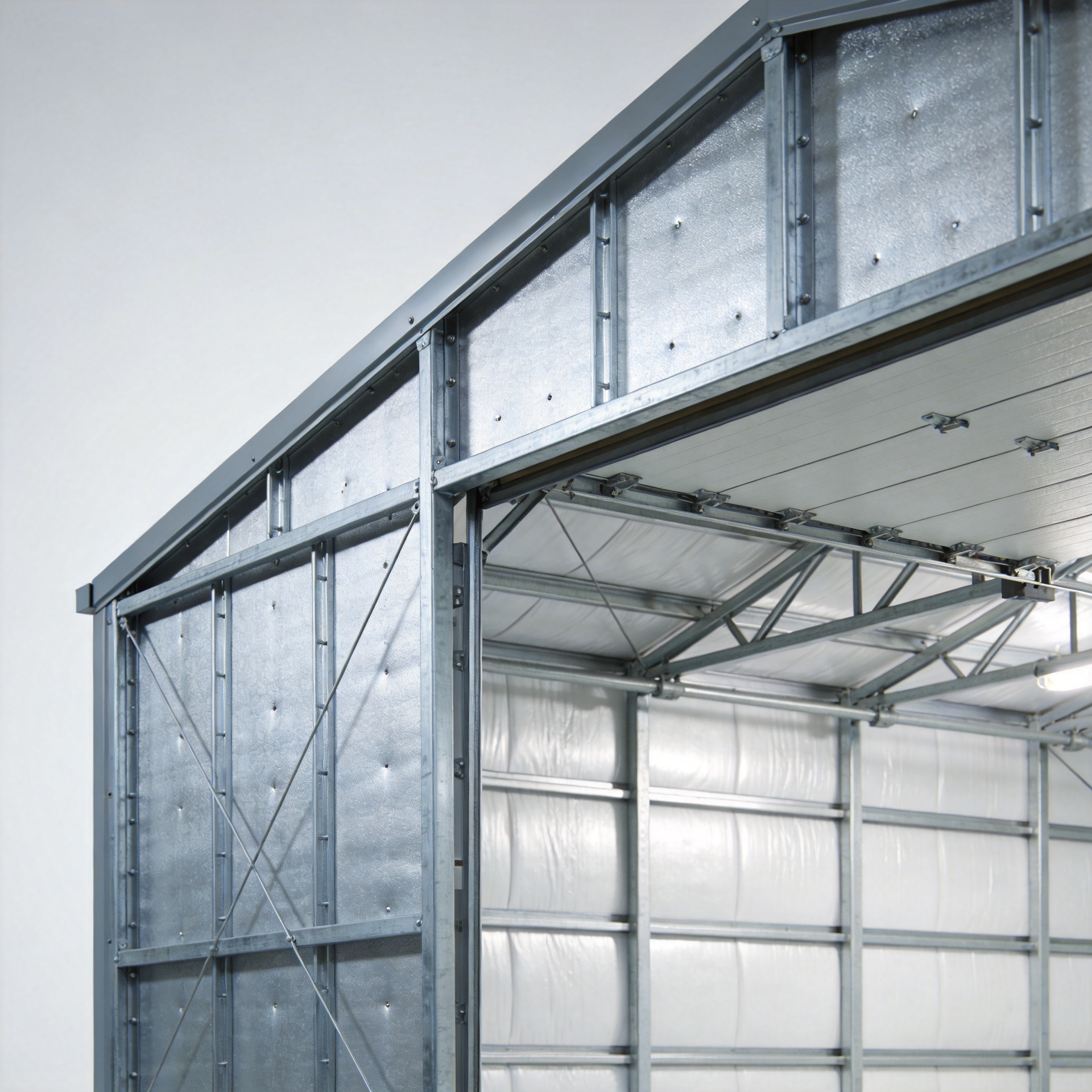
Plan a cold storage steel structure with insulation, vapor control, thermal breaks, refrigeration interfaces and corrosion-ready details.
2026/10/26
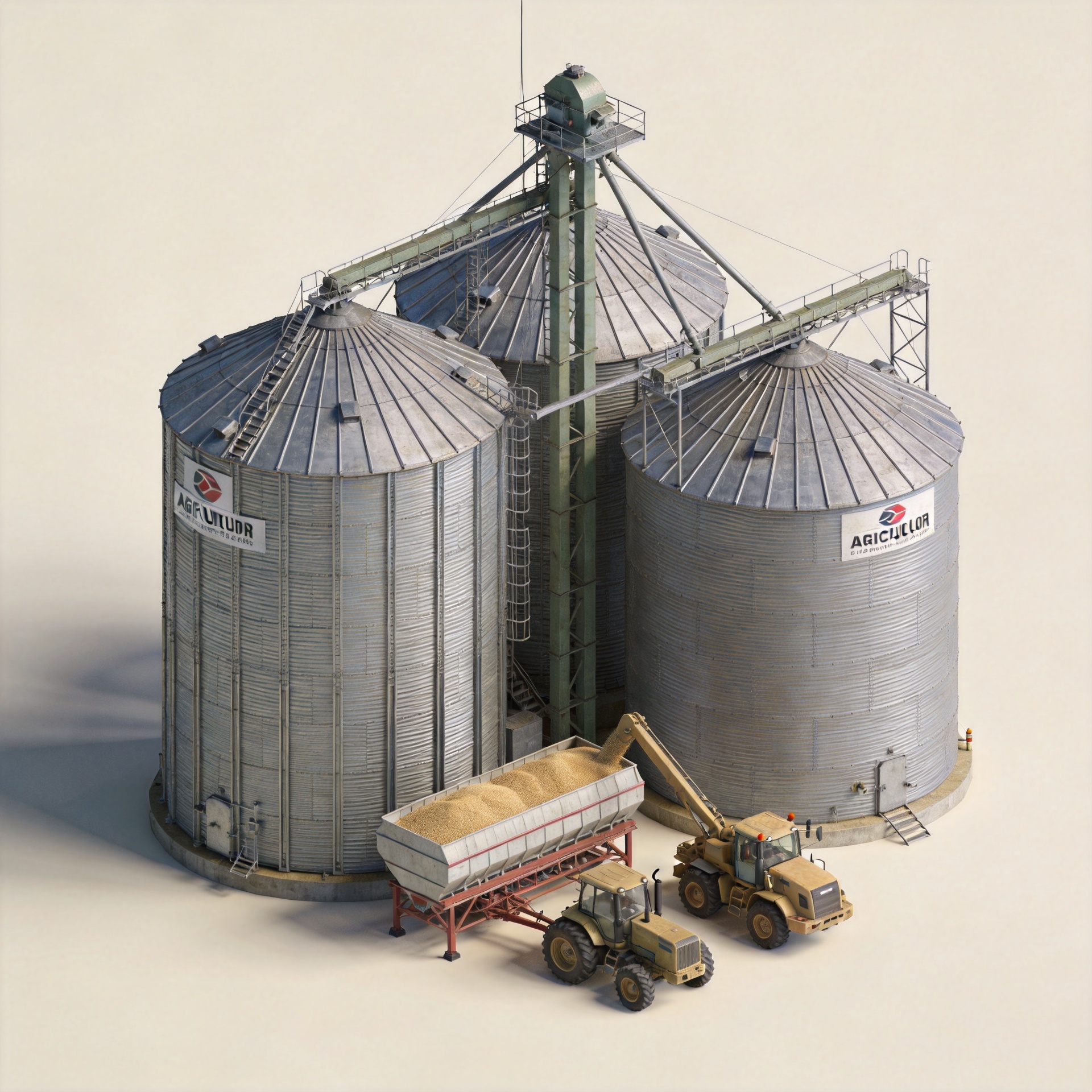
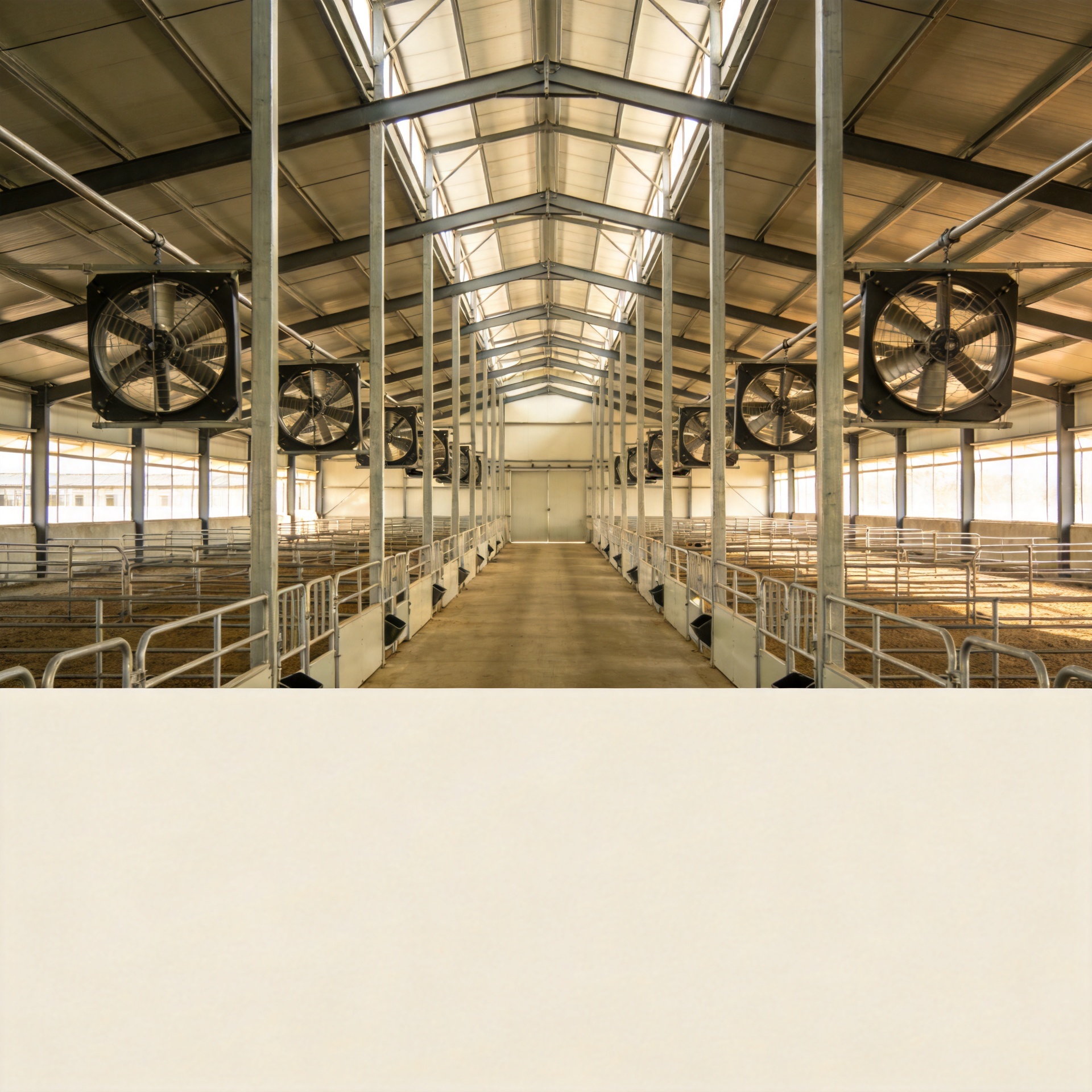
Plan an agricultural steel structure that scales from machinery barn to storage and farm logistics hub with practical design and procurement steps.
2026/10/26
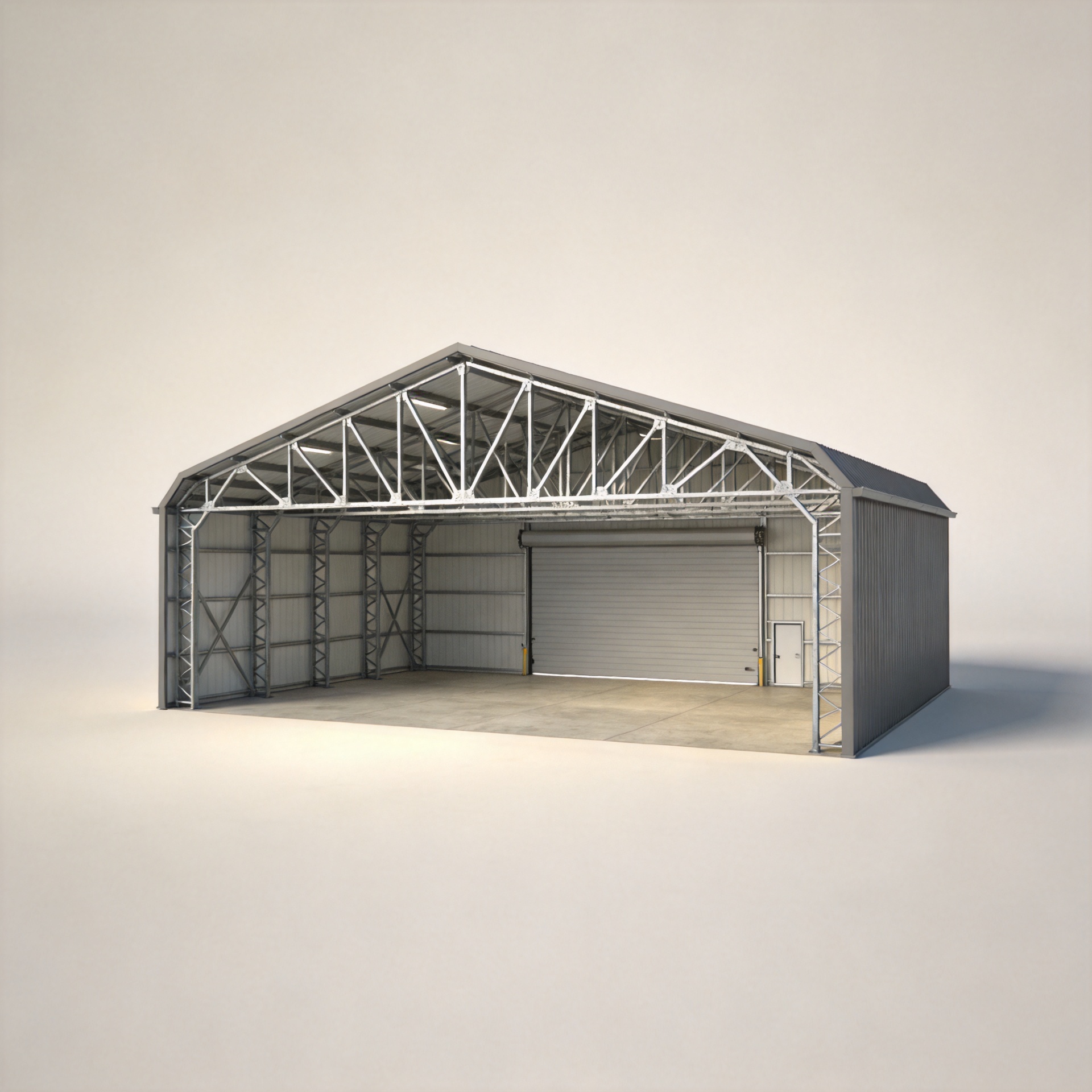
Plan a livestock steel structure for welfare, corrosion resistance, fire considerations, and efficient design-to-delivery decisions.
2026/10/26
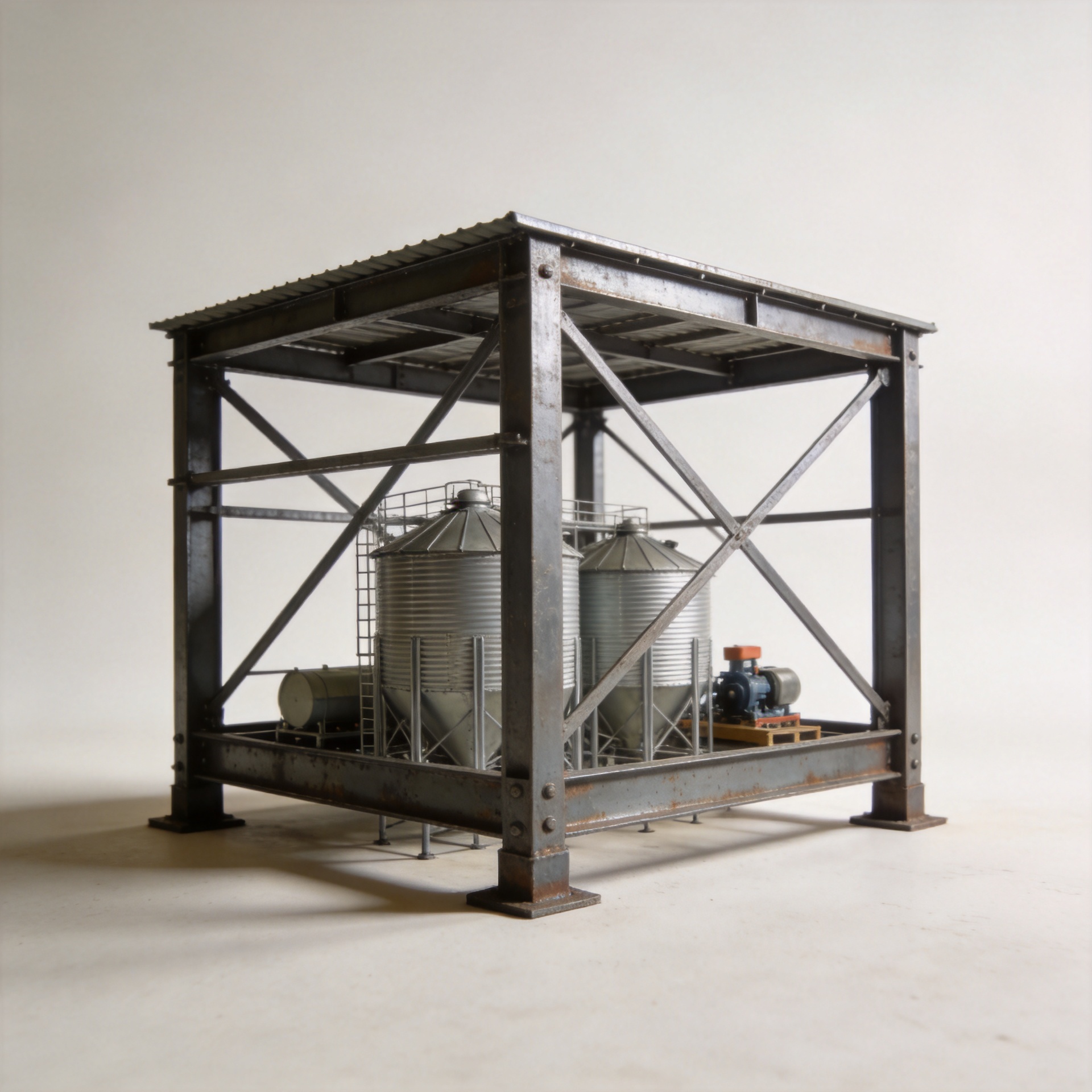
Plan an aircraft steel structure for hangars and support facilities with guidance on loads, corrosion, fire, EN 1090, and delivery milestones.
2026/10/26
Choose a farm steel structure for agricultural storage with practical guidance on loads, corrosion, compliance, and delivery planning.
