 EN
Warehouse-Workshop Steel Structures: Dual-Use Design
2026/10/26
Plan a warehouse workshop steel structure with smarter zoning, flow, clear height, crane, fire, and expansion decisions.

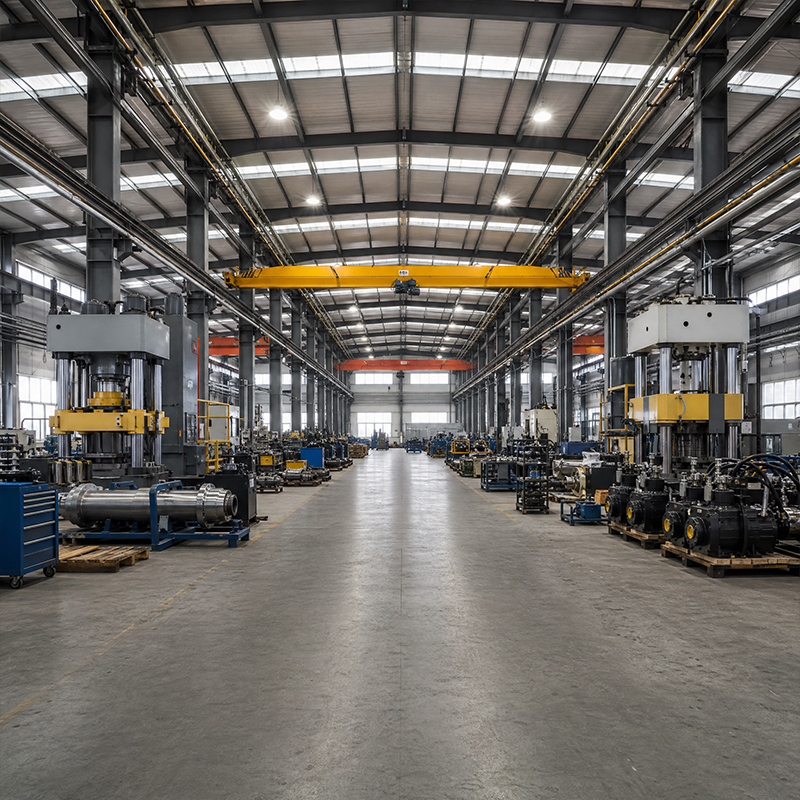
Defining Load Paths Before the Frame Goes Up
Every machine workshop frame begins with a load map. Roof snow, wind suction, crane surge, and machine reaction forces each travel a different route to the foundation. A portal frame transfers roof and wall loads through rafters and columns into the footing, while a cast-in-place plinth carries machine reactions. Mixing these paths without coordination produces local overstress that shows up as cracked welds or leaning columns years later. Good practice separates the building frame from the equipment foundation so each is detailed for its own demand. Finite element analysis confirms deflection limits before steel is cut, protecting both the envelope and the production machinery above the slab.
A machine workshop benefits from open floor because production lines change faster than the building does. Clear span framing removes interior columns, letting planners relocate presses and assembly cells without structural redesign. Multi-bay layouts lower steel weight and cost for very large footprints but introduce columns that complicate machine layout. The choice depends on span, crane capacity, and future flexibility. For heavy equipment bays, a clear span up to sixty meters keeps the floor free for runway beams and future expansion. A pre-engineered building system supports both schemes with bolted connections that speed erection on remote sites.
The crane runway inside a machine workshop is the dedicated beam line that carries the hoist and its load along the bay. Monorail systems suit linear transfer of parts between stations and are light, cheap, and easy to mount under an existing roof. Top-running cranes ride on a pair of runway beams at high level, covering the full width and lifting heavier loads. Selecting between them depends on tonnage, hook coverage, and building height. Where the workshop handles frequent heavy lifts, a top-running crane runway on its own bracket columns avoids loading the main frame with moving hoist reactions that cause fatigue.
Runway performance lives or dies by alignment. Misaligned rails force the crane wheel to fight the beam, raising wheel loads and wearing both rail and bracket. Detailing must fix rail clamps, allow thermal expansion, and keep the bracket stiff enough to limit deflection under the lifted load. EN 1090 execution standards and ISO 3834 welding quality govern how these brackets are fabricated and joined, because a failed runway bracket can drop a load onto the factory floor below. Regular survey of rail gauge and level keeps the system safe and protects equipment and personnel beneath it.
The factory floor is the quiet hero of any equipment building. It receives point loads from machine feet, forklift traffic, and dropped tools, so slab thickness and reinforcement must match the duty. A typical industrial slab sits on a compacted subbase with steel mesh or fibre reinforcement, but presses and stamping lines need thickened pits and local rebar to resist punching. Ground-bearing design considers soil bearing, joint spacing, and future anchor points. Specifying the slab together with the steel frame prevents conflicts between column bases and machine foundations that otherwise force costly late changes on site.
Machining accuracy depends on a still floor. A modern machine workshop often houses both presses and precision lines, so conflicting needs must be balanced. Spindle machines and measuring arms lose tolerance when vibration travels through the slab from nearby presses. Isolation can be passive, using stiffened sub-bases and rubber mounts, or active, using tuned mass dampers for sensitive lines. The structural design should predict natural frequencies of the slab and avoid resonance with operating equipment. Coordinate this early with the steel frame layout so runway beams and machine pits do not amplify movement. A disciplined approach to vibration protects product quality and extends the life of precision tools.
Steel grade sets the margin against fatigue and overload. Q355B offers a reliable yield for most frames, while Q355D adds low-temperature toughness for cold climates, and Q420B delivers higher strength where weight or slender members matter. Z-direction steel such as Q355B-Z35 resists lamellar tearing at heavy welded joints subjected to through-thickness stress. Choosing the grade follows the local climate, crane duty, and seismic demand rather than a single default. Every machine workshop gains from matching grade to duty rather than accepting a supplier default. AISC and MBMA guidance confirm member sizing, and documented mill certificates give the buyer traceability from order to finished beam.
Corrosion quietly robs a machine workshop of strength. Hot-dip galvanizing protects members in damp or chemical environments, while glass flake coating shields aggressive process areas. Connections matter as much as the steel: 10.9S high-strength bolts with full bolting keep joints tight under repeated crane surge and machine vibration, simplifying future inspection and replacement. ISO 9001 controlled fabrication and EN 1090 execution ensure holes line up and surfaces are prepared correctly. A clear maintenance plan for coating and bolting lets owners budget upkeep and avoid unexpected shutdowns of the production line.
A well-planned machine workshop treats the frame, crane runway, and factory floor as one coordinated system. Early load mapping, the right steel grade, and disciplined fabrication under recognized standards turn a steel shell into a dependable production asset. Buyers should request mill certificates, execution class, and a slab specification matched to their equipment before committing the order.
What load factors matter most in a machine workshop?
Answer: Such a building must resist roof, wind, crane surge, and concentrated machine reactions at once. Designers combine these with load factors from AISC or EN 1991 so the frame and slab share demand safely. Ignoring moving crane loads or point loads from presses leads to overstress and early cracking. Coordinating all load cases before fabrication keeps the structure serviceable and protects production equipment throughout the building's operating life.
How is a crane runway supported inside the steel frame?
Answer: A crane runway typically runs on bracket columns or dedicated runway beams fixed to the main frame. Bracket-supported systems keep hoist reactions off the roof rafters, reducing fatigue in primary members. Rail clamps, expansion gaps, and stiff brackets control deflection and allow thermal movement. Fabrication under EN 1090 and welding per ISO 3834 keeps joints reliable under repeated lifting. Proper support detailing extends service life and protects the factory floor and personnel working beneath the moving load.
Which slab thickness suits heavy press equipment?
Answer: Heavy presses need more than a standard industrial slab. A typical factory floor of 150 to 200 millimeters handles forklift traffic, but stamping and forming lines require thickened pits, local rebar, and sometimes pile support. Soil bearing, joint spacing, and future anchor points all influence the design. Specifying the slab with the steel frame avoids clashes between column bases and machine foundations. Early coordination prevents costly on-site rework and keeps the production line on schedule.
Why does steel grade affect workshop durability?
Answer: Steel grade sets yield strength and toughness against fatigue and climate. Q355B suits most frames, Q355D adds low-temperature toughness, and Q420B raises strength where slender members help. Z-direction steel resists lamellar tearing at heavy welded joints. Selecting grade by duty, temperature, and seismic demand avoids premature cracking. Mill certificates give traceability, and documented choices let owners verify the structure matches the specification throughout the building's service life under moving loads.
How should the factory floor be maintained over time?
Answer: Routine floor care starts with a joint and crack survey twice a year, since water and process fluid entering the slab speed reinforcement corrosion. Keep drains clear and avoid standing liquid on the factory floor. Reapply surface hardener where forklift wear shows, and check machine anchor bolts for loosening under vibration. A documented upkeep plan helps budget repairs and prevents unplanned downtime that halts production.
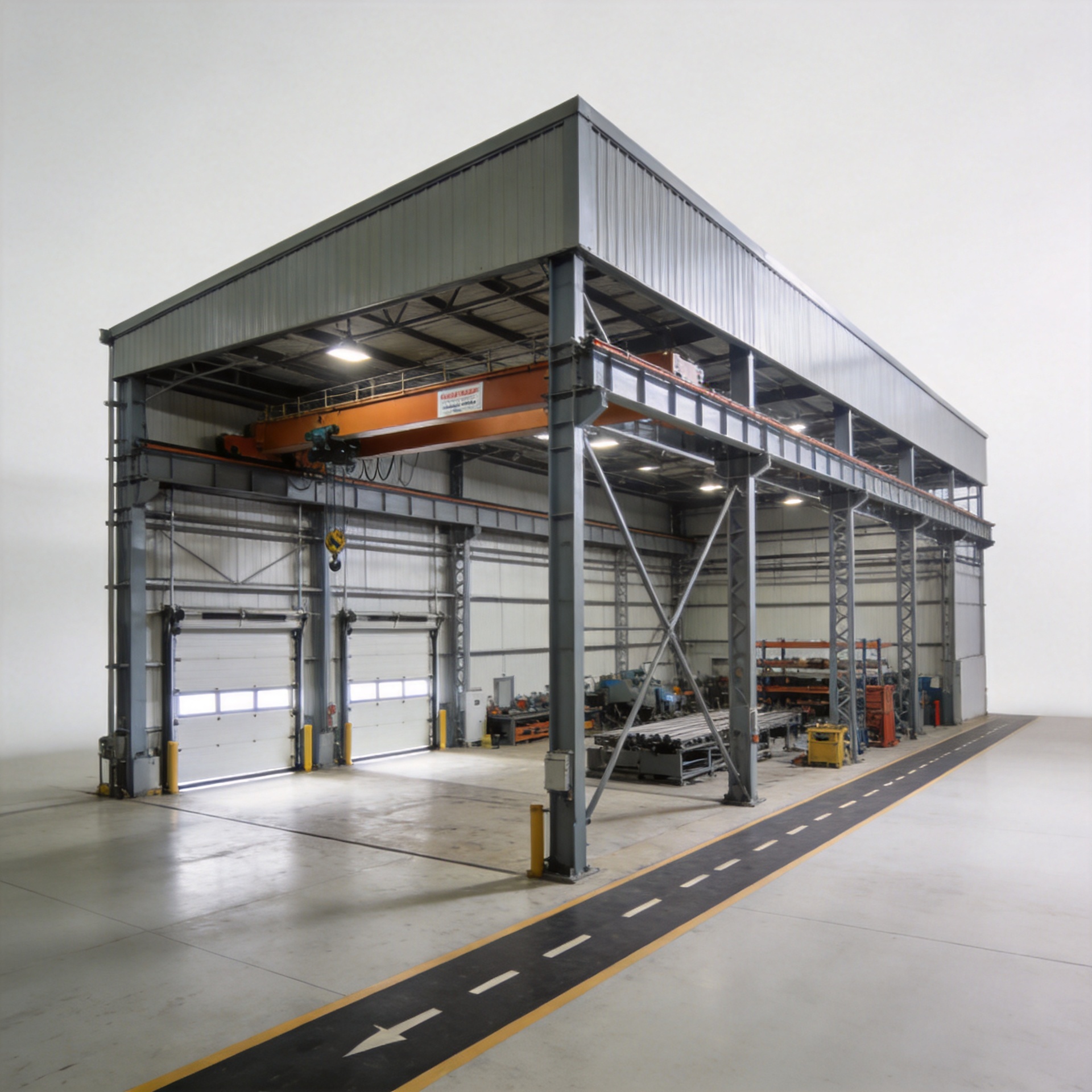
2026/10/26
Plan a warehouse workshop steel structure with smarter zoning, flow, clear height, crane, fire, and expansion decisions.
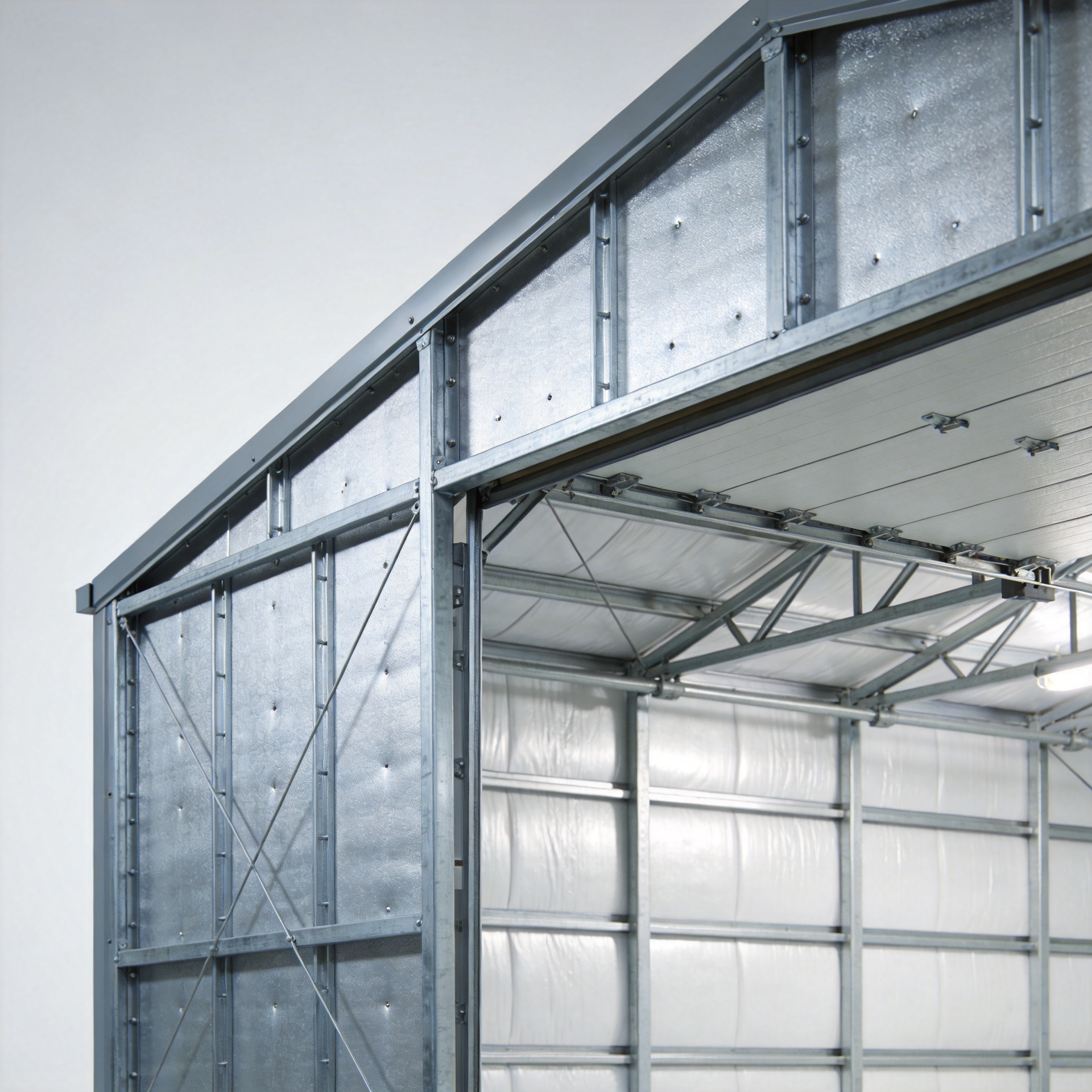
2026/10/26
Plan a cold storage steel structure with insulation, vapor control, thermal breaks, refrigeration interfaces and corrosion-ready details.
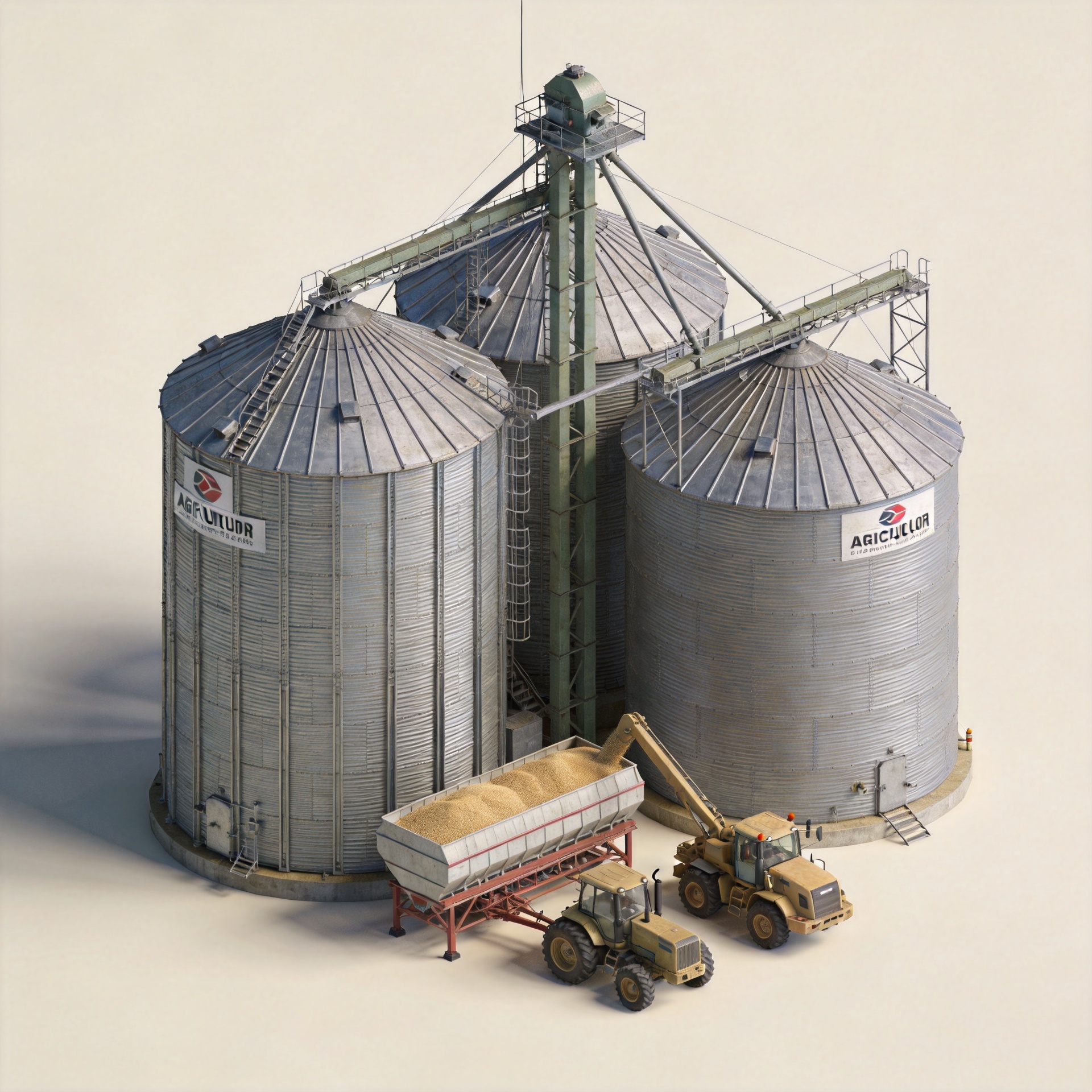
2026/10/26
Plan an agricultural steel structure that scales from machinery barn to storage and farm logistics hub with practical design and procurement steps.
2026/10/26
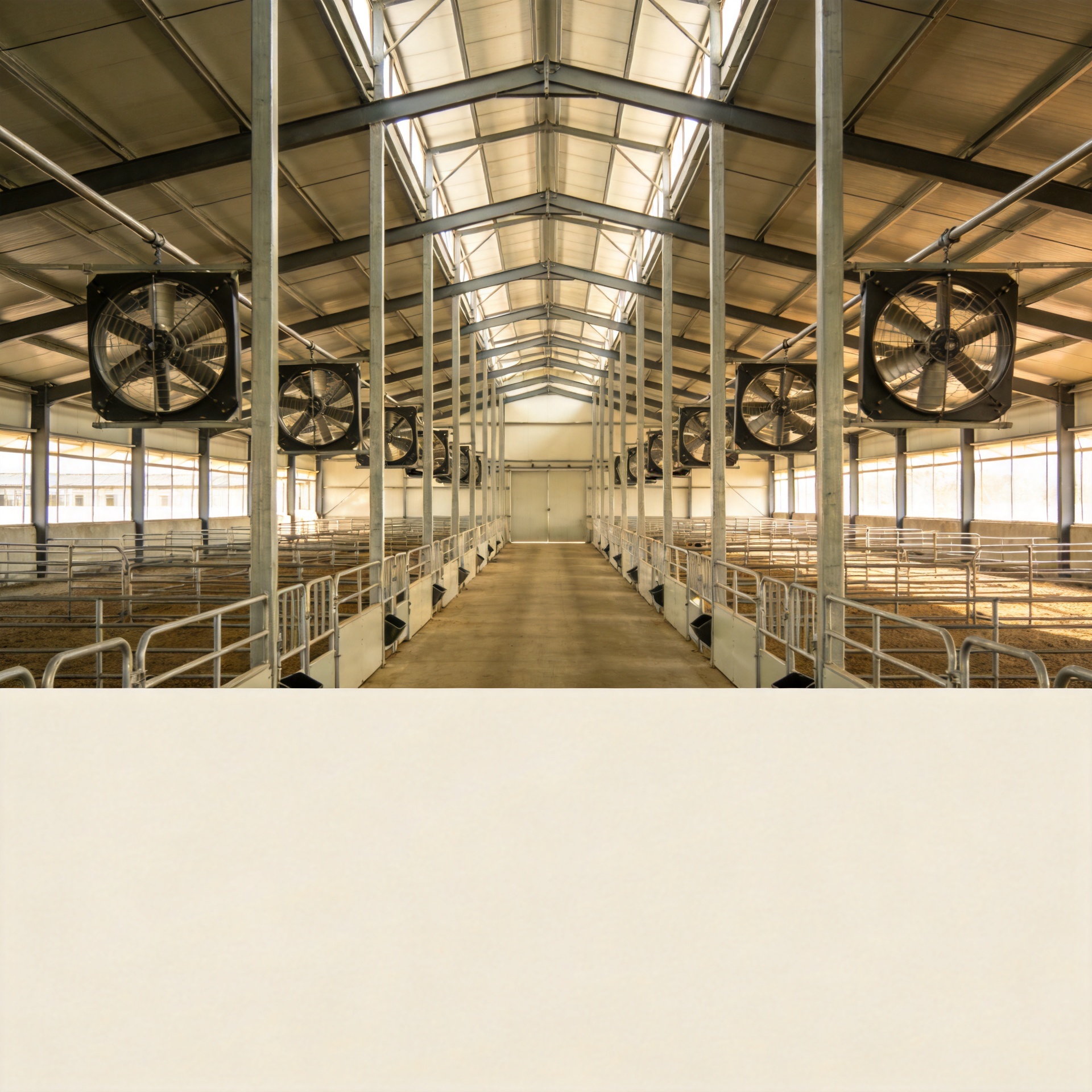
Plan a livestock steel structure for welfare, corrosion resistance, fire considerations, and efficient design-to-delivery decisions.
2026/10/26
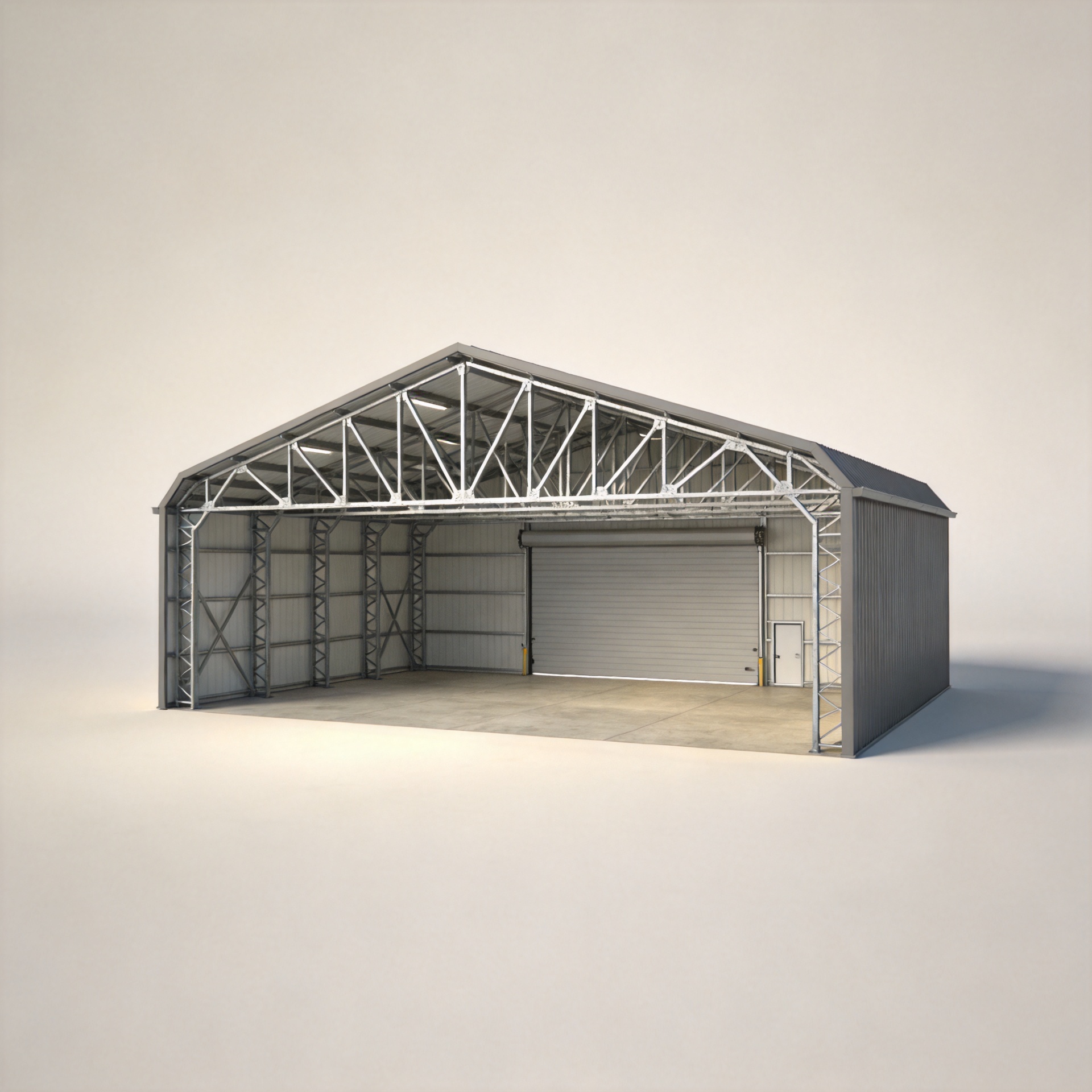
Plan an aircraft steel structure for hangars and support facilities with guidance on loads, corrosion, fire, EN 1090, and delivery milestones.
2026/10/26
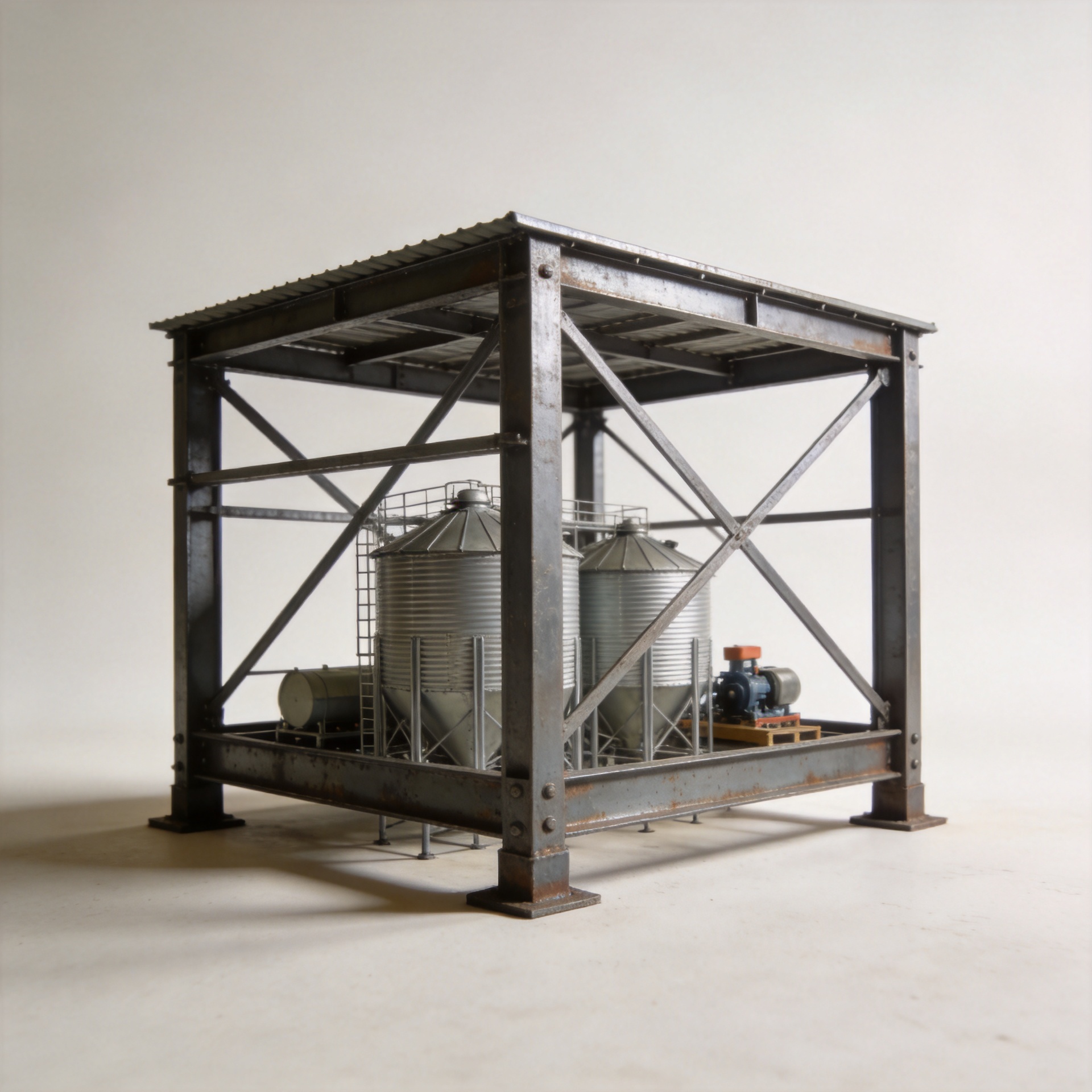
Choose a farm steel structure for agricultural storage with practical guidance on loads, corrosion, compliance, and delivery planning.
