 EN
Warehouse-Workshop Steel Structures: Dual-Use Design
2026/10/26
Plan a warehouse workshop steel structure with smarter zoning, flow, clear height, crane, fire, and expansion decisions.

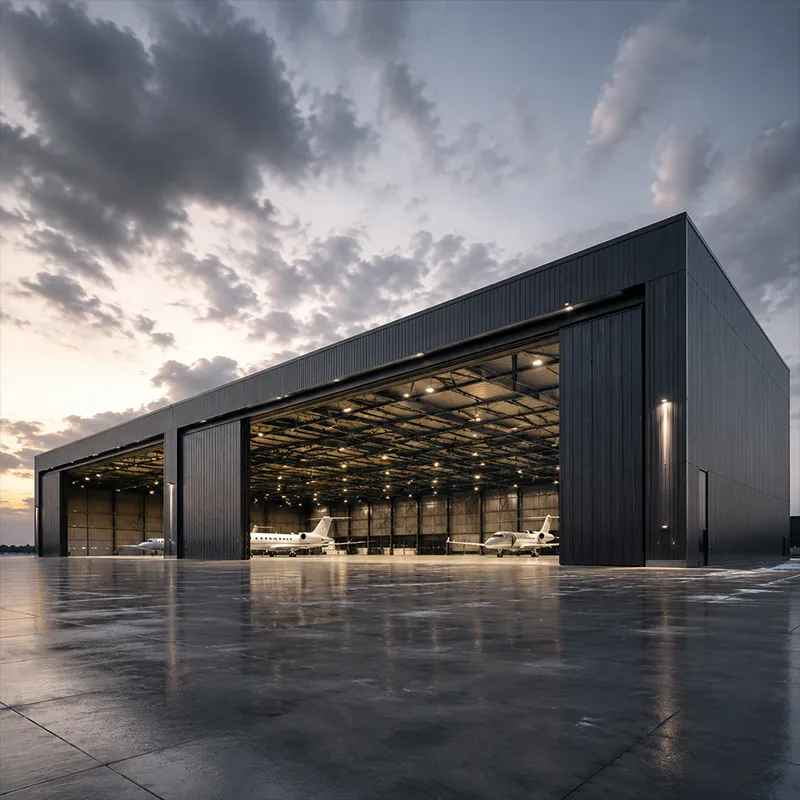
Industrial buyers rarely see the frame as the product, yet it decides how a plant works. A steel frame structure turns a bare site into a working factory faster than expected, because components are cut, drilled, and welded in a shop, then bolted up on site. The frame shape sets how wide the floor opens, where cranes run, and how easily the building grows. Good early decisions on grid, loads, and connections save money during fabrication and erection.
A steel frame structure performs well only when its bay spacing matches the process inside. Wide 9 to 12 m bays suit racking and open assembly; tighter 6 to 7.5 m grids suit mezzanines and light lines. Portal frames with clear spans up to 60 m remove interior columns so forklifts move without obstruction. Shenyang Jinnuoda lays out the grid from the client's equipment plan, not a catalogue, because a grid that fits the process costs less to serve than one that merely looks regular.
On a steel frame structure, column reactions drive both member size and footing design. Column loads combine dead weight, live load, crane thrust, and wind along the building length. Undersizing forces thicker plates later; oversizing wastes steel and crane time. A load model shows where Q355B or Q420B sections earn their cost and where a standard grade is enough. Matching grade to actual stress, not one grade everywhere, is how an experienced fabricator controls cost.
A steel frame structure with an isolated runway keeps the envelope calm during heavy lifts. The runway carries moving wheel loads a roof never sees, so it deserves its own calculation. Rail alignment, bracket stiffness, and spacing control sway and wheel wear. A dedicated runway girder, braced to the main frames, keeps dynamic loads off cladding and purlins. Shenyang Jinnuoda ships runways cut by CNC and welded by robots, keeping rail seats consistent and cutting on-site grinding.
When the runway is isolated, a future capacity upgrade seldom disturbs the roof. The owner can change the hoist or widen the lane without re-certifying the building. That separation is a paper decision that pays back when production needs more lift than planned.
On a steel frame structure, braces do the quiet work of moving sway to the ground. Lateral sway comes from crane braking, wind, and uneven stacking. Cross bracing in walls and a roof diaphragm transfer those forces to the foundation. Too little lets the frame rack; too much adds steel with no payoff. AISC and MBMA guidance sizes diagonal members so the steel frame stays stable without overweight sections.
For this kind of steel frame structure, the bolt-and-weld mix sets cost and schedule. Most frames use 10.9S high-strength bolts for field joints and welds for shop work. Bolting speeds erection and allows disassembly; welding gives clean lines where access is tight. Full-bolted connections let crews raise a pre-engineered building with cranes and wrenches, cutting labor and weather risk. The mix is a schedule call as much as a structural one.
Bolt tension matters more than count. Specified 10.9S bolts must reach the right preload so the joint carries shear without slip. A fabricator who drills and ships marked assemblies removes field guesswork and keeps the connection honest under load.
Welding quality decides how long a frame serves under crane vibration. EN 1090 sets the execution class for CE marking; ISO 3834 defines the welding management behind it. Robotic welding and inspected seams reduce lamellar tearing in Q355B-Z35 plates used where through-thickness stress would split the steel. ISO 9001 governs the wider process so each steel structure leaves documented, traceable to its mill certificate.
Buyers outside Europe still benefit, because these standards describe disciplined shop practice. A fabricator working to EN 1090 controls fit-up, welding, and coating handover with rigor, which shows as fewer field repairs and a cleaner inspection.
Hot-dip galvanizing and glass flake coating defend steel in humid or corrosive plants. Galvanized C and Z purlins survive decades near feed, salt, or chemicals. A 150 mm PIR sandwich panel envelope lifts insulation and cuts condensation. The coating should match the environment, not the catalogue default, because a dry-warehouse coating fails fast in a wash-down dairy or coastal site.
Detailing helps the coating last. Closed sections should be vented or sealed so moisture cannot sit inside; cut edges need shop treatment. These details separate a frame new at year ten from one repainted at year three.
Shenyang Huaxing Machinery needed a 10,000 m² plant with two 10-ton cranes and a 24 m clear span. Jinnuoda set a 7.5 m bay grid, ran runways on bracket girders, and clad the shell in galvanized steel with PIR walls. The structure rose in one season, and the owner later extended the line into a new bay without rebuilding columns, because grid and foundations were sized for growth from the start.
A steel frame structure built with expansion in mind lets a growing factory add area, cranes, or mezzanines without starting over, which is the flexibility industrial buyers pay for when they choose steel.
Get the grid, loads, and connections right and a steel frame structure rewards the owner for decades. Plan bays around the process, isolate crane loads, brace for real wind, and specify coatings by environment. Back the build with EN 1090, ISO 3834, and ISO 9001 so the steel structure is safe, documented, and ready to expand when the business grows.
What load cases must an industrial frame handle during design?
Answer: A steel frame structure is checked against dead load, live load, crane and wind actions, and sometimes seismic or snow. Each case is combined per the governing code so no member is sized on a single force. Roof, walls, and process equipment all feed the model. Reading the combined reactions early keeps columns, foundations, and bracing honest, and prevents expensive field fixes once the steel is already erected.
Why is the crane runway kept separate from the main frame?
Answer: A runway carries moving wheel loads and braking forces the roof never sees. Isolating it on bracket girders protects cladding and purlins from vibration and keeps the envelope calm. The separation also allows a future hoist upgrade without re-certifying the whole building. Treating the runway as its own system is a paper decision that pays back the first time production needs more lift than the original plan allowed.
How are high-strength bolted connections verified in the field?
Answer: Field joints use 10.9S bolts tightened to a specified preload so the connection carries shear without slip. Crews follow a torque or tension method written in the erection plan, and a sampling of joints is checked. Shop-drilled, marked assemblies remove guesswork. Proper preload, not bolt count, is what keeps a frame stable under service load and repeated crane cycles.
When does a fabrication project require EN 1090 execution classes?
Answer: Any structural steel placed on the European market needs CE marking under EN 1090, and the execution class follows the consequence of failure. Higher classes demand tighter welding procedure, inspection, and traceability. Even buyers outside Europe gain from the discipline, because the standard describes controlled fit-up, welding, and coating handover that reduce field repairs and produce a cleaner final inspection record.
Which coating protects steel in a corrosive plant environment?
Answer: Hot-dip galvanizing suits most humid or salty sites, while glass flake coating resists aggressive chemicals and wash-down. Galvanized C and Z purlins and rails extend service life near feed or process fumes. A 150 mm PIR panel envelope cuts condensation. The right choice matches the coating to the environment, with edges treated at the shop so trapped moisture cannot sit inside closed sections.
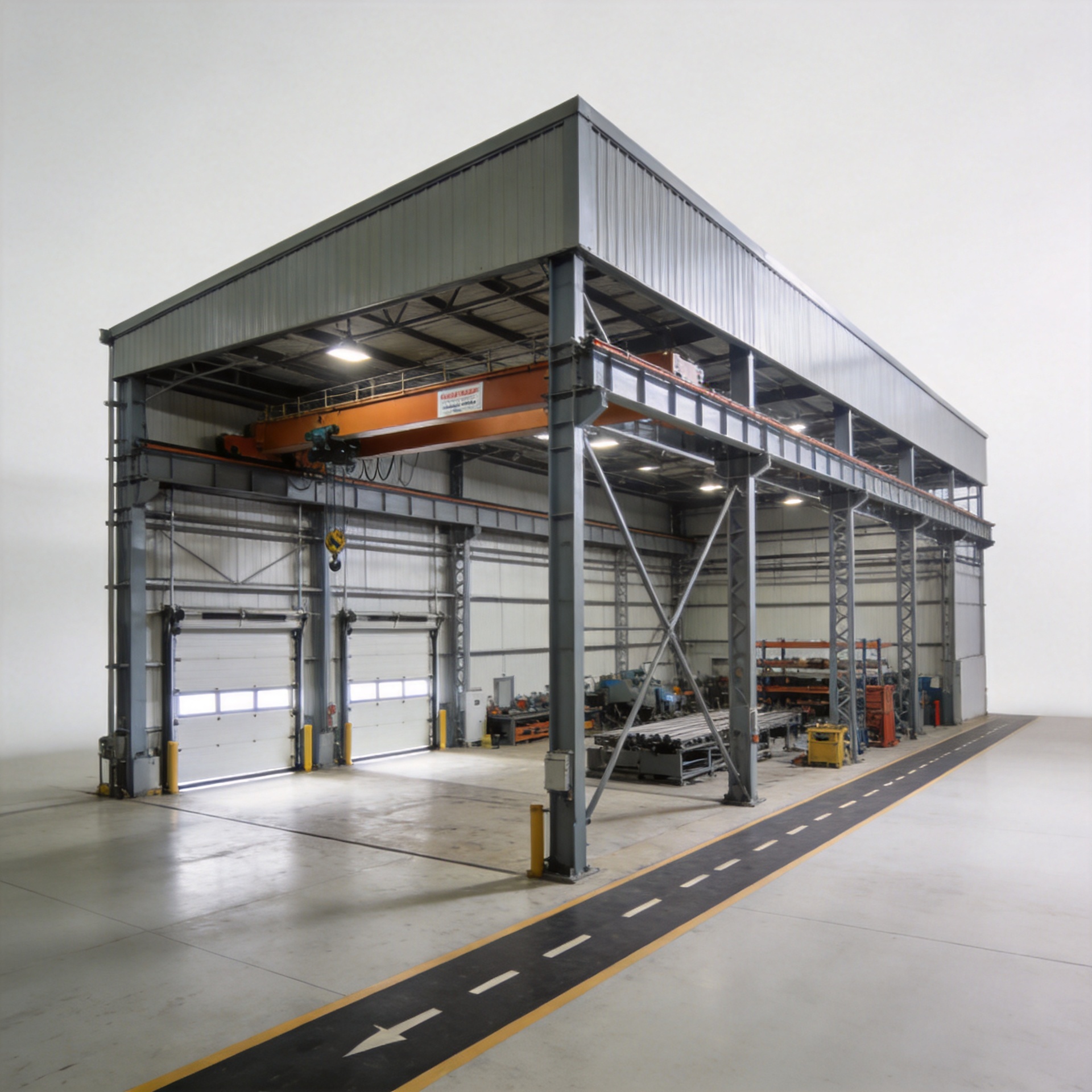
2026/10/26
Plan a warehouse workshop steel structure with smarter zoning, flow, clear height, crane, fire, and expansion decisions.
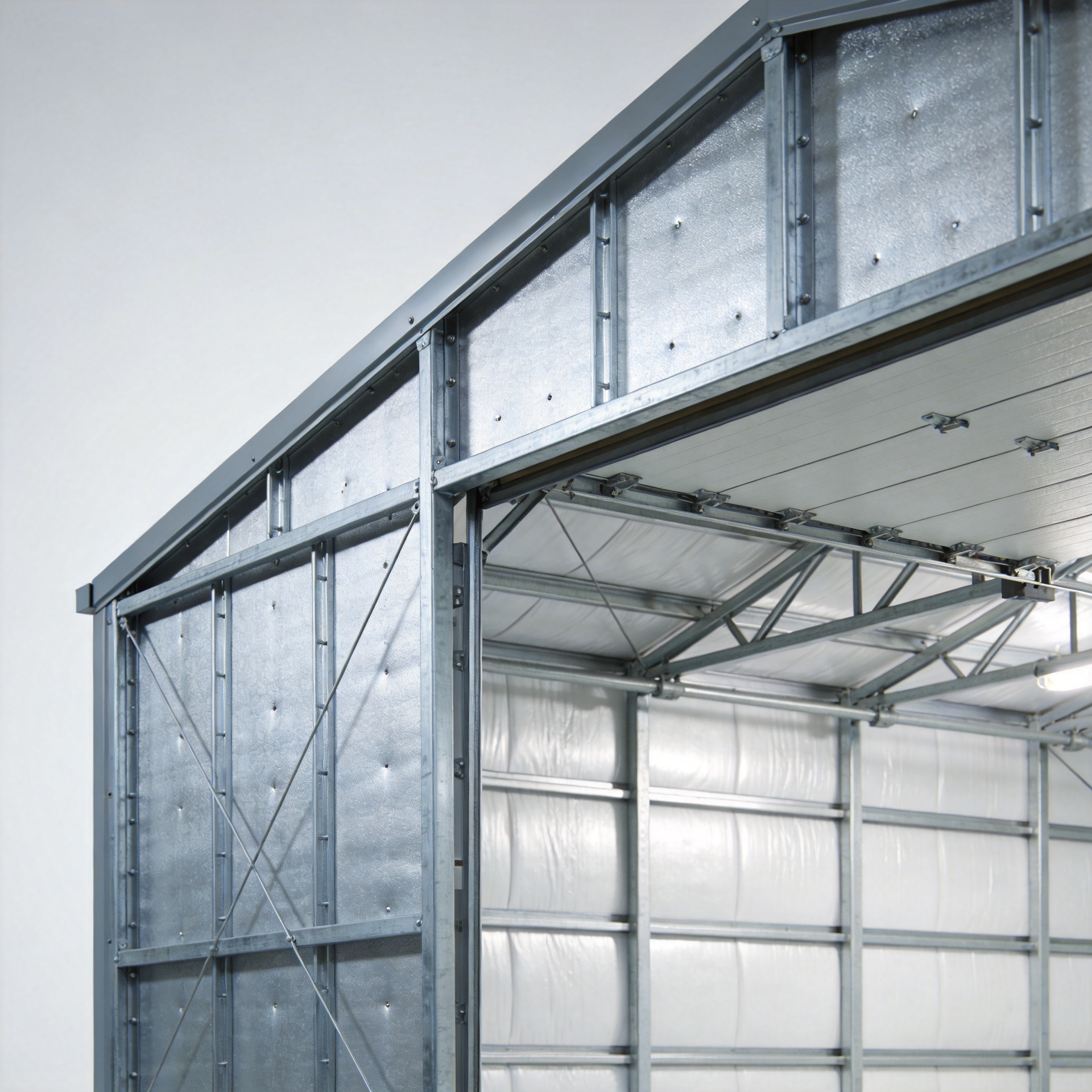
2026/10/26
Plan a cold storage steel structure with insulation, vapor control, thermal breaks, refrigeration interfaces and corrosion-ready details.
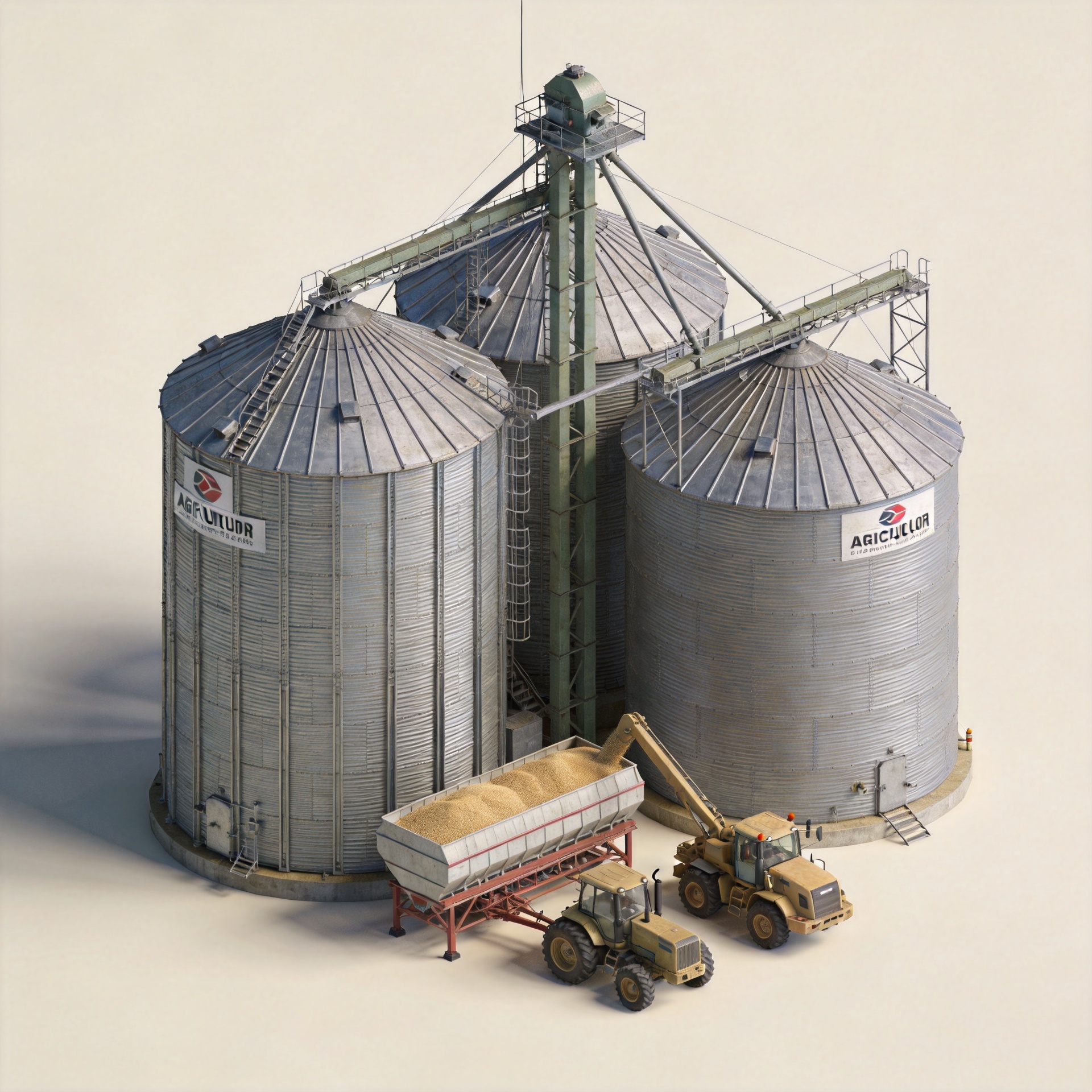
2026/10/26
Plan an agricultural steel structure that scales from machinery barn to storage and farm logistics hub with practical design and procurement steps.
2026/10/26
Plan a livestock steel structure for welfare, corrosion resistance, fire considerations, and efficient design-to-delivery decisions.
2026/10/26
Plan an aircraft steel structure for hangars and support facilities with guidance on loads, corrosion, fire, EN 1090, and delivery milestones.
2026/10/26
Choose a farm steel structure for agricultural storage with practical guidance on loads, corrosion, compliance, and delivery planning.
