 EN
Warehouse-Workshop Steel Structures: Dual-Use Design
2026/10/26
Plan a warehouse workshop steel structure with smarter zoning, flow, clear height, crane, fire, and expansion decisions.

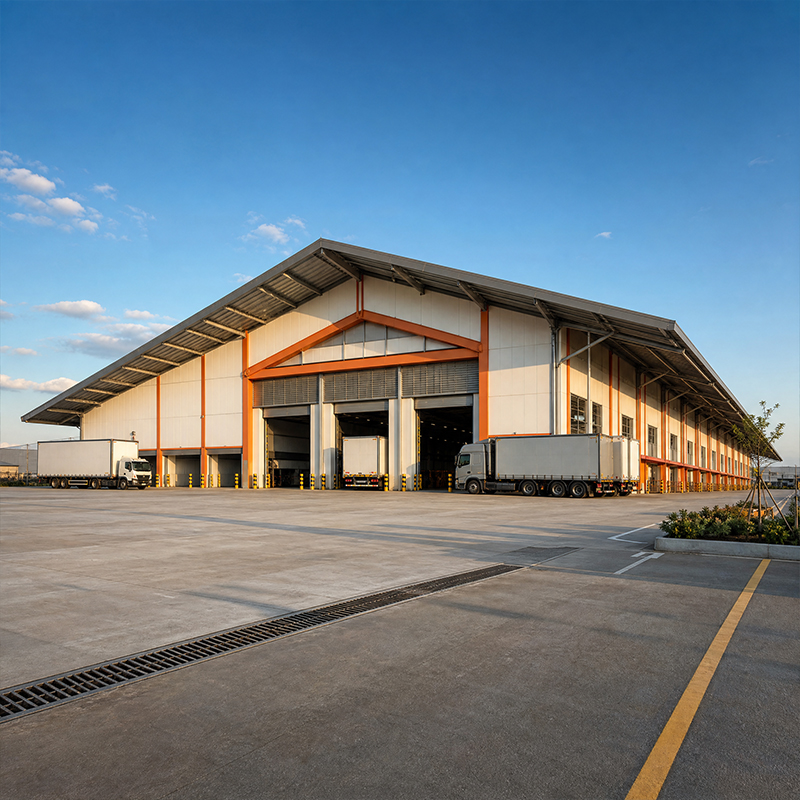
Why Steel Farm Buildings Suit Rural Operations
Steel farm buildings have moved from simple machinery sheds to engineered structures that protect equipment, animals, and crops through harsh seasons. A rigid steel frame resists wind, snow, and pest intrusion better than many timber alternatives, while clear spans give unobstructed space for large machinery. Choosing the right system early protects the value of every commodity stored inside, because a failed enclosure quietly erodes margin through spoilage, downtime, and repair that a rural owner notices only at harvest pressure.
The right structure follows the commodity: tractors need open access, livestock need ventilation, and grain needs dry, sealed storage. Specifying the purpose early prevents a generic shell that fails at the critical task, such as condensation ruining a seed batch or draughts stressing animals through winter. A regional grain operation applied this discipline by erecting purpose-built steel farm buildings for dependable storage through a humid season, after an older timber store leaked and threatened crop quality and market value with moisture damage year after year.
Rural sites punish weak materials with wind uplift, snow load, and rodent entry that timber struggles to resist. Steel's non-combustible nature earns favourable treatment under IBC fire-resistance tables, reassuring owners storing combustible feed and fuel nearby. Galvanized cladding shrugs off manure and fertilizer corrosion better than painted sheet, and a glass-flake coating on Q355D members extends service in aggressive duty. Well-detailed steel farm buildings keep working through decades of weather that would rot or warp a lesser frame long before its expected life. Routine coating checks and clear gutters extend that service even further, keeping the structure ready for the next season's load without emergency repair.
A steel farm buildings approach for machinery uses wide doors and a clear span so combine harvesters and trailers park without awkward manoeuvring. Q355B frames with galvanized C&Z purlins resist the abrasion of dusty, oily rural duty, and a level ACI 318 slab supports heavy wheel loads. Livestock barns carry ridge vents and side curtains for airflow without draught, while dry, sealed grain enclosures use a 150 mm PIR insulated envelope to stabilize humidity and block rodents that ruin stored crop value through humid months.
Open trusses suit hay lofts and repair bays where headroom matters, giving room to stack bulk feed and service machines indoors. Clear spans let owners rearrange bays as the operation grows, avoiding the fixed walls that trap a changing enterprise. Steel's predictable geometry also speeds permits and supplier quoting, because the frame is documented rather than improvised on site. For mixed farms, one adaptable shell often serves machinery, animals, and crop storage in sequence across the seasonal calendar without a second building.
Choose certified steel with EN 1090 execution and 10.9S high-strength bolted joints for traceable quality. Lighter steel frames need smaller footings than masonry, speeding civil works on remote sites, and compacted subgrade with verified drainage stops water ponding against the base. Galvanized cladding fights rural corrosion, while where abrasion is high a glass-flake coating on Q355D members extends service between repaints. Good site prep is practical insurance against early rust and the slab settlement that later wrecks machinery alignment inside the bay.
Match insulation to the stored item: livestock barns need vapour control, grain needs humidity stability, workshops need comfort. OSHA 29 CFR 1910 principles on ventilation guide air changes for occupied spaces, and ridge and eave vents move air without power, cutting both cost and failure points. A 150 mm PIR envelope helps in cold climates, while curtains and vents manage summer heat. Proper detailing prevents draughts that stress animals and raises winter rearing cost, keeping steel farm buildings comfortable and efficient through every season of rural duty without raising the energy bill that electric heat would demand.
State the primary use, machinery size, and local snow load so the supplier sizes the frame correctly. Request EN 1090, ISO 9001, and CE marks where required. Confirm galvanized cladding and the right insulation rating for the stored commodity before ordering. On delivery, check weld appearance against EN 1090 and bolt grades against the schedule, then verify coating continuity and report transit damage before erection. Survey the slab for flatness if machinery will be parked inside the steel farm buildings during peak harvest.
Keep heavy machines near designed support, not mid-span, to limit deflection. Manage ventilation seasonally for livestock, and keep grain enclosures sealed. Avoid ad-hoc wall cuts that weaken panels or trap harmful humidity. Re-torque connections on schedule, inspect coatings where abrasion appears, and clear gutters and vents often. A simple monitoring routine extends safe service and protects the building through decades of rural duty, so steel farm buildings stay functional long after a timber alternative would need replacement.
Conclusion
Steel farm buildings cover equipment, livestock, and grain needs with one adaptable, durable system, because the same frame serves many commodities across the seasonal calendar. Choosing certified steel, correct insulation, and good site prep keeps the rural asset working season after season. Matching the building to the real farm task protects yield, animals, and machinery from the failures that turn a cheap shell into a costly one.
Frequently Asked Questions
Question What types of steel farm buildings are most useful?
Answer The most useful are machinery sheds with clear spans, livestock barns with controlled ventilation, and grain stores with sealed, insulated envelopes. Workshops and hay lofts use open trusses for headroom. Match the type to the commodity so the steel farm buildings perform the critical task without costly compromise, whether that is dry seed, calm animals, or protected equipment through winter.
Question Are steel farm buildings better than timber?
Answer Steel resists wind, snow, pests, and fire better than timber and needs less upkeep. Galvanized cladding fights manure and fertilizer corrosion. EN 1090 execution and certified grades give consistent quality. For owners wanting durability with low repair, steel farm buildings usually prove the sounder long-term choice, since timber rots or warps well before the expected service life in harsh rural duty.
Question How should a grain storage steel building be built?
Answer Use a tightly sealed, 150 mm PIR insulated envelope to stabilize humidity and block rodents. Q355B frame with EN 1090 welds and galvanized purlins resist rural corrosion. Wide doors ease loader access, and a level ACI 318 slab supports heavy equipment during peak harvest handling. Sealing the enclosure properly is what protects crop value through humid months without chemical intervention.
Question What insulation do livestock steel barns need?
Answer Livestock barns need vapour-controlled insulation plus ridge and eave ventilation to manage moisture and heat. A 150 mm PIR envelope helps in cold climates, while curtains and vents move air without power. Proper detailing prevents draughts that stress animals and raises winter rearing cost, keeping steel farm buildings comfortable and efficient for the herd across every season of operation.
Question How long do steel farm buildings last?
Answer Service life depends on coating and environment, but galvanized and well-maintained steel frames serve decades. Re-torquing connections, refreshing coatings, and clearing vents protect the structure. A simple monitoring routine keeps steel farm buildings safe through long rural duty, outlasting timber that rots well before its expected lifespan.
2026/10/26
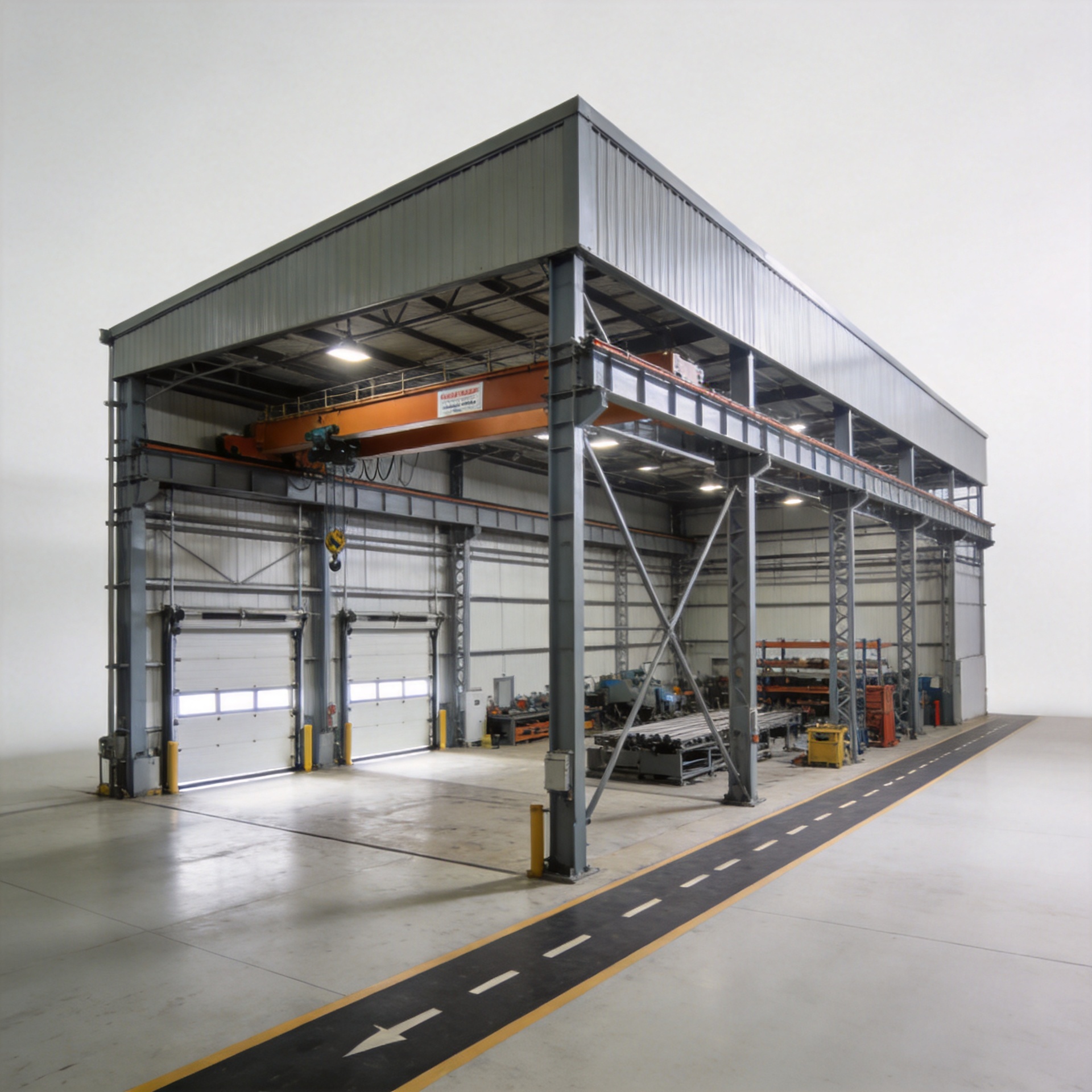
Plan a warehouse workshop steel structure with smarter zoning, flow, clear height, crane, fire, and expansion decisions.
2026/10/26
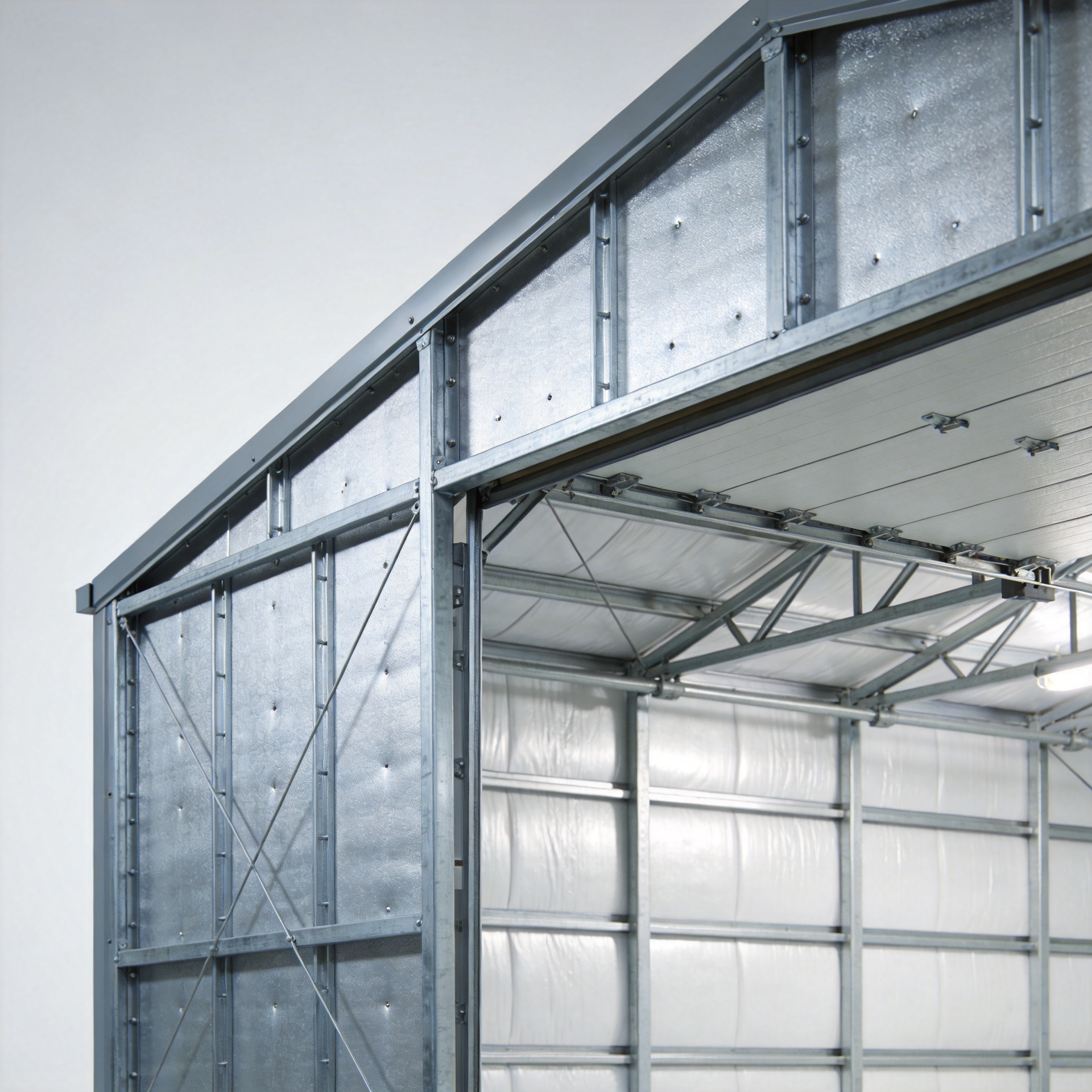
Plan a cold storage steel structure with insulation, vapor control, thermal breaks, refrigeration interfaces and corrosion-ready details.
2026/10/26
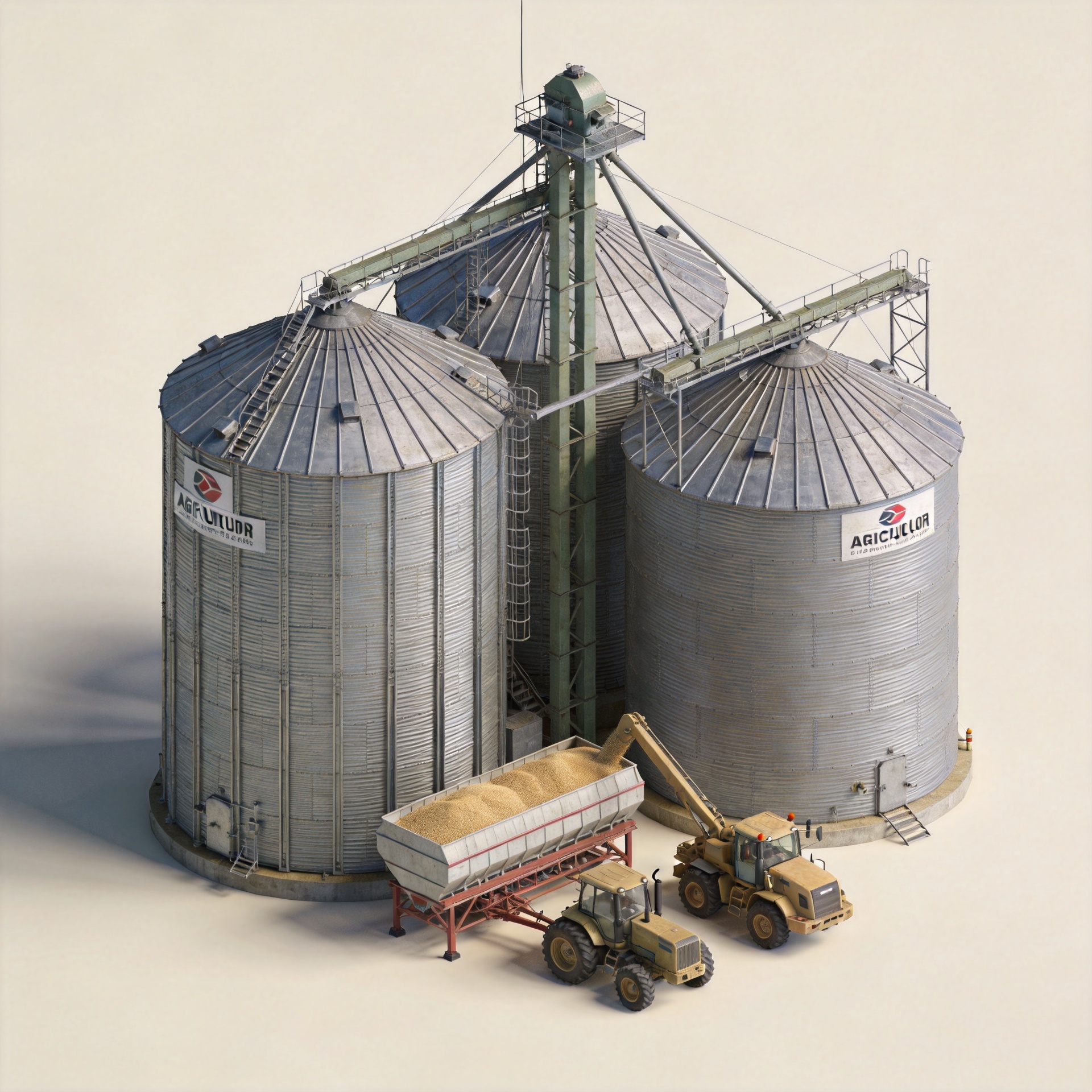
Plan an agricultural steel structure that scales from machinery barn to storage and farm logistics hub with practical design and procurement steps.
2026/10/26
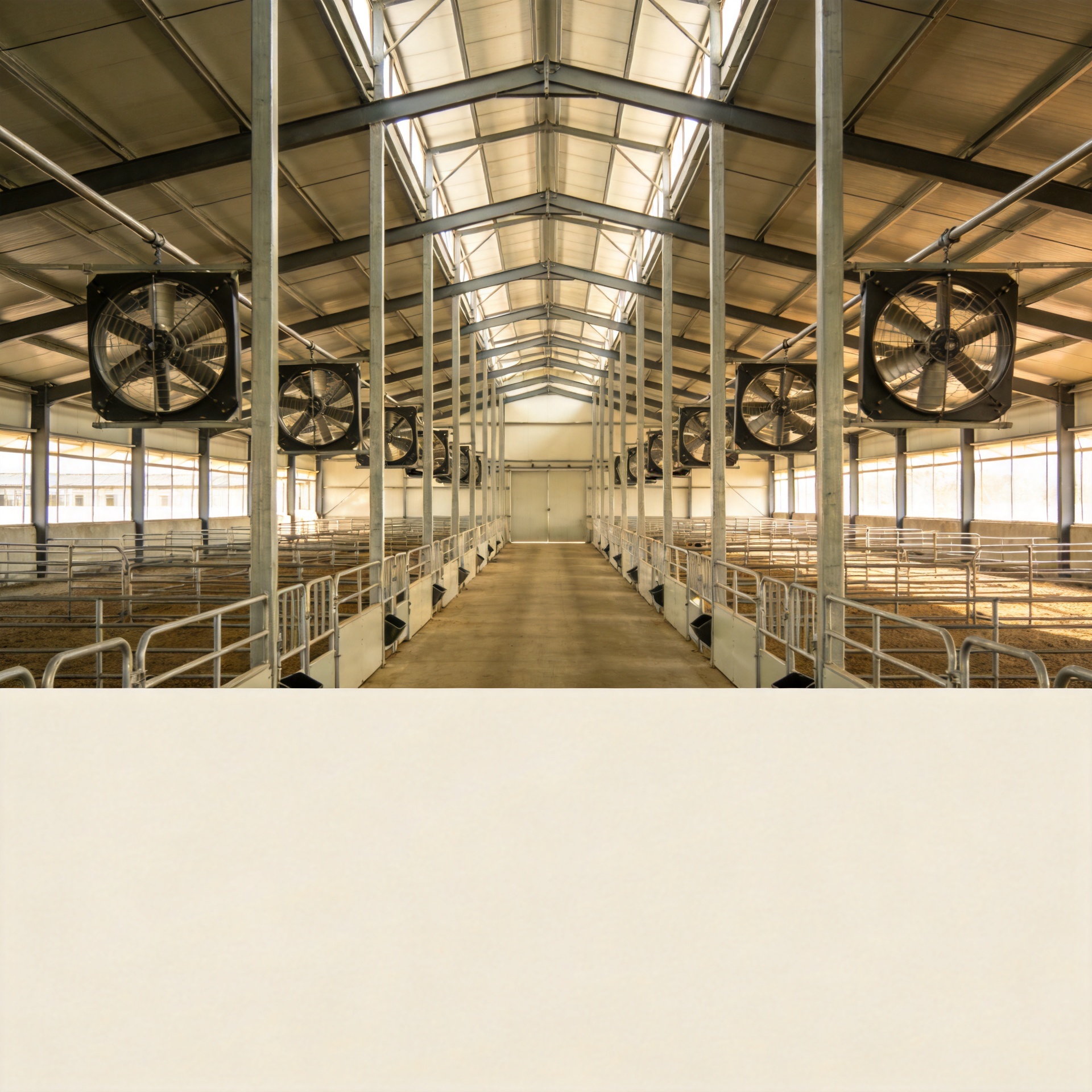
Plan a livestock steel structure for welfare, corrosion resistance, fire considerations, and efficient design-to-delivery decisions.
2026/10/26
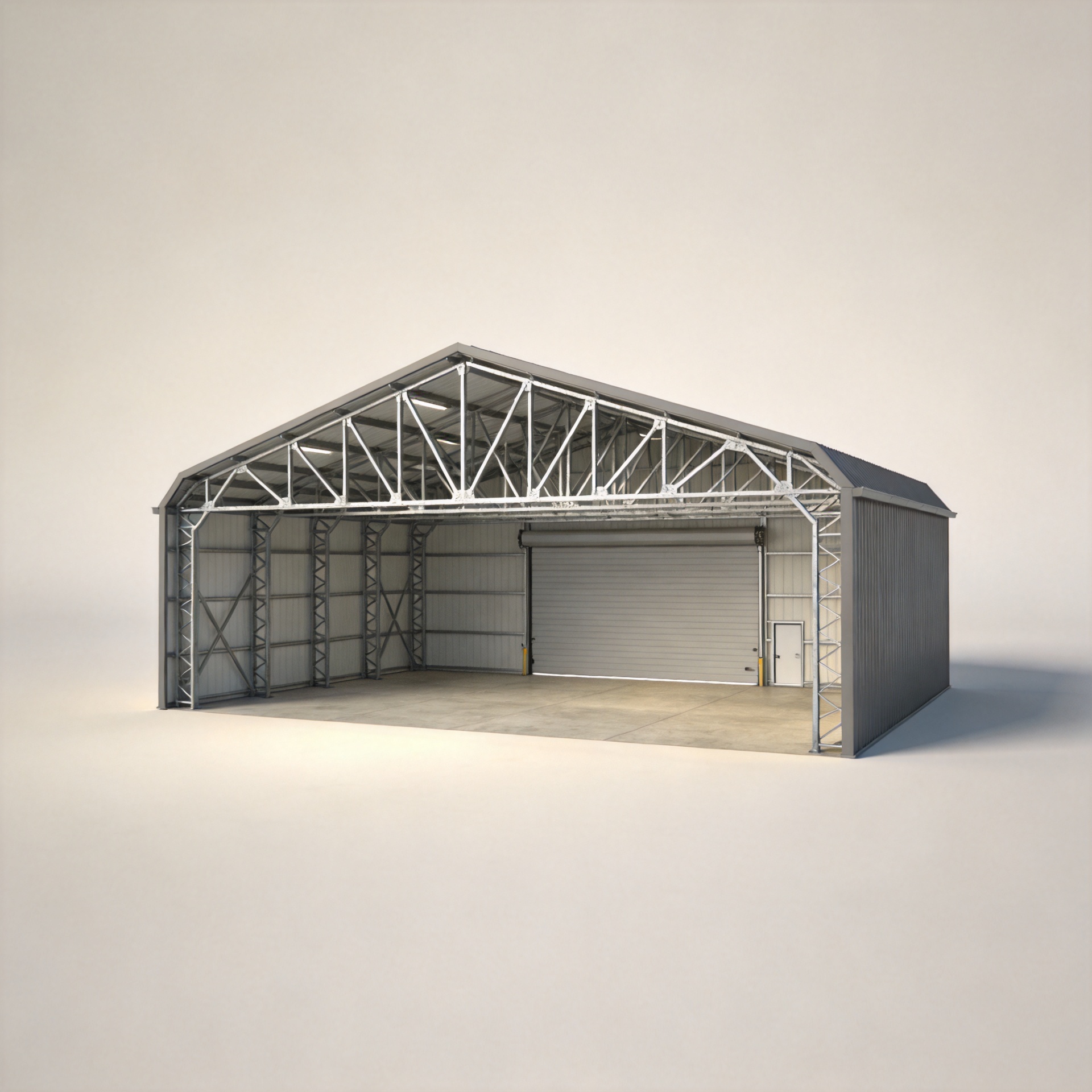
Plan an aircraft steel structure for hangars and support facilities with guidance on loads, corrosion, fire, EN 1090, and delivery milestones.
2026/10/26
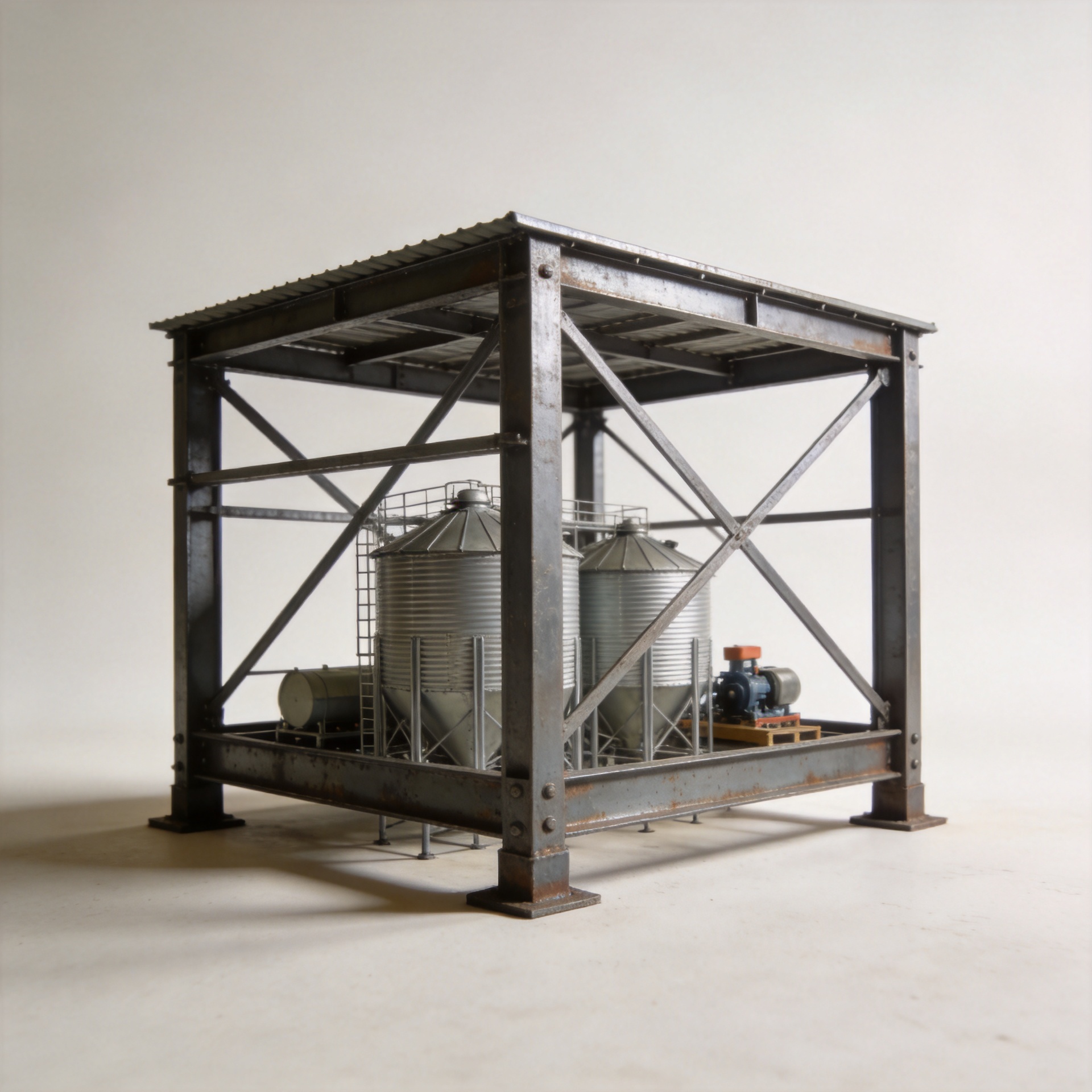
Choose a farm steel structure for agricultural storage with practical guidance on loads, corrosion, compliance, and delivery planning.
