 EN
Warehouse-Workshop Steel Structures: Dual-Use Design
2026/10/26
Plan a warehouse workshop steel structure with smarter zoning, flow, clear height, crane, fire, and expansion decisions.

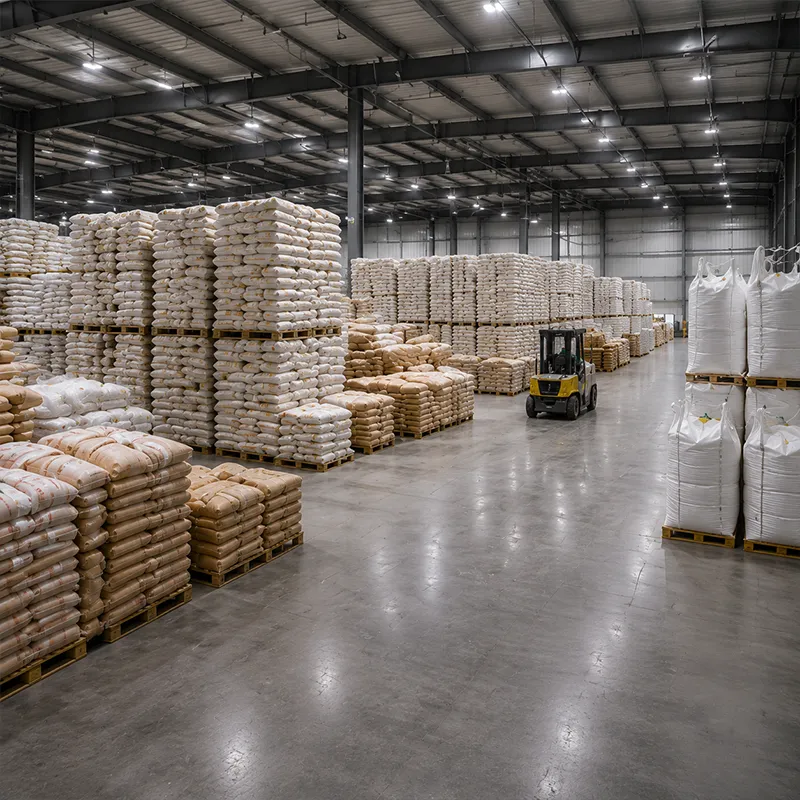
A commercial sheep barn gives a breeding or finishing operation a controlled, weather-tight home where a flock stays healthy through lambing, shearing and winter. The structure carries roof and wind loads through a prefabricated steel frame, while open sides and ridge vents move damp air out before it settles on the animals. Choosing the right clear span, coating and pen layout early prevents costly rebuilds and lost productivity later.
A commercial sheep barn works best when the floor is divided into purpose-built pens rather than one open yard. Ewes near lambing, newborn lambs, rams during tupping and weaned stock each carry different disease and space risks, so separate pens stop illness from sweeping the whole flock. Partitioning also lets one operator feed, treat and move small groups without disturbing the rest. A clear pen plan reduces stress, which quietly improves weight gain and lamb survival across the sheep barn.
Within a commercial sheep barn, steel pens benefit from bolted, demountable gates rather than fixed timber walls. Adjustable panels let the operator resize a pen as the group grows, or merge two pens during shearing to speed throughput. Galvanized posts set into the slab carry the gate load, so the livestock barn layout can be reconfigured season to season without cutting new timber. A portal frame with bolted connections also lets the building be lifted and re-set on a new pad if the yard is later expanded, protecting the original investment. This flexibility matters on a farm where flock size and marketing dates change year to year, and it keeps handling safer for both stock and staff.
A commercial sheep barn depends on dry bedding to protect hooves and wool. A concrete or compacted base under straw keeps moisture from rising, while a slightly sloped floor sends urine and wash water to a channel so the resting area stays firm and low in foot-rot risk. Solid floors suit lambing pens where warmth matters, while slatted sections over a pit work for finishing groups. Matching the floor type to pen purpose protects comfort and lowers the bedding bill. A simple moisture check under the straw each morning shows whether the base is shedding water as designed, so soft hooves are caught before they spread infection.
Good drainage is what keeps a sheep barn usable through a wet season. The envelope slope, gutters and a perimeter drain move storm water away from the pens, while a shallow scrape alley collects manure for composting or spreading. Steel cladding will not absorb the ammonia that timber soaks up, so the air stays cleaner and the structure lasts longer. Routine scraping and a quarterly check of the drain lines stop bottlenecks that otherwise flood a low pen during lambing.
Sheep exhale moisture and heat, so the building must breathe. Side curtains and a continuous ridge vent create a stack effect: warm, wet air rises and leaves through the roof while cooler air enters low at the eaves. This passive airflow lowers humidity, slows respiratory pathogens and keeps the steel frame dry. The opening area is sized to local wind and summer temperature rather than guessed, and adjustable curtains let the operator balance winter warmth against summer cooling without fans.
Ventilation is seasonal. In summer the ridge vent and open eaves flush heat so lambs do not pile and pant, while in winter the same system runs at a lower rate to remove moisture without chilling the flock. A wool shed attached to the main house benefits from the same principle, since stored fleece must stay dry to hold its grade. Sealing gaps at the foundation and lining the north wall with insulation keeps drafts off newborn lambs, which cuts hypothermia losses during cold snaps inside the steel barn.
Manure releases ammonia and mild acid that rot unprotected timber and pit bare steel within a few seasons. Hot-dip galvanizing to ASTM A123 bonds a zinc layer over every member, including bolt holes and cut edges, so the frame survives a wet, saline pen far longer than paint. The anti-corrosion coating is measured in microns rather than guessed, and because zinc corrodes preferentially, scratches at the manure line self-heal to a degree paint cannot match. This is why a steel barn stays serviceable through repeated washing and scraping.
The case for a commercial sheep barn in steel is clearest on a large flock. A 2,000-ewe operation in Inner Mongolia struggled with timber pens that rotted and poor winter airflow that raised lamb loss. The replacement used a 40 m clear-span portal frame with fully galvanized members, a PIR-clad envelope and demountable steel pens. After one lambing season the operator reported drier bedding, fewer respiratory treatments and no visible corrosion at the manure line. Fabrication under ISO 9001, welding to ISO 3834 and CE marking under EN 1090 made the structure inspectable and export-ready, and the livestock barn paid back through lower vet and repaint costs within the planned cycle.
Choosing the right commercial sheep barn means balancing pen partitioning, dry bedding, ventilation and a corrosion-resistant frame before the first bolt is ordered. A galvanized steel structure sized to the real flock and built to EN 1090 standards protects animals and budget for decades.
Why divide a sheep barn into separate pens?
Answer: Separate pens stop illness from moving through the whole flock because lambing ewes, newborn lambs and rams carry different disease risks. Partitioning lets one operator feed and treat small groups without disturbing the rest, which lowers stress and improves weight gain. A clear pen plan also speeds shearing and handling, so the sheep barn runs safely with less labour across the year.
How is ventilation provided without using fans?
Answer: A passive stack system works well: side curtains let cool air enter low while a continuous ridge vent lets warm, moist air exit the roof. This airflow lowers humidity and slows respiratory pathogens without power. The opening area is sized to local wind and summer heat, so the livestock barn stays dry even during humid lambing seasons and needs no electrical running cost.
Why choose a steel barn over a timber sheep barn?
Answer: A steel frame erects fast as a prefabricated kit and resists rot, termites and manure acid that destroy timber. Galvanizing removes decades of repaint, and bolt-up assembly needs less skilled labour on site. Under ISO 9001 fabrication and EN 1090 marking, the steel barn arrives inspected and export-ready, giving a predictable cost and a far longer service life than wood.
How does galvanizing protect the frame from manure?
Answer: Manure releases ammonia and mild acid that attack bare steel, so hot-dip galvanizing to ASTM A123 bonds a zinc layer over every surface, including bolt holes and cut edges. The anti-corrosion coating outperforms paint in a wet, saline pen. The commercial sheep barn keeps its strength for decades because zinc sacrifices itself before the base steel rusts through at the manure line.
Can a wool shed share the same steel structure?
Answer: Yes, a wool shed is often built as part of the same steel frame so freshly shorn fleece stays dry and holds its grade. The envelope and ridge ventilation that keep sheep comfortable also protect stored wool from damp and mildew. Using one clear-span structure for both the flock and the wool clip lowers the build cost and simplifies future expansion of the farm.
2026/10/26
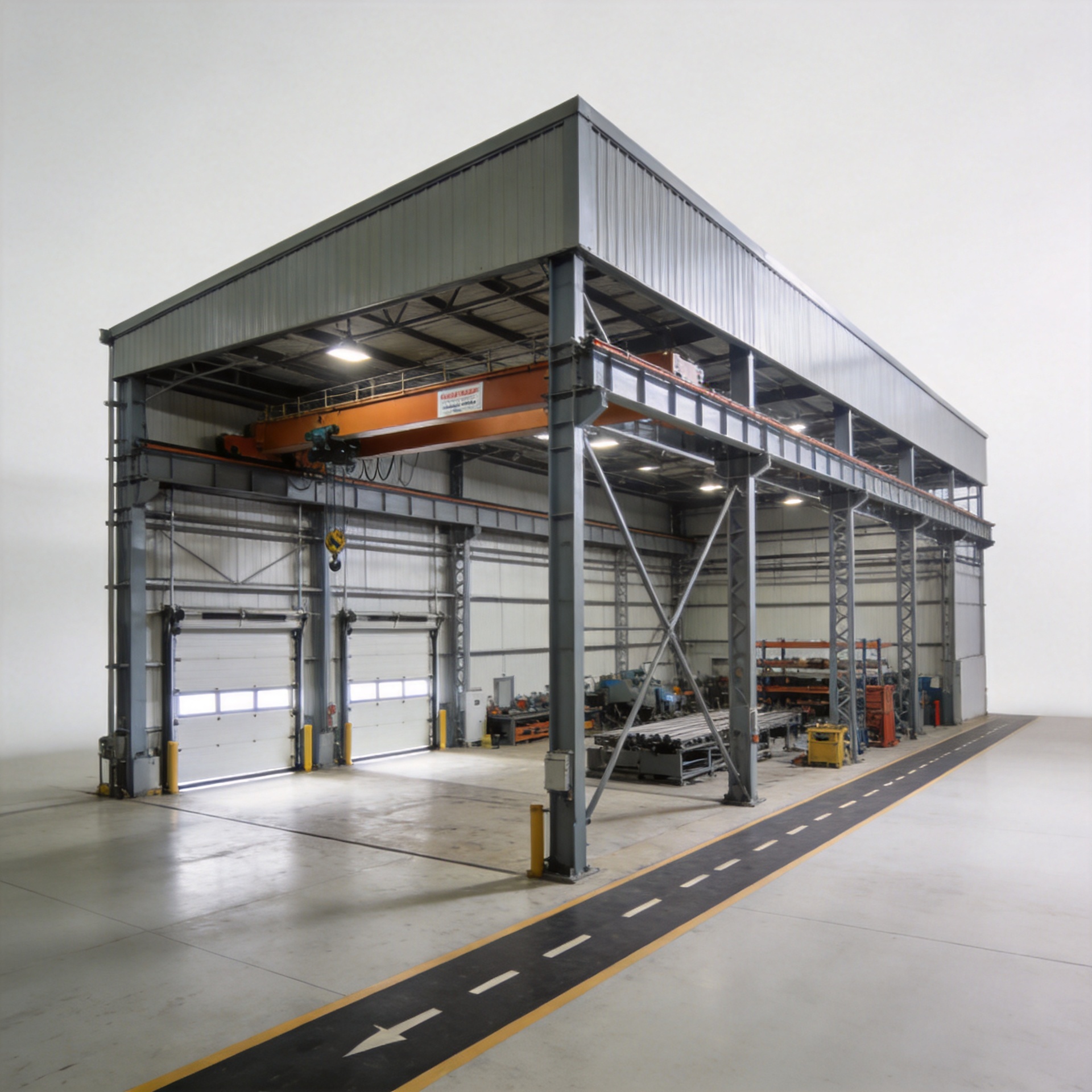
Plan a warehouse workshop steel structure with smarter zoning, flow, clear height, crane, fire, and expansion decisions.
2026/10/26
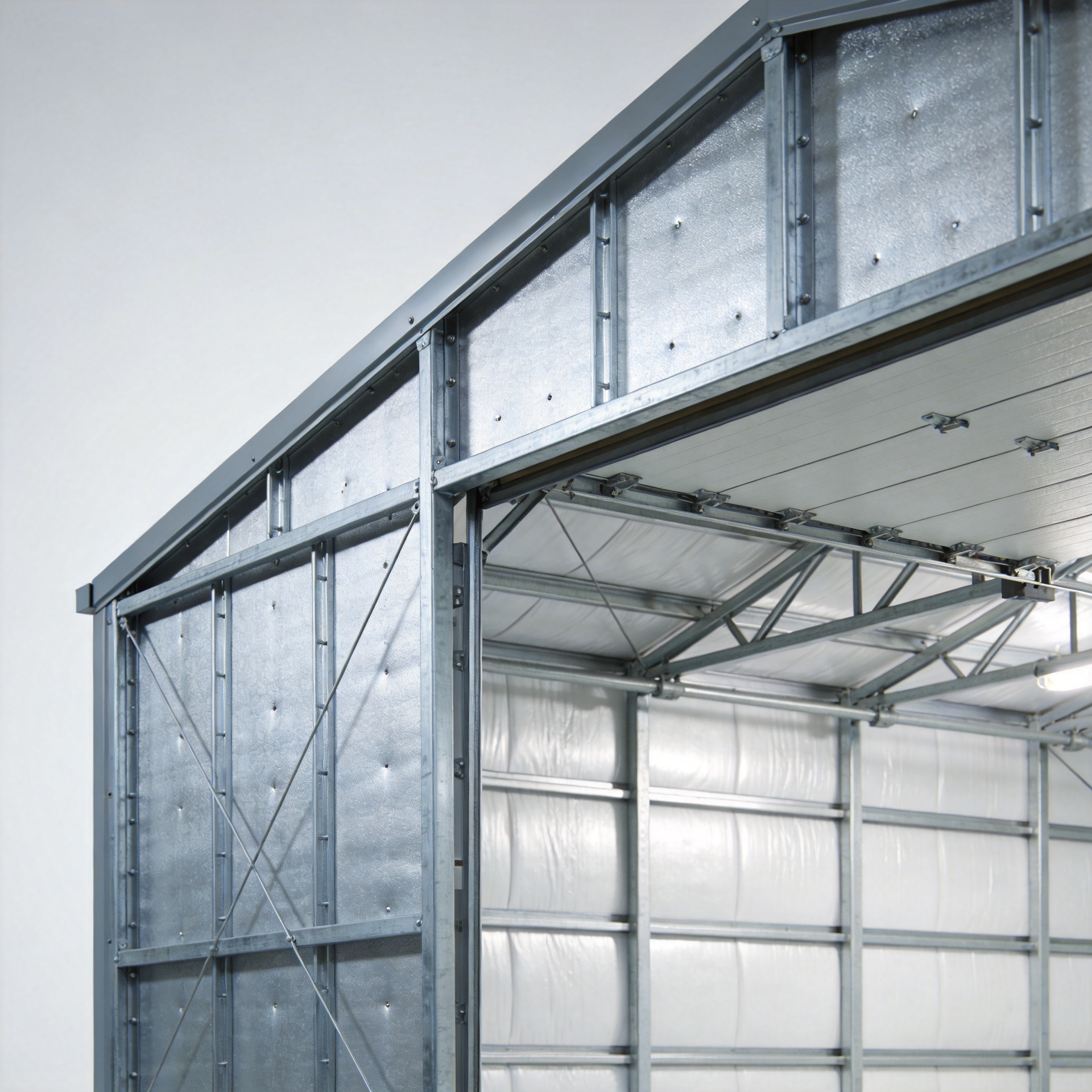
Plan a cold storage steel structure with insulation, vapor control, thermal breaks, refrigeration interfaces and corrosion-ready details.
2026/10/26
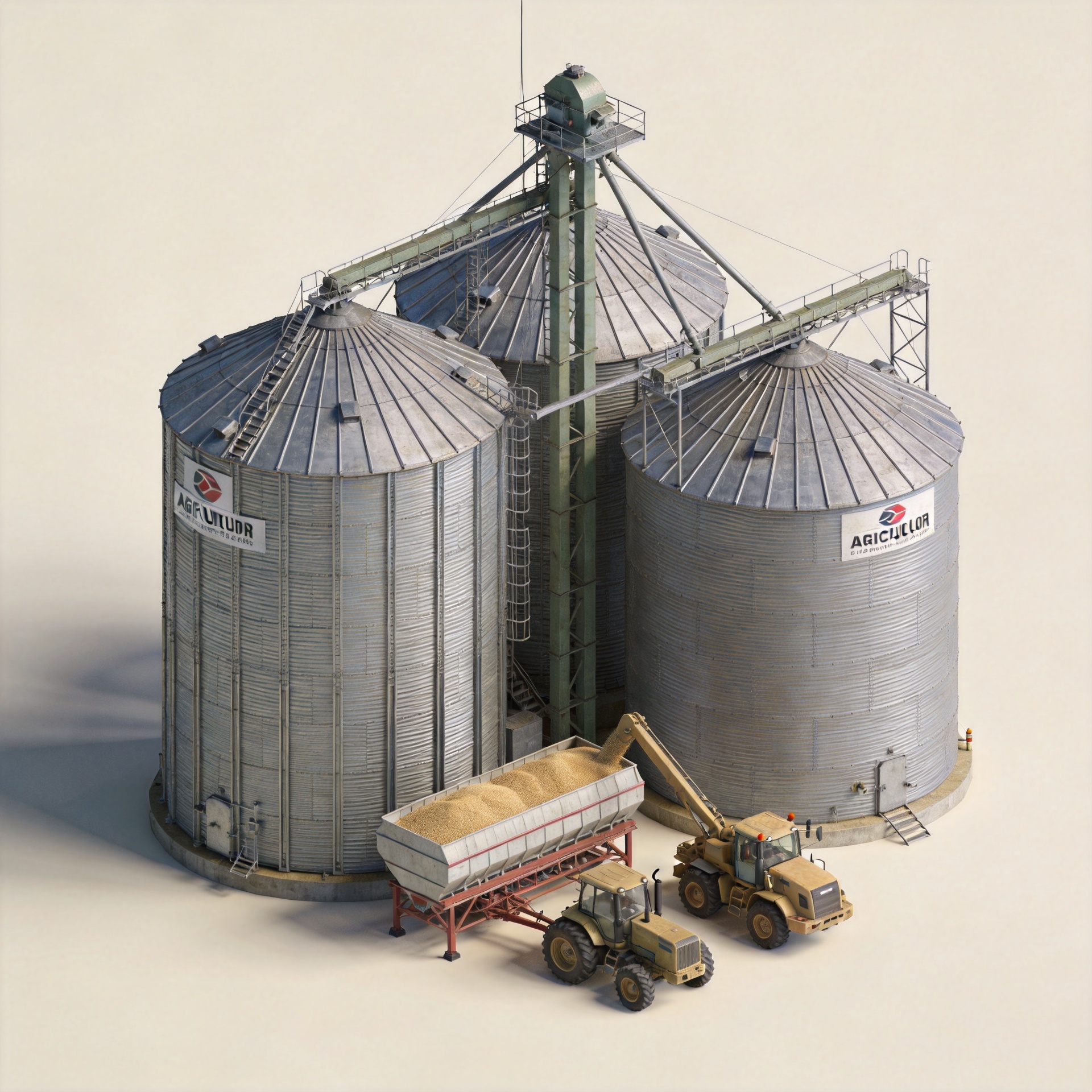
Plan an agricultural steel structure that scales from machinery barn to storage and farm logistics hub with practical design and procurement steps.
2026/10/26
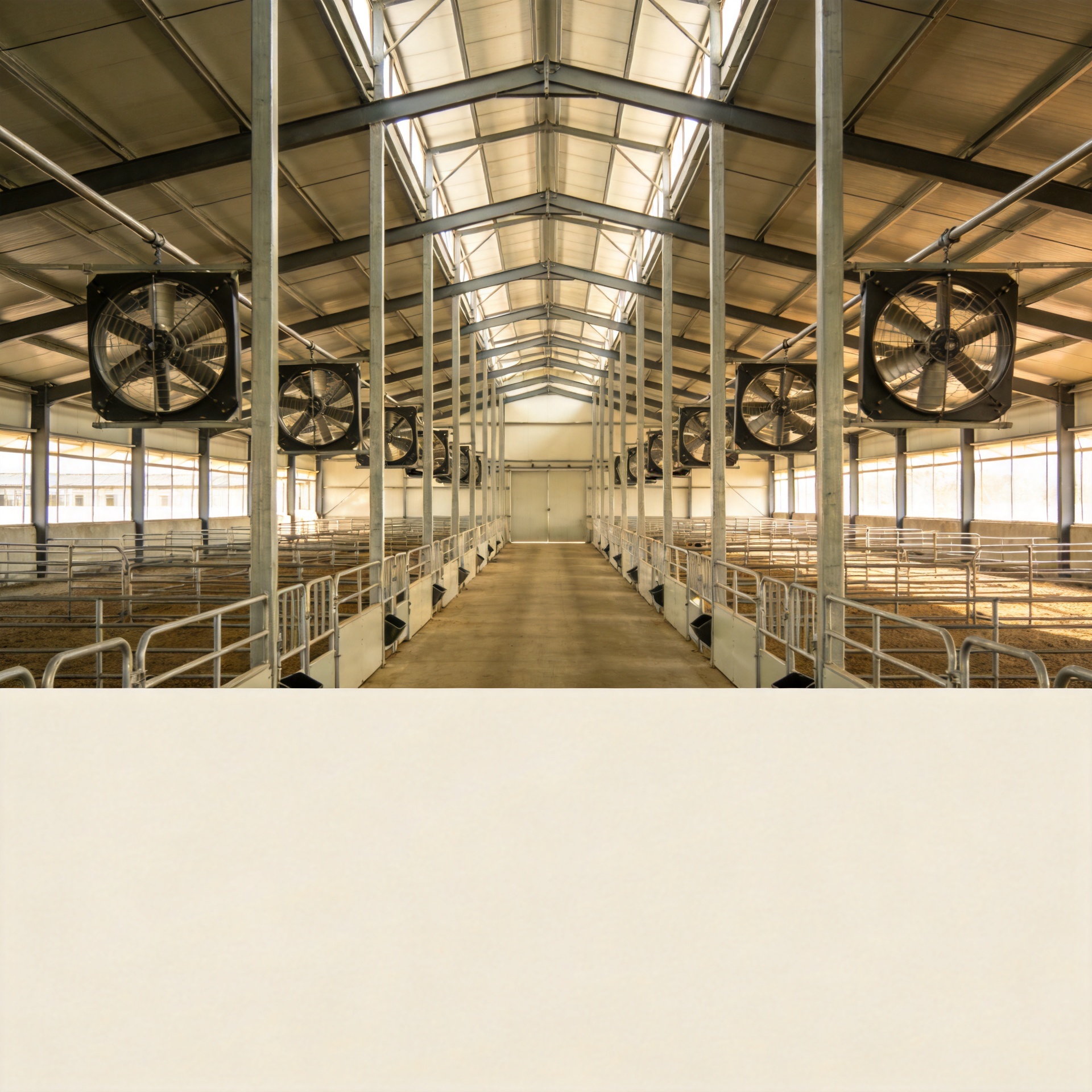
Plan a livestock steel structure for welfare, corrosion resistance, fire considerations, and efficient design-to-delivery decisions.
2026/10/26
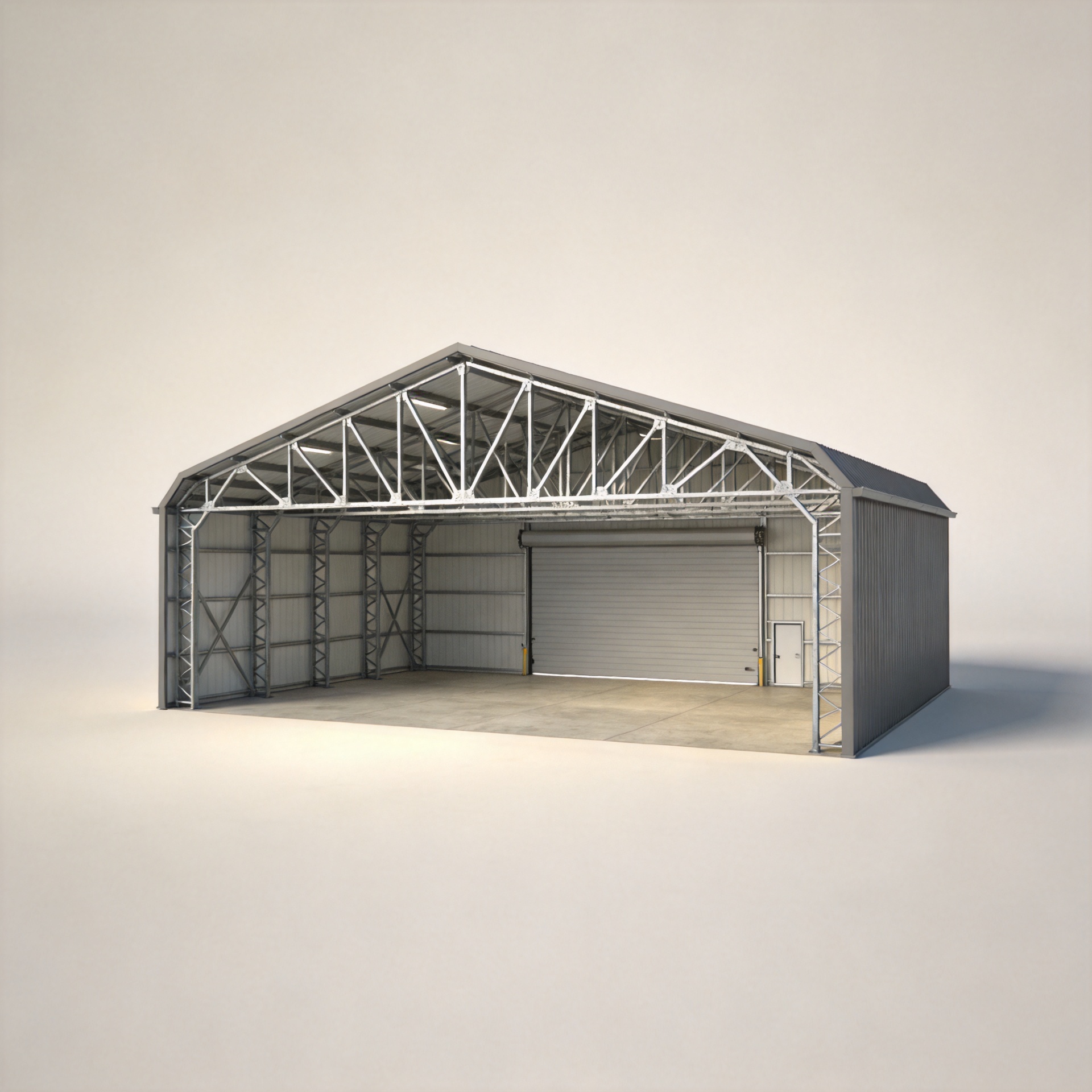
Plan an aircraft steel structure for hangars and support facilities with guidance on loads, corrosion, fire, EN 1090, and delivery milestones.
2026/10/26
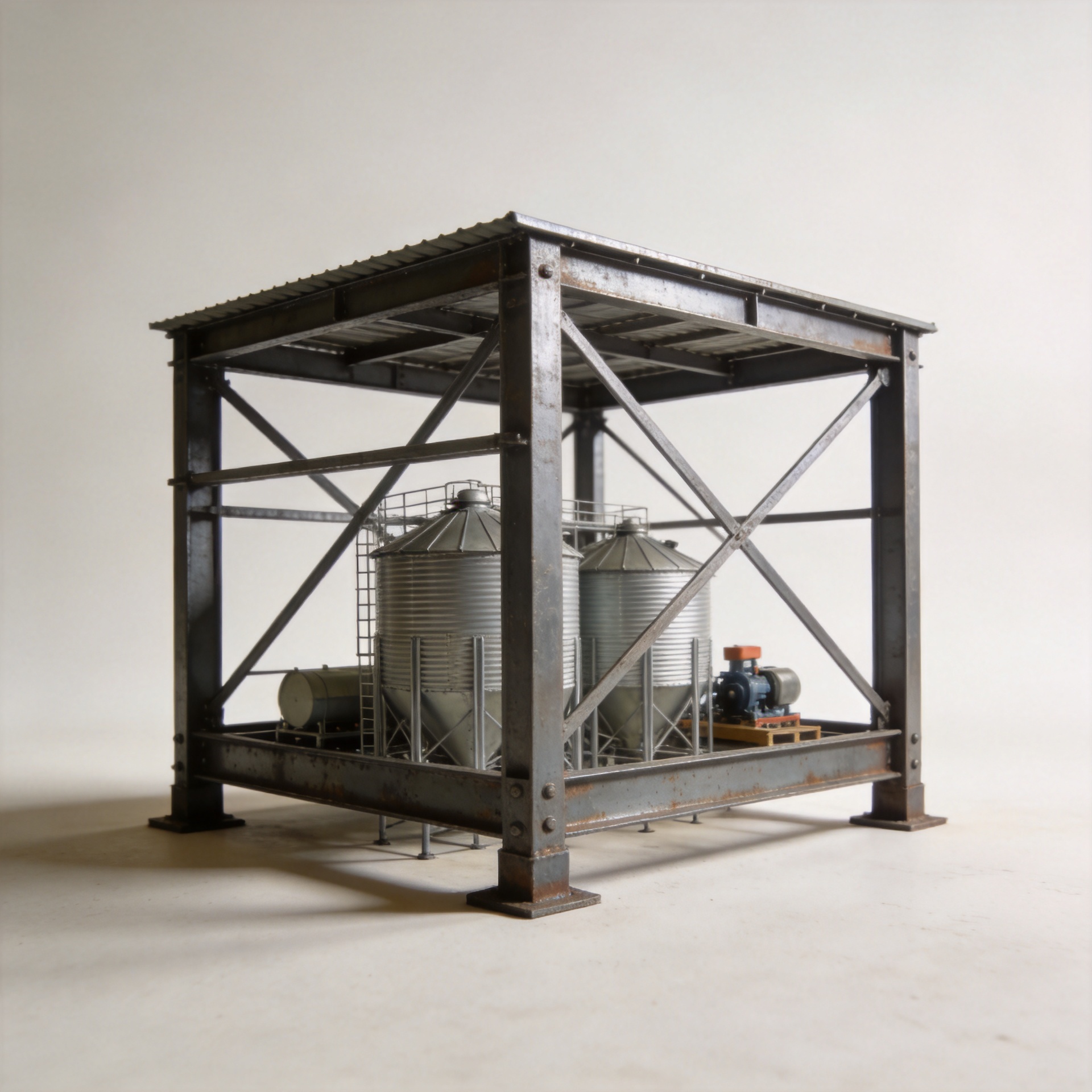
Choose a farm steel structure for agricultural storage with practical guidance on loads, corrosion, compliance, and delivery planning.
