 EN
Warehouse-Workshop Steel Structures: Dual-Use Design
2026/10/26
Plan a warehouse workshop steel structure with smarter zoning, flow, clear height, crane, fire, and expansion decisions.

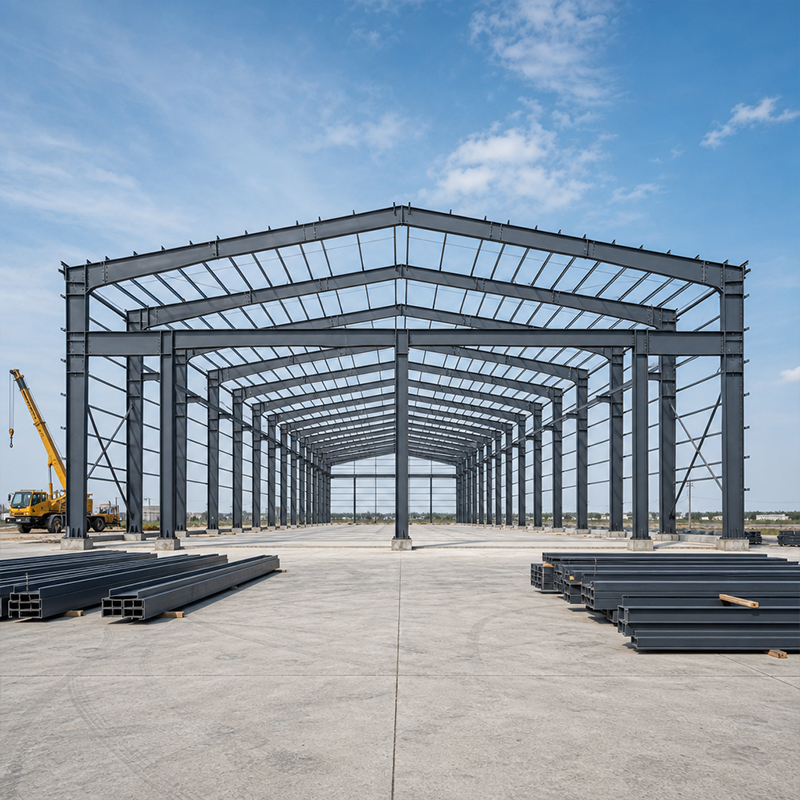
Global buyers face a crowded market selecting partners overseas. Reliable steel building manufacturers combine engineering skill and certified fabrication, yet many vendors overstate what their plant can deliver. This guide shows how procurement teams audit a supplier before committing capital, so the finished structure performs as specified and arrives on schedule.
Steel building manufacturers that operate a genuine fabrication base will welcome a live plant tour or a verified video walkthrough. A 12,000 m² workshop with CNC cutting and robotic welding signals real throughput rather than a trading office that subcontracts every order. The audit should confirm in-house drawing review, material traceability and a controlled welding procedure qualification record.
During a visit, observe how plates are nested and bolt holes drilled. Shops using CNC cutting and 10.9S high-strength bolt kits hold tighter tolerances, shortening field erection. Ask for recent project photos matching claimed tonnage, since a real fabricator keeps a reference library.
Request mill certificates for Q355B or Q355D plates and confirm the heat number matches the delivered coil. For seismic or thick-plate zones, Q355B-Z35 with through-thickness properties prevents lamellar tearing, while Q420B serves high-strength frames. Steel building manufacturers that cannot show a mill certificate for every shipment create hidden risk.
Beyond the shop floor, examine the engineering office. Capable suppliers run a dedicated team for load calculation, connection design and fabrication drawings. A documented change-control process stops site revisions from altering structural intent, and stamped calculations referencing AISC or MBMA guidance align bay spacing with intended crane and mezzanine loads before steel is ordered.
International projects demand proof, not promises. ISO 9001 shows a managed quality system, while EN 1090 certification is mandatory for CE marking on structural steel. ISO 3834 covers welding quality and pairs with EN 1090 for fabricated frames.
A supplier holding these certificates has passed external audits of its process, not just its brochure. For North American buyers, references to ASTM specs and IBC or OSHA site rules show awareness of destination-market expectations even when local certification differs.
Welding is where hidden defects live. Ask how welders are qualified and whether procedure qualification records exist for the joint types in the order. Reputable steel building manufacturers publish weld acceptance criteria aligned to ISO 3834 and keep radiographic or ultrasonic test reports for critical nodes.
Corrosion protection also matters. Hot-dip galvanizing and glass flake coating extend service life, but the choice follows the environment. Coastal or chemical sites need thicker zinc or dual systems, and the supplier should explain why a specific coating thickness was chosen rather than a generic finish.
Capacity is about monthly tonnage and crane bay access more than square metres. A plant quoting a 60 m clear-span logistics hall must prove it lifted and shipped similar frames. Request the last six months of output by tonnage and the largest single project delivered.
Steel building manufacturers with thin capacity often promise aggressive lead times then slip, since they share subcontract welders with competitors. Verify the owned equipment list and the number of qualified welding stations to gauge realistic throughput.
A coastal grain-storage operator faced corrosion risk and a fixed harvest window. Hot-dip galvanizing plus phased delivery solved both, and the hall stood through its first season with no coating failure.
Field maintenance planning should not wait until handover. A written inspection schedule covering bolts, coating and drainage catches fatigue cracks before they spread, while a spare-parts list for the exact connection type avoids long shutdowns if a node needs replacement. Documenting the maintenance scope in the contract keeps the supplier accountable after the structure is erected.
Export orders fail on packing as often as on steel. Sea transport needs edge protection, moisture barriers and bolt-bundle segregation so crews are not hunting fasteners on site. Confirm the supplier's export crating standard and that marks match erection drawing numbers.
A clear shipping plan reduces demurrage. Ask how container loading is coordinated with the project sequence, since phased delivery keeps the site productive instead of storing steel for months.
Some vendors win work with a low number that excludes design, surface treatment or special bolts, then add charges later. Steel building manufacturers that avoid written scope, refuse a plant visit or cannot name the steel grade deserve caution. Vague answers about execution class or welding proof signal more than price alone.
Slow, evasive replies during bidding often predict worse production behavior. Treat missing mill certs, no reference project and refusal to sign a detailed technical appendix as reasons to walk away before funds are deposited.
A practical approach is a weighted scorecard covering certification, capacity, references, engineering and communication. Run a small trial structure such as an equipment shed or gatehouse before a full plant, so real quality and documentation surface early at low risk.
Strong steel building manufacturers welcome this step because their process is consistent. The trial also confirms packing, coating and bolt supply match the main contract, giving confidence to scale the relationship across multiple sites.
Summary Choosing among steel building manufacturers is less about the lowest offer and more about verifiable proof. A plant audit, certificate check, capacity review and red-flag screen turn an uncertain purchase into a managed supply decision. Buyers who apply this discipline receive structures that meet EN 1090 and ISO 3834 expectations, arrive on time and stand up to decades of industrial use.
Question
What documents should a buyer request before awarding a contract?
Answer: A qualified steel building supplier should provide ISO 9001 and EN 1090 certificates, mill certificates for every steel shipment, and stamped calculations referencing AISC or MBMA guidance. Welding procedure qualification records and recent project references confirm real capability. For export steel building orders, the buyer also needs a packing standard and a phased delivery plan. Reviewing these documents early prevents costly surprises during fabrication and erection, and it shows whether the steel building supplier operates like a peb manufacturer with repeatable processes rather than a one-off fabricator.
Question
Why does certification matter more than a low quote?
Answer: Certificates prove a process was audited by an external body, not just described in a brochure. EN 1090 and ISO 3834 show controlled welding and execution, while CE marking opens the European market. A low quote without certificates often hides excluded scope such as coating or special bolts. For steel building manufacturers, a completed manufacturer audit closes the gap between claimed and actual capability. Verifying compliance protects the structure's safety and the buyer's insurance position over the building's full service life, and it matters even more for export steel building projects where rework at the destination is far more expensive than at the factory.
Question
How is weld quality verified on delivered frames?
Answer: Reputable steel building manufacturers keep welding procedure qualification records and radiograph or ultrasonically test critical joints before dispatch. Third-party inspection reports give independent proof, and traceable heat numbers link each member to its mill certificate. Buyers should request test results for the specific order rather than a generic portfolio, because weld integrity decides how the frame performs under crane and wind loads. A peb manufacturer that passes a manufacturer audit can show these records as a system, not as exceptions.
Question
When should a trial order be placed with a new supplier?
Answer: A trial order suits the buyer before a large plant contract, ideally after document review and a passing manufacturer audit. A small equipment shed or gatehouse reveals real packing, coating and bolt supply at low risk. Running the trial early lets the buyer confirm documentation discipline and delivery sequence, so any weakness appears on a manageable scope instead of a major project. For an export steel building buyer, this trial also tests how the steel building supplier handles export steel building packing and shipping documents.
Question
Which coating performs better in coastal environments?
Answer: Hot-dip galvanizing gives a thick, bonded zinc layer suited to harsh coastal and chemical sites, while glass flake coating resists aggressive chemical splash. The right choice depends on exposure, maintenance access and budget. Specifying the coating thickness from the environment, not a generic finish, protects the frame for decades. A steel building supplier should explain the selection rather than quote a generic surface treatment. A peb manufacturer with export steel building experience will also match the coating to the shipping route, since salt exposure starts long before the frame reaches the site.
2026/10/26
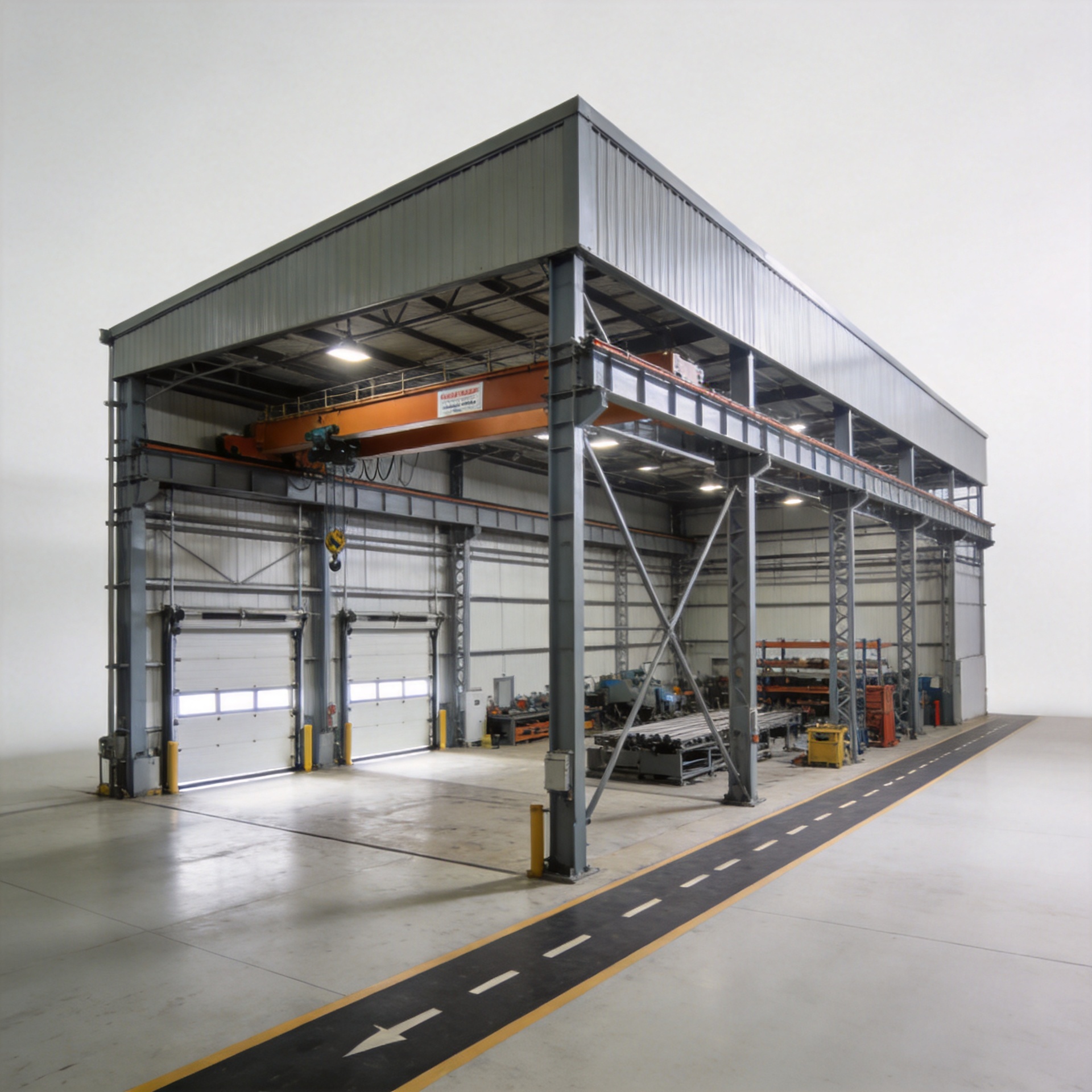
Plan a warehouse workshop steel structure with smarter zoning, flow, clear height, crane, fire, and expansion decisions.
2026/10/26
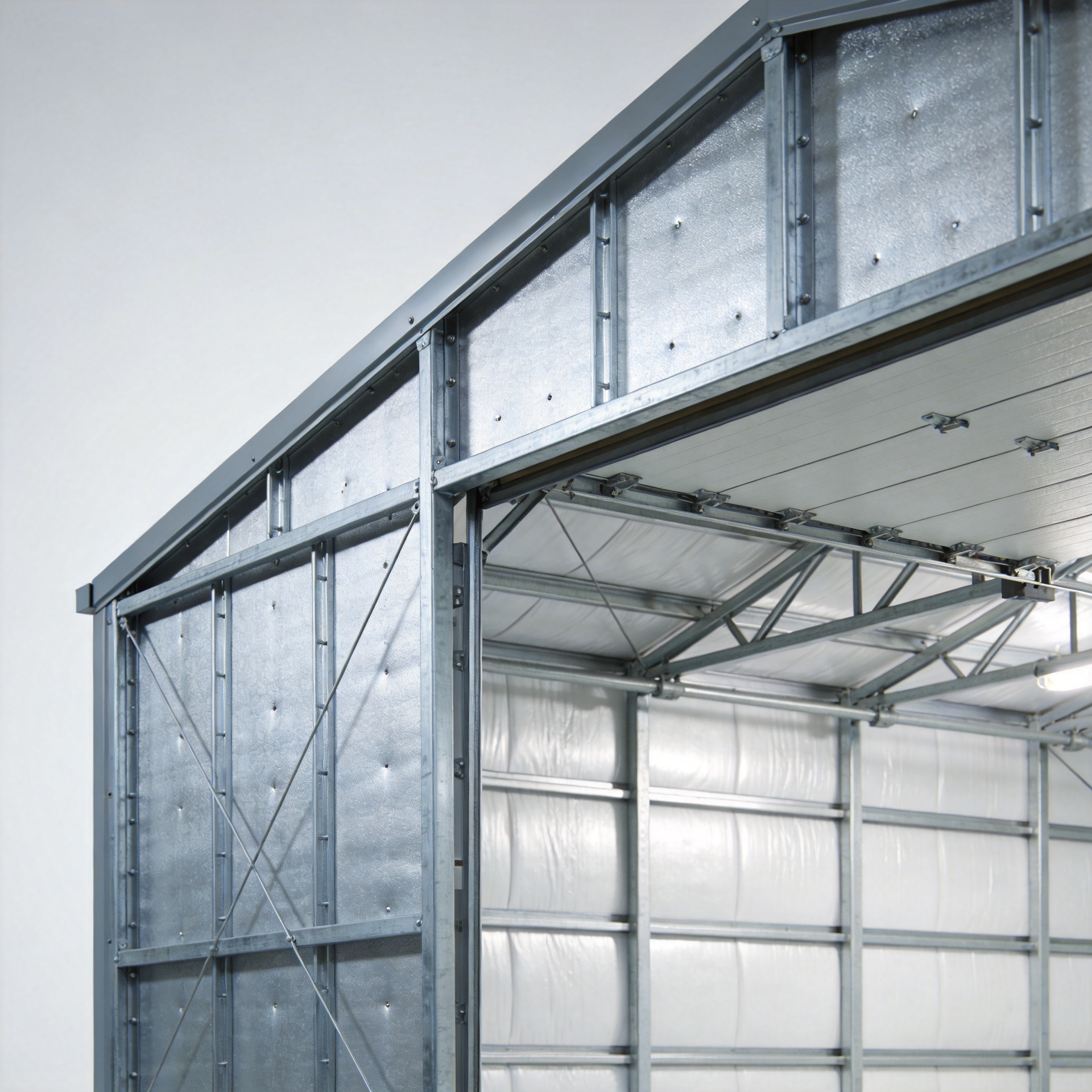
Plan a cold storage steel structure with insulation, vapor control, thermal breaks, refrigeration interfaces and corrosion-ready details.
2026/10/26
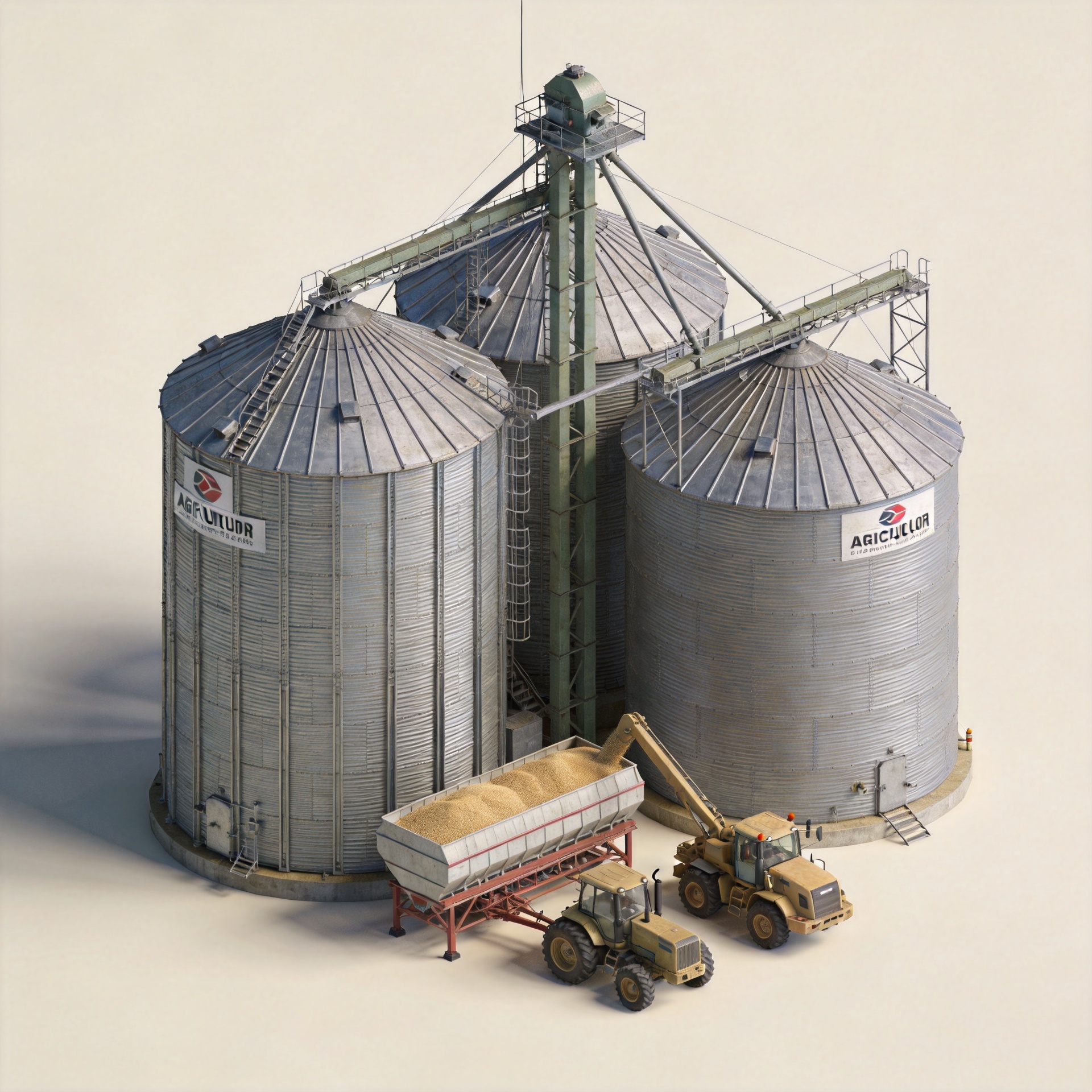
Plan an agricultural steel structure that scales from machinery barn to storage and farm logistics hub with practical design and procurement steps.
2026/10/26
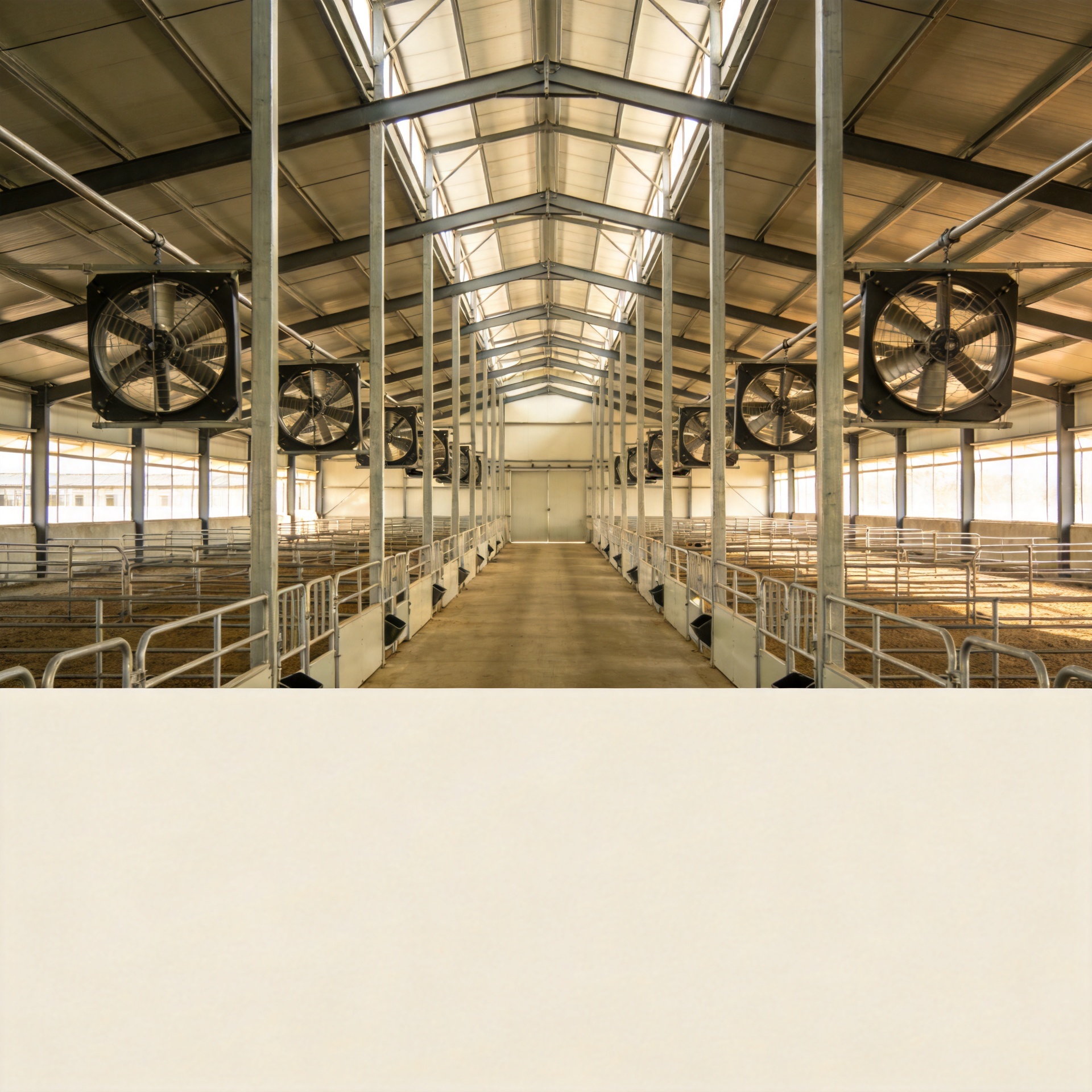
Plan a livestock steel structure for welfare, corrosion resistance, fire considerations, and efficient design-to-delivery decisions.
2026/10/26
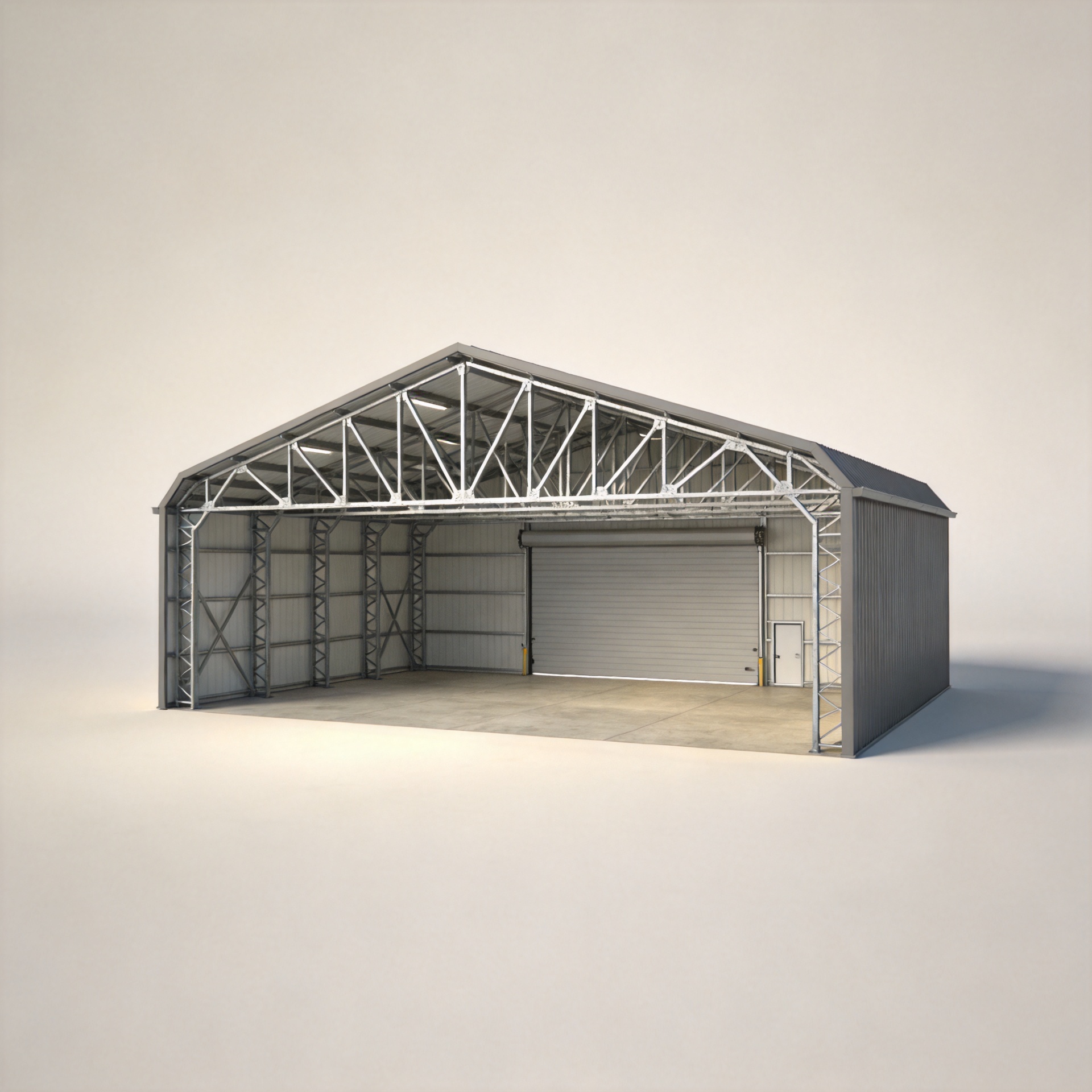
Plan an aircraft steel structure for hangars and support facilities with guidance on loads, corrosion, fire, EN 1090, and delivery milestones.
2026/10/26
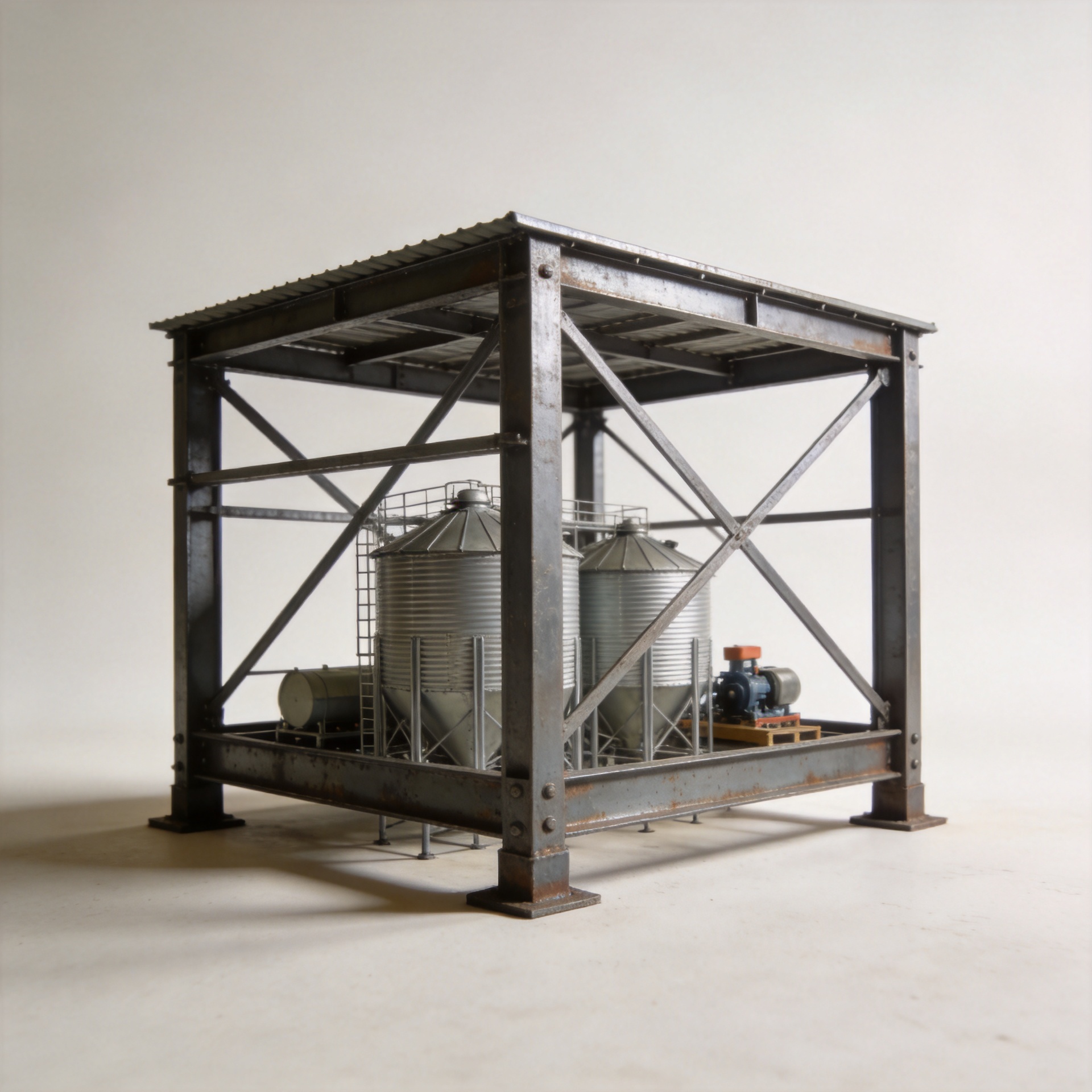
Choose a farm steel structure for agricultural storage with practical guidance on loads, corrosion, compliance, and delivery planning.
