 EN
Warehouse-Workshop Steel Structures: Dual-Use Design
2026/10/26
Plan a warehouse workshop steel structure with smarter zoning, flow, clear height, crane, fire, and expansion decisions.

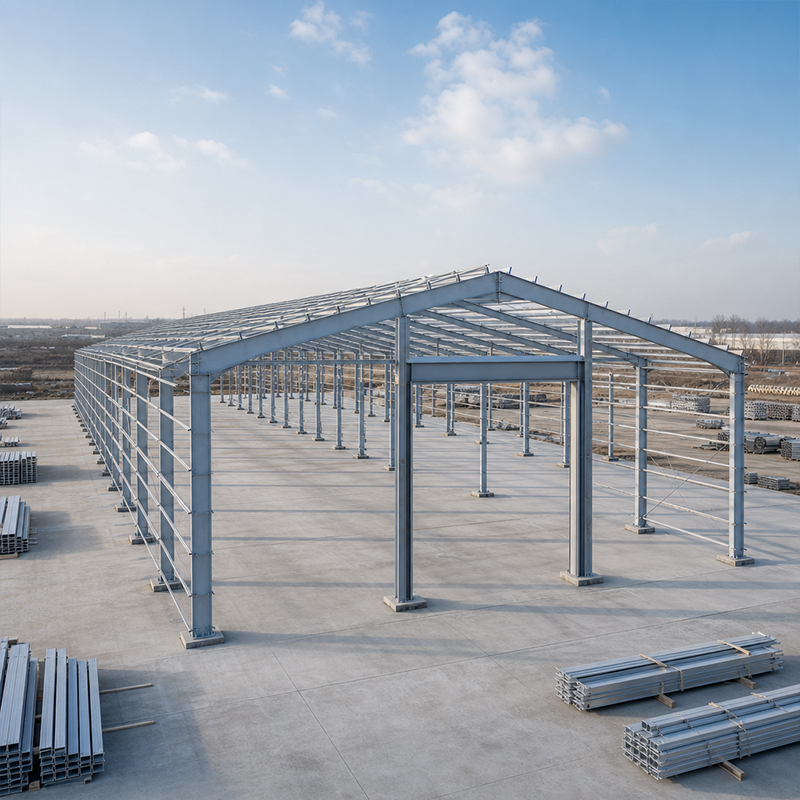
Choosing the right steel beam manufacturers shapes the safety, cost, and schedule of an entire frame. A beam is not a commodity bar of metal; it is a calculated load-carrying member whose grade, geometry, and weld quality decide how a structure behaves under crane loads, snow, and wind. Buyers who treat beams as a price-per-tonne line item often discover the real cost later, in rework, delay, or rejected inspection. The practical path is to vet the supplier on evidence: mill certificates, fabrication standards, and a realistic production plan.
Steel beam manufacturers that run their own rolling or fabrication lines can show mill test certificates linking each heat to its chemical and mechanical results. That paper trail matters because a structural steel beam must meet a declared grade such as Q355B or Q420B, not just a hopeful label. A trader who resells third-party stock may struggle to prove origin, which becomes a problem the moment a consultant or authority asks for traceability. Request the EN 10204 certificate type for every shipment and confirm the heat number is stamped on the member.
An i beam supplier should explain how web depth, flange width, and thickness distribute bending and shear. A heavier section is not automatically correct; the right choice follows the load path from roof and crane through columns to foundation. H beam manufacturer drawings normally pair the section with a connection detail, because a beam that fits the calculation but fails at the bolt line still risks the frame. Geometry, grade, and connection must be read together, which is why early engineering review saves more than a late discount.
For projects inside the European Economic Area, EN 1090 execution classes define how a beam is cut, drilled, and welded before it carries the CE mark. Steel beam manufacturers holding EN 1090 certification work to documented procedures for fit-up, dimensional tolerance, and traceability. An en 1090 beam arrives with a declaration that the execution class matches the design, which removes a common customs and compliance headache. Buyers exporting elsewhere still benefit, because the same discipline reduces field errors.
Robotic welding and qualified procedures protect the most stressed zones of a built-up member. ISO 3834 sets the welding-quality requirements, while ISO 9001 governs the wider management system that keeps inspection, calibration, and records consistent. A shop running CNC cutting and controlled welding delivers repeatable fit, so bolt-up on site stays fast and accurate. Steel beam manufacturers that log every weld map and calibration record make audit easy, and a calm, documented answer about non-conformities signals maturity more than a brochure full of equipment photos.
Lead time is rarely a single number; it is the sum of material procurement, cutting, welding, coating, and packing. Steel beam manufacturers that hold mill relationships and standard sections in plan can start cutting sooner, but a custom built-up member still needs its plate booked first. Map the critical path with the supplier and ask which activity sits on the longest chain. A transparent sequence lets a buyer plan foundation and crane hire around a fixed date instead of a promise.
Coating choice also moves the calendar. Hot-dip galvanizing adds a tank-and-cool cycle, while a glass flake coating needs curing windows, and both extend the true delivery date. Smart buyers build a buffer for inspection hold points and sea freight, then confirm the packed-list and load plan early. ASTM and AISC references help when the destination is North America, where local review may request specific marking. The aim is a plan where one late step does not cascade across the whole site. Early alignment on incoterms and destination port also closes the hidden gaps that open between the factory gate and the site.
A short document pack tells most of the story: valid EN 1090 and ISO certificates, recent mill certs, a sample fabrication drawing, and references from similar export jobs. Steel beam manufacturers confident in their system share these without drama and explain how they control high strength bolt holes and camber. Visit the shop if the volume justifies it; watching a robot weld line and the QA station answers questions that email cannot.
Watch for quotes that omit grade, execution class, or coating thickness, since missing data usually means missing control. A price far below the market often hides substituted sections or skipped certification, which a port inspector will catch at the worst moment. Insist that the quotation states Q355B-Z35 where laminar tearing is a risk, names the bolt spec such as 10.9S, and fixes the tolerance band. Reputable steel beam manufacturers state every spec openly; a vague offer is the risk a buyer should refuse.
Sourcing structurally safe beams comes down to evidence, not slogans. The steel beam manufacturers worth partnering with prove grade with mill certs, prove skill with EN 1090 and ISO 3834, and prove reliability with a realistic, sequenced plan. Build the document check and the buffer into the contract, question any quote that hides its spec, and the frame arrives inspectable, on time, and fit for decades of service.
What documents should accompany a structural steel beam shipment?
Answer: A shipment should include mill test certificates, the EN 1090 declaration of conformity, a packing list with heat numbers, and fabrication drawings. These papers let a consultant verify grade and execution class against the design. Missing documents slow customs clearance and site acceptance. Request the EN 10204 certificate type so each heat traces to its mechanical results, and confirm stamps on the member match the paperwork before unloading.
Why does EN 1090 matter for exported beams?
Answer: EN 1090 sets execution classes that govern cutting, drilling, welding, and traceability before a beam earns the CE mark. The standard protects the buyer because the supplier must follow documented fit-up and inspection procedures. For European projects the mark is mandatory; for other regions the same discipline reduces field errors and rejected loads. Confirm the execution class matches the design load, since a lower class may not satisfy the structural calculation.
How is lead time for built-up beams calculated?
Answer: Lead time sums material procurement, CNC cutting, welding, coating, and packing, not a single fixed figure. Custom built-up members need plate booked first, so that step sits on the critical path. Coating choice also shifts the date: galvanizing adds a tank cycle, while glass flake needs curing. Map the sequence with the supplier, build a buffer for inspection and freight, and plan foundation work around the confirmed date.
Which grade suits beams at risk of laminar tearing?
Answer: Q355B-Z35 is specified where through-thickness tension could cause laminar tearing at welded joints. The Z-direction quality controls sulphur and improves through-thickness ductility at heavy connections. Standard Q355B serves most primary frames, while Q420B fits high-strength demands. The engineer selects the grade from the joint detail and loading, so the quotation must name it explicitly. Substituting a plain grade at a thick connection invites hidden cracking risk.
Can coating choice affect beam delivery schedule?
Answer: Coating choice moves the calendar because each system needs its own process window. Hot-dip galvanizing requires a tank and cool cycle, and glass flake coating needs curing before handling. Steel beam manufacturers schedule these after welding, so the finish is part of the true lead time, not a separate afterthought. Agree the coating and thickness in the spec, then confirm the supplier buffers inspection hold points before freight booking.
2026/10/26
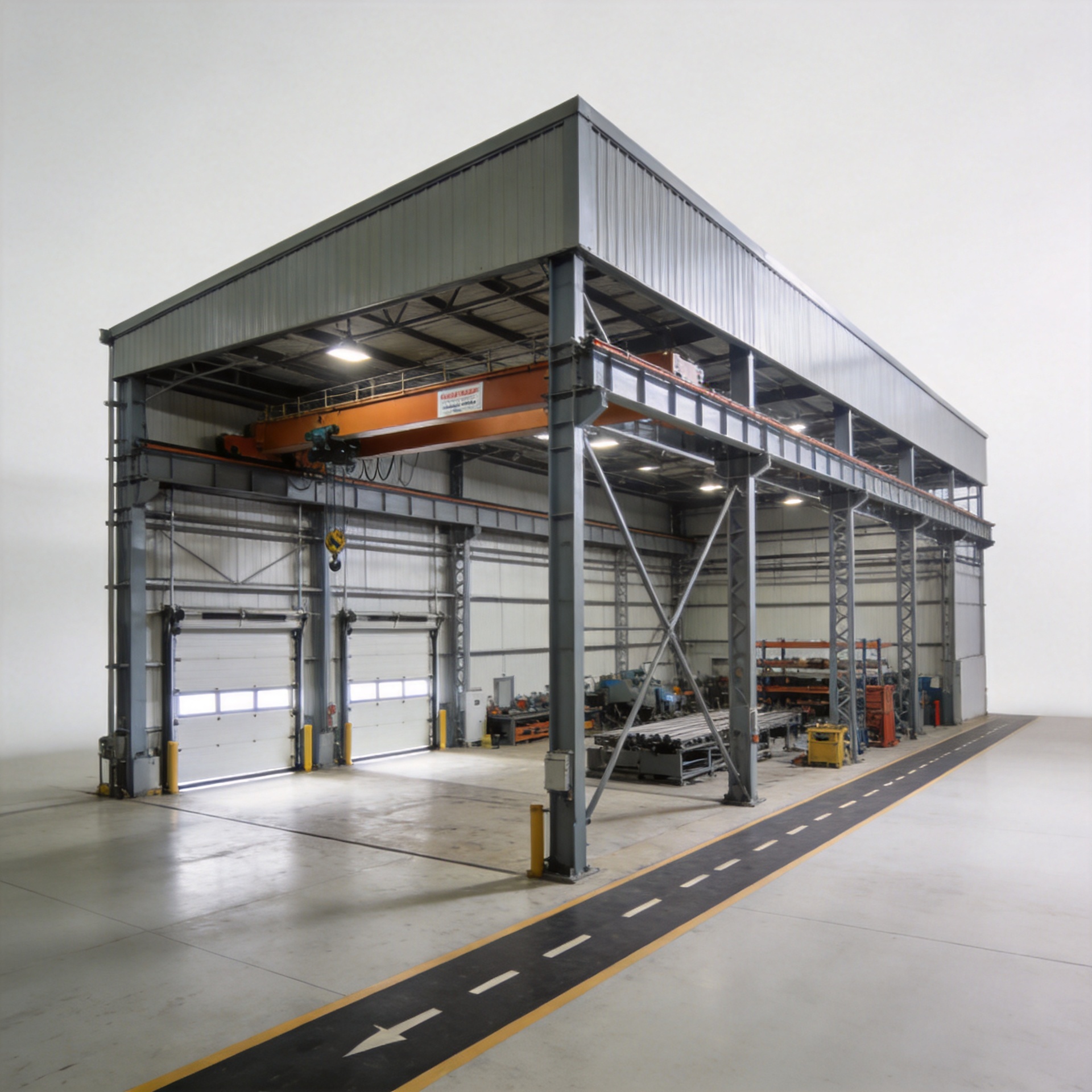
Plan a warehouse workshop steel structure with smarter zoning, flow, clear height, crane, fire, and expansion decisions.
2026/10/26
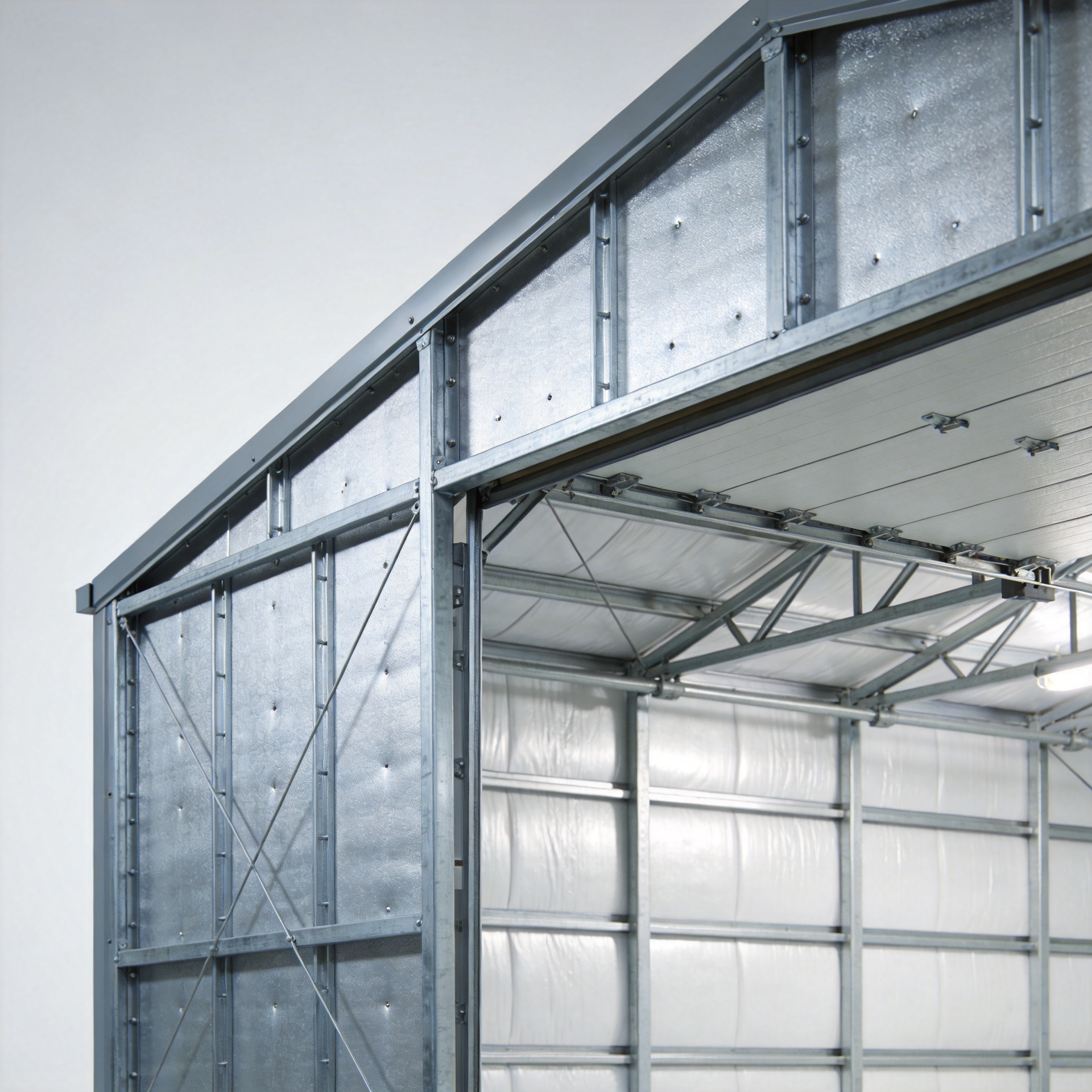
Plan a cold storage steel structure with insulation, vapor control, thermal breaks, refrigeration interfaces and corrosion-ready details.
2026/10/26
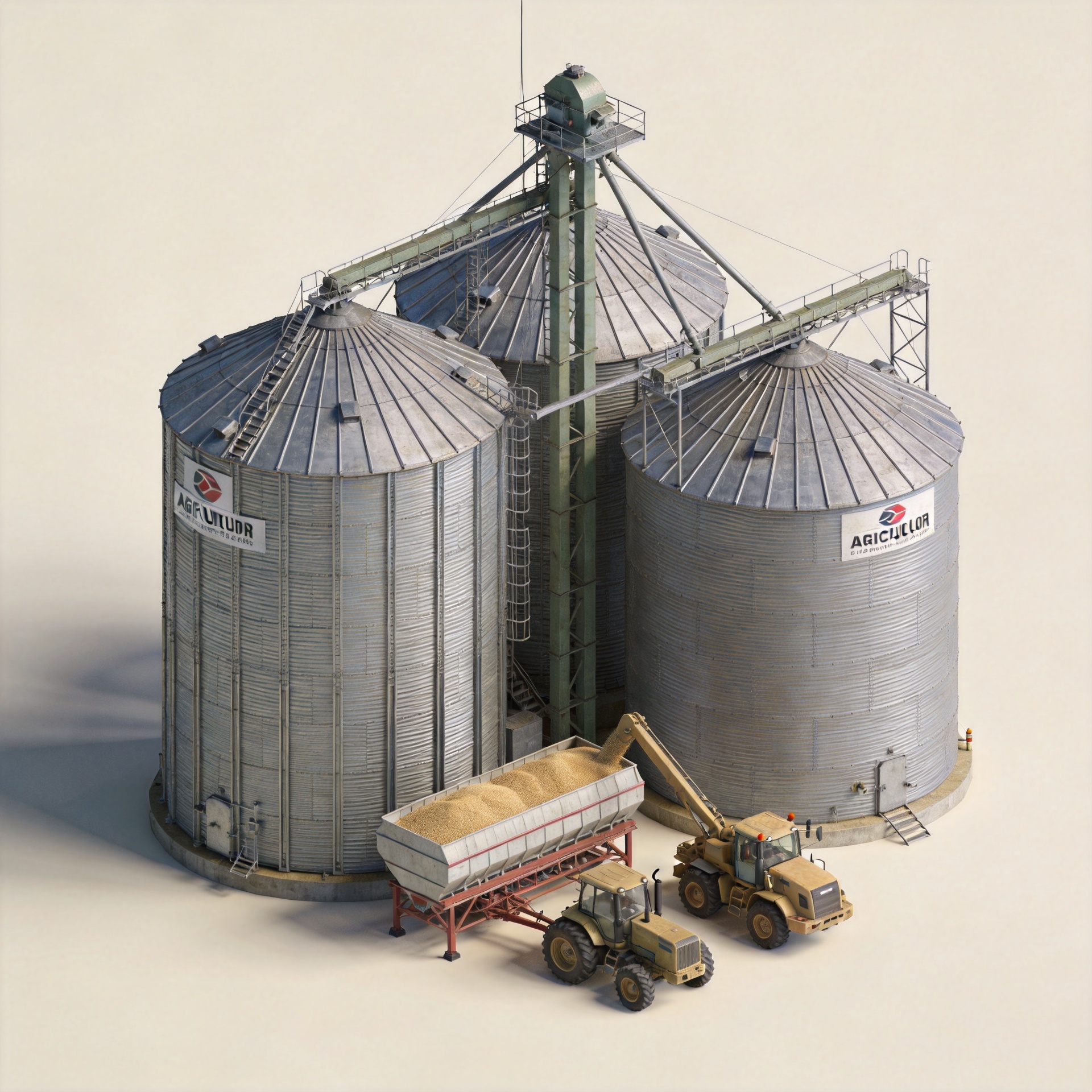
Plan an agricultural steel structure that scales from machinery barn to storage and farm logistics hub with practical design and procurement steps.
2026/10/26
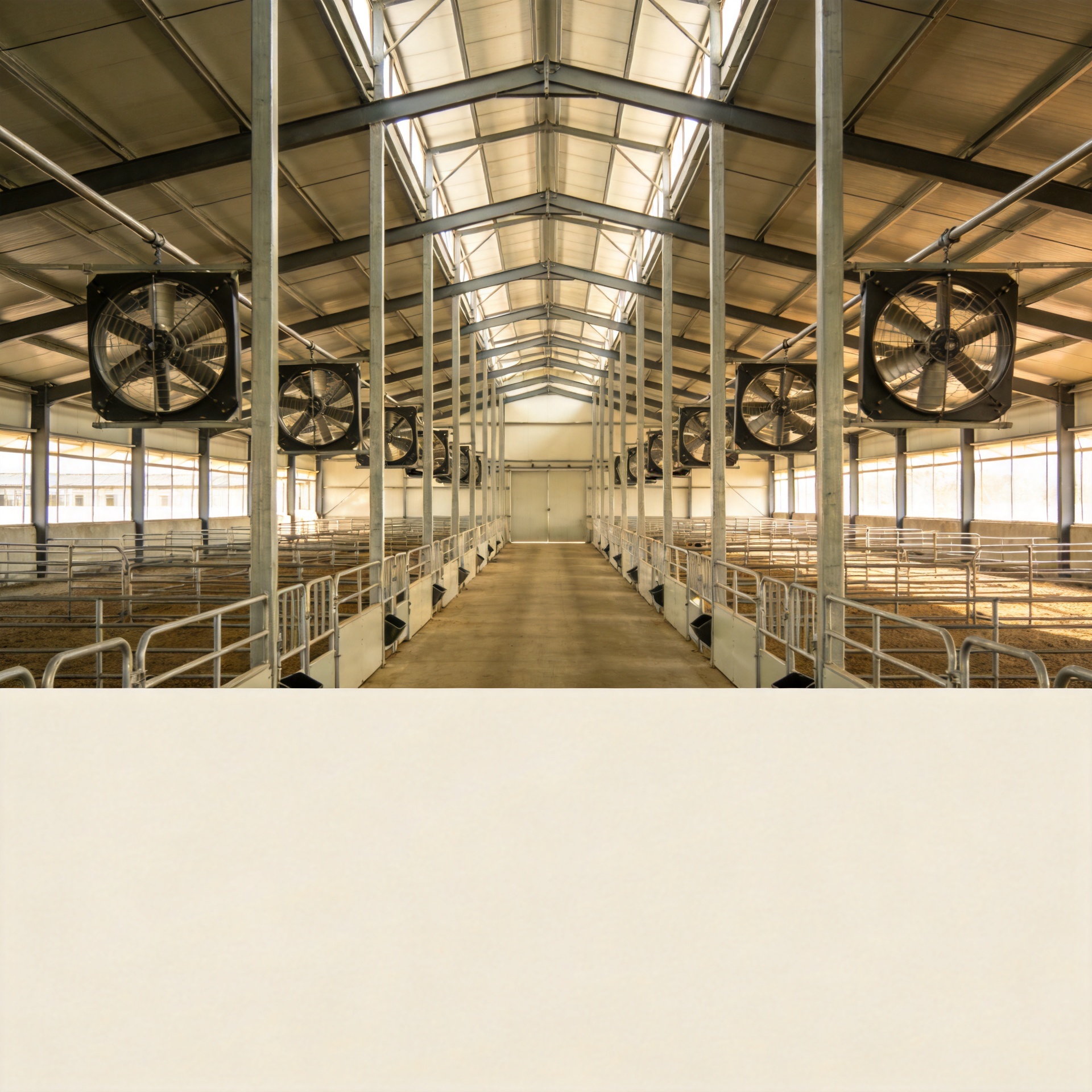
Plan a livestock steel structure for welfare, corrosion resistance, fire considerations, and efficient design-to-delivery decisions.
2026/10/26
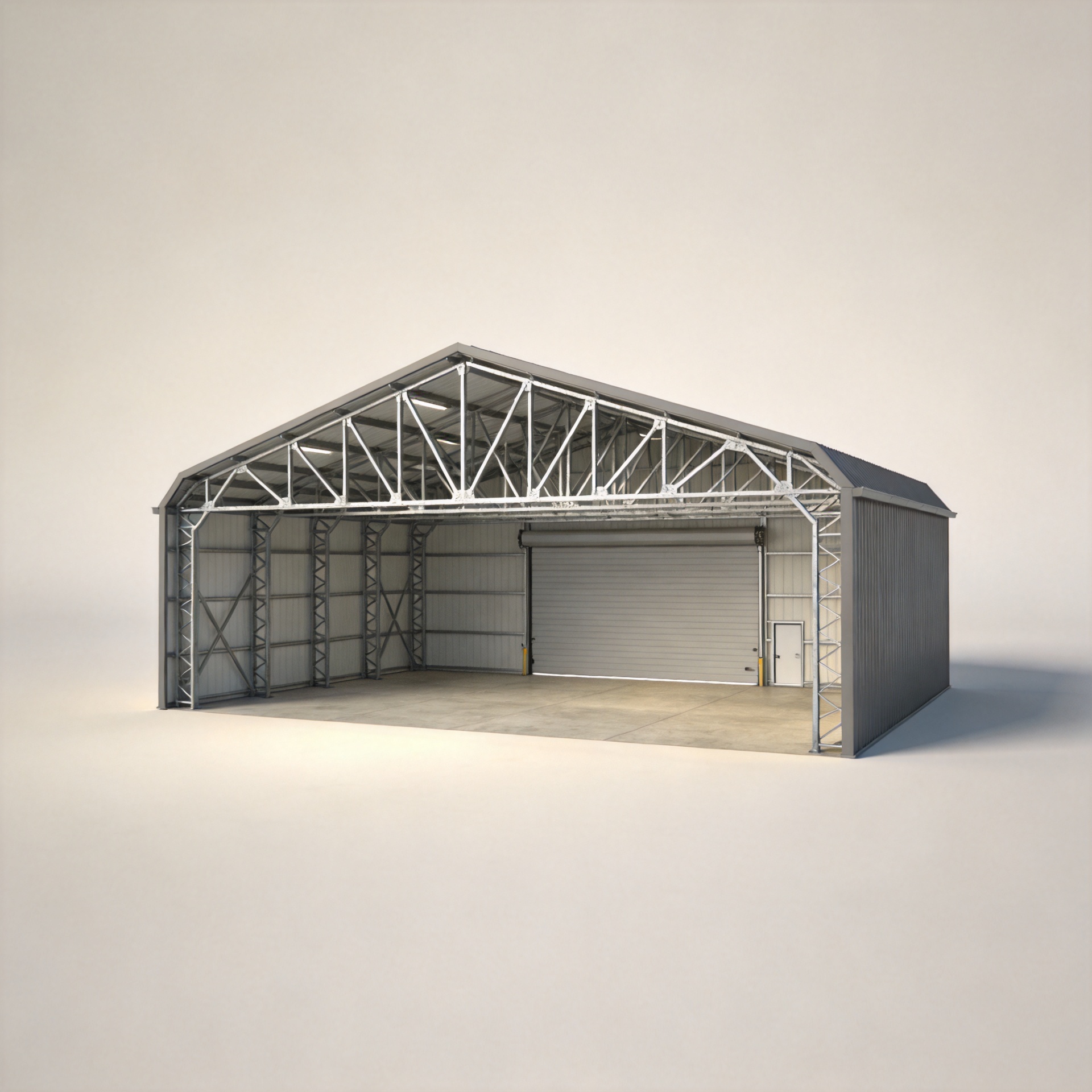
Plan an aircraft steel structure for hangars and support facilities with guidance on loads, corrosion, fire, EN 1090, and delivery milestones.
2026/10/26
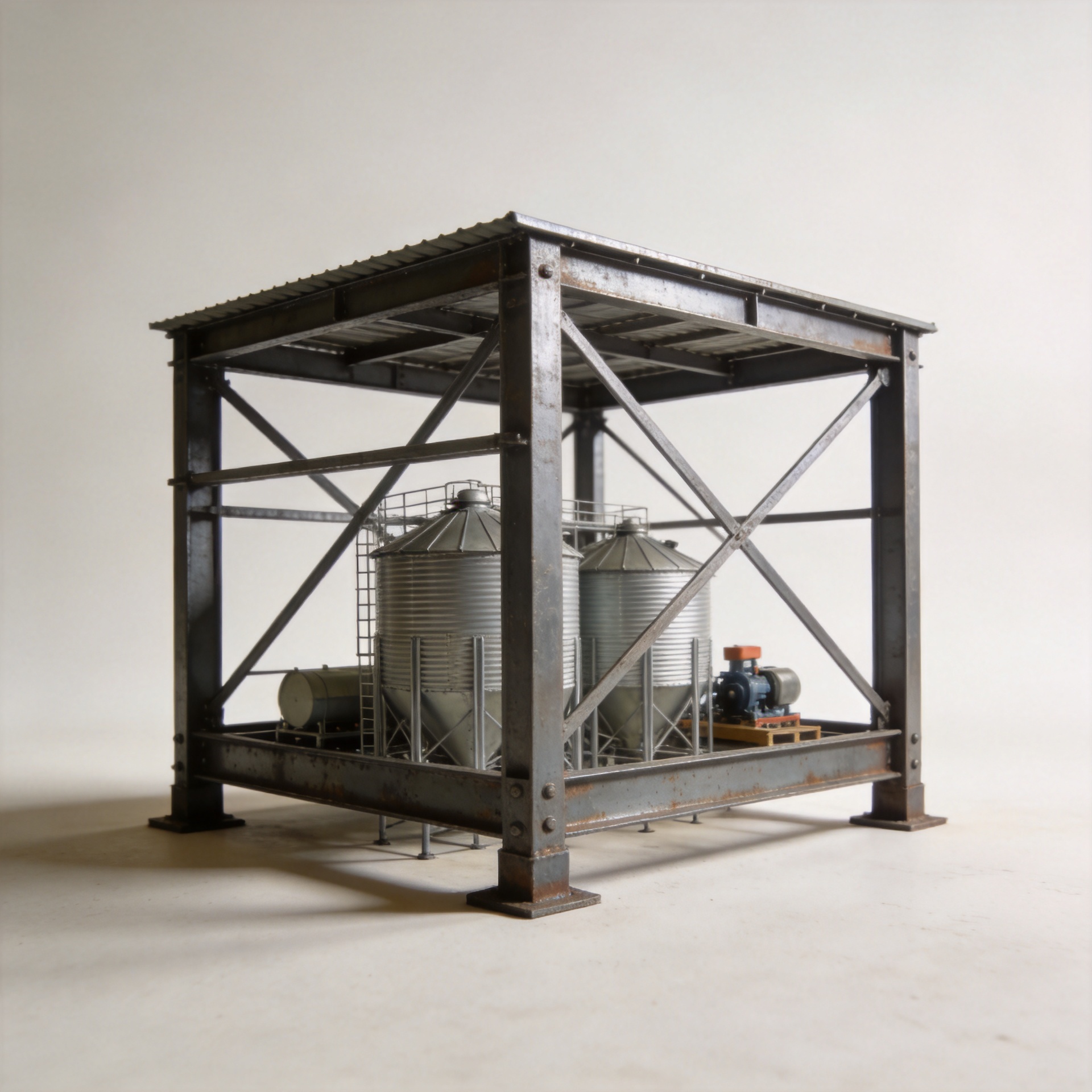
Choose a farm steel structure for agricultural storage with practical guidance on loads, corrosion, compliance, and delivery planning.
