 EN
Warehouse-Workshop Steel Structures: Dual-Use Design
2026/10/26
Plan a warehouse workshop steel structure with smarter zoning, flow, clear height, crane, fire, and expansion decisions.

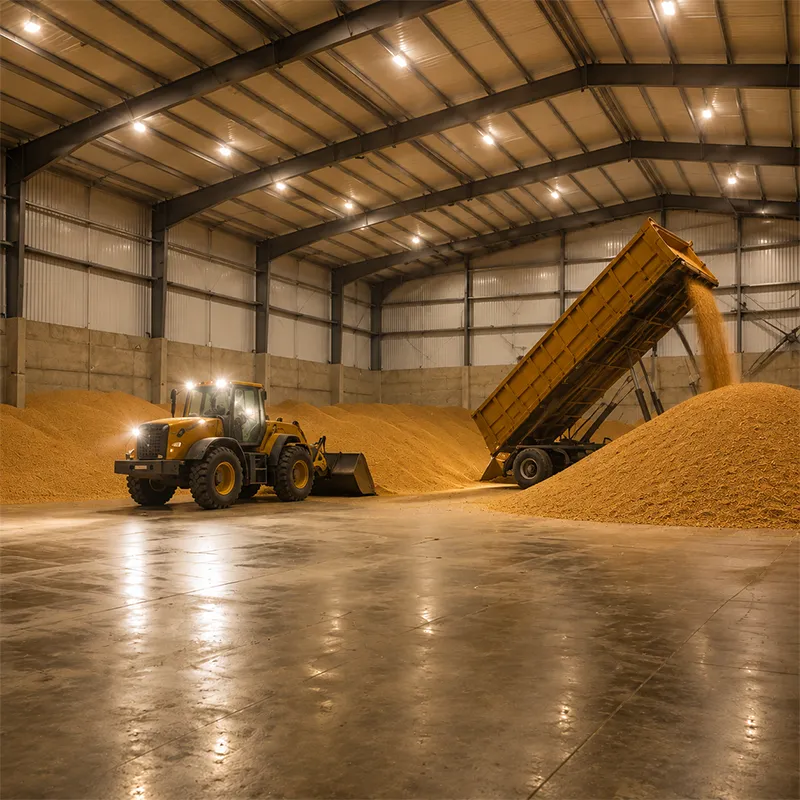
Placing a regional distribution center is a network decision, not just a real estate one. The facility sits between the national hub and last-mile delivery, balancing transport cost against service speed. A well-sited steel logistics building shortens truck routes and lifts cube utilization. Site choice also drives labor access, tax and expansion room. Getting the location and the structure right together protects throughput for a decade of growth.
A regional distribution center serves a defined geographic band, typically one to two days by road from customers. Draw area size sets the building footprint and dock count. Placing the node near highways and rail cuts line-haul cost and supports steel logistics efficiency. Demographic and freight data, not gut feel, should define the band. The steel structure then adapts to whatever volume that band demands, with clear span bays sized for the forecast.
Operating cost depends on the local workforce and rules. A site with skilled lift operators and reasonable wage scales keeps the regional distribution center running without constant turnover. Zoning for heavy warehouse distribution use, height limits and fire safety codes must clear before purchase. Tax incentives and utility reliability matter over a twenty-year horizon. Buyers should visit at peak hour to judge road congestion that no spreadsheet captures.
The structural steel shell defines how goods move. A clear span frame removes interior columns so racking and trailer docks use the full floor. Dock doors should match inbound and outbound cycles; a regional distribution center with too few doors creates yard queues at peak. Q355B steel trusses allow wide spans at lower weight. The fabricator must confirm load capacity and seismic zone before cutting on the CNC line.
A 150 mm PIR insulated envelope stabilizes interior temperature and cuts energy for a large footprint. Hot-dip galvanizing plus glass flake coating protects the steel structure in humid or coastal sites. EN 1090 and ISO 3834 confirm the weld quality behind every joint. Sandwich panel cladding speeds erection and seals the building. Specifying these up front keeps the warehouse distribution operation efficient and lowers lifecycle cost. Glass flake coating paired with hot-dip galvanizing resists salt and humidity near ports. C&Z galvanized purlins and 10.9S high-strength bolts complete the envelope and frame. A fabricator using FEA to model loads delivers a shell that performs as drawn, avoiding thermal bridging and condensation that spoil stored goods.
High cube storage needs racking planned around the steel frame, not the other way. Selective, drive-in and mezzanine systems each fit different SKU velocities. Aisle width follows the forklift type and automation plan. The regional distribution center benefits when racking aligns with dock doors so inbound flows straight to reserve. CE marking and ISO 9001 documentation give auditors confidence in handling standards across the network. Mezzanine levels add cube without expanding the footprint, while OSHA-aligned aisle marking keeps traffic safe. Span and bay spacing should follow the chosen racking, not a catalog default. A frame planned with the storage method in mind avoids costly re-layout once pallets start moving through the dock doors.
Automation-ready slabs and extra eaves height let a regional distribution center add conveyors later without rebuilding. Spare bays, oversized dock counts and a modular portal frame absorb volume swings. Drainage slope and foundation design should anticipate heavier future loads. With AISC and MBMA guidance, the pre-engineered steel building grows by extending the frame, not starting over. Early planning turns expansion from a project into a routine.
Ask the fabricator for EN 1090, ISO 9001 and CE marks before signing. ISO 3834 welding quality and robotic welding seams signal a controlled shop. Verify steel grade certificates for Q355B or Q420B and the anti-corrosion coating system. A site visit to the 12,000 m² manufacturing base shows CNC cutting and assembly discipline. These checks protect the regional dc against premature fatigue and costly rework. Request photos of the robotic welding cells and the CNC cutting table in operation. Confirm Q420B high-strength steel is available for long-span trusses when the footprint is wide. ISO 3834 records should show weld procedure qualification. A transparent shop that shares test reports earns trust faster than any brochure claim about capability.
Before occupation, test dock levelers, fire safety systems and the building envelope under load. Compare as-built drawings to the steel structure spec and confirm racking anchors. A clear handover with ISO 9001 records simplifies future audits. The storage building should then track energy and throughput from day one. A disciplined commissioning step keeps the warehouse distribution center reliable through every peak season. Confirm 10.9S bolt tensions across the frame and that drainage slope moves water away from the slab. Verify PIR panel joints are sealed against air leakage. With ISO 9001 handover files in place, future audits and insurance reviews proceed smoothly, and the team learns the building's behavior before the first real surge arrives.
A regional distribution center succeeds when site and structure are chosen as one system. Pick the draw area with freight data, then specify a clear span steel frame, generous docks and a coated envelope rated for the climate. EN 1090, ISO 9001 and CE marks confirm the build meets European expectations. Planning expansion into the original design keeps the node agile as volume grows across the network.
What role does a regional node play in a supply network?
Answer: A regional distribution center sits between the national hub and local delivery, covering a one-to-two-day road band. It balances transport cost against service speed by pre-positioning stock closer to customers. The steel logistics building supports that role with clear span storage and ample docks. Getting the node right cuts line-haul miles and lifts cube use, so the whole network responds faster to demand shifts.
Why does site selection outweigh the building cost?
Answer: Site drives decades of transport, labor and tax expense that dwarf the steel shell price. A poor draw area lengthens truck routes and raises delivery cost every single day. Zoning for warehouse distribution use and fire safety clearance must clear before purchase. Skilled local operators keep the regional dc stable. Choosing location with freight data, not intuition, protects throughput and avoids a costly relocation later.
How should the steel building be specified for throughput?
Answer: Specify a clear span steel frame so racking and trailer docks use the full floor without interior columns. Size dock doors to inbound and outbound cycles to avoid yard queues at peak. Q355B steel trusses allow wide spans at lower weight, while EN 1090 and ISO 3834 confirm weld quality. A 150 mm PIR insulated envelope stabilizes temperature and cuts energy. Matching structure to flow keeps handling cost low across the network.
When is automation worth adding to a regional dc?
Answer: Automation pays when SKU velocity and order volume stay high enough to justify conveyors and sortation. A regional dc should pour automation-ready slabs and extra eaves height during the first build, so equipment installs later without tearing up floors. Start with dock and racking efficiency, then add robotics as volume proves steady. Planning growth into the original portal frame avoids a disruptive rebuild down the line.
Which certifications matter most for the steel structure?
Answer: EN 1090 and CE marks confirm the structural steel meets European conformity for the frame and connections. ISO 9001 governs the quality system behind fabrication, while ISO 3834 covers welding. Ask for steel grade certificates on Q355B or Q420B and the anti-corrosion coating spec. A fabricator running robotic welding and CNC cutting under these standards delivers a storage building that stays reliable through decades of heavy use.
2026/10/26
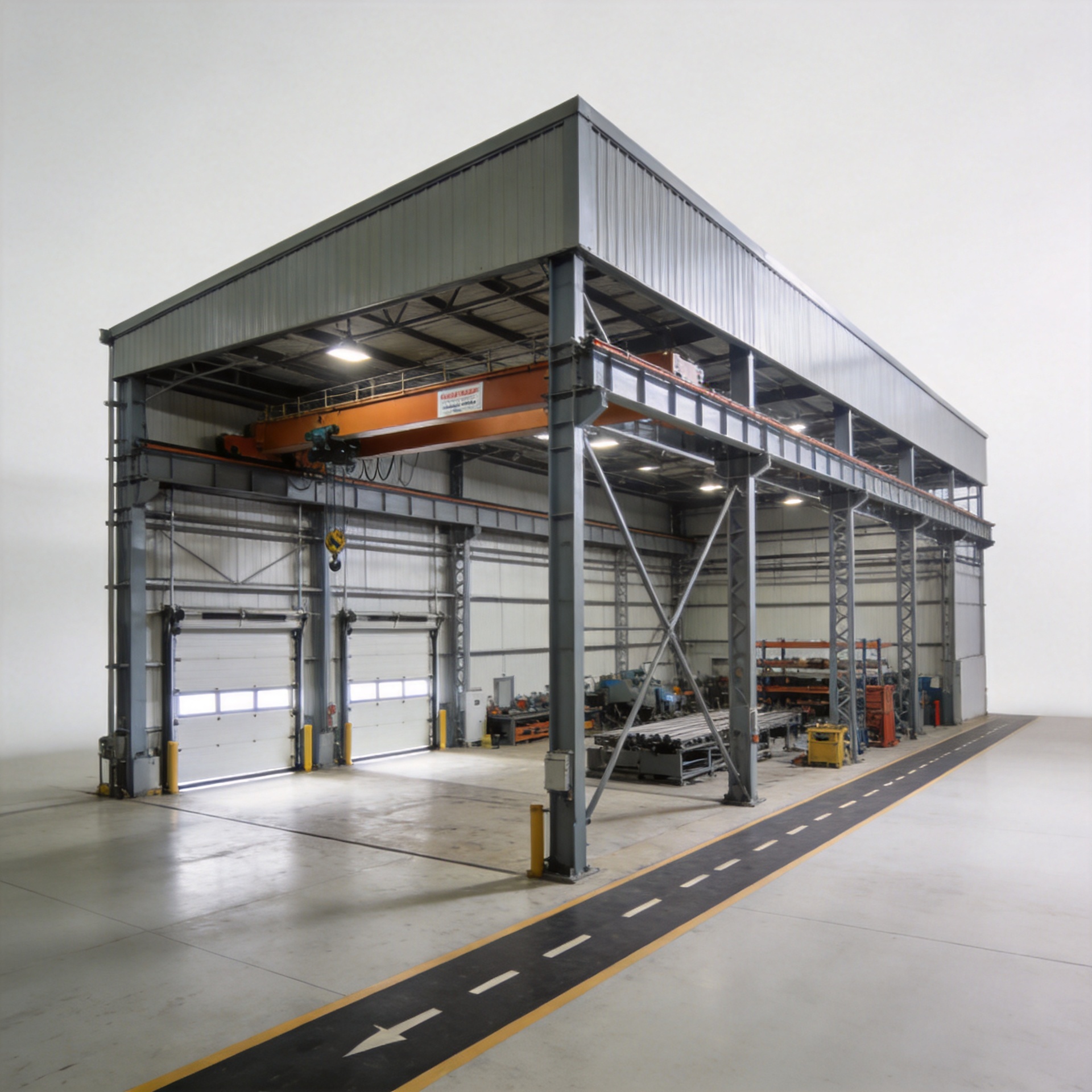
Plan a warehouse workshop steel structure with smarter zoning, flow, clear height, crane, fire, and expansion decisions.
2026/10/26
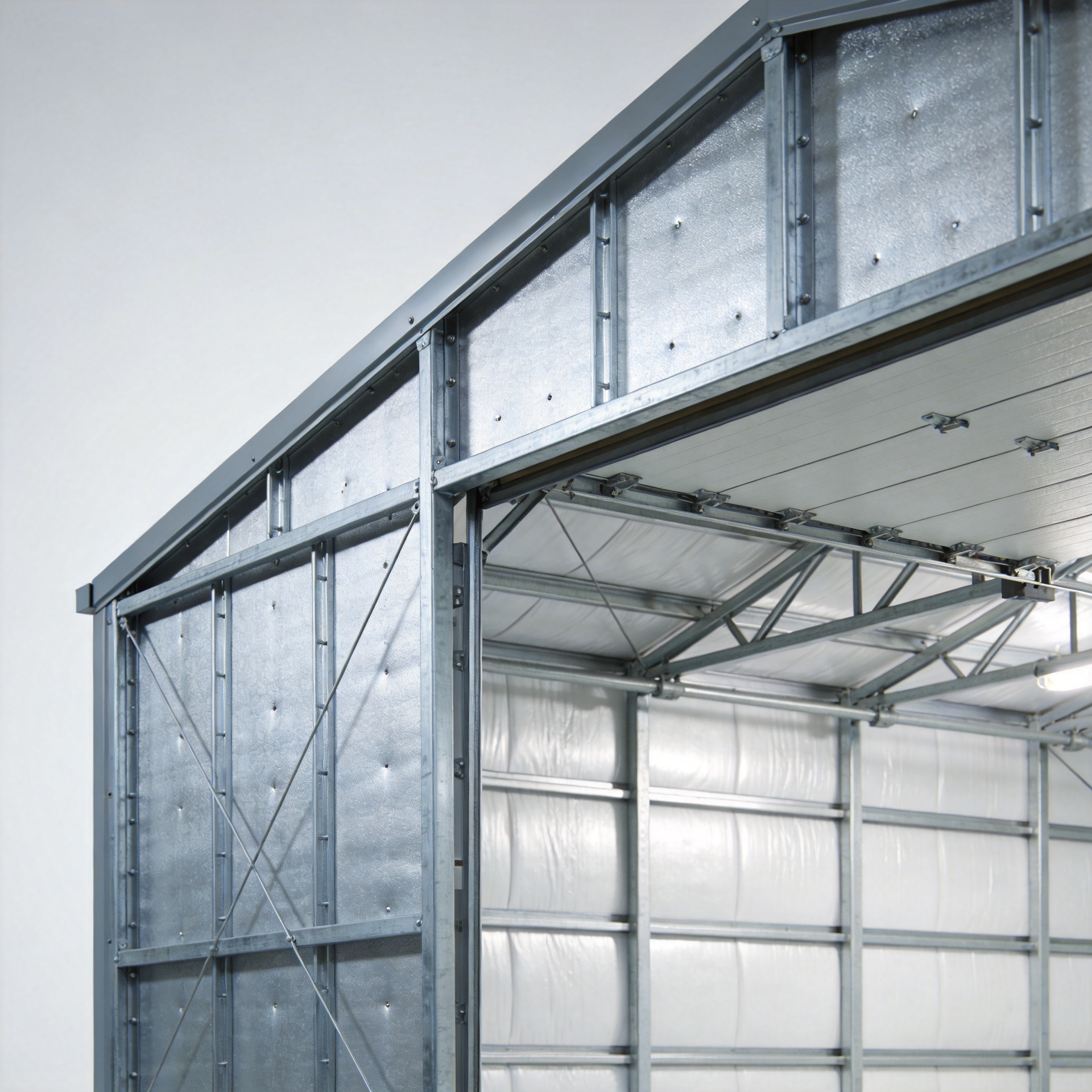
Plan a cold storage steel structure with insulation, vapor control, thermal breaks, refrigeration interfaces and corrosion-ready details.
2026/10/26
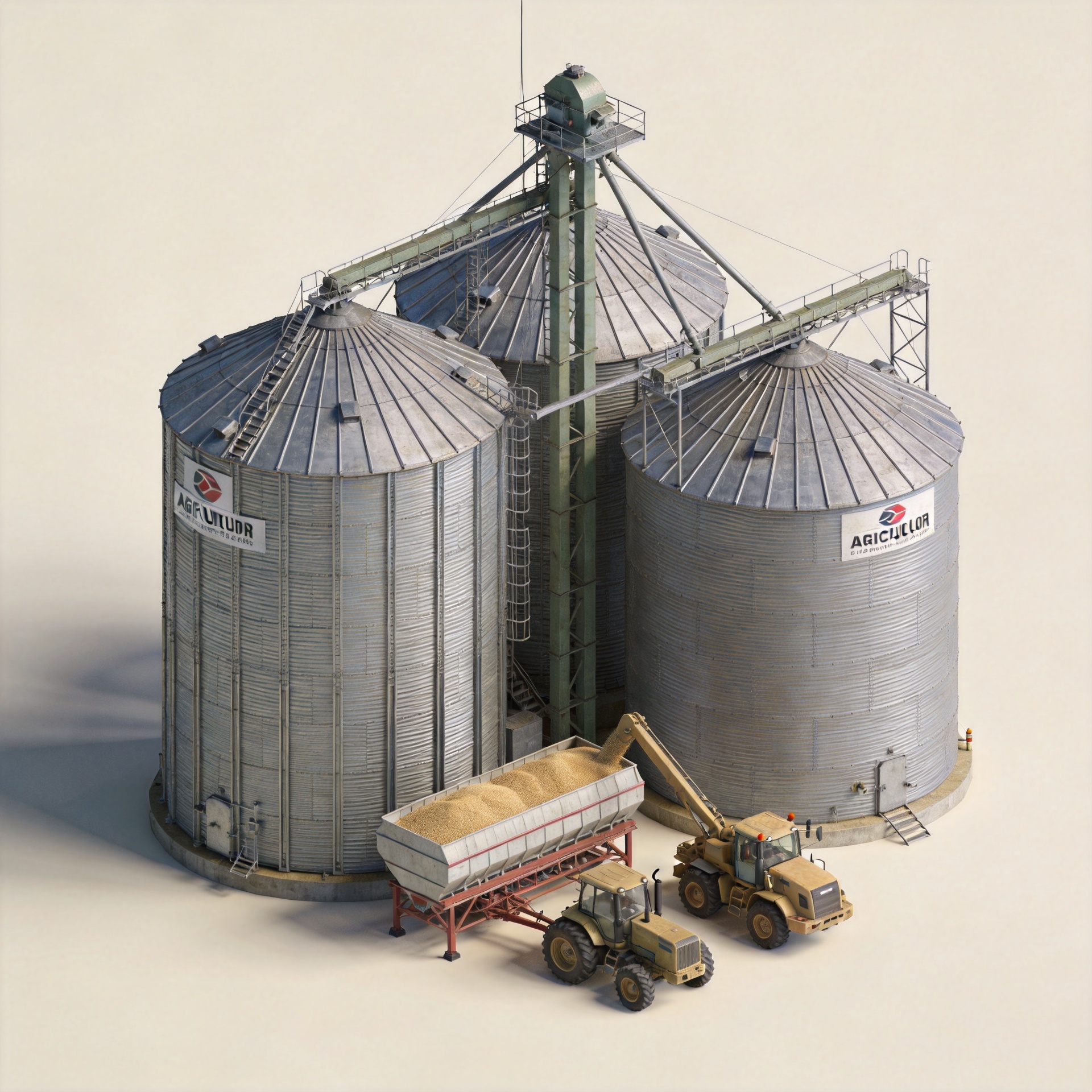
Plan an agricultural steel structure that scales from machinery barn to storage and farm logistics hub with practical design and procurement steps.
2026/10/26
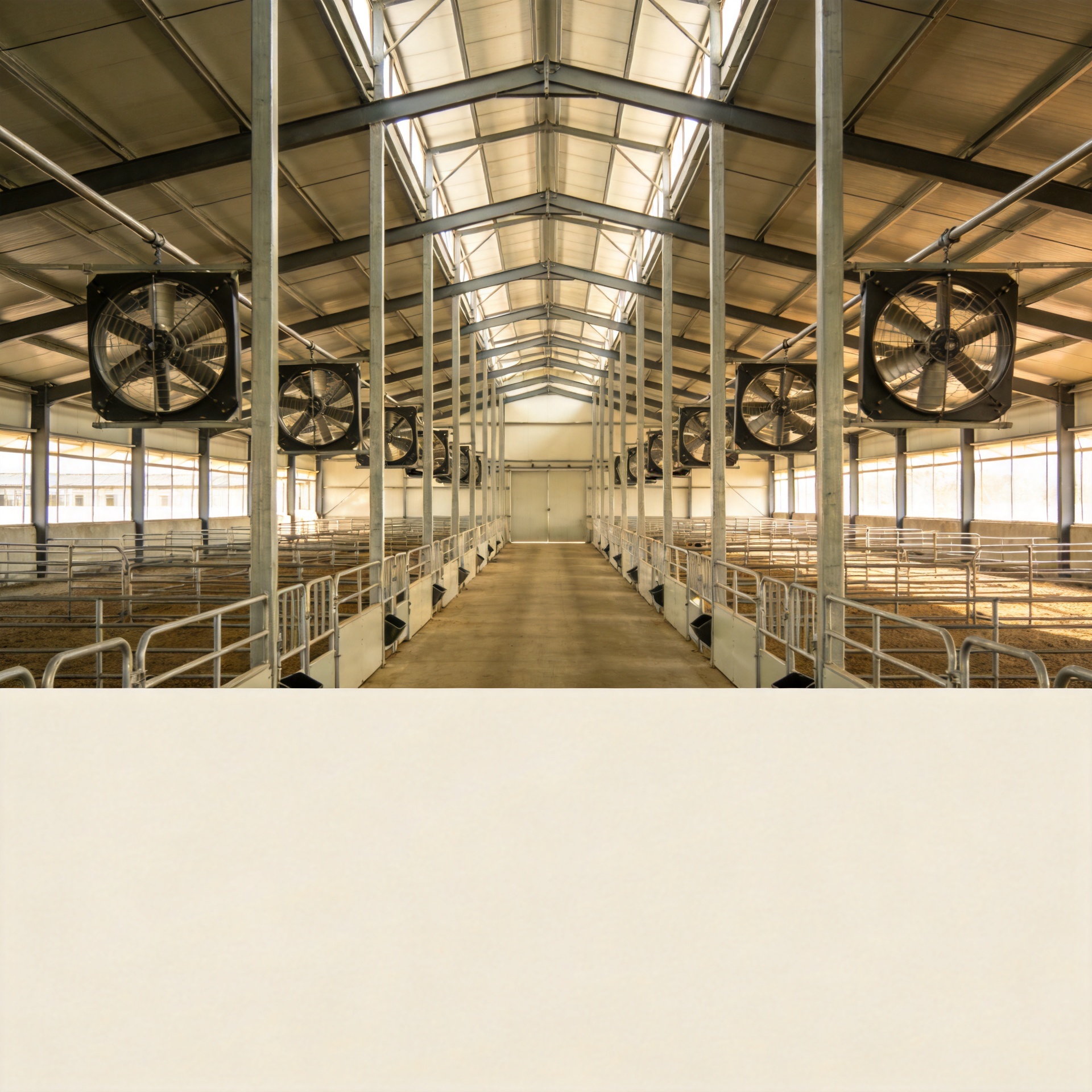
Plan a livestock steel structure for welfare, corrosion resistance, fire considerations, and efficient design-to-delivery decisions.
2026/10/26
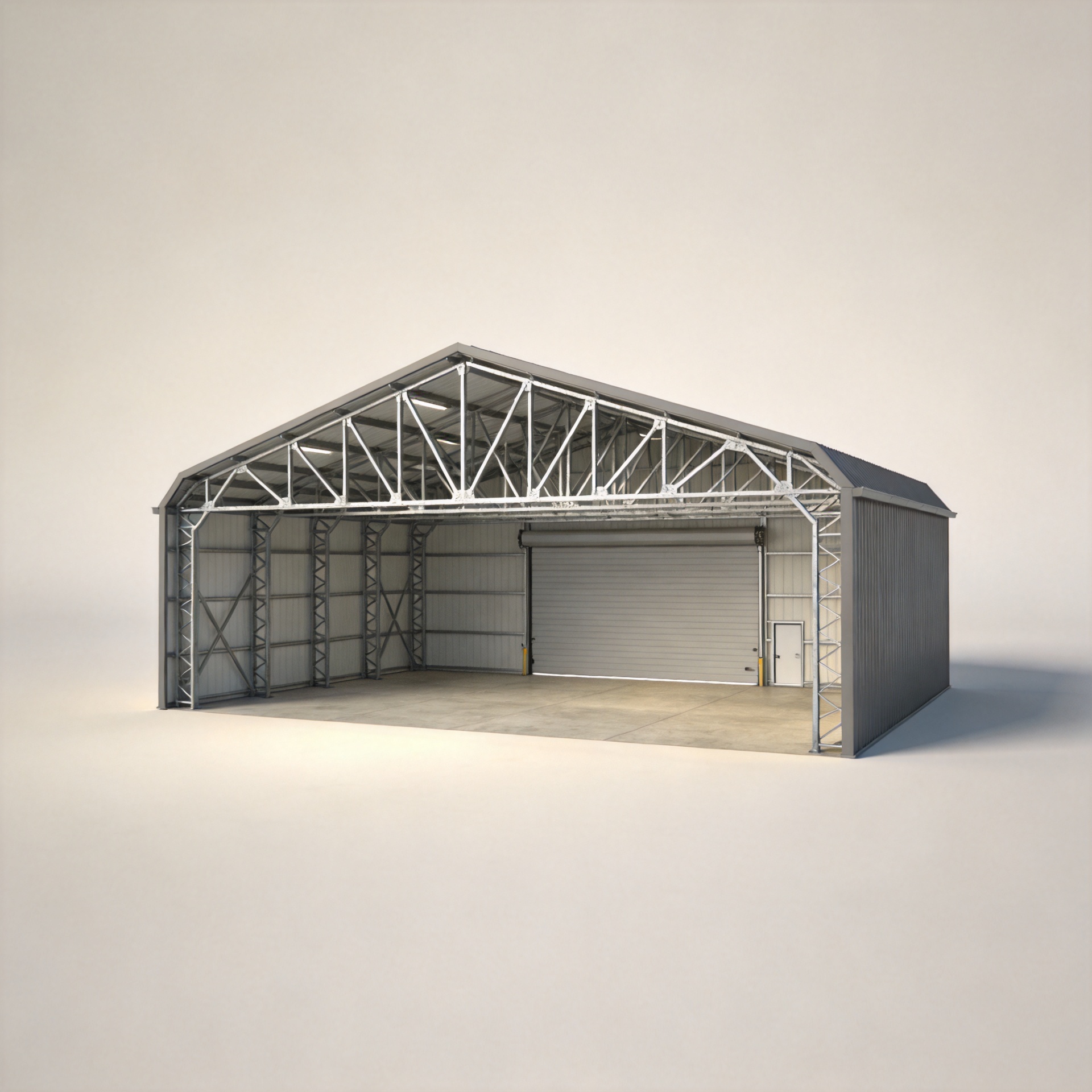
Plan an aircraft steel structure for hangars and support facilities with guidance on loads, corrosion, fire, EN 1090, and delivery milestones.
2026/10/26
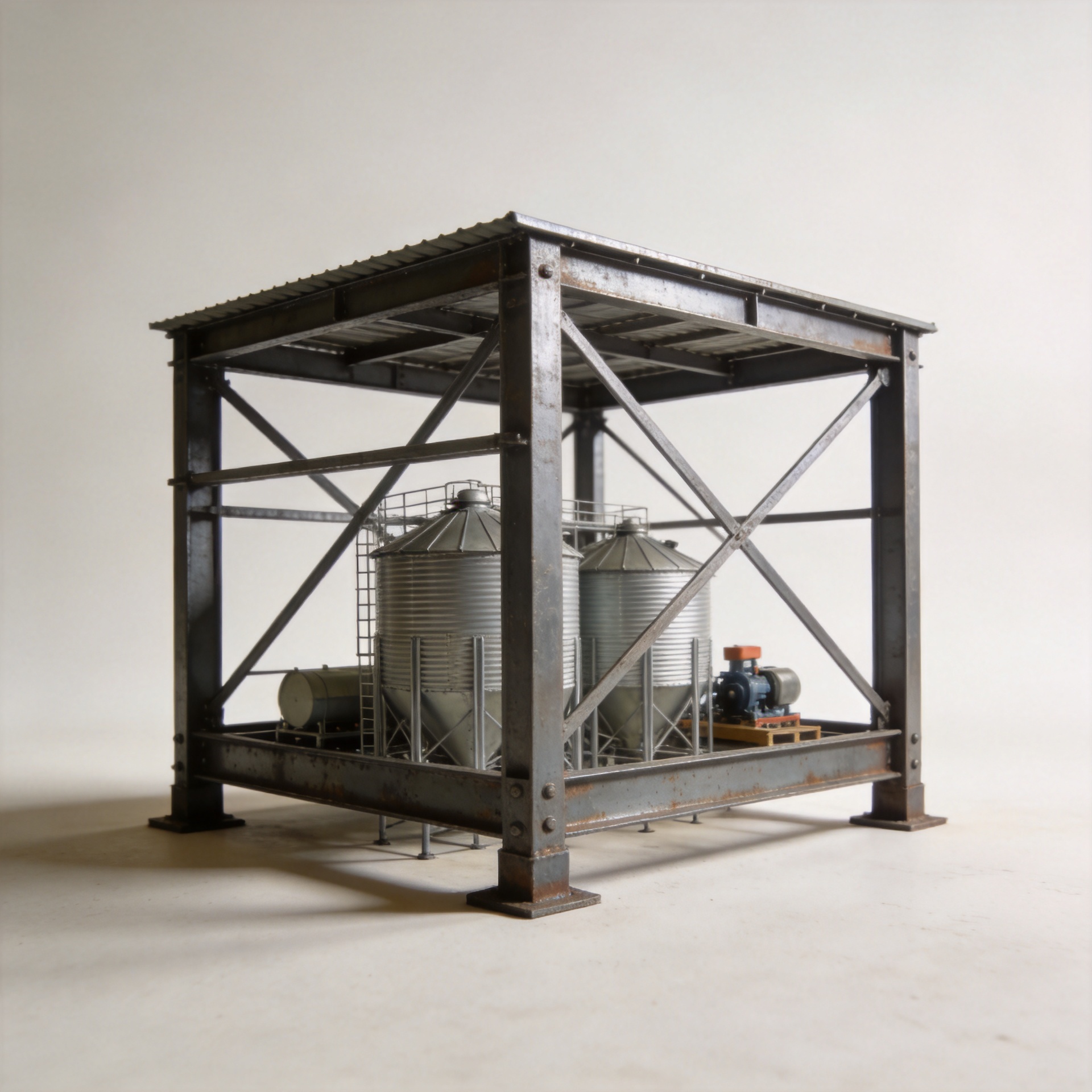
Choose a farm steel structure for agricultural storage with practical guidance on loads, corrosion, compliance, and delivery planning.
