premium-textile-manufacturing-plant--elite-engineered-steel-fabric-building-expert, premium-textile-manufacturing-plant--elite-engineered-steel-fabric-building-expert, /specialized-processing-units
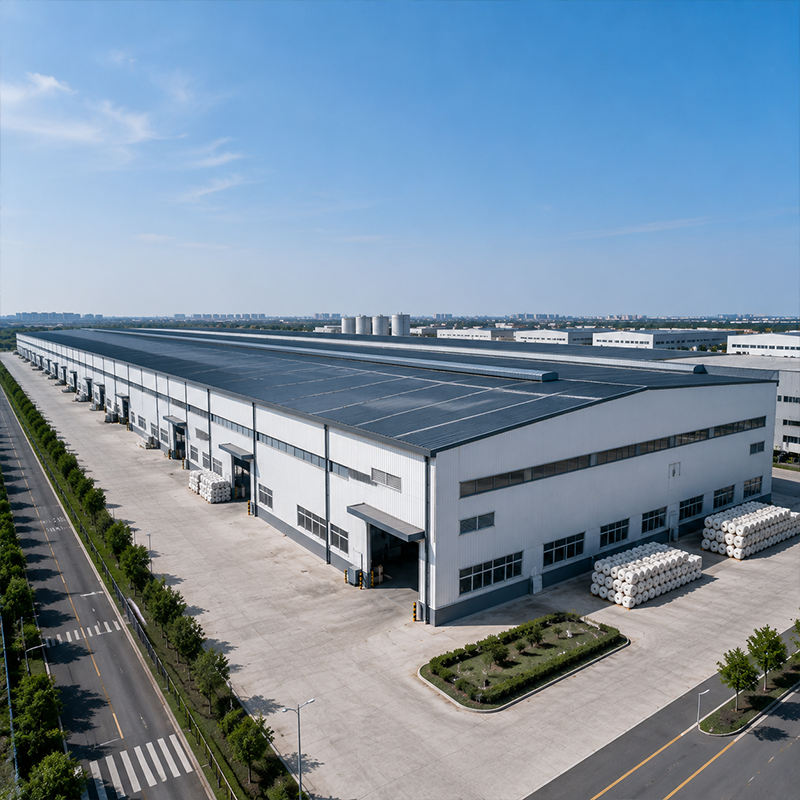
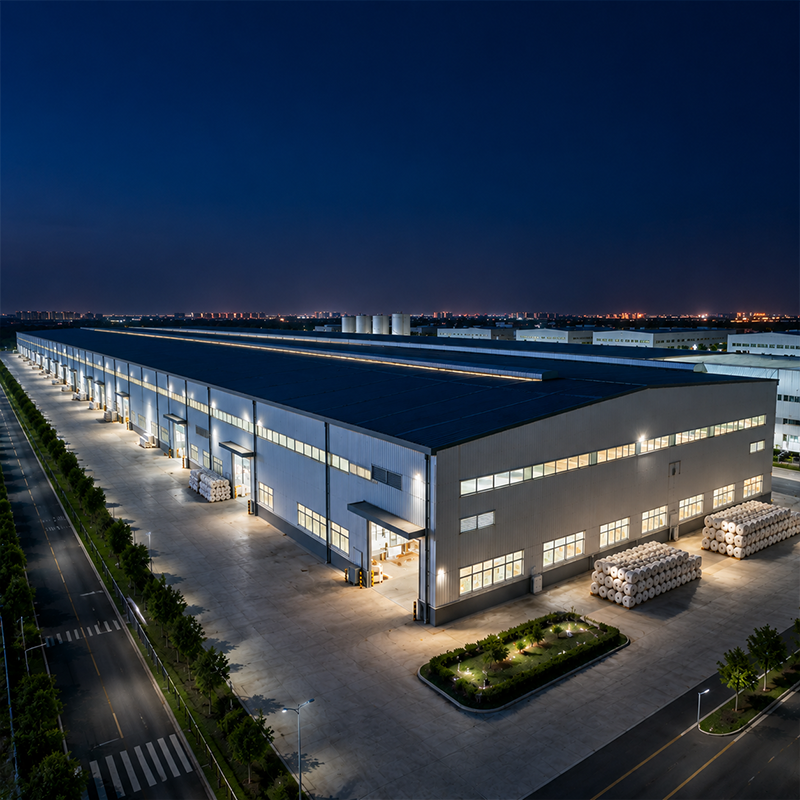
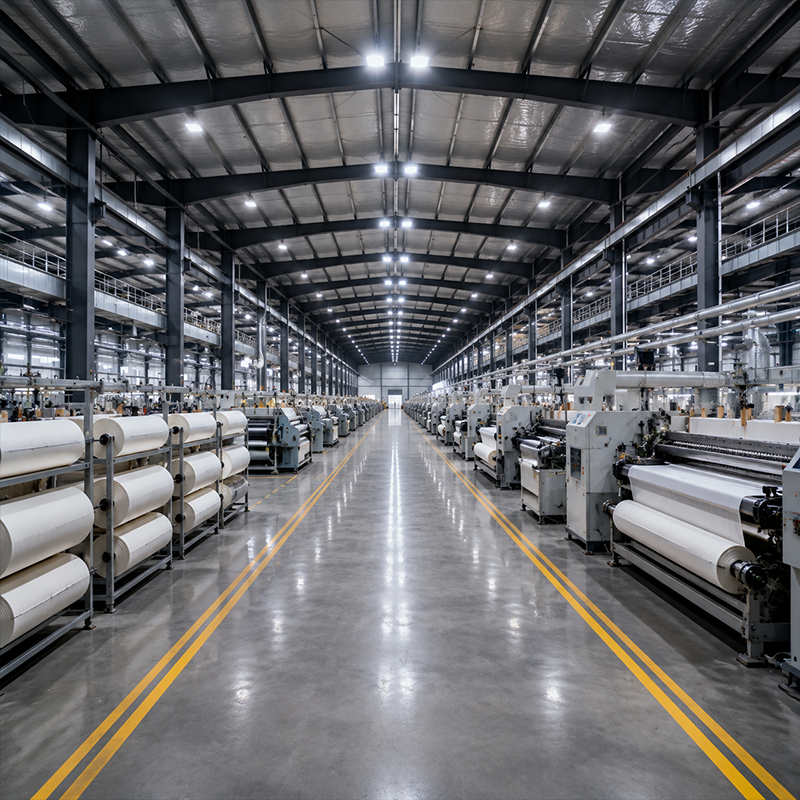
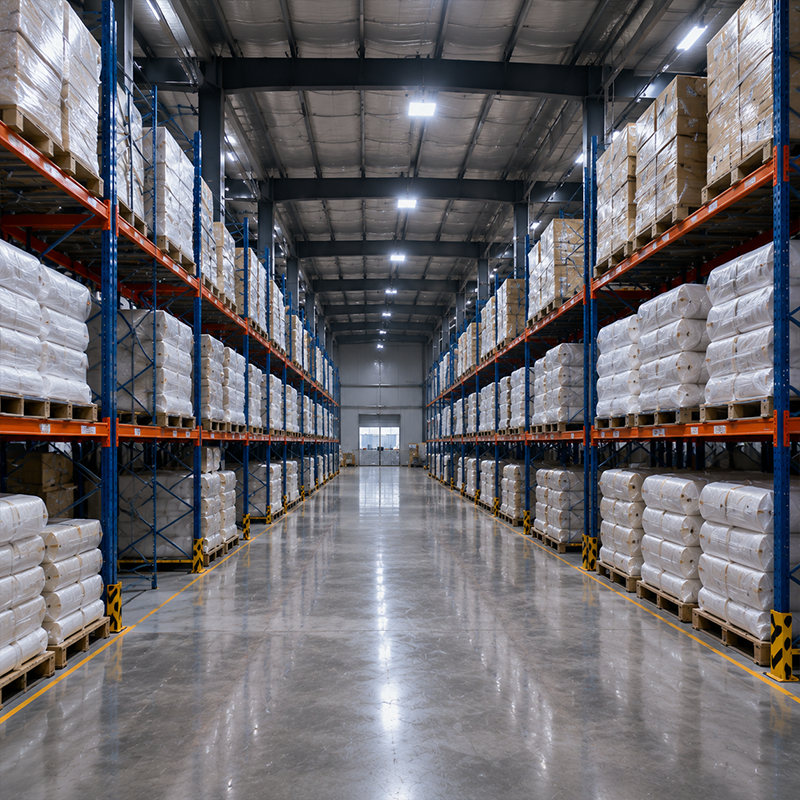
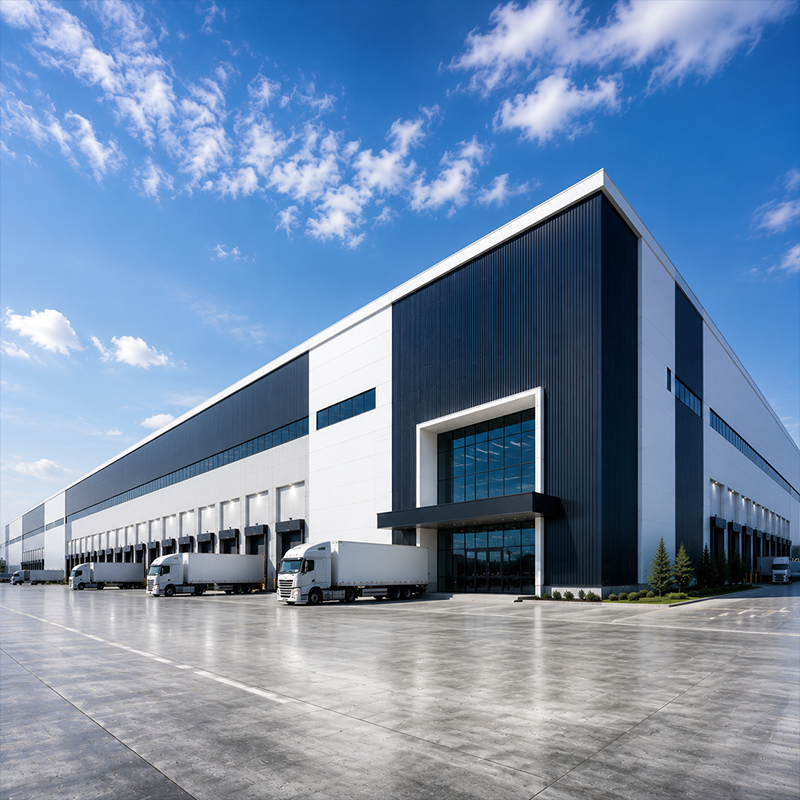
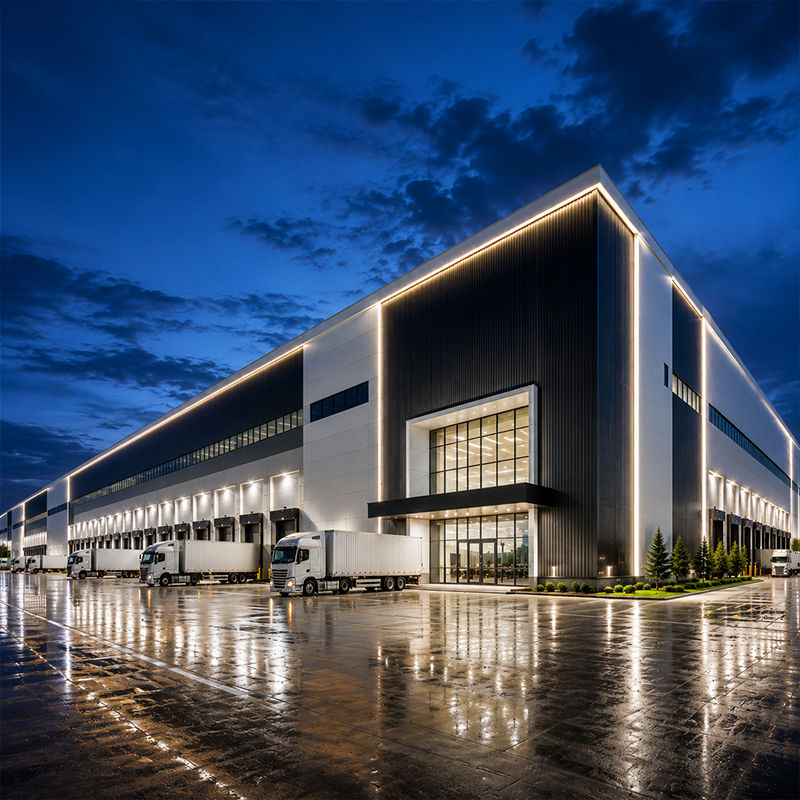
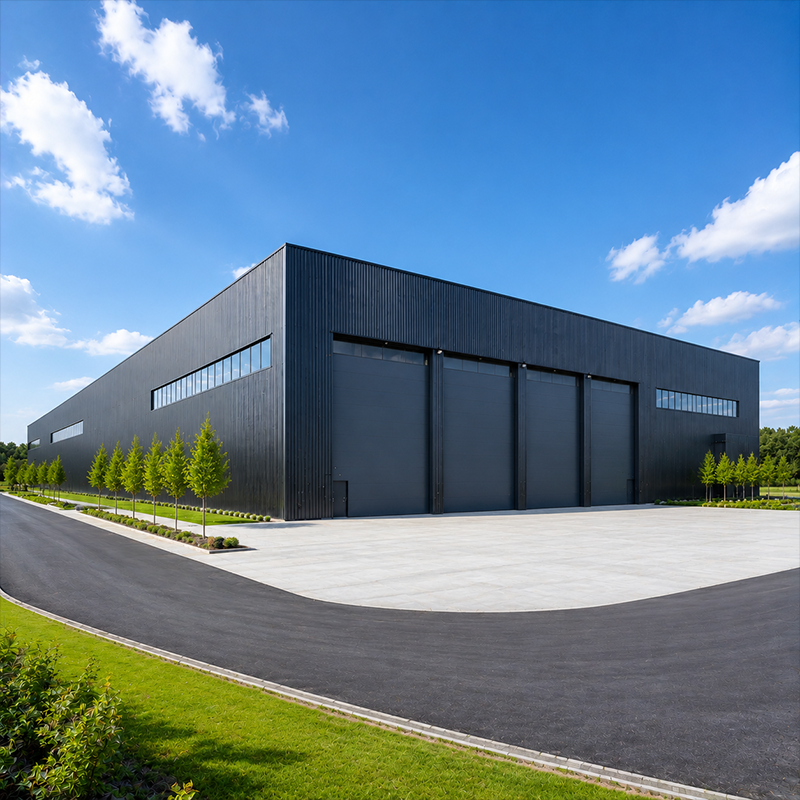
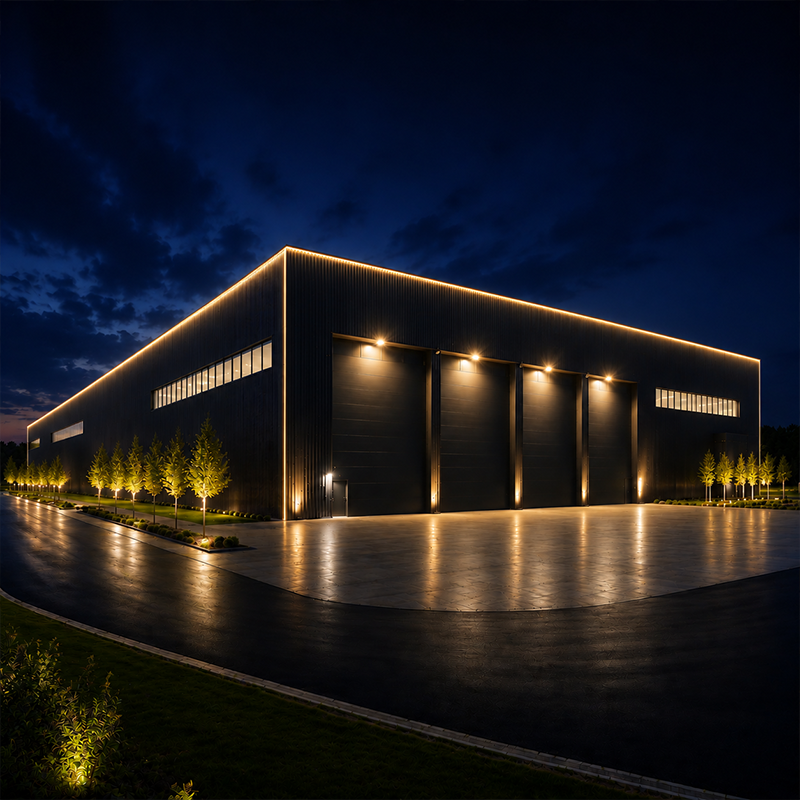
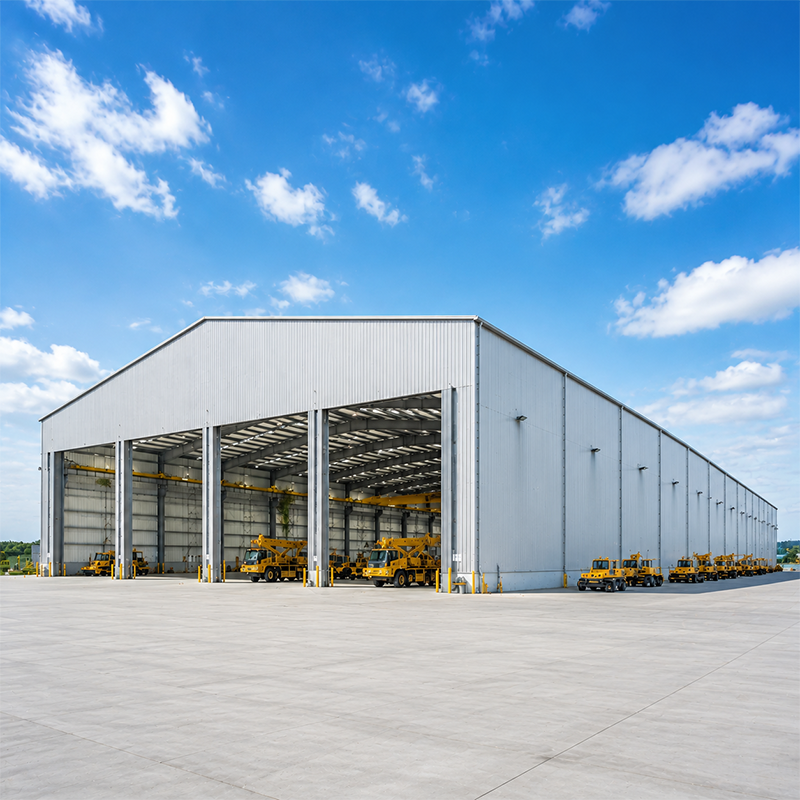
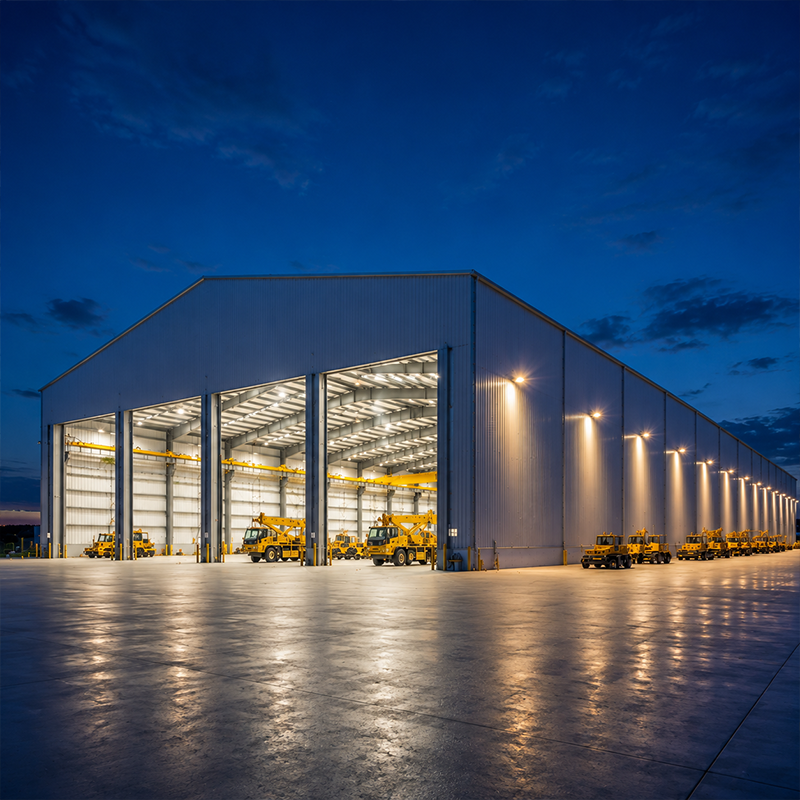
EN 1090 Certified Industrial Textile Facility with Z275 Galvanizing, Polysiloxane Coating, and Slip-Critical Connection System.
Textile Manufacturing Plant and Industrial Textile Facility with Z275 Galvanizing for High-Speed Loom Operations.
Q235B Structural Frame — Practical and widely manufacturable base grade; frame stiffness and member sizing are verified for machinery loads and vibration.
Z275 (G90) & Polysiloxane Dual Protection — Heavy hot-dip galvanizing plus a 250μm Polysiloxane topcoat supports humid production environments.
Slip-Critical Vibration-Resistant Joints — Friction-type high-strength bolt connections reduce slip and help preserve long-term alignment.
Lint-Controlled Interior Surface Design — Purlins and girts use smooth, cleanable surfaces to reduce fiber accumulation.
30m+ Clear-Span Rigid Frame — Designed for large-scale, unobstructed production floors after project-specific stability and vibration checks.
| Feature | Detailed Specification |
| Material Grade | Q235B Structural Steel; final yield value verified by thickness and mill test certificate |
| Connection Type | Slip-Critical / Friction-Type High-Strength Bolts |
| Primary Protection | Z275 (G90) Hot-Dip Galvanizing (275 g/m² nominal coating mass) |
| Secondary Coating | Polysiloxane Topcoat (Total DFT ≥250μm) |
| Cladding System | Thermal Insulated Panels with Anti-Condensation Coating |
| Vibration Control | Resonant-Controlled Rigid Portal Frame Design with Project-Specific Dynamic Checks |
| Clear Span | Optimized for 30m - 48m Unobstructed Interiors, subject to project design |
| Compliance | CE, EN 1090 (EXC2/EXC3), ISO 3834-2 |
| Design Life | 50 Years (subject to design basis, inspection, and maintenance plan) |
| MOQ | 500 Square Meters |
The structural resilience of our Textile Manufacturing Plant begins with Q235B structural steel. It is a practical base grade for textile facilities when member sizes, bracing, portal-frame stiffness, and connections are engineered for the equipment loads and dynamic requirements. Every column and beam of our Engineered Steel Fabric Building is first treated with Z275 hot-dip galvanizing to create a durable zinc protection layer against moisture, then finished with a 250μm Polysiloxane layer for additional chemical and humidity resistance.
Textile mills face unique challenges due to the constant rhythmic vibration of weaving machines. For this Textile Manufacturing Plant, we employ Slip-Critical Connections. By using high-strength bolts tightened to a specified tension, load is transferred through friction between the steel plates. This reduces joint slip and helps preserve the structural alignment of the Industrial Textile Facility under high-speed production, while routine inspection and maintenance remain part of the service plan.
Our Industrial Textile Facility solutions cater to sectors of the garment and fabric industry:
|
⚙️ High-Speed Weaving Mills
Rigid Textile Manufacturing Plant designs for air-jet and water-jet looms.
|
✈️ Spinning & Yarn Production
Dust-controlled Engineered Steel Fabric Building environments.
|
|
⚓ Dyeing & Finishing Plants
Corrosion-protected Industrial Textile Facility frames for wet processing.
|
⚡ Garment Export Factories
High-lighting and air-conditioned Textile Manufacturing Plant spaces.
|
Customization is critical for the efficiency of a Textile Manufacturing Plant. Whether you require specialized mezzanine floors for administrative oversight or unique roof-mounted HVAC supports for humidity control, we can tailor the Industrial Textile Facility to your needs. We calculate wind and snow loads based on 50-year recurrence data for your specific global coordinates and offer a range of Polysiloxane colors to reflect your corporate brand.
Shipping an Engineered Steel Fabric Building requires expert logistics. All structural members for the Textile Manufacturing Plant are bundled with protective wraps.
Scratch-Free Transport: Meticulous packing ensures the Z275/Polysiloxane finish remains pristine.
Global Compliance: All CE and EN 1090 documents are included for rapid customs entry of your Industrial Textile Facility assets.
| Q: Why use Q235B steel for a Textile Manufacturing Plant? |
| A: Q235B is a practical and widely manufacturable structural grade for textile buildings. The required capacity and vibration performance are achieved through member sizing, portal-frame stiffness, connection pretension, equipment layout, and project-specific dynamic checks. |
| Q: Can your building handle high humidity? |
| A: Yes. The Z275 hot-dip galvanizing plus Polysiloxane coating system is selected for high-moisture environments, with final coating and maintenance requirements confirmed by the project exposure conditions. |
| Q: What is the advantage of Slip-Critical joints? |
| A: They reduce structural slip under repeated machinery loading and help preserve frame alignment. Inspection and maintenance are still required throughout the building service life. |
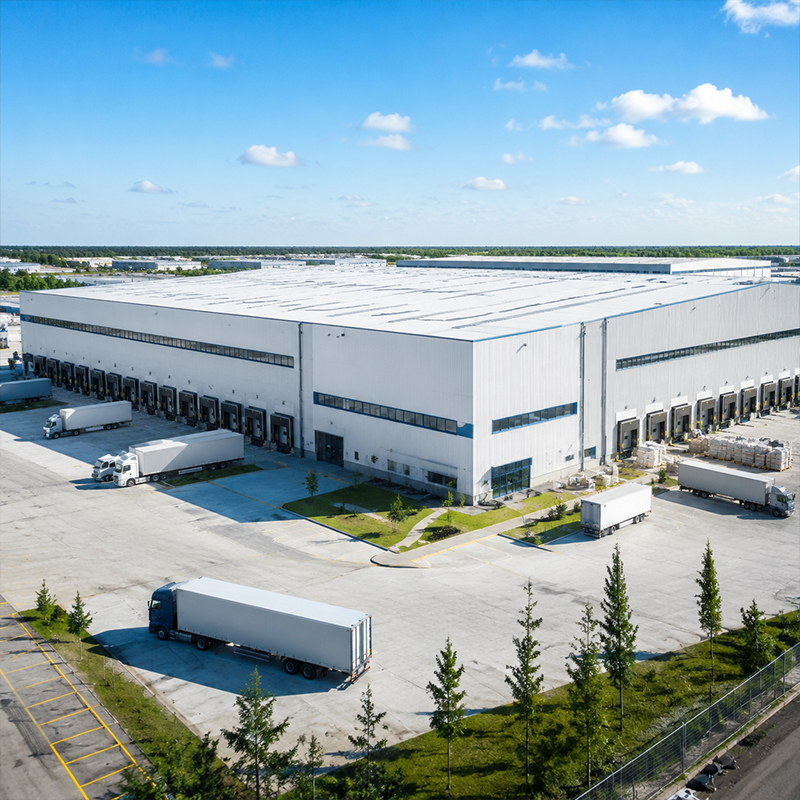
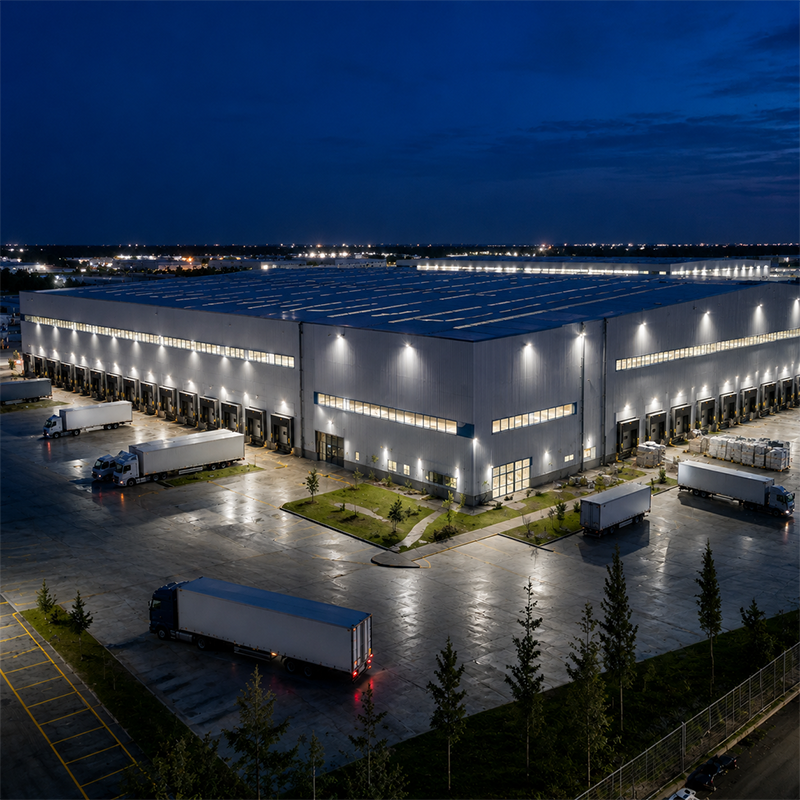
EN 1090 Certified Industrial Textile Facility with Z275 Galvanizing, Polysiloxane Coating, and Slip-Critical Connection System.
Textile Manufacturing Plant and Industrial Textile Facility with Z275 Galvanizing for High-Speed Loom Operations.


 EN