 EN
Warehouse-Workshop Steel Structures: Dual-Use Design
2026/10/26
Plan a warehouse workshop steel structure with smarter zoning, flow, clear height, crane, fire, and expansion decisions.

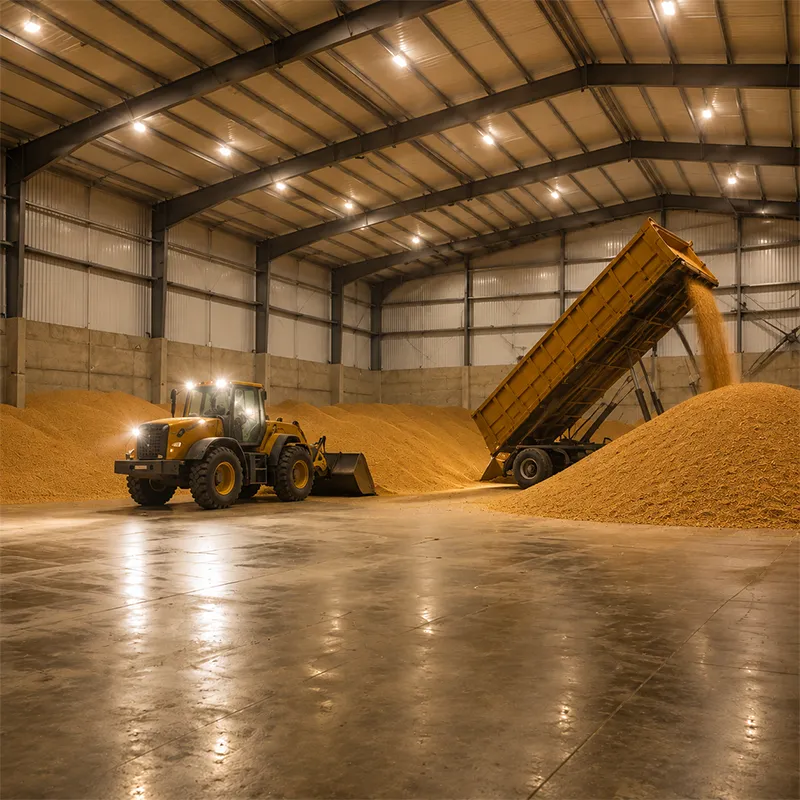
Prefabricated metal sheds give landowners a fast, repeatable way to add covered space without the delay of traditional masonry. Because the frame arrives cut, drilled, and partly assembled, erection often finishes in days rather than weeks. The key decision is matching the building to its duty — a light garden store and a machinery shelter demand very different steel specification, so the buyer should define the load and climate before comparing kits.
A prefabricated metal shed is engineered off-site under controlled conditions, so weld quality and dimensional accuracy stay consistent. Shop fabrication uses CNC cutting and robotic welding, then non-destructive testing confirms critical joints. That discipline is hard to replicate outdoors with field labor. The payoff is a structure whose connections are proven before the first bolt meets the foundation, which removes a major source of on-site risk.
Transport and crane planning also simplify. Compact, nested components ship efficiently and lift into place with modest equipment, which suits remote sites where skilled trades are scarce and weather windows are short.
Small 3 m by 3 m prefabricated metal sheds handle tools and seasonal items. Mid-range 6 m by 9 m sheds store vehicles or workshop gear. Large 12 m by 24 m clearspan buildings shelter livestock, hay, or plant equipment. Span choice drives frame depth: wider openings need deeper portal sections or internal bracing to resist wind. A 60 m clear span example from industrial practice shows how far steel can stretch when the duty calls for a column-free floor, and the same logic scales down to a back-garden store.
Gable roofs shed rain on both faces and suit most climates. Skillion (mono-pitch) sheds lean a single slope, useful against a fence or for north-light glazing. Curved or arch profiles reduce material but limit internal racking. Style affects drainage and snow load, so pick the form after checking local weather, not before. The right roof shape also lowers maintenance by keeping water away from the frame and the door thresholds. Beyond roof form, buyers should confirm that prefabricated metal sheds arrive with a documented load rating and a corrosion spec matched to the site. A kit sold only by footprint, with no steel grade or coating proof, leaves the owner guessing when the first storm or humid summer arrives. Prefabricated metal sheds perform best when the supplier explains the rated snow and wind and shows the EN 1090 paperwork before payment, because that certificate is what keeps the structure insurable.
Q355B steel gives a strong, economical base for ambient sheds; Q355D resists brittle fracture in cold regions. Connections use 10.9S high-strength bolts for durable, re-tightenable joints. Galvanized C&Z purlins and a glass-flake coating on exposed members fight corrosion where humidity or abrasion is high. EN 1090 execution and ISO 3834 welding quality back the fabrication with certifiable discipline, while ISO 9001 governs the management system behind every order. Prefabricated metal sheds built this way stay weathertight long after a timber alternative would have rotted.
A prefabricated metal shed can sit on a poured slab, a perimeter beam, or adjustable pier footings depending on soil and use. Soft ground demands deeper support to stop differential settlement that racks doors and frames. ACI 318 guides concrete detailing; proper baseplate grouting transfers load cleanly. Level, compacted preparation protects the frame from early distress and keeps doors operating smoothly, so the foundation choice deserves as much thought as the steel above it. Local permitting usually asks for the same calculations the fabricator already ran, so requesting the drawing set early keeps the shed legal and insurable.
Background: A machinery owner needed weather protection for equipment between jobs across a wet, abrasive site. Problem: A timber shelter had rotted within three seasons and let condensation rust the machines. Solution: JINNUODA supplied a Q355B frame with galvanized purlins and a glass-flake coating, using BIM to confirm footing positions and FEA to size the portal frames against local wind. Result: The metal shed stayed weathertight through subsequent winters, cut equipment downtime, and needed only annual coating checks — supported by bilingual manuals and a single point of contact.
IBC and local building codes set snow, wind, and occupancy loads; Eurocode 3 applies where relevant. When buying prefabricated metal sheds, request steel grade certificates, bolt specification, and coating thickness proof. Confirm the supplier can deliver EN 1090 execution documentation. Avoid accepting vague "structural steel" claims without mill test reports, because the certificate is what lets an inspector verify the frame matches the drawing and the rated load.
Inspection advice: At delivery, check members for transit damage and verify bolt kits are complete. After erection, confirm baseplate grout, frame plumb, and door operation. Usage advice: Keep loads within the design plaque, allow airflow to control condensation, and never cut framing without engineer approval. Maintenance advice: Re-tighten fasteners after the first winter, touch up coating nicks promptly, and keep gutters clear so water cannot pond against the steel. A documented upkeep routine keeps the shed insurable and reliable.
Well-specified prefabricated metal sheds reward careful planning with decades of low-cost storage. Start from duty and climate, then let the steel grade, coating, and foundation follow — that order keeps the budget and the building aligned, and leaves the owner confident the prefabricated metal sheds will perform as rated.
Question What size prefabricated metal sheds should a buyer choose?
Answer Match size to contents and access. A 3 by 3 meter unit suits tools; 6 by 9 meters fits a vehicle or workshop; 12 by 24 meters shelters plant or livestock. Wider spans need deeper frames or bracing for wind. Measure equipment with clearance, then add aisle room so the shed stays usable. Prefabricated metal sheds should be sized from the largest item you will store, not the average, to avoid outgrowing the frame within a season.
Question Are prefabricated metal sheds cheaper than building one?
Answer Factory fabrication cuts on-site labor and shortens schedules, often lowering total cost versus custom masonry. Savings grow on remote sites where trades are scarce. True price depends on size, steel grade, coating, and foundation. Request a quoted kit with certificates so the comparison stays fair and the specification stays clear, and remember that a verified frame avoids the hidden cost of field rework and rejected inspections.
Question Which steel grade suits an outdoor metal shed?
Answer Q355B gives economical strength for ambient climates, while Q355D resists brittle fracture in cold regions. Use 10.9S high-strength bolts and galvanized purlins, with glass-flake coating where abrasion is high. EN 1090 execution and ISO 3834 welding quality back the build with certifiable, auditable fabrication discipline you can verify. Prefabricated metal sheds in wet or coastal sites especially benefit from the galvanized and glass-flake combination against corrosion.
Question Do metal sheds need a concrete foundation?
Answer Not always. Slabs, perimeter beams, or pier footings all work depending on soil and load. Soft ground needs deeper support to prevent settlement that racks doors. ACI 318 guides concrete detailing and proper grouting transfers load. Level, compacted preparation protects the frame from early distress and keeps doors operating smoothly, so the foundation for prefabricated metal sheds deserves as much thought as the steel above it.
Question How long do prefabricated metal sheds last outside?
Answer Service life tracks coating and climate more than steel itself. Galvanized members with glass-flake coating and prompt nick repair resist corrosion for decades. Re-tighten fasteners after the first winter and clear gutters yearly. With annual inspection and bilingual manuals, a well-specified metal shed delivers reliable storage across many seasons and protects the equipment inside.
2026/10/26
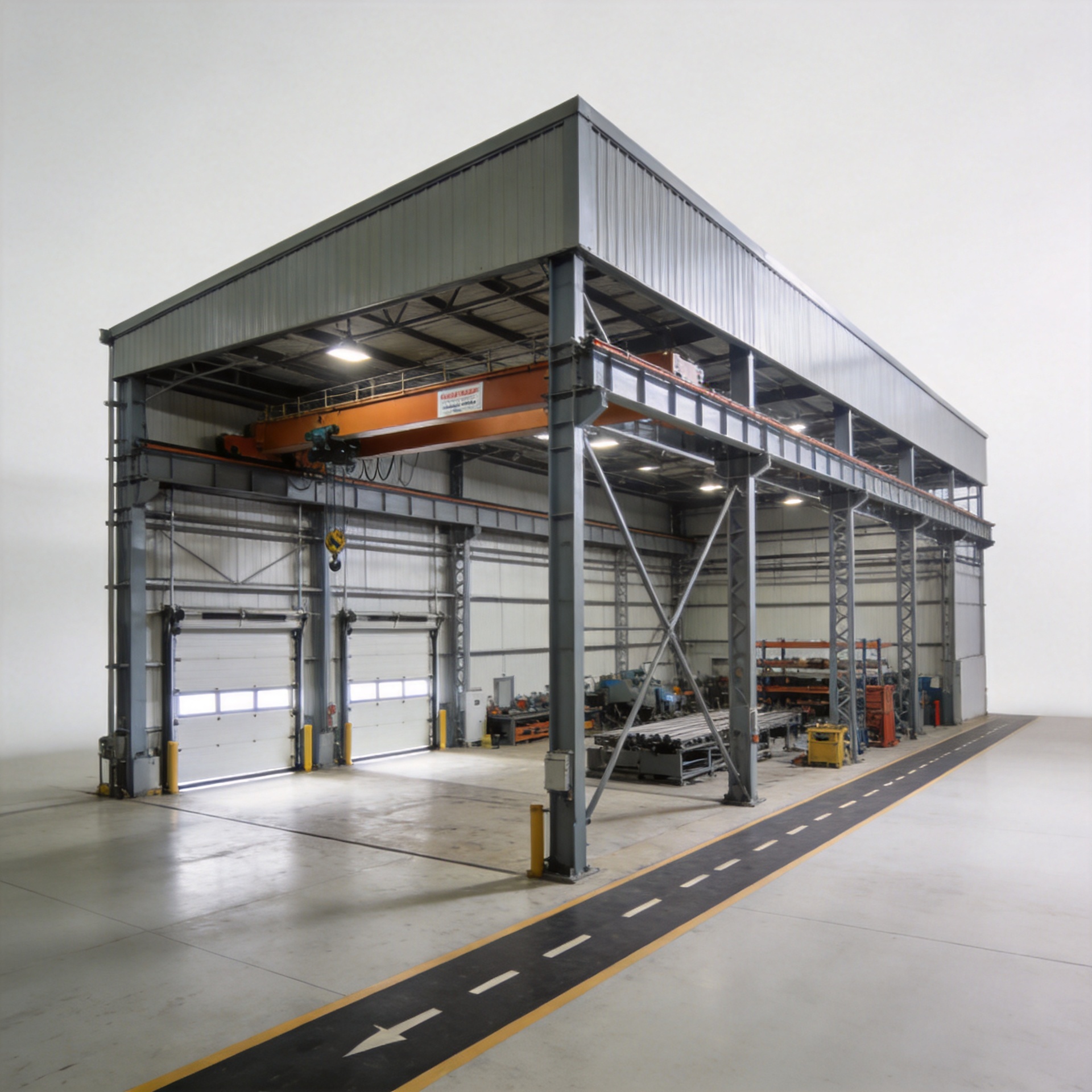
Plan a warehouse workshop steel structure with smarter zoning, flow, clear height, crane, fire, and expansion decisions.
2026/10/26
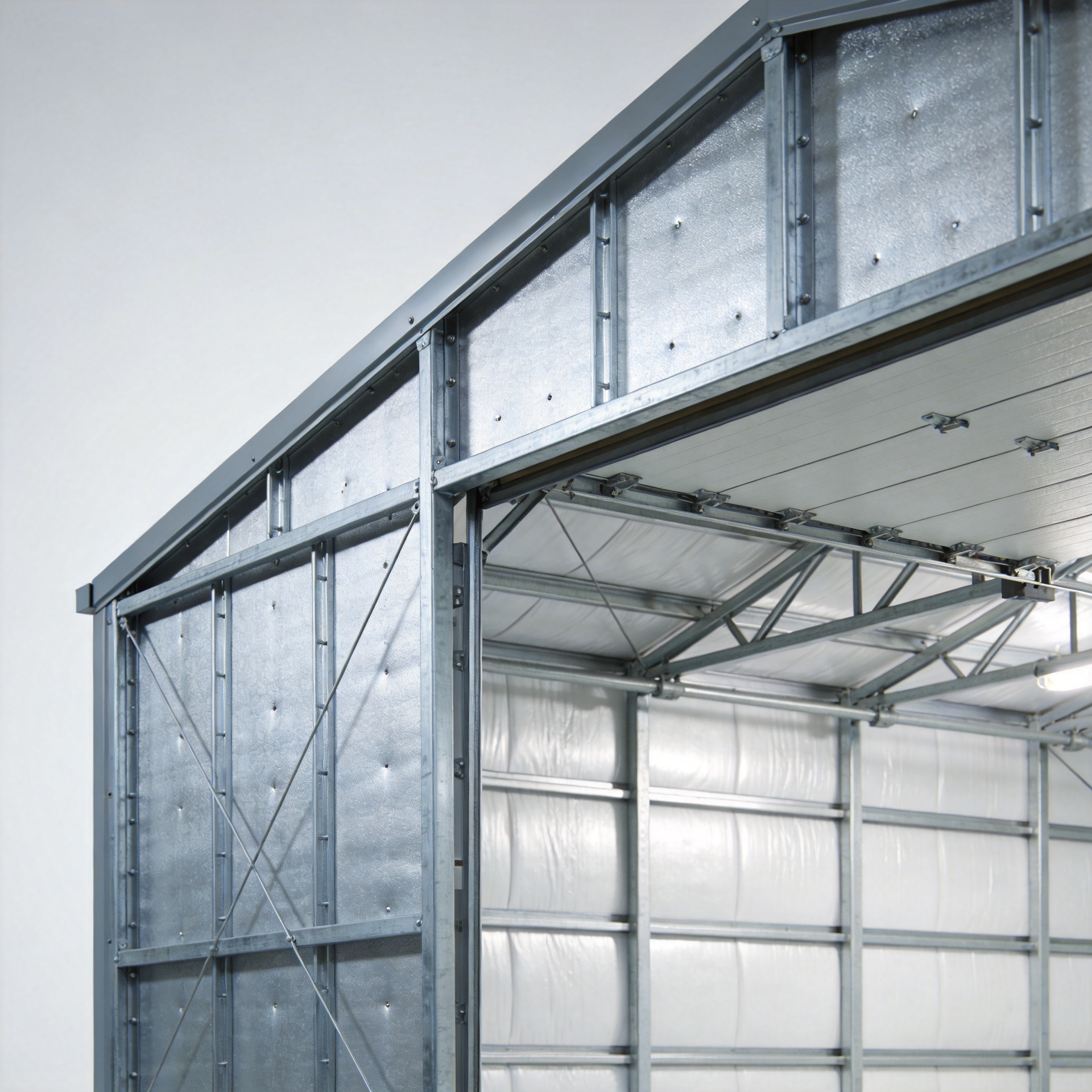
Plan a cold storage steel structure with insulation, vapor control, thermal breaks, refrigeration interfaces and corrosion-ready details.
2026/10/26
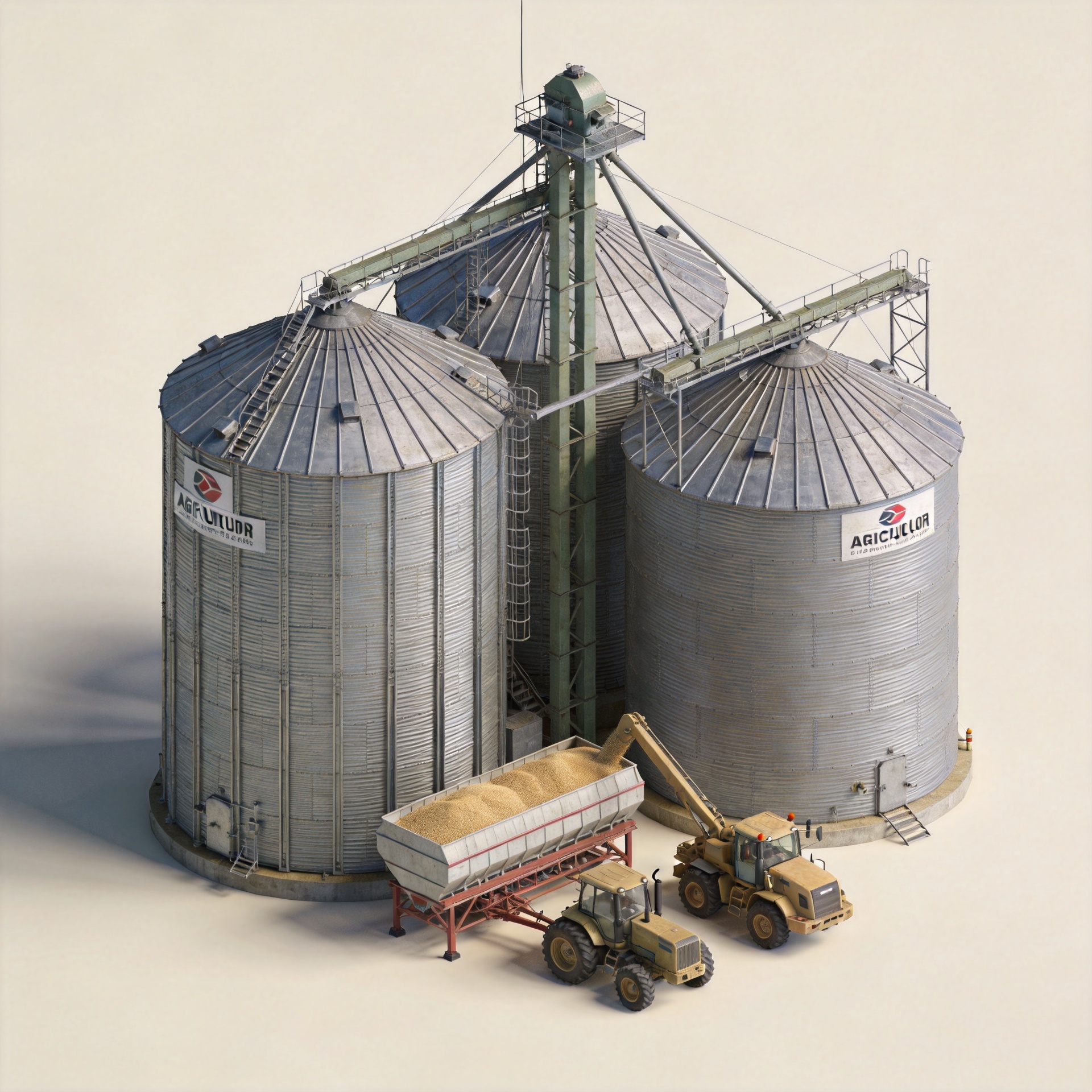
Plan an agricultural steel structure that scales from machinery barn to storage and farm logistics hub with practical design and procurement steps.
2026/10/26
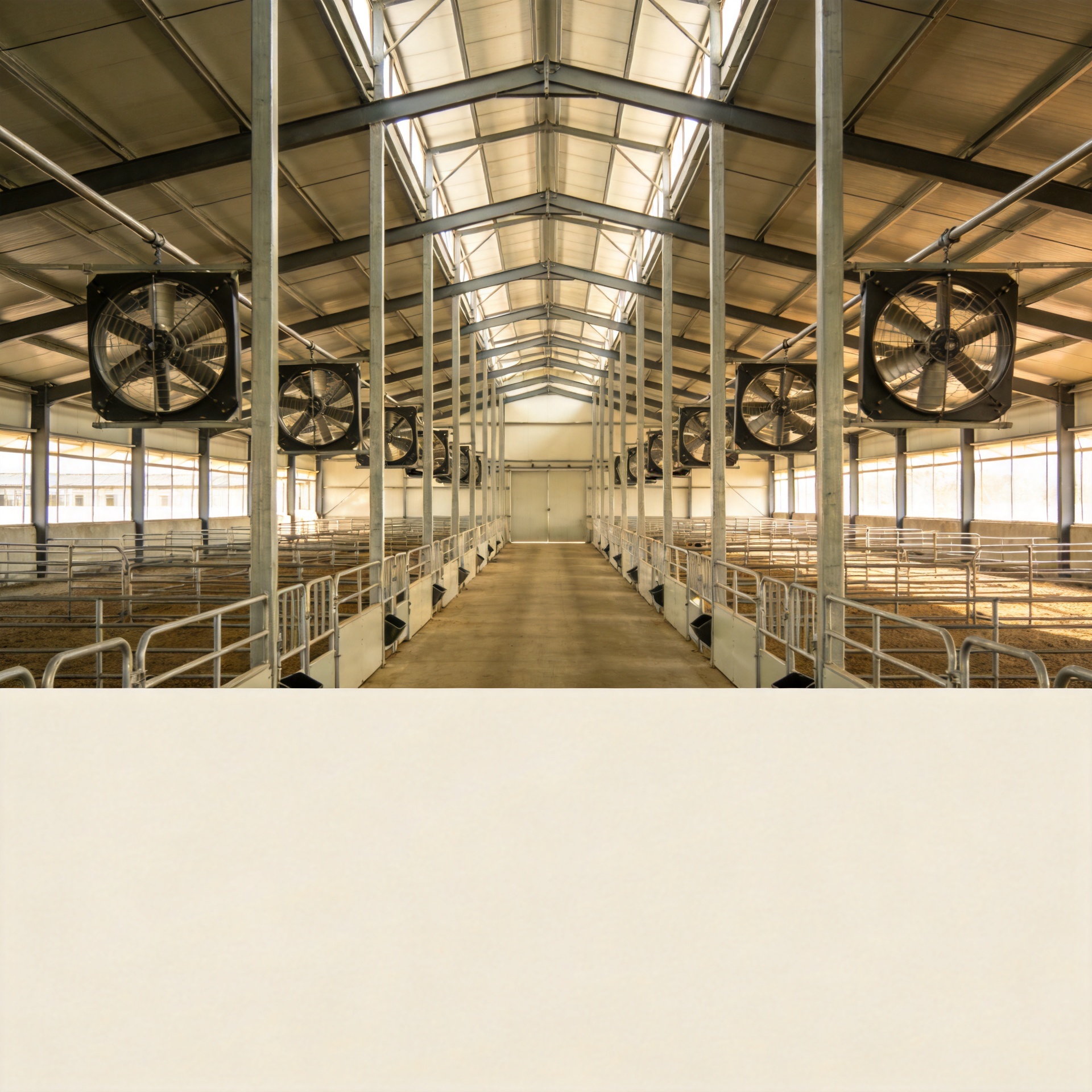
Plan a livestock steel structure for welfare, corrosion resistance, fire considerations, and efficient design-to-delivery decisions.
2026/10/26
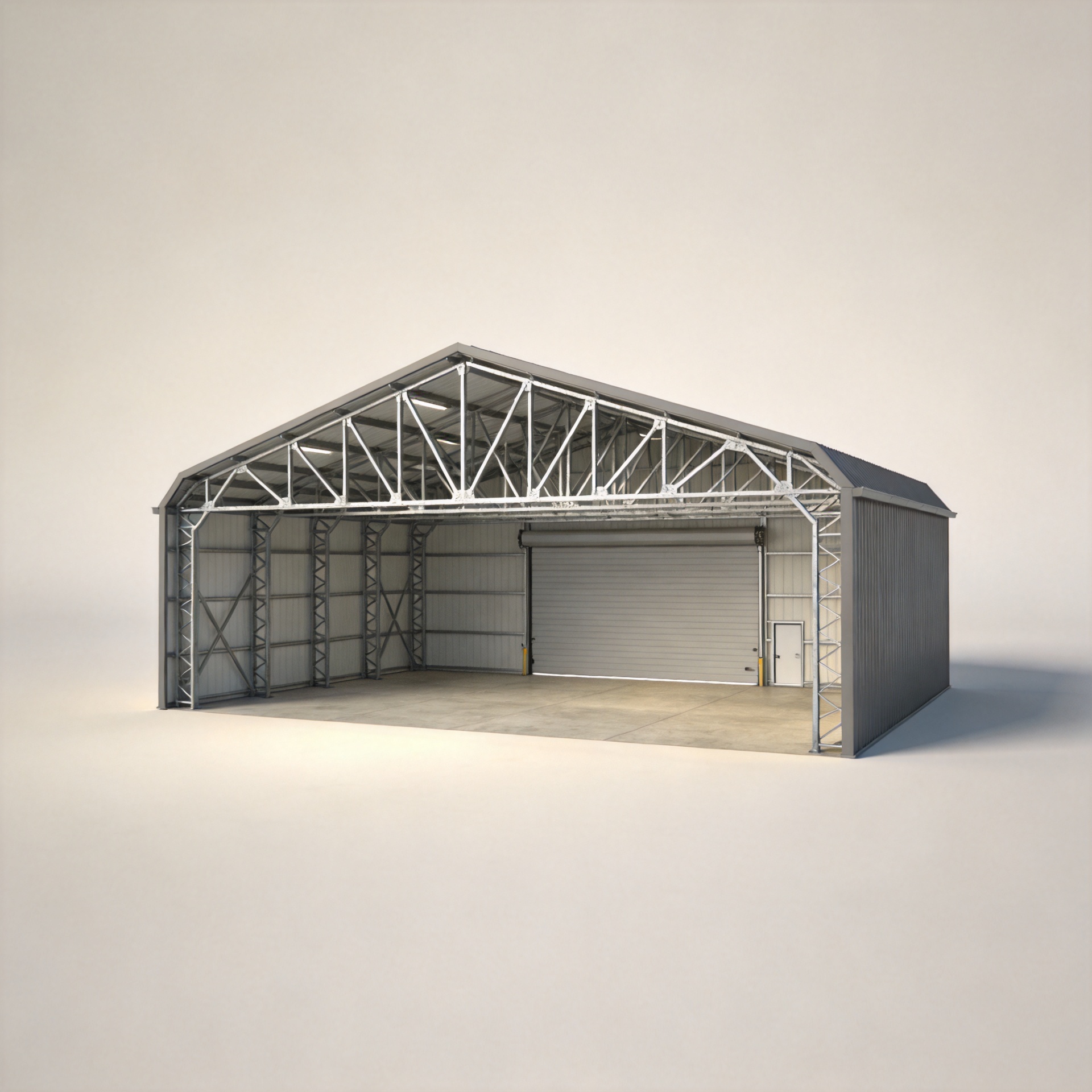
Plan an aircraft steel structure for hangars and support facilities with guidance on loads, corrosion, fire, EN 1090, and delivery milestones.
2026/10/26
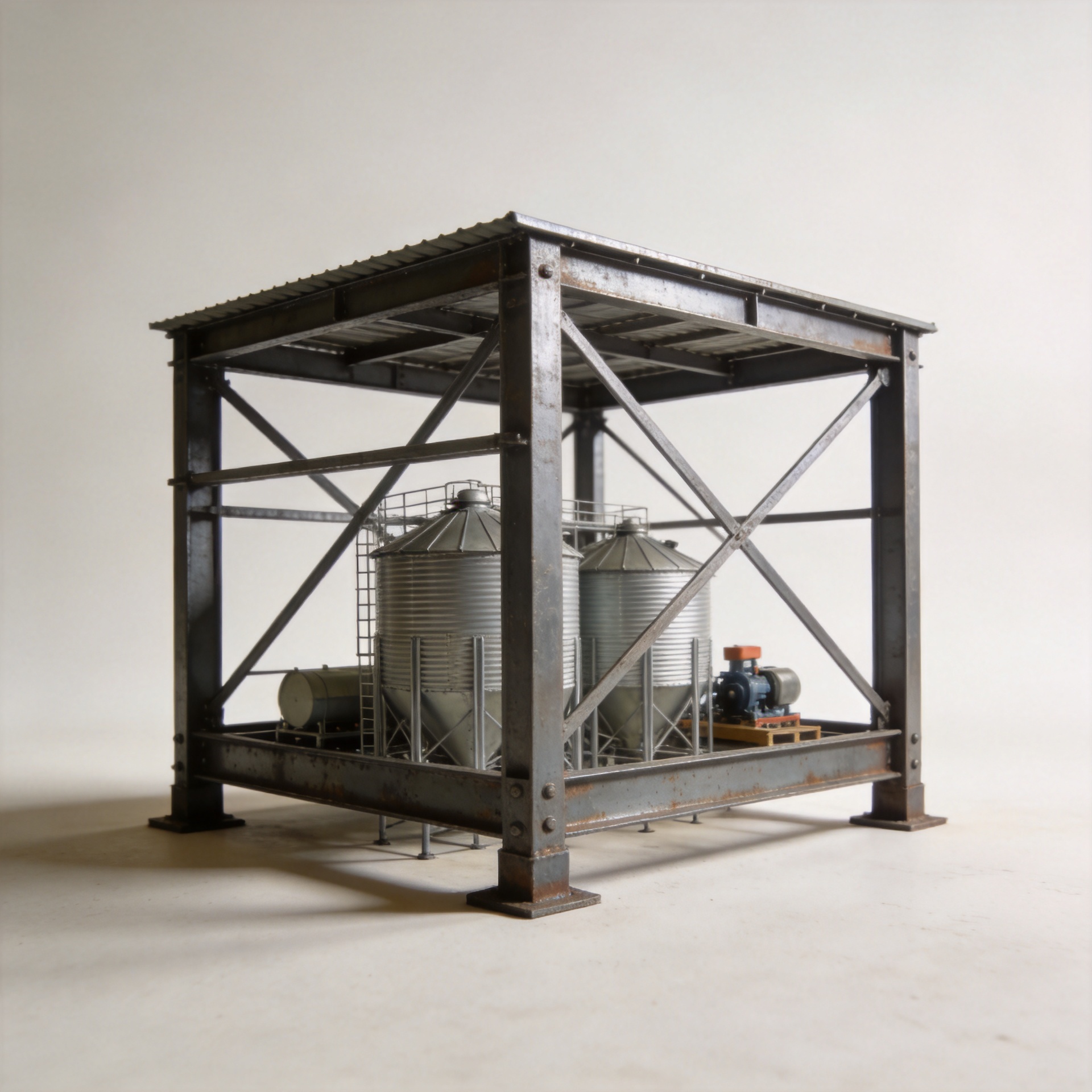
Choose a farm steel structure for agricultural storage with practical guidance on loads, corrosion, compliance, and delivery planning.
