 EN
Warehouse-Workshop Steel Structures: Dual-Use Design
2026/10/26
Plan a warehouse workshop steel structure with smarter zoning, flow, clear height, crane, fire, and expansion decisions.

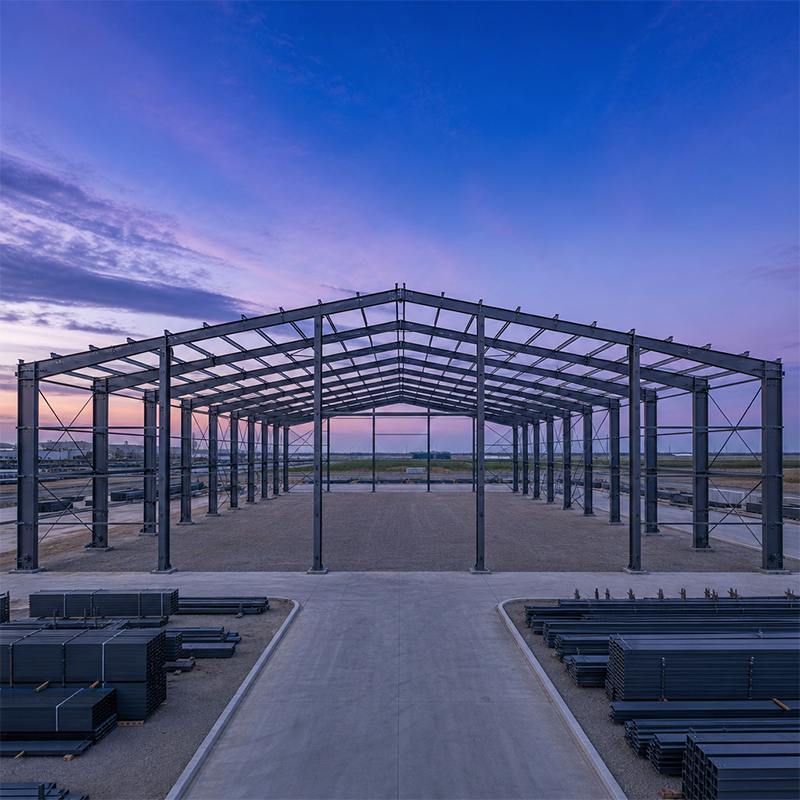
A pre engineering building structure is a metal building system whose primary frame, secondary members and cladding are engineered as one coordinated package and fabricated off site before delivery. Unlike a conventional build that designs each component separately, this approach lets the structure arrive at the site ready for bolt-up assembly. For procurement teams comparing options, understanding how the system is planned and supplied is the first step toward a predictable budget and schedule.
The engineering of a pre engineering building structure starts with the building's function. Live loads, snow and wind exposure, crane requirements and internal environment all feed into the structural model. Dedicated software then sizes the rafters, columns and bracing so that steel tonnage is optimized rather than over-specified. Because the analysis covers the whole frame as a single system, every connection is detailed to match, which reduces on-site conflict between trades. The result is a package where the design intent travels with the steel instead of being reconstructed in the field.
The primary frame carries the main loads through rigid columns and rafters, while secondary members such as C and Z purlins transfer roof and wall loads into the frame. The envelope, often a 150 mm PIR sandwich panel, closes the building and contributes to thermal performance. A well-detailed pre engineered building keeps these layers coordinated so that penetrations for doors, windows and ventilation line up with the structural grid without cutting main members. Good coordination also protects long-term durability, because every opening is sealed against water and air at the design stage rather than patched after erection.
A pre engineering building structure rewards buyers who specify coating, bolt grade and envelope up front. The prefabricated route moves most of the work into a controlled plant, which changes both cost and risk compared with traditional construction.
Because fabrication happens under roof with CNC cutting and robotic welding, a prefabricated structure is not at the mercy of weather the way field welding is. Components are packed, shipped and erected in a sequence planned before the steel leaves the plant. For a logistics operator racing a seasonal deadline, this compressed timeline is often the deciding factor over a conventionally built alternative. The schedule also becomes easier to communicate, since the critical path sits in the factory rather than on a weather-exposed site.
Clear spans up to 60 m are practical with a portal frame, giving column-free floor space for racking and equipment. When future growth is likely, the bay grid and foundation can be planned so an extension bolts onto the existing frame without re-engineering the whole system. A pre engineering building structure with a planned bay grid supports later extension without re-engineering. A steel building manufacturer that reviews the long-term site plan early helps the owner avoid a costly second structure later.
A regional grain handler in Shenyang faced spoilage during humid harvest months because open storage let moisture and pests reach the crop. The operation needed a sealed, ventilated building that could be erected before the next season. The chosen pre engineering building structure used galvanized C and Z purlins, a PIR insulated envelope and controlled ventilation openings sized to local humidity data. The design also separated intake and outtake zones so that traffic did not disturb the stored commodity.
After erection, the facility held grain at stable moisture and temperature, cutting post-harvest loss to a fraction of the earlier rate. Because the frame was bolted with 10.9S high strength bolts and fabricated to EN 1090 and ISO 3834 requirements, the owner documented compliance for inspection. The project showed how a coordinated design, not just cheaper steel, protects the stored commodity and the business behind it. Independent records from the operator confirmed lower shrinkage and faster loading during the peak shipping window.
A credible peb supplier should hold ISO 9001 for quality management and CE marking supported by EN 1090 execution class. Welding procedure qualification to ISO 3834 matters for critical joints. Ask for mill certificates on steel grade such as Q355B or Q420B, and confirm the plant uses CNC and robotic welding rather than manual layout alone. These documents separate a controlled manufacturer from a trading reseller.
Be cautious when a vendor cannot show a fabrication shop, only a sales office, or when drawings arrive without a stamped structural calculation. Prices that omit coating specification, bolt grade and envelope detail usually hide later changes. A genuine pre engineering building structure is delivered with a full package: design, fabrication drawings, material certs and erection guidance. Missing any piece is a reason to pause.
Choosing the right pre engineering building structure comes down to system thinking rather than a single line item. Evaluate the engineering package, the supplier's certifications and the clarity of the delivered documents before signing. Visit the plant if possible, request references from similar climate and use, and confirm the envelope and corrosion protection suit the site. A disciplined purchase process turns a steel building into a reliable asset for decades of operation.
What is the main difference between a pre engineered building and a conventional build?
Answer: A pre engineering building structure is designed and detailed as one coordinated package, then fabricated off site before delivery. A conventional build typically designs components separately and relies more on site work. The packaged approach reduces on-site conflict, shortens the schedule and makes the quoted scope easier to verify. Buyers gain a clearer link between the design documents and the steel that arrives at the project.
Why do certifications like EN 1090 and ISO 3834 matter for buyers?
Answer: EN 1090 sets the execution class for structural steel placed on the market in the EU, while ISO 3834 governs welding quality. Both show that a factory follows documented procedures rather than informal practice. For a buyer, these certificates reduce the risk that critical joints fail under load or inspection. Requesting the actual cert numbers and execution class helps confirm a supplier's capability before the order is placed.
How is a pre engineered building transported and erected on site?
Answer: Components leave the plant packed in a logical erection sequence, with each member tagged to its position in the drawings. On site, crews lift the primary frame, plumb the columns and tighten the high strength bolts to the specified torque. Secondary purlins and the envelope follow in order. Because most welding is done in the factory, field work is mainly bolt-up, which keeps the program predictable and less exposed to weather delays.
When should corrosion protection be specified for a steel structure?
Answer: Corrosion protection should be defined at the quotation stage, not after the steel is ordered. Coastal, humid or industrial sites need stronger systems such as hot-dip galvanizing or glass flake coating. The chosen system must match the design service life and local environment. Asking the supplier to state the coating standard and film thickness in the offer prevents a later upgrade charge and ensures the building performs as expected through its operating years.
Which documents prove a PEB supplier is a real manufacturer?
Answer: A real manufacturer can show a fabrication facility, valid ISO 9001 and CE with EN 1090 execution class, welding qualification to ISO 3834, and mill certificates for the steel grade. Design calculations stamped by a qualified engineer and a full set of fabrication drawings are equally important. When these documents are available and consistent, the supplier demonstrates control over production rather than acting as a reseller of unknown origin steel.
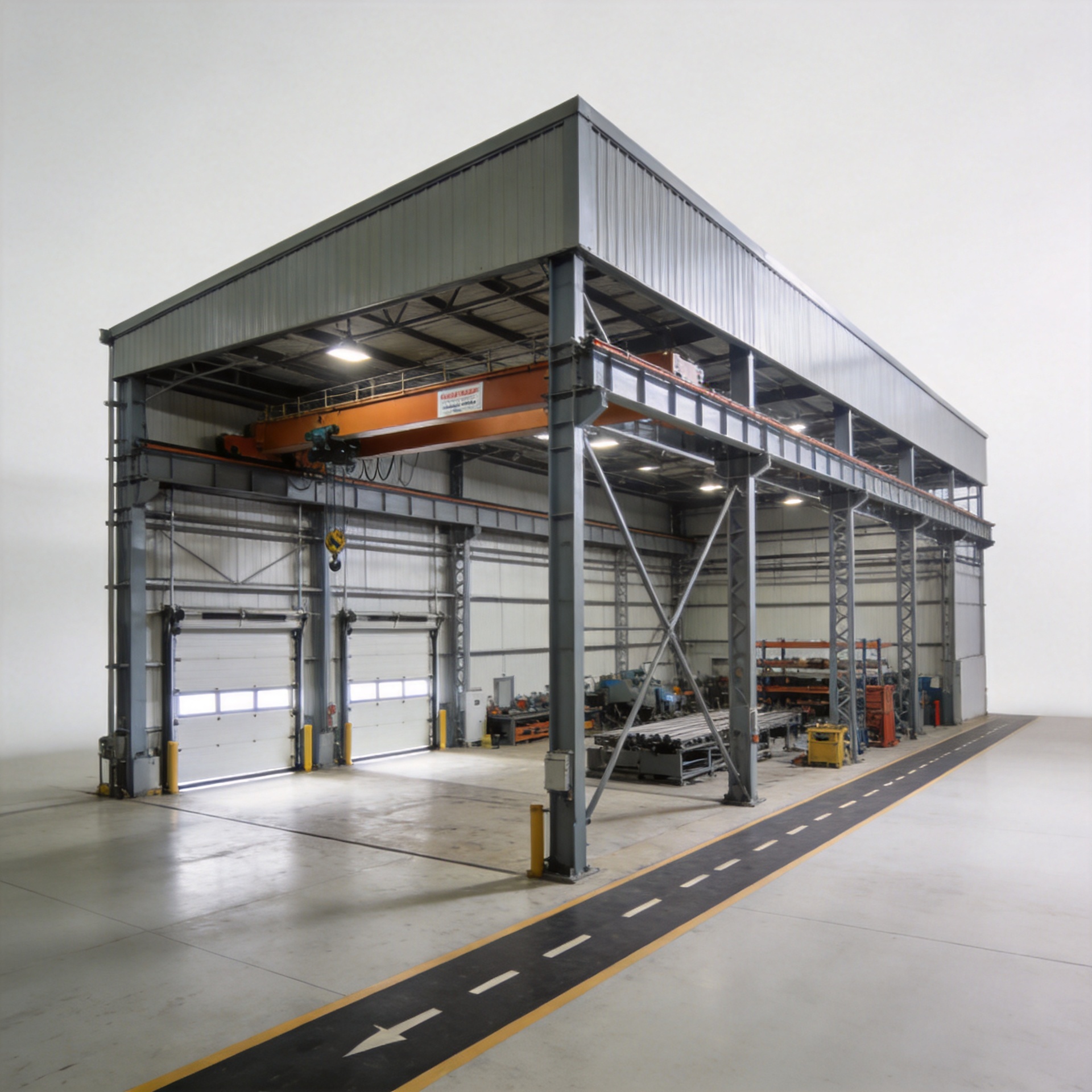
2026/10/26
Plan a warehouse workshop steel structure with smarter zoning, flow, clear height, crane, fire, and expansion decisions.
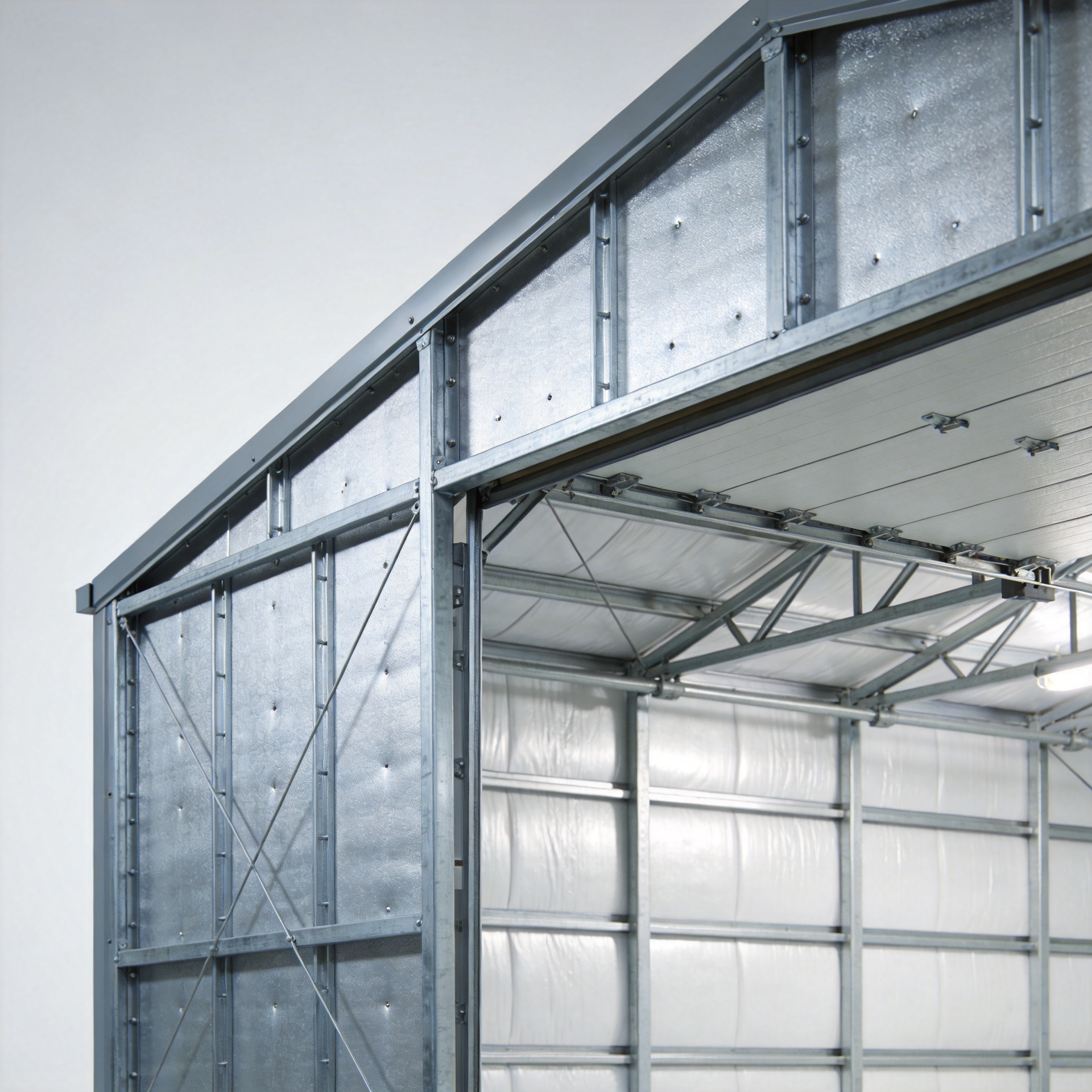
2026/10/26
Plan a cold storage steel structure with insulation, vapor control, thermal breaks, refrigeration interfaces and corrosion-ready details.
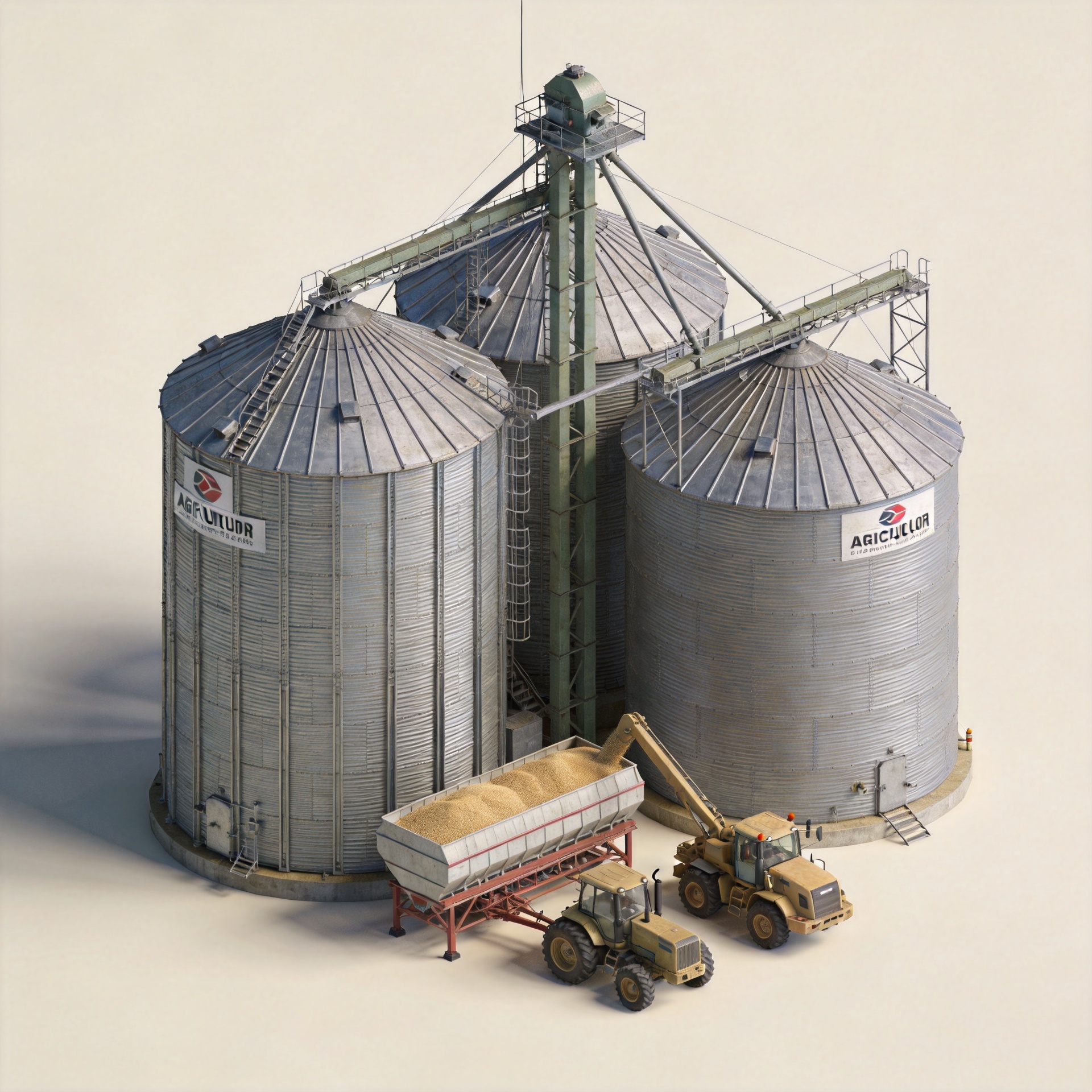
2026/10/26
Plan an agricultural steel structure that scales from machinery barn to storage and farm logistics hub with practical design and procurement steps.
2026/10/26
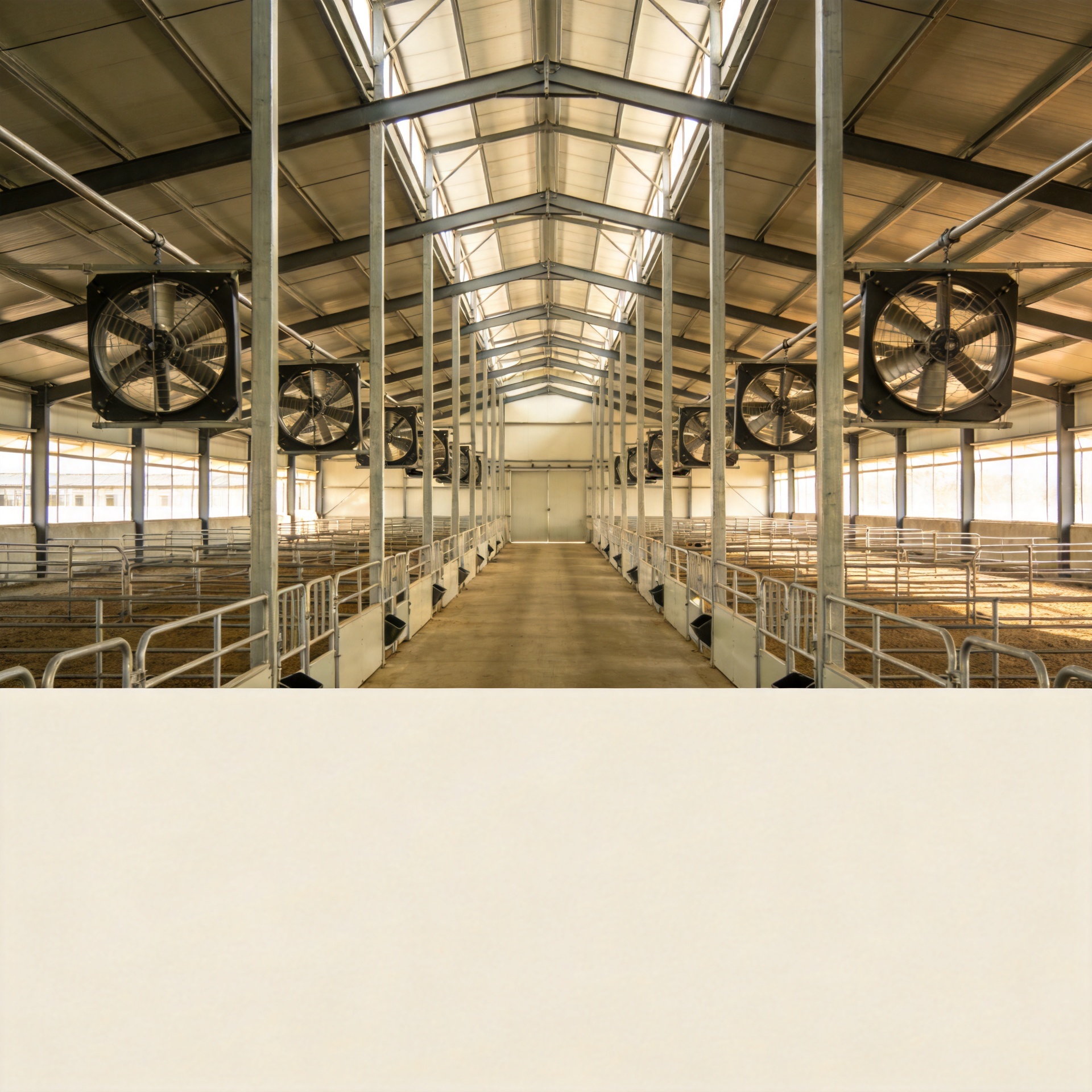
Plan a livestock steel structure for welfare, corrosion resistance, fire considerations, and efficient design-to-delivery decisions.
2026/10/26
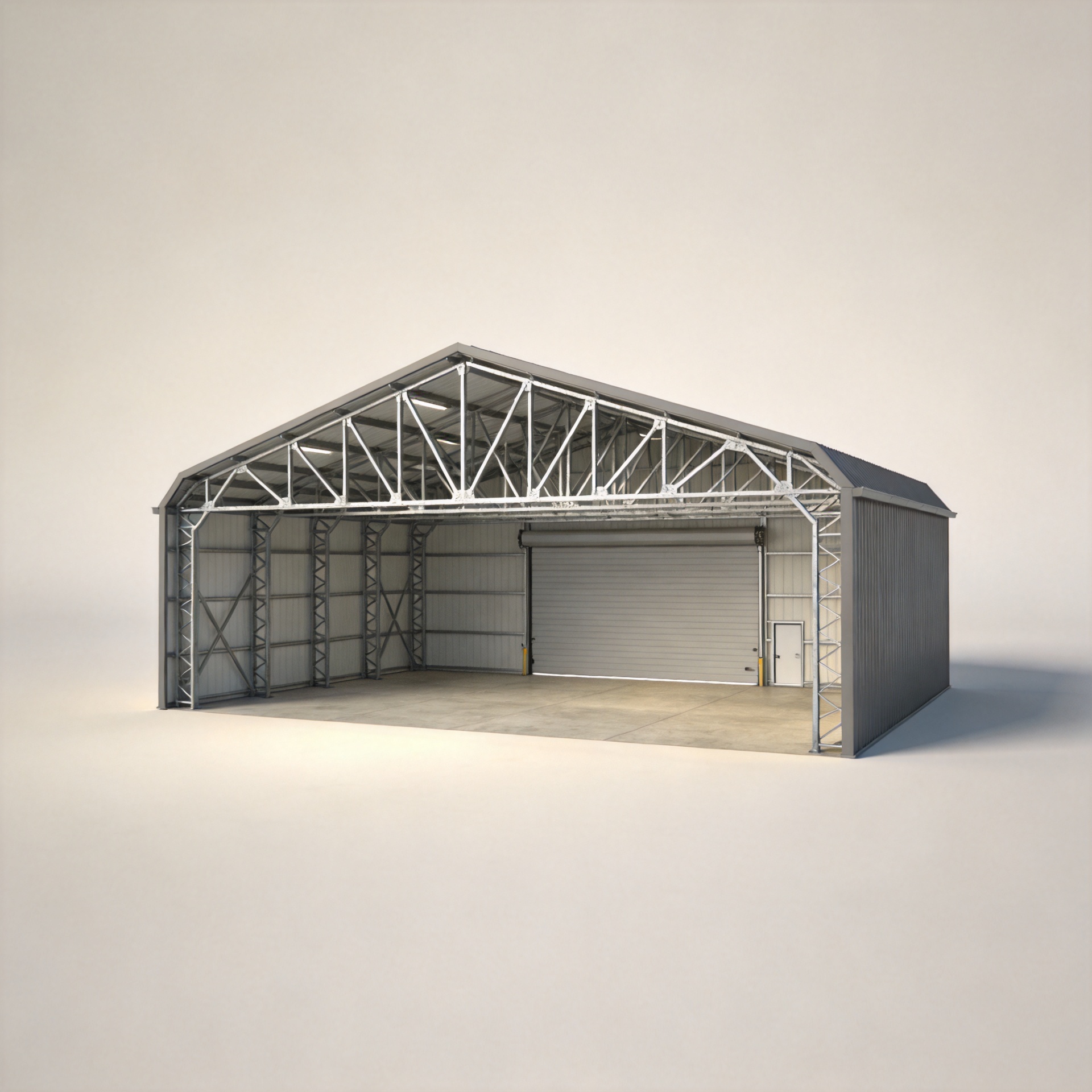
Plan an aircraft steel structure for hangars and support facilities with guidance on loads, corrosion, fire, EN 1090, and delivery milestones.
2026/10/26
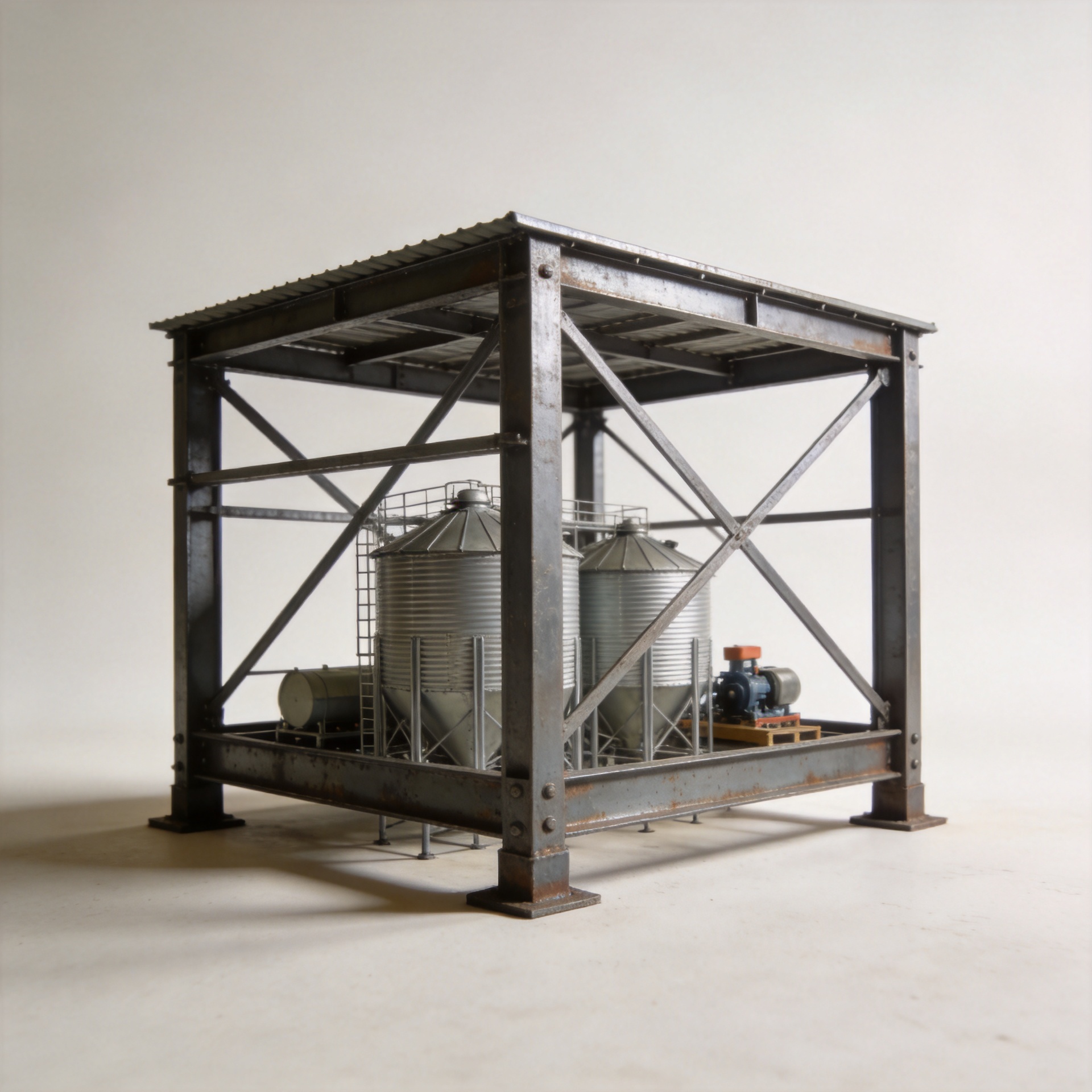
Choose a farm steel structure for agricultural storage with practical guidance on loads, corrosion, compliance, and delivery planning.
