 EN
Warehouse-Workshop Steel Structures: Dual-Use Design
2026/10/26
Plan a warehouse workshop steel structure with smarter zoning, flow, clear height, crane, fire, and expansion decisions.

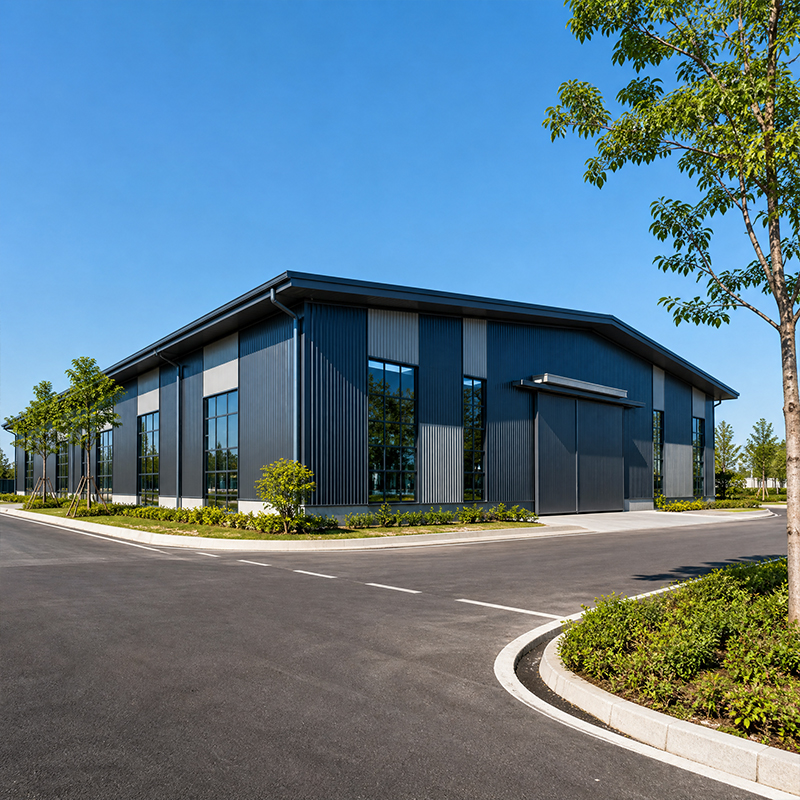
Selecting the right supplier from a crowded field of pre engineered steel building manufacturers is a decision that shapes project cost, schedule and structural safety for decades. A pre-engineered building moves most of the fabrication work into the factory, so the maker's engineering discipline matters more than the on-site crew. This guide gives procurement teams a practical vetting checklist to qualify a PEB supplier before any deposit leaves the desk, and to compare bids on equal technical ground.
Credible pre engineered steel building manufacturers must control three linked disciplines: structural design, steel fabrication and protective systems. The portal frame carries roof and crane loads through bolted joints, so a single weak connection cascades into deflection or fatigue. Quality management at the drafting stage prevents most field problems, because mis-drilled holes cannot be fixed on site. Buyers should request the maker's calculation package, connection details and past similar-span references before shortlisting any vendor for the project.
Many pre engineered steel building manufacturers quote a low frame price yet omit purlins, cladding and the foundation interface, which creates change orders later. Sourcing a steel structure manufacturer across borders also introduces documentation gaps that a checklist exposes early. Clarifying crane runway and eave height up front prevents a frame that cannot host the planned equipment. Unverified steel grade quietly raises corrosion and load risk, while thin paperwork slows customs and permits. A disciplined audit of the quotation, drawings and mill certificates keeps the project transparent and protects the budget from unpleasant surprises during erection.
Touring the fabrication plant reveals more than any brochure. Look for CNC cutting and robotic welding cells that hold repeatable tolerances on beams and columns. ISO 3834 aligned welding procedure specification governs how 10.9S high-strength bolts and welds perform under cyclic load. Top pre engineered steel building manufacturers publish annual tonnage and the largest clear span delivered, because a 60 m span needs different jigging than a 24 m shed. Photographic evidence of finished bays substitutes when a site visit is impossible to arrange. A managed fabrication plant also keeps traceable records from cutting to shipping, which simplifies third-party inspection.
Material choices decide service life in harsh climates. Q355B and Q355D steel give ductile strength, while Q355B-Z35 resists lamellar tearing at thick joints. Hot-dip galvanizing plus glass flake coating slows corrosion on structural steel exposed to humidity or chemicals. Specifying 150 mm PIR sandwich panels for the envelope trims heating load in cold storage. Reliable pre engineered steel building manufacturers document every batch with mill test certificates traceable to the heat number, so the delivered steel matches the approved specification without guesswork. Specifying the right section depth also controls deflection under snow and service loads.
Certifications translate intent into audited proof. ISO 9001 shows a managed quality system; EN 1090 is the European execution standard that lets a structure carry the CE mark lawfully; ISO 3834 confirms welding competence for load-bearing members. Reputable pre engineered steel building manufacturers hold all three and can name the issuing notified body. A turnkey steel building delivered into the EU or UK market normally requires EN 1090 factory production control. Request the current certificate number, then verify it online rather than trusting the PDF alone during supplier evaluation.
Beyond the steel itself, compliant export needs paperwork that matches the product. The CE declaration, EN 1090 execution class and accompanied test reports should align with the shipped frame. Missing or mismatched documents block port clearance and frustrate the local engineer. Capable pre engineered steel building manufacturers prepare the full dossier—drawings, load statements, coating specs and bolts schedule—so the buyer's consultant can approve without delay. Confirm that the dossier names the exact execution standard and coating system applied. A complete file shortens the local engineer's review and avoids rework at the border.
Several signals flag trouble before signing. Some pre engineered steel building manufacturers skip the design basis, snow or wind load region to appear cheap, yet hide real risk. Slow or evasive answers about welding procedure or steel origin suggest weak process control. Refusal to share references, or only residential sheds shown for an industrial brief, deserves caution. Demand clarity on incoterms, inspection windows and who handles the foundation interface, because silence here becomes a claim and a delay once the steel reaches the port. Request a sample connection drawing early to test the maker's technical responsiveness.
Bundling design, fabrication and erection under one accountable turnkey steel building scope removes the finger-pointing that splits traditional contracts. Strong pre engineered steel building manufacturers own the structural model, the connections and the schedule, which simplifies liability and accelerates handover. For buyers without a local project manager, turnkey delivery with staged inspection milestones is the lower-risk path. Confirm that the contract names the execution standard, the coating system and the spare-bolts provision explicitly, leaving no room for later substitution of materials. Staged payments tied to inspection milestones keep leverage with the supplier until handover.
A methodical audit turns a long vendor list into a short, trustworthy one. The strongest pre engineered steel building manufacturers prove capability through certificates, references and transparent engineering rather than low headlines. Run the checklist across capability, certification and communication, then score each bid against the same criteria. That discipline protects budget, timeline and safety long after the frame is erected and the project team has moved to the next site.
What documents should a PEB supplier provide during vetting?
Answer: A qualified PEB supplier shares the ISO 9001 and EN 1090 certificates with issuing body details, past project references of similar span, the structural calculation package and connection drawings. Mill test certificates for steel, the welding procedure specification and the coating spec should accompany the quote. Export dossiers need the CE declaration and load statements. Reviewing these papers early separates capable makers from brokers before any deposit is paid.
How is fabrication quality verified on a PEB order?
Answer: Fabrication quality is confirmed through factory production control audited under EN 1090 and welding governed by ISO 3834 procedures. Dimensional checks on CNC cut members, bolt-hole patterns and weld geometry catch errors before shipping. Buyers may appoint a third-party inspector at agreed milestones to witness tests and photograph key joints. Mill certificates trace each steel heat. This evidence-based approach reduces on-site rework and gives the engineer confidence that the delivered frame matches the approved design.
Which certification matters most for European projects?
Answer: For structures placed on the European market, EN 1090 execution class is the decisive certificate because it is the legal basis for the CE mark on steel. ISO 3834 supports welding, while ISO 9001 covers the management system. Among pre engineered steel building manufacturers, a maker without valid EN 1090 cannot lawfully place the frame on the EU market. Buyers should verify the certificate number with the notified body and confirm the execution class matches the project's span.
Why does steel grade selection affect building life?
Answer: Steel grade decides how the frame resists load, impact and corrosion over time. Q355B and Q355D deliver reliable yield strength, while Q355B-Z35 prevents lamellar tearing at thick welded joints. In coastal or chemical settings, hot-dip galvanizing with glass flake coating extends service life far beyond bare steel. Specifying the right grade up front avoids premature maintenance and costly member replacement. A competent supplier documents each heat with mill certificates so the delivered steel matches the approved specification.
When should a buyer request a site inspection?
Answer: A site inspection works best at two moments: after the main frame welding finishes and just before export loading. Watching dimensional and weld checks in the factory catches defects while correction stays cheap. With a turnkey steel building, an agreed inspection milestone stops hidden faults reaching the buyer. Remote purchasers can hire a local inspector or ask for timestamped photos of joints, coatings and bolt kits to confirm compliance without travelling.
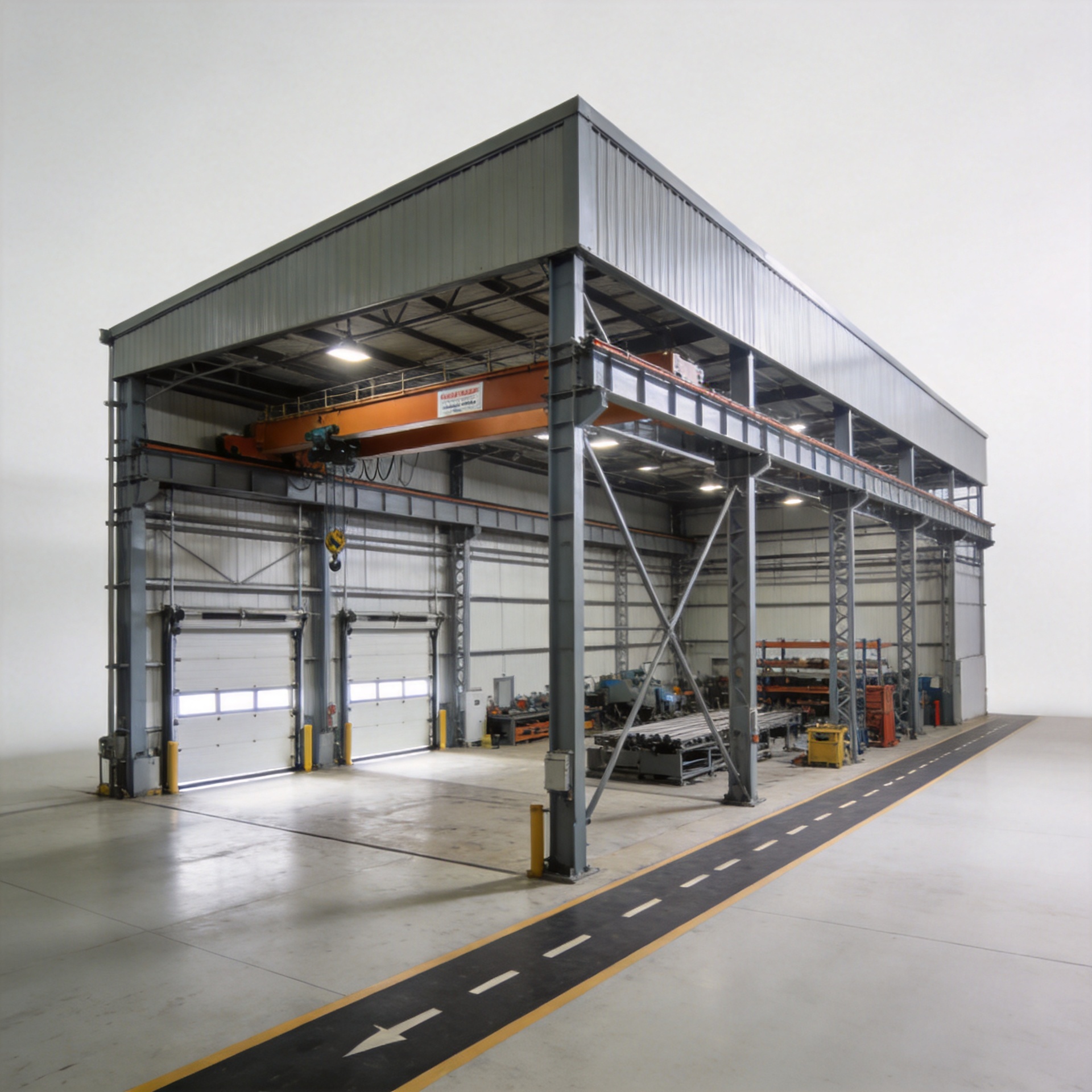
2026/10/26
Plan a warehouse workshop steel structure with smarter zoning, flow, clear height, crane, fire, and expansion decisions.
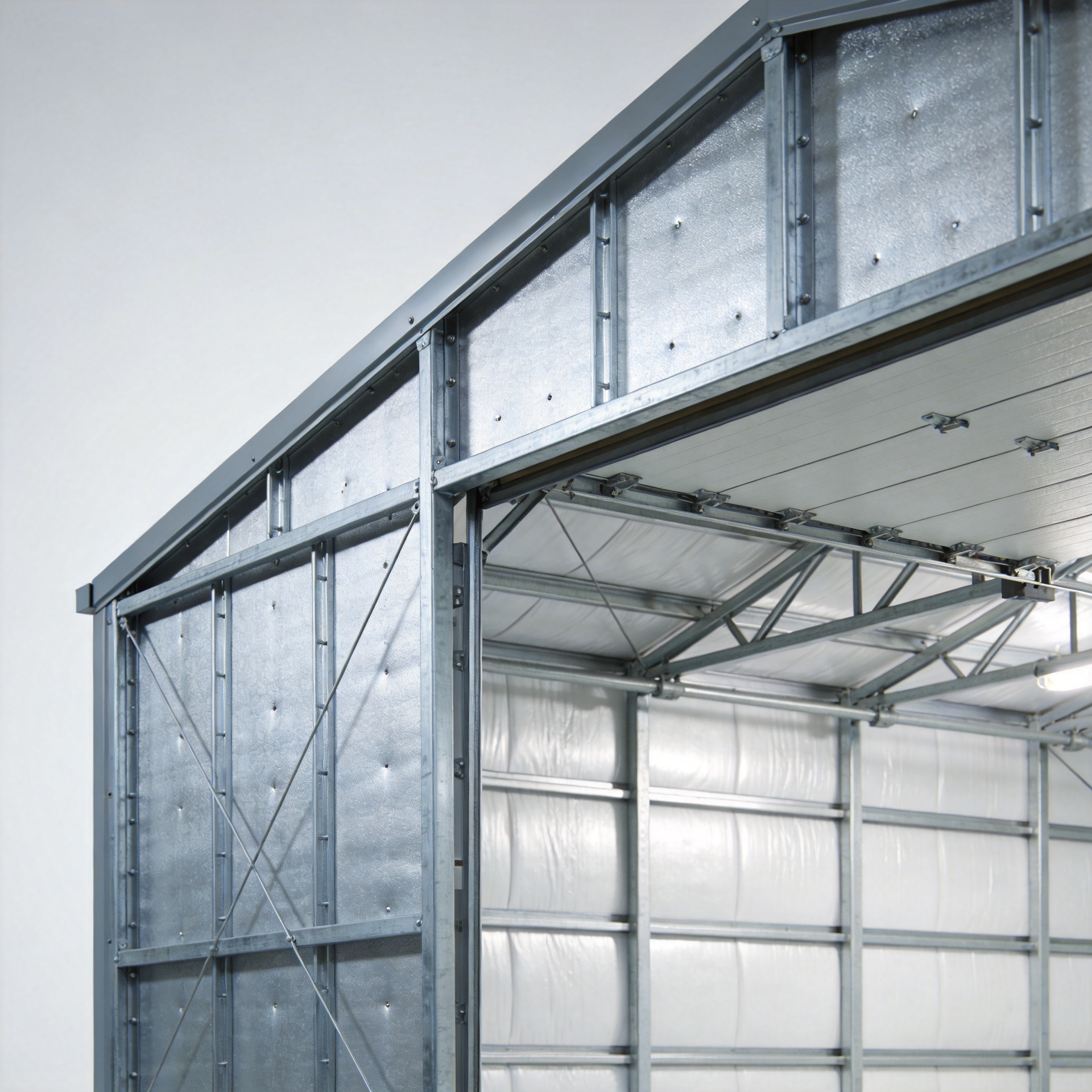
2026/10/26
Plan a cold storage steel structure with insulation, vapor control, thermal breaks, refrigeration interfaces and corrosion-ready details.
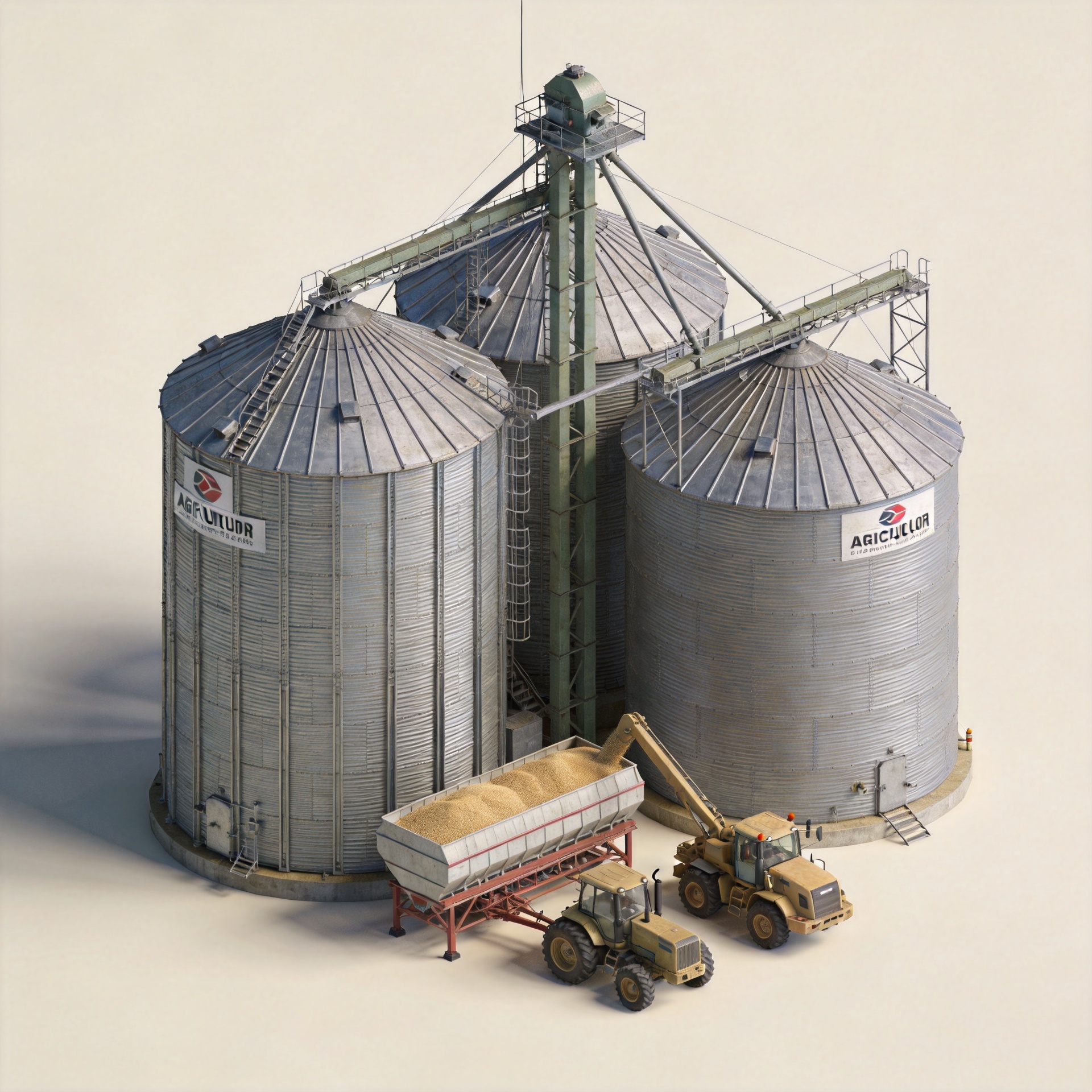
2026/10/26
Plan an agricultural steel structure that scales from machinery barn to storage and farm logistics hub with practical design and procurement steps.
2026/10/26
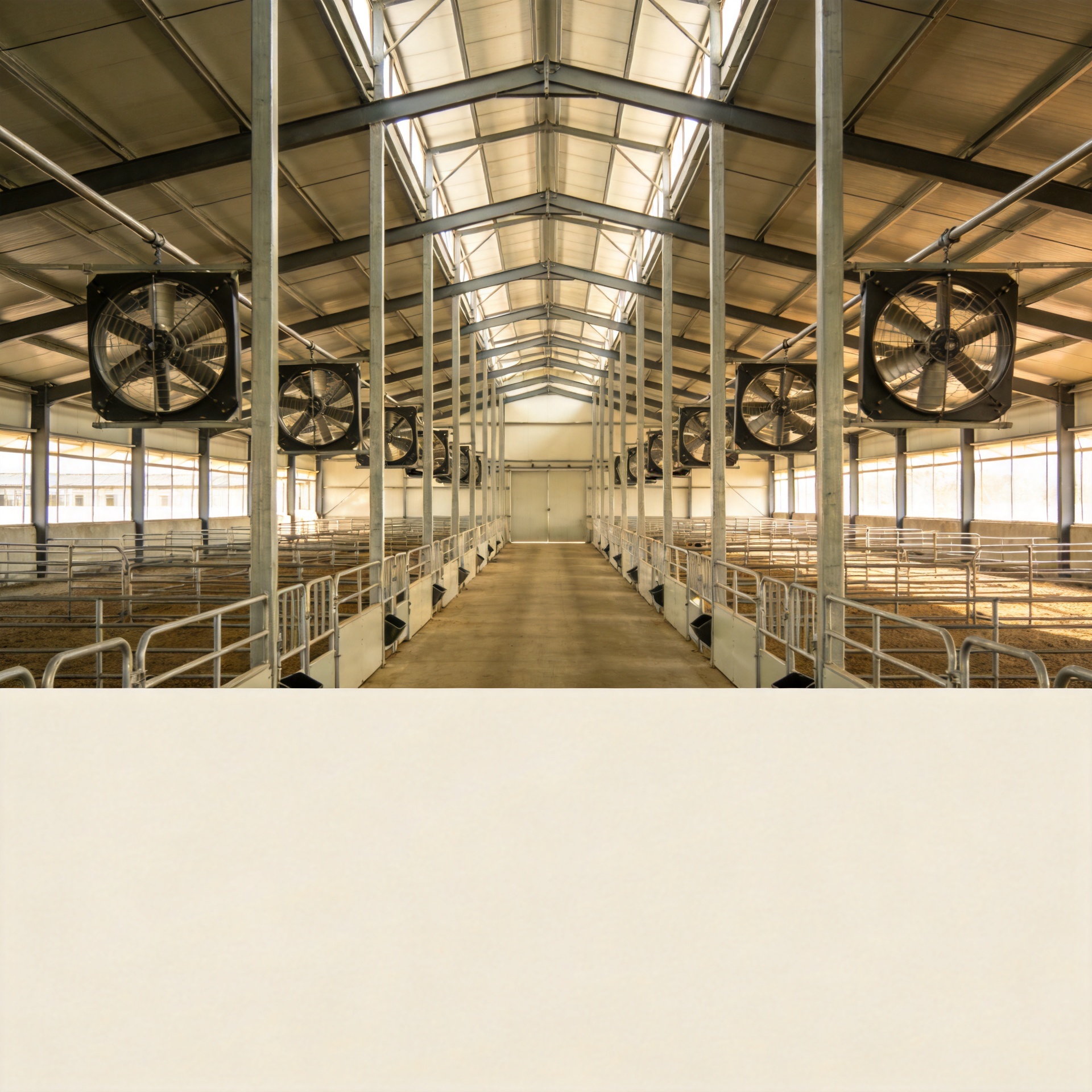
Plan a livestock steel structure for welfare, corrosion resistance, fire considerations, and efficient design-to-delivery decisions.
2026/10/26
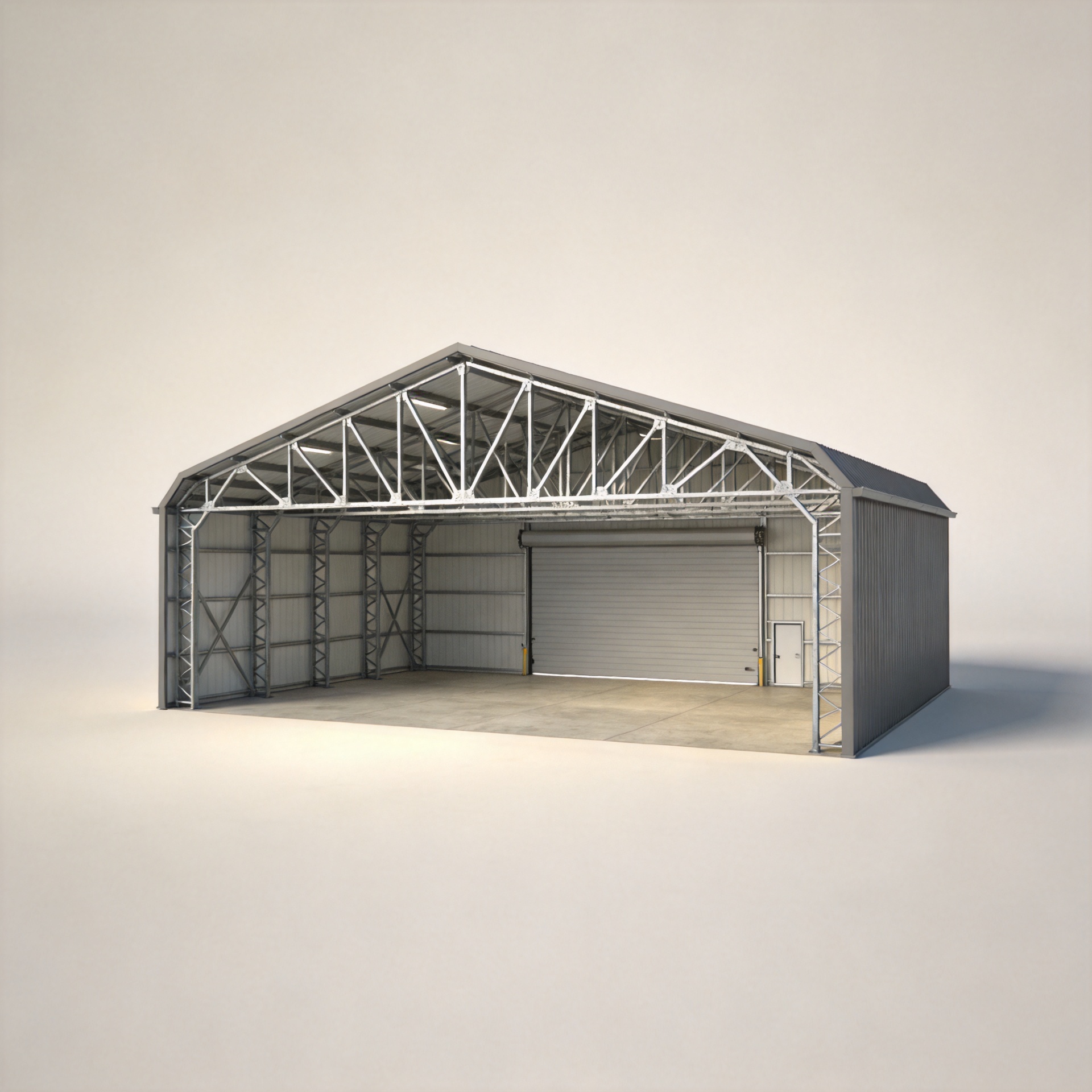
Plan an aircraft steel structure for hangars and support facilities with guidance on loads, corrosion, fire, EN 1090, and delivery milestones.
2026/10/26
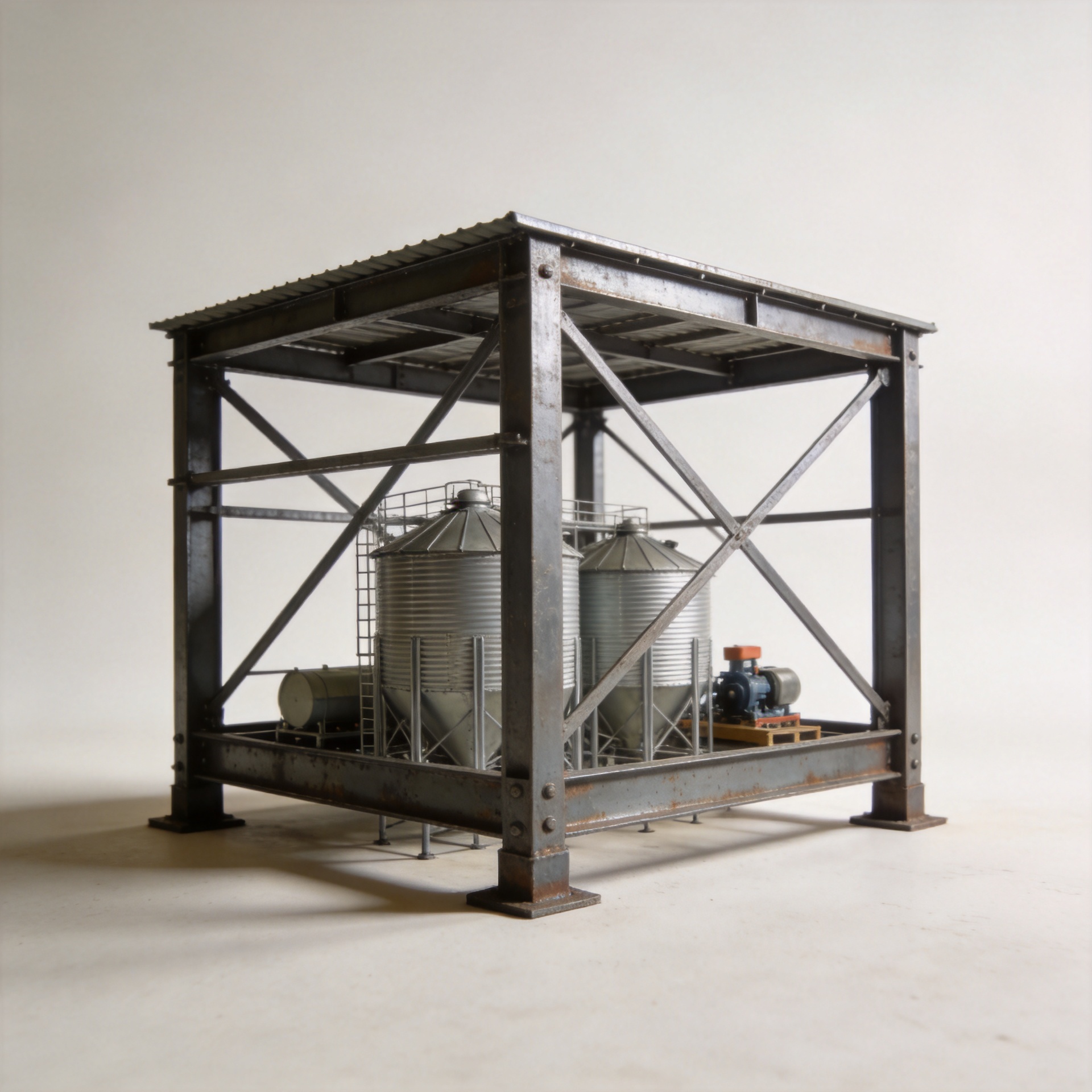
Choose a farm steel structure for agricultural storage with practical guidance on loads, corrosion, compliance, and delivery planning.
