 EN
Warehouse-Workshop Steel Structures: Dual-Use Design
2026/10/26
Plan a warehouse workshop steel structure with smarter zoning, flow, clear height, crane, fire, and expansion decisions.

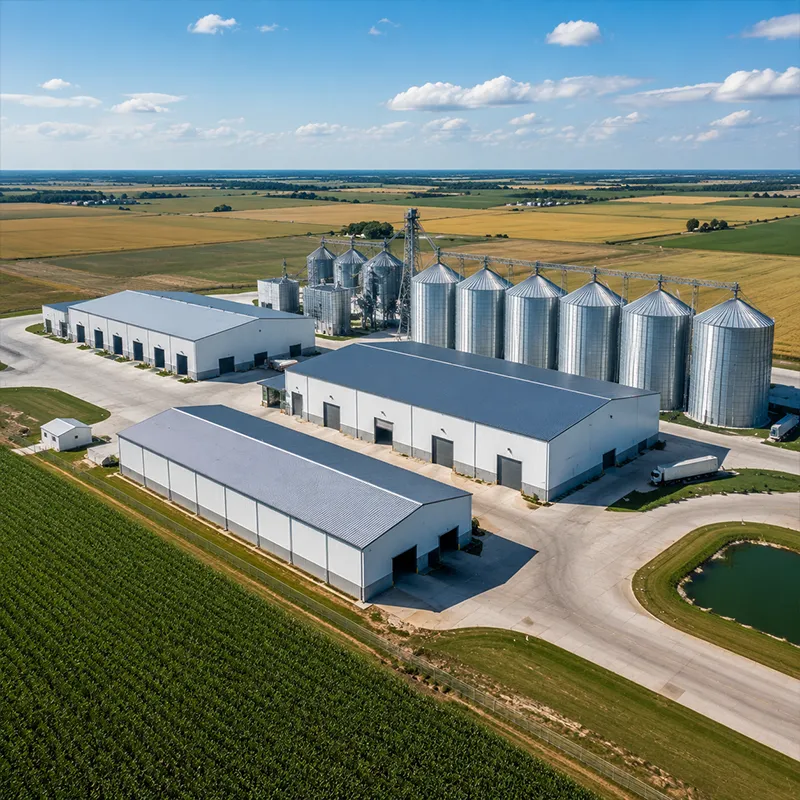
Metal farm buildings have become a practical choice for agricultural operations that need reliable space for equipment, animals and harvested crops. A well-designed steel structure resists corrosion, handles heavy snow loads and provides column-free interior room that traditional timber frames cannot match. Owners gain flexible layouts, faster erection and lower lifetime repair compared with masonry or wood construction, which explains the steady shift toward steel across farms of every size. The same structure that houses a tractor today can later shelter livestock or grain with only internal changes, giving owners flexibility that rigid masonry cannot offer when the operation evolves.
Equipment and machinery sheds protect tractors, combines, planters and hand tools from rain, frost and UV damage, while livestock and poultry housing demands controlled air exchange and wash-down surfaces. Galvanized C&Z purlins and Q355B steel frames keep the enclosure rigid while allowing wide door openings for large machinery. These metal farm buildings prioritize easy drive-through access, with ridge ventilation that disperses fumes near stored fuel or batteries. Sliding or sectional doors sized to the biggest machine reduce handling time during planting and harvest peaks, and smooth interior liners simplify disinfection between herds or flocks.
Grain storage requires tight envelopes that block moisture, rodents and insects. A sealed steel shell with proper roof slope prevents water pooling, while raised concrete foundations keep sacks and bulk grain away from ground damp. Climate control through 150mm PIR insulation limits spoilage during humid seasons. Metal farm buildings configured for crop storage often include passive vents and sealed seams so humidity stays within a safe range from filling to outreach, protecting both market value and seed viability through long holding periods.
Steel frames deliver clear spans that remove interior columns, letting owners arrange feeders, racks and aisles freely in metal farm buildings. EN 1090 execution standards guide fabrication so welded and bolted joints meet European structural tolerances. Coatings such as galvanization and glass-flake shield the steel from fertilizer and manure corrosion. For regions with heavy snowfall, the load-bearing design is verified through finite element analysis so roof deflection stays within service limits under peak accumulation, keeping the structure safe when access is hardest.
Unlike timber, steel does not rot, attract termites or warp under load. Routine care focuses on fastener checks and coating touch-ups rather than full member replacement. For owners managing remote sites, fewer repair visits translate into lower operating cost over the asset life of metal farm buildings. Galvanized purlins and protected connections keep maintenance intervals long, which matters when a single building shelters valuable machinery or a seasonal harvest that cannot wait for repairs.
Project budget for metal farm buildings scales with span, height and chosen steel grade. Q355B and Q355D grades suit most farm loads, while Q355B-Z35 plate resists lamellar tearing at thick connections. Insulation thickness, such as 150mm PIR for temperature-sensitive storage, adds cost but protects crop value and animal comfort. Prefabrication in a controlled shop shortens on-site time, yet transport of long clear-span members to rural sites should be planned during early design to avoid access issues that delay the season.
Foundation type depends on soil bearing and building use. A grain annex needs firmer footings than an open equipment shelter. Drainage grading around the slab prevents ponding that accelerates coating failure. Early geotechnical review avoids expensive redesign after steel arrives. Wind load and exposure also shape anchorage detail, so local climate data should feed the structural model before fabrication begins, and a single point of contact helps resolve site questions quickly. Owners should also confirm local setback rules and utility routes before the slab is poured, since relocating a finished foundation is rarely economical once steel arrives.
A regional grain depot faced chronic spoilage in older masonry stores that leaked during wet harvests. The operator needed dry, pest-proof capacity before the season opened. Jinnuoda delivered metal farm buildings with sealed envelopes and 150mm PIR insulation, plus galvanized purlins for fast erection using 10.9S high-strength bolts. Result: stable interior humidity and quicker turnaround during peak intake, with bilingual manuals supporting local crews through the first demanding season.
Confirm certifications such as ISO 9001 and EN 1090, and request the steel grade schedule. Inspect connection details—10.9S high-strength bolts provide dependable joints for seismic and wind zones. Match door size to the largest equipment and verify snow and wind load ratings for the local climate. Ask for the fabrication drawing set and a bill of materials so the delivered metal farm buildings match the approved design without silent substitutions that surface only during assembly.
Schedule seasonal checks of roof fasteners, gutter flow and coating condition. Touch up scratched galvanization promptly to stop rust spread. Keep vegetation clear from walls to reduce pest access and allow inspection access. Document inspections so future buyers see a maintained structure. Re-tension accessible bolts after the first year, since initial settlement can loosen connections on softer ground and slowly shift door alignment.
Metal farm buildings reward careful planning with decades of dependable service across storage, livestock and crop protection needs. Selecting the right steel grade, insulation and foundation early keeps the structure safe, efficient and economical throughout its working life, and turns a simple enclosure into a long-term production asset.
Frequently Asked Questions
Question What are metal farm buildings used for?
Answer Metal farm buildings serve equipment storage, livestock housing, grain protection and machinery workshops. Steel frames resist weather and pests while offering clear interior spans. Proper insulation and ventilation tailor each structure to its agricultural function, from cold crop storage to warm animal shelters that support year-round production on the property.
Question How much do metal farm buildings cost?
Answer Cost depends on span, height, steel grade and insulation. Larger clear spans and 150mm PIR climate control raise the budget, while simple equipment shelters stay economical. Foundation and site grading add to the total. Request a detailed schedule listing Q355B or Q355D steel and connection specifications before committing to a supplier or construction timeline.
Question Which steel grade suits farm structures?
Answer Q355B covers most agricultural loads, with Q355D for low-temperature toughness and Q355B-Z35 plate at thick welded joints. EN 1090 execution ensures fabrication quality. Galvanized C&Z purlins and protective coatings extend service life in corrosive manure and fertilizer environments without frequent member replacement or early structural intervention on remote sites.
Question Do metal farm buildings need permits?
Answer Most jurisdictions require building permits based on span, occupancy and wind or snow loads. Local codes may reference IBC or Eurocode criteria for structural safety. Engage a structural engineer early to confirm foundation and bracing meet regional requirements before fabrication and delivery begin, avoiding costly rework after steel arrives on site.
Question How to maintain a steel farm building?
Answer Inspect roof fasteners, gutters and coating each season. Repair scratched galvanization quickly to prevent rust. Clear vegetation and standing water near walls. Verify door mechanisms and ventilation operate smoothly. Consistent care keeps metal farm buildings functional and protects the stored assets inside for many years of reliable agricultural service.
2026/10/26
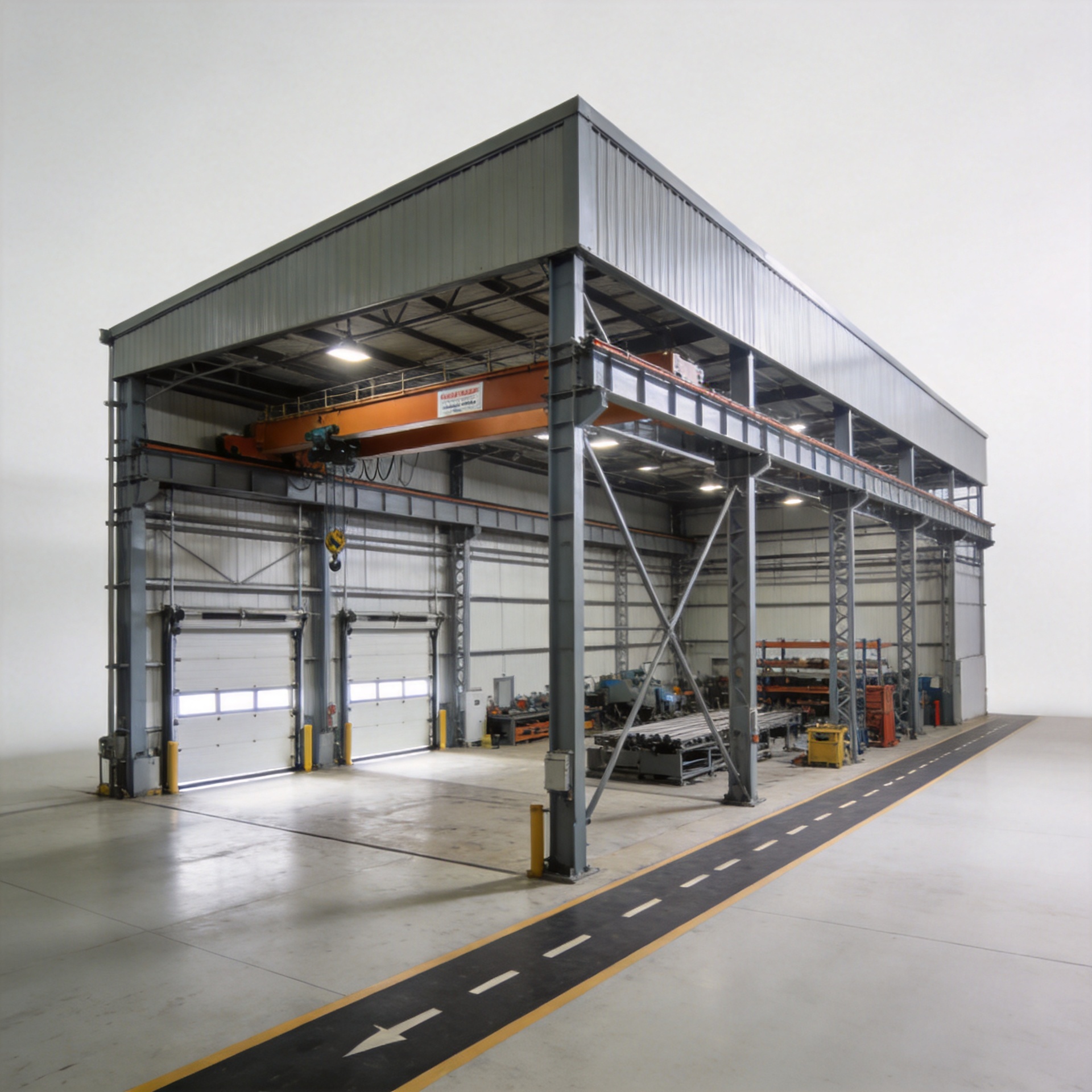
Plan a warehouse workshop steel structure with smarter zoning, flow, clear height, crane, fire, and expansion decisions.
2026/10/26
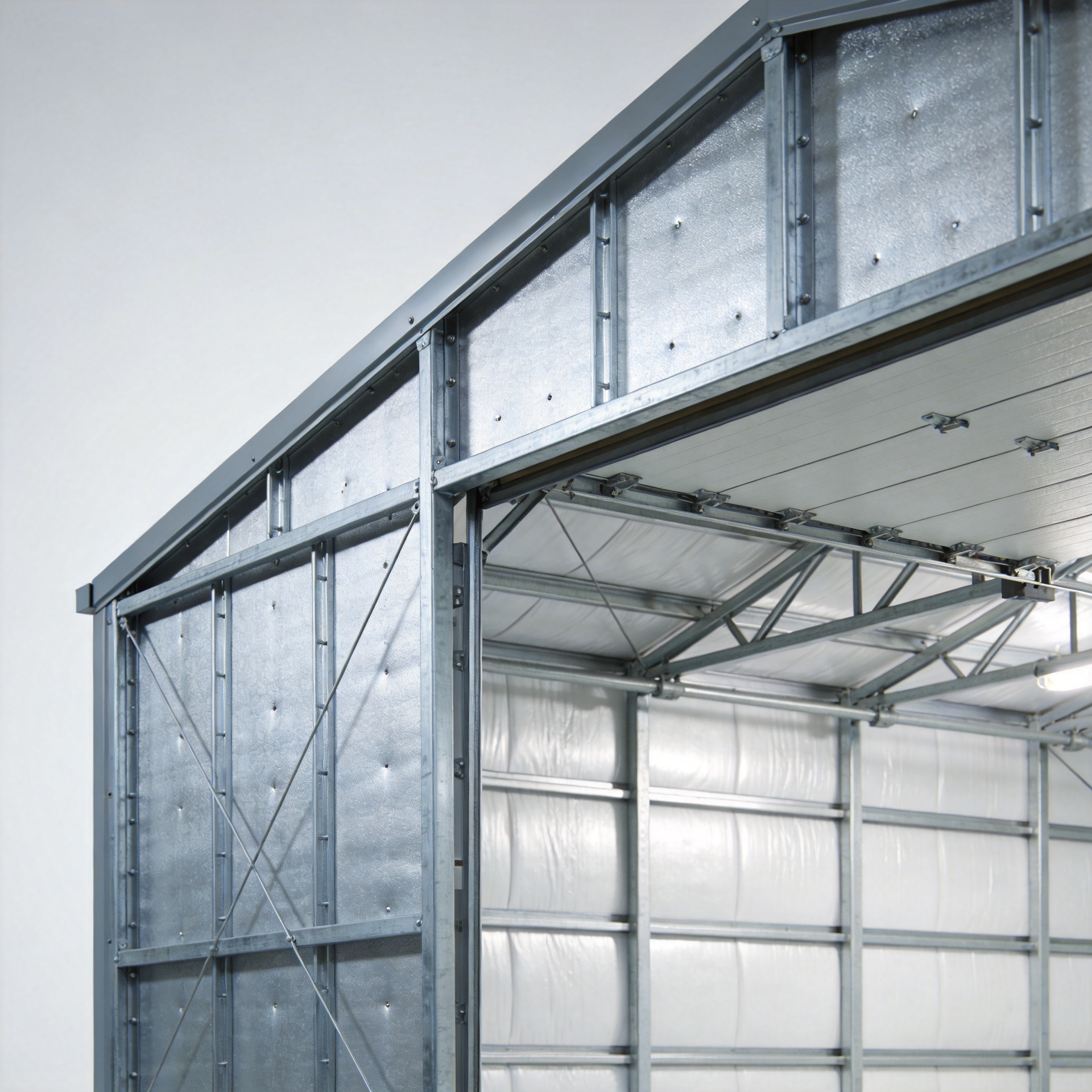
Plan a cold storage steel structure with insulation, vapor control, thermal breaks, refrigeration interfaces and corrosion-ready details.
2026/10/26
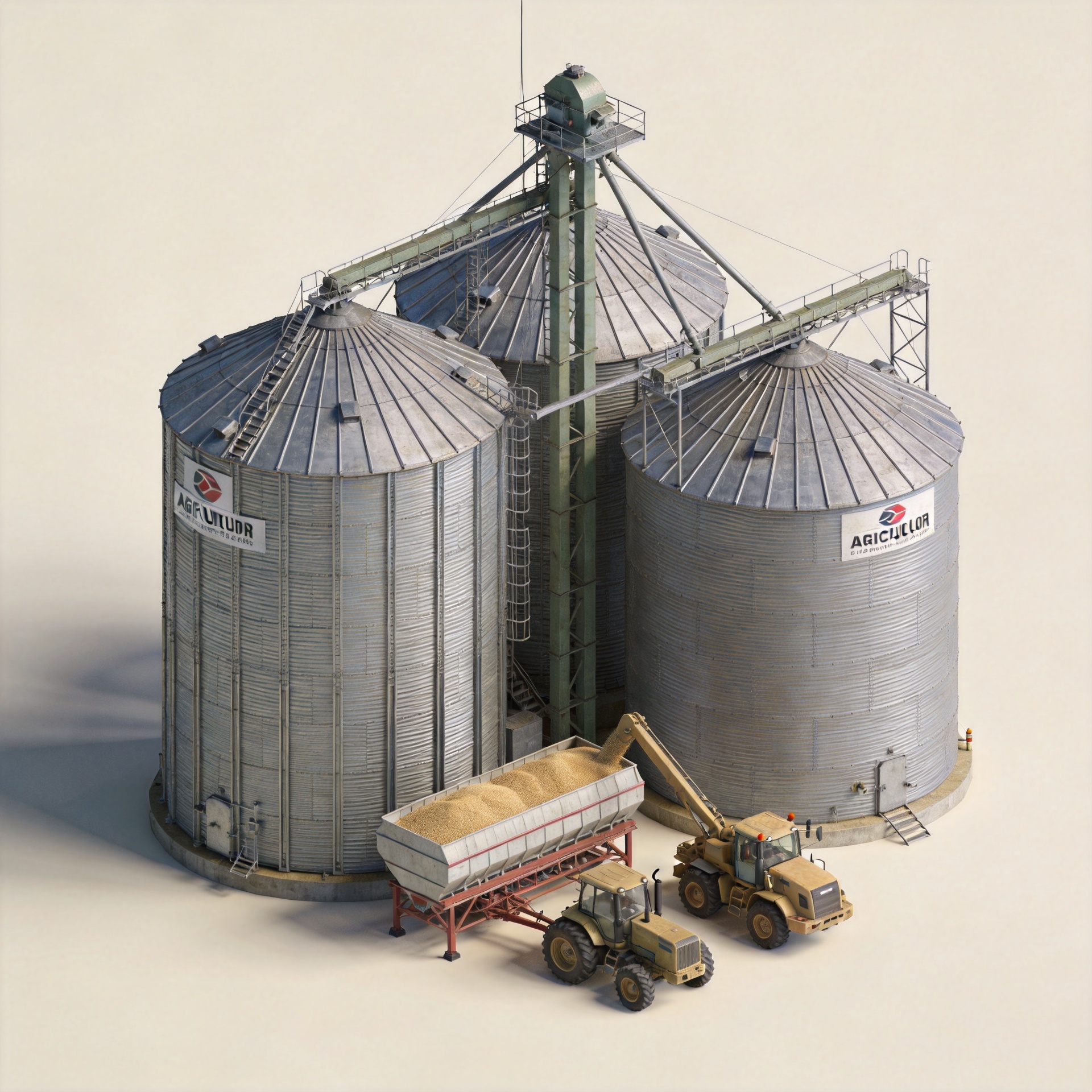
Plan an agricultural steel structure that scales from machinery barn to storage and farm logistics hub with practical design and procurement steps.
2026/10/26
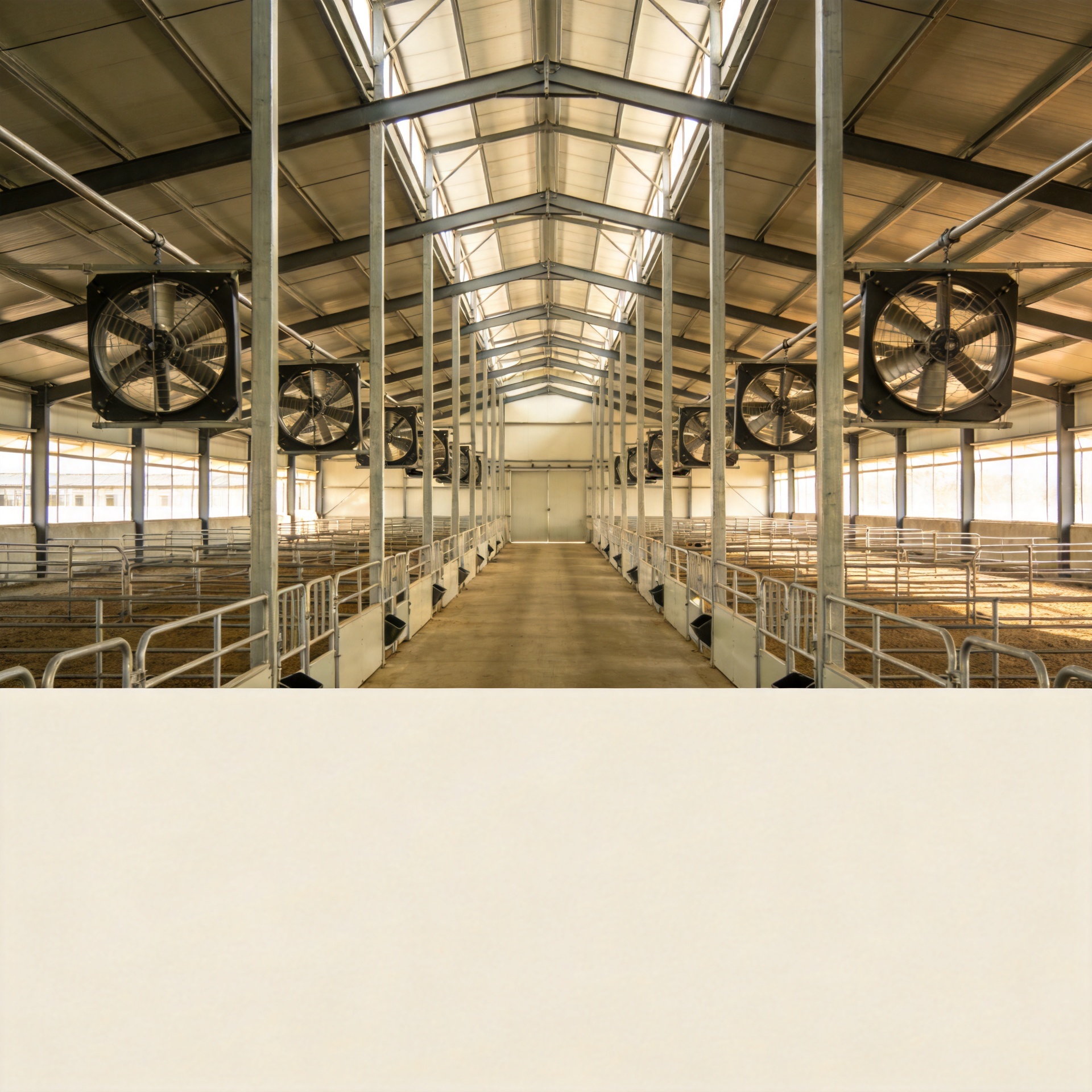
Plan a livestock steel structure for welfare, corrosion resistance, fire considerations, and efficient design-to-delivery decisions.
2026/10/26
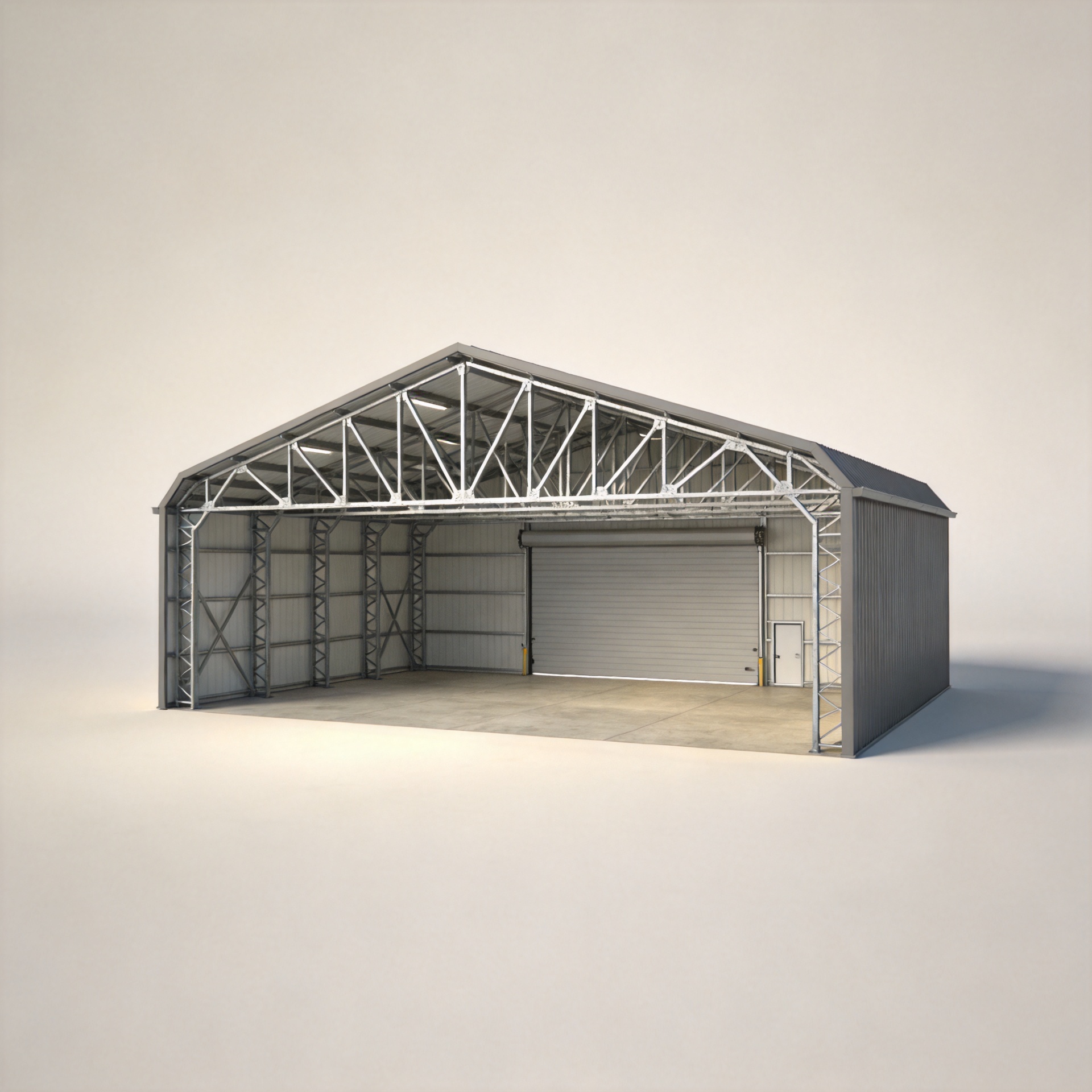
Plan an aircraft steel structure for hangars and support facilities with guidance on loads, corrosion, fire, EN 1090, and delivery milestones.
2026/10/26
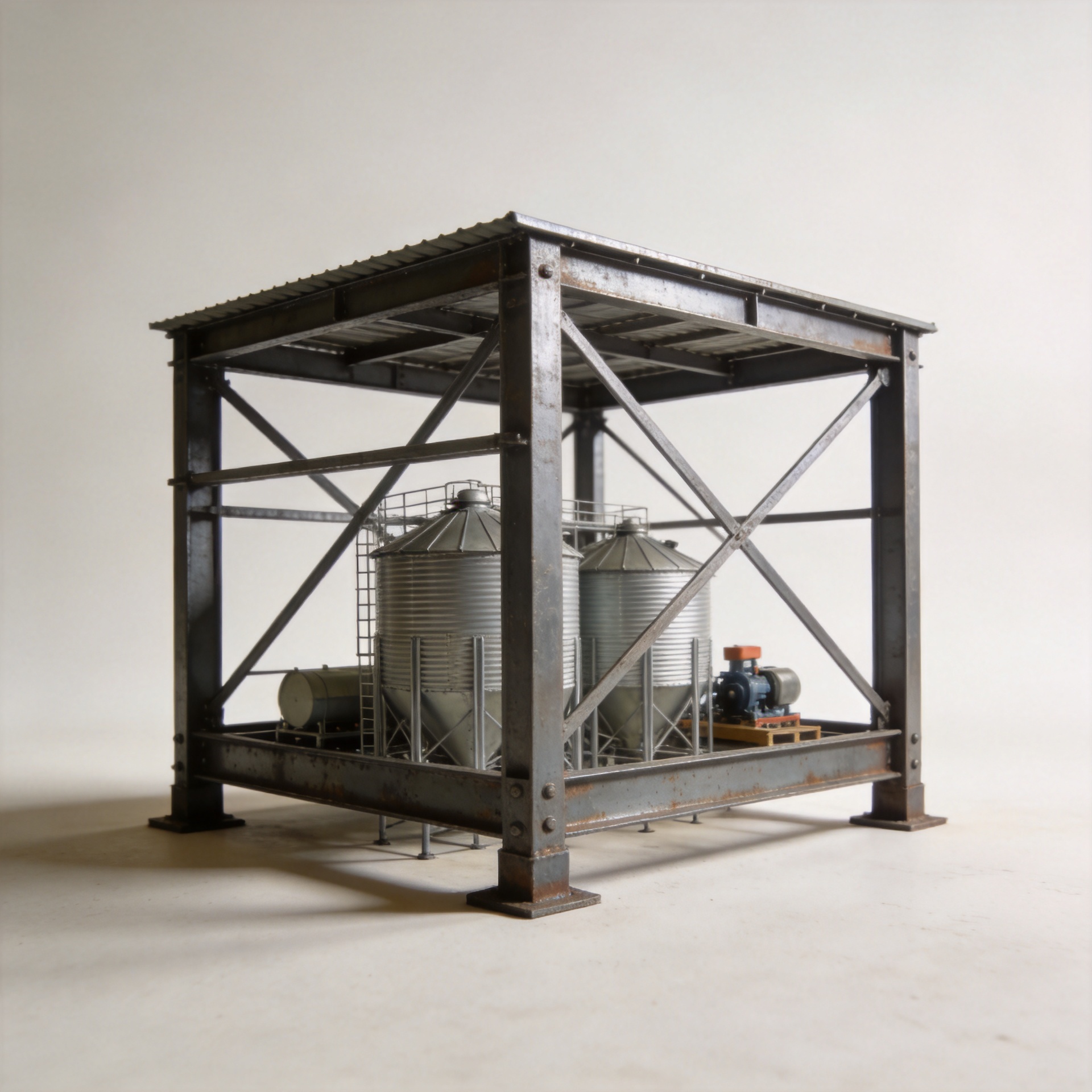
Choose a farm steel structure for agricultural storage with practical guidance on loads, corrosion, compliance, and delivery planning.
