 EN
Warehouse-Workshop Steel Structures: Dual-Use Design
2026/10/26
Plan a warehouse workshop steel structure with smarter zoning, flow, clear height, crane, fire, and expansion decisions.

A machining workshop houses lathes, mills, and grinders whose accuracy depends as much on the building as on the machines. Floors that deflect, frames that transmit vibration, or cranes that sway all degrade tolerances and scrap expensive parts. The steel structure therefore must be specified around the process, not bolted on afterward, because correcting a flexible frame after it is erected costs far more than getting the stiffness right on paper.
A machining workshop should sit where service cranes, incoming steel, and outgoing finished goods move in a logical loop. Keep heavy machine bays away from office or inspection rooms so vibration does not reach metrology. Soil investigation early reveals whether the slab needs thickened edges, piles, or a raft to carry concentrated machine masses without settlement that throws alignment out. A clean site loop also shortens internal transport and protects finished parts from handling damage. A simple rule is to place the heaviest, noisiest machines at the far end and keep clean assembly near the dispatch door. A practical tip is to reserve a clean, low-vibration wing for inspection and quality rooms from the start. Retrofitting a quiet metrology space later means building a box inside the noisy hall, which costs more and still picks up some shake. Planning the machining workshop layout with the measurement path in mind protects part-acceptance rates.
Overhead cranes move castings and tooling, so the frame must carry runway beams with minimal deflection. Portal frames transfer these point loads through haunches into foundations designed per ACI 318. A 10.9S high-strength bolted connection keeps joints re-tightenable under cyclic crane loading. Finite element analysis confirms the column grid and rail alignment before fabrication, while CNC cutting delivers the brackets that locate the rail exactly. In a busy machining workshop the crane runs for years, so rail accuracy at erection pays back in every lift.
Precision machining resents vibration from passing traffic, adjacent presses, or the frame itself. A machining workshop reduces this by stiffening the structure, isolating machine foundations, and avoiding long, flexible spans that resonate. Q355B steel gives predictable stiffness; deeper portal sections and braced bays raise natural frequency above machine excitation. EN 1090 execution and ISO 3834 welding quality ensure joints perform as modeled, not as hoped, which is why the weld procedure matters as much as the steel grade. Resonance is the quiet enemy. A span that looks stiff on paper can still hum at the frequency of a nearby press or a passing truck, and that hum reaches the spindle. The fix is rarely more steel alone; it is the right combination of stiffness, mass, and isolation that the FEA model reveals before the frame is cut.
Machine tools impose point loads far heavier than pallet racking. The slab needs reinforcement, possibly a thickened raft, and a flat, level finish for alignment. Differential settlement here ruins accuracy, so baseplate grouting and compacted subgrade matter. Galvanized C&Z purlins and a glass-flake coating on exposed members protect the envelope where cutting fluids and abrasion attack steel. A well-built slab keeps the machining workshop accurate long after the machines are replaced. Design the slab for the heaviest tool you may add, not only the one on order. A workshop often grows its plant over years, and a floor rated for today's lathe may crack under next decade's grinder. A little extra reinforcement now is cheaper than jacking and re-pouring the floor later.
Background: A machinery manufacturer needed a workshop for CNC lathes and grinding near an existing press hall. Problem: The original block transmitted press vibration into the measurement room, causing rejected parts. Solution: JINNUODA built a Q355B steel workshop with BIM clash detection between crane runways, roof trusses, and service routes, plus FEA to stiffen bays and isolate the metrology bay on a separate foundation. Result: Vibration dropped to acceptable levels, scrap rate fell, and the plant ran with bilingual manuals and a single point of contact for technical support.
OSHA 29 CFR 1910 covers machinery and handling safety; IBC sets occupancy and egress for industrial buildings. AISC 360 and Eurocode 3 guide steel design where applicable, while EN 1090 execution with ISO 3834 certifies welding. ISO 9001 governs the quality system. Specifying these up front gives buyers auditable assurance the structure matches the process intent, and a machining workshop that meets code also meets the insurer's expectations for a precision tenant.
Buying advice: Require steel grade certificates, bolt specification, and coating thickness proof; confirm EN 1090 documentation. Inspection advice: Verify crane rail alignment, baseplate grout, and weld reports at erection; commission NDT on primary joints. Usage advice: Respect floor load plaques, isolate vibrating kit from metrology, and keep crane within rated capacity. Maintenance advice: Re-tighten fasteners after the first winter, inspect glass-flake coating, and monitor slab for cracks so a machining workshop stays accurate for years.
A machining workshop built around the process pays back through scrap reduction and uptime. Let the machines set the structural brief, and the steel frame becomes a precision tool rather than a mere enclosure, because stiffness and alignment are what turn a building into part of the production system.
Question What structure suits a machining workshop best?
Answer A stiff steel portal frame with braced bays resists vibration better than flexible spans. Q355B steel and deeper sections raise natural frequency above machine excitation. Specify 10.9S bolted joints and EN 1090 execution so connections perform as modeled. A machining workshop frame should serve the process, carrying crane rails and machine loads without deflection that ruins tolerance, and the weld procedure matters as much as the steel grade chosen.
Question How are crane runways supported in a steel workshop?
Answer Portal frames transfer runway point loads through haunches into ACI 318 foundations. Finite element analysis confirms column grid and rail alignment before fabrication, and CNC cutting locates brackets precisely. 10.9S high-strength bolts keep joints re-tightenable under cyclic crane loading, protecting both structure and the lifting operation daily. In a busy machining workshop the crane runs for years, so rail accuracy at erection pays back in every single lift.
Question Why does vibration matter in machining workshops?
Answer Lathes, mills, and grinders lose accuracy when the floor or frame vibrates from traffic, presses, or resonance. A machining workshop controls this by stiffening structure, isolating machine foundations, and avoiding long flexible spans. Lower vibration cuts scrap and rework, directly protecting part quality and the plant's profitability over time, because each rejected component carries the full cost of material, machine time, and labor.
Question What floor does heavy machine tools require?
Answer Machine tools impose heavy point loads needing reinforced, possibly raft, slabs with a flat level finish for alignment. Differential settlement ruins accuracy, so compacted subgrade and proper baseplate grouting matter. ACI 318 guides detailing. Inspect the slab regularly so a machining workshop keeps its machines precisely aligned, and remember that a well-built slab stays accurate long after the machines themselves are replaced.
Question How is a steel machining workshop maintained?
Answer Re-tighten roof and frame fasteners after the first winter, and inspect glass-flake or galvanized coating on exposed steel annually. Monitor the slab for cracks and verify crane rail alignment. Keep drainage clear. Bilingual manuals and a single contact simplify upkeep, helping the workshop stay accurate and safe across many production cycles and protecting the capital invested in the precision process.
2026/10/26
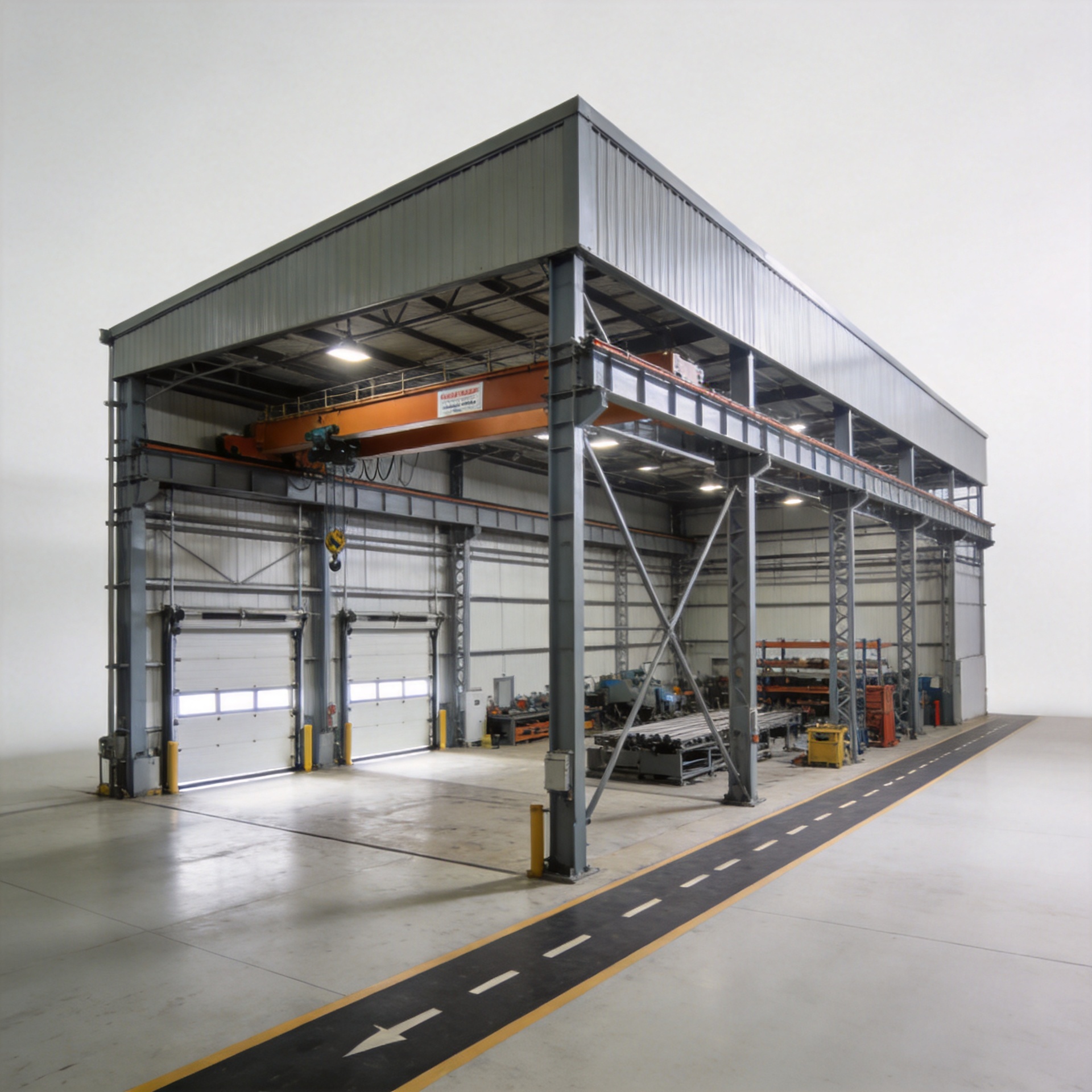
Plan a warehouse workshop steel structure with smarter zoning, flow, clear height, crane, fire, and expansion decisions.
2026/10/26
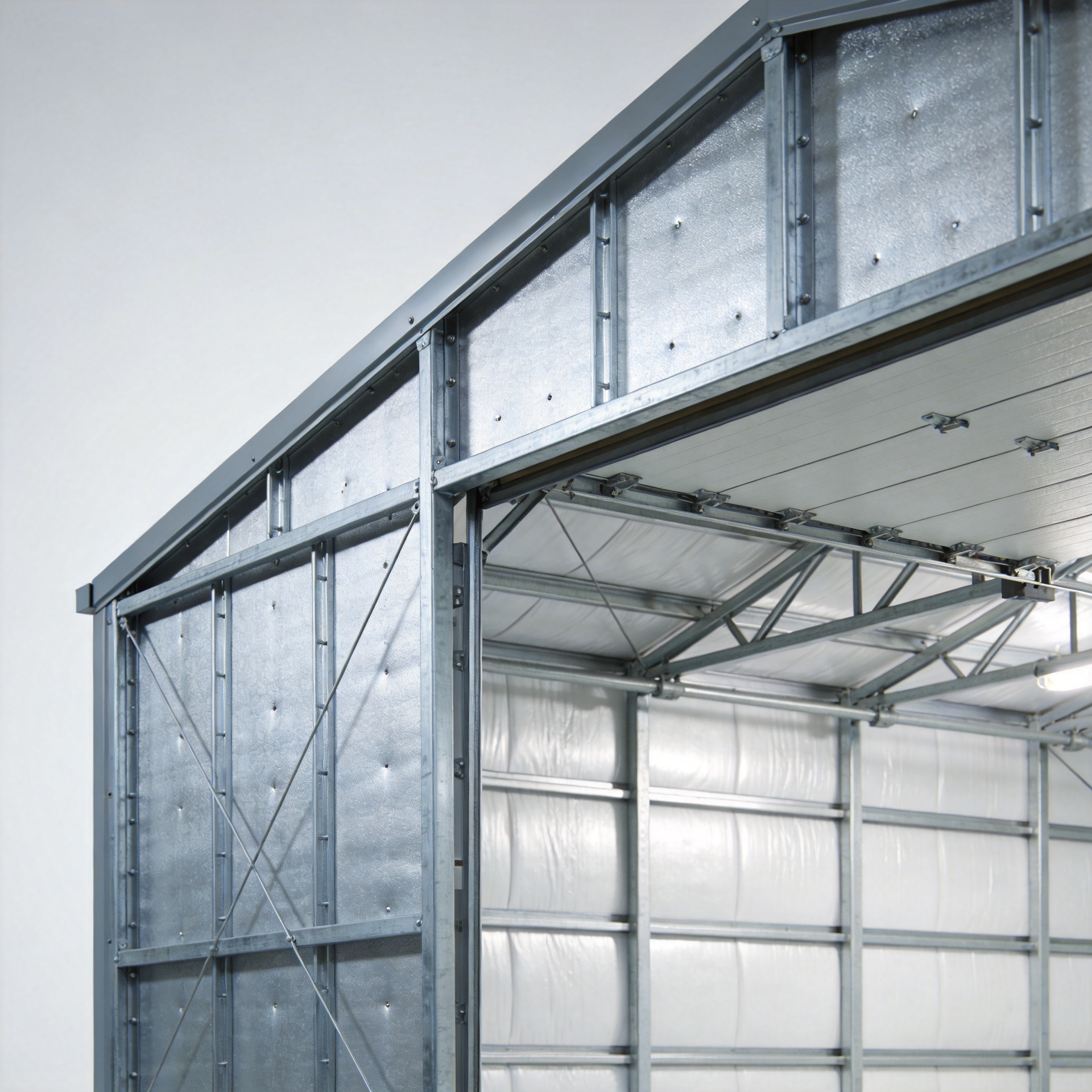
Plan a cold storage steel structure with insulation, vapor control, thermal breaks, refrigeration interfaces and corrosion-ready details.
2026/10/26
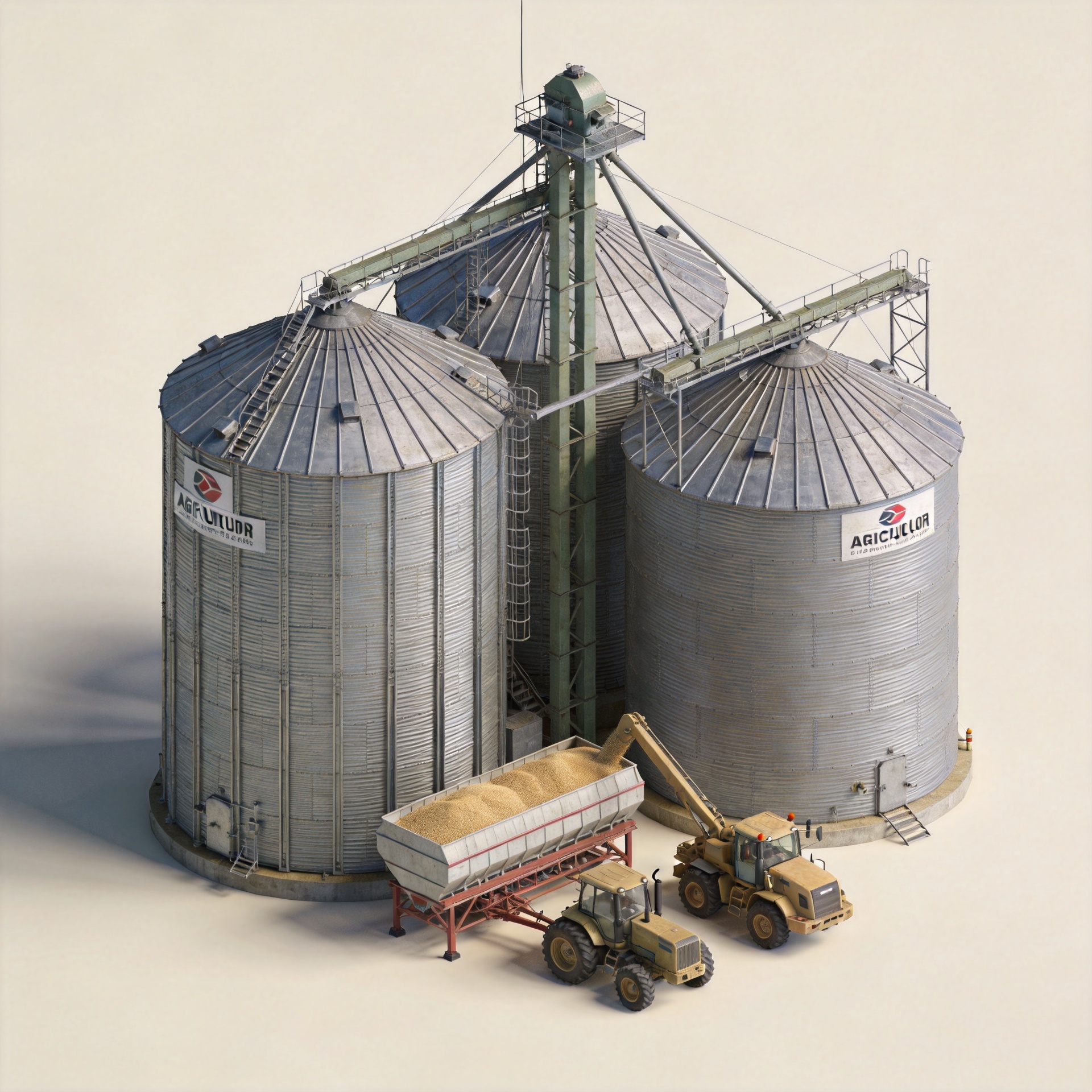
Plan an agricultural steel structure that scales from machinery barn to storage and farm logistics hub with practical design and procurement steps.
2026/10/26
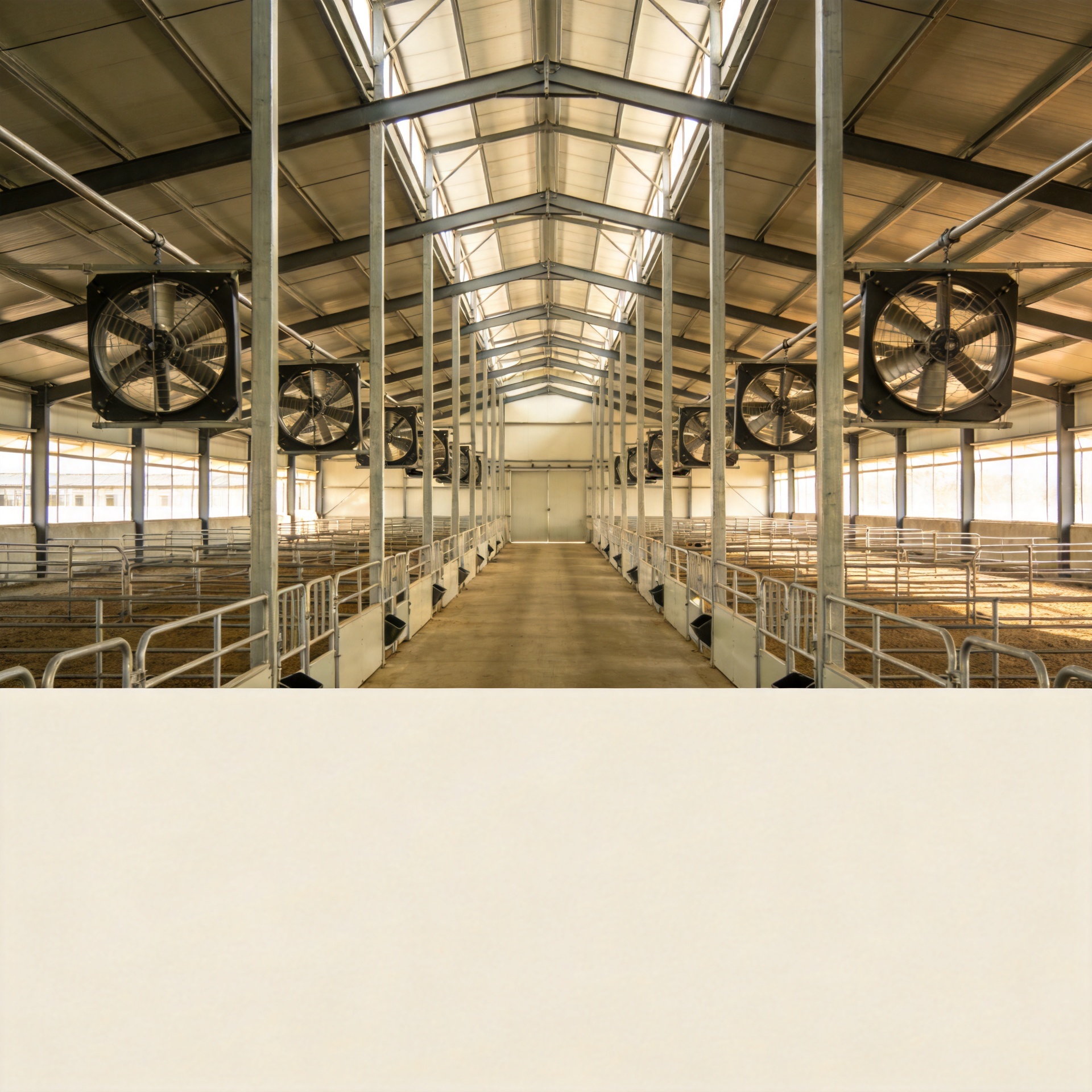
Plan a livestock steel structure for welfare, corrosion resistance, fire considerations, and efficient design-to-delivery decisions.
2026/10/26
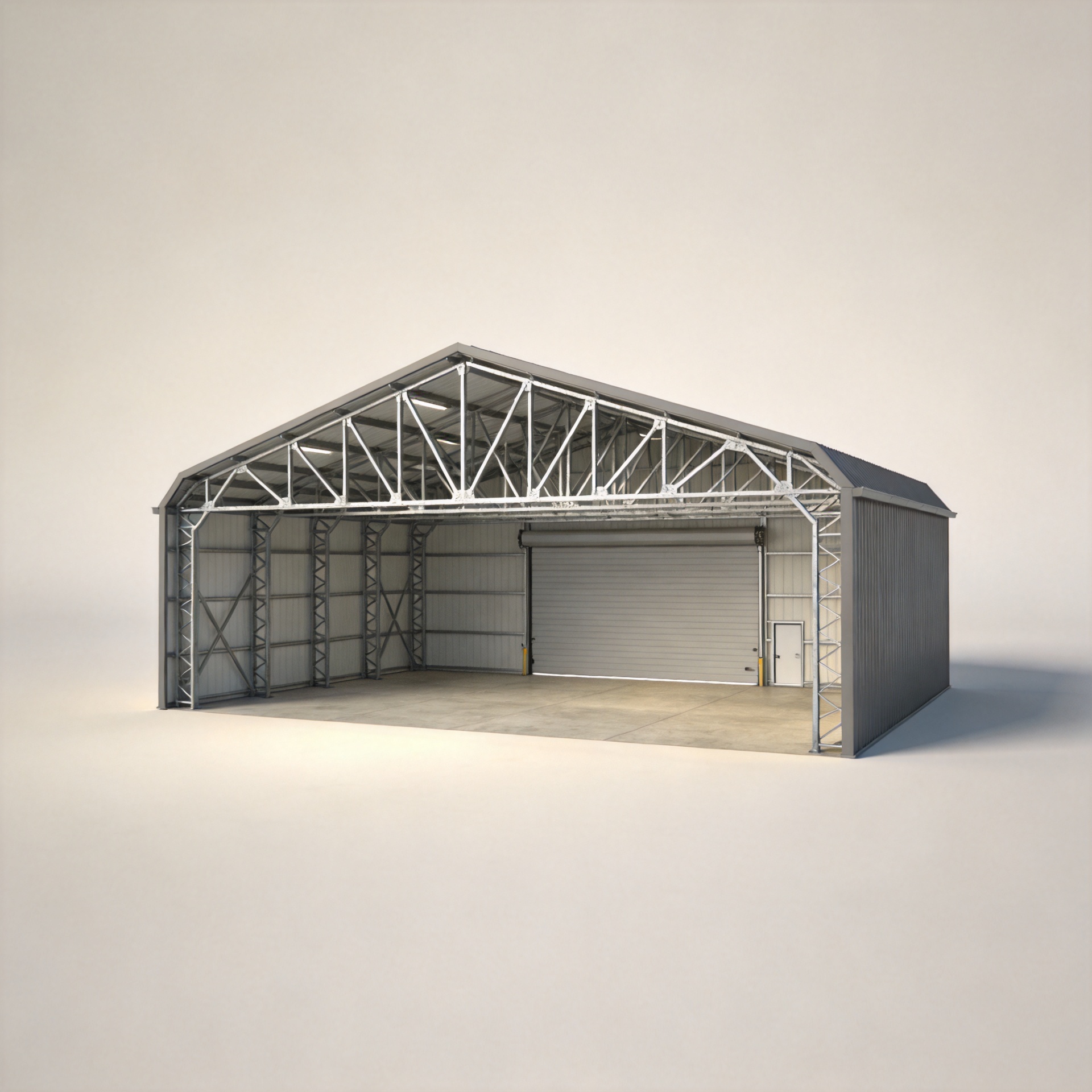
Plan an aircraft steel structure for hangars and support facilities with guidance on loads, corrosion, fire, EN 1090, and delivery milestones.
2026/10/26
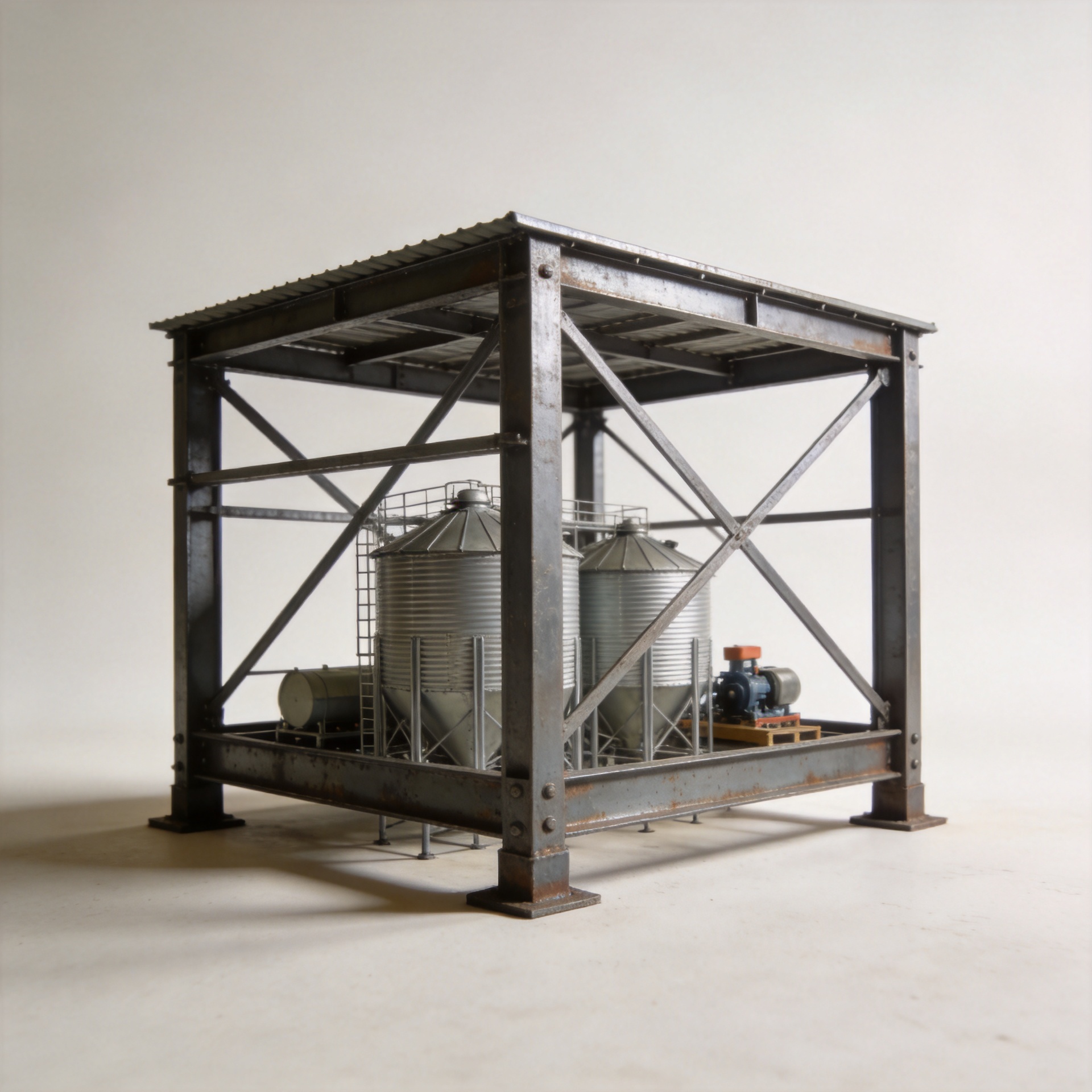
Choose a farm steel structure for agricultural storage with practical guidance on loads, corrosion, compliance, and delivery planning.
