 EN
Warehouse-Workshop Steel Structures: Dual-Use Design
2026/10/26
Plan a warehouse workshop steel structure with smarter zoning, flow, clear height, crane, fire, and expansion decisions.

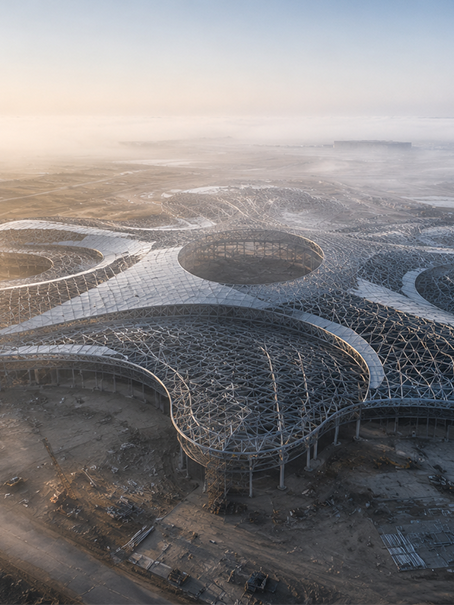
Industrial steel construction has always been about solving problems at the outer limits of what standard methods can handle. As building spans extend past 60, 80, and now over 100 meters for logistics distribution hubs, aircraft maintenance hangars, and heavy manufacturing assembly halls, the gap between claimed capability and real technical depth becomes visible on site. Long-span steel construction introduces structural forces, installation complexity, and long-term monitoring requirements that conventional portal-frame projects never encounter. Shenyang Jinnuoda Steel Structure Engineering Co., Ltd. built its construction management system specifically around these challenges — treating them as expected project conditions, not exceptional risks to be managed after the fact.
Standard single-story industrial buildings can be erected beam by beam using conventional mobile cranes and rigging equipment. But a column-free warehouse spanning 80 meters, or an aircraft hangar requiring 100-meter clear height, cannot be built the same way. The structural geometry changes fundamentally: roof trusses become complex three-dimensional assemblies, self-weight increases non-linearly with span, and connection tolerances acceptable in short-span structures become unacceptable sources of cumulative dimensional error when multiplied across a full bay. High-altitude bolting and welding of these large assemblies also introduces safety exposures — elevated work platforms, heavy component lifts at height — that require specialized management protocols well beyond standard construction site safety procedures.
Jinnuoda's approach to long-span steel construction at the installation stage centers on ground assembly combined with a synchronized hydraulic lifting system. Rather than building complex truss geometry at heights of 15 to 25 meters, the entire roof structure is assembled, welded, and inspected at ground level — where access is unrestricted, quality control is direct, and fall exposure is essentially eliminated. Once ground-level assembly has cleared non-destructive weld testing and dimensional verification, a network of synchronized hydraulic lifting points raises the completed structure as a single rigid unit to its final elevation.
Hydraulic lifting system synchronization is maintained to within a few millimeters across all lift points throughout the raising sequence. This precision prevents the differential deflections that would otherwise introduce unplanned secondary stresses into the structure during installation. For multi-thousand-ton roof assemblies on large industrial plants, this technique eliminates the high-altitude installation risk that represents the single largest safety exposure on projects of this scale — while simultaneously delivering a more accurate final geometry than piecemeal high-altitude assembly can achieve.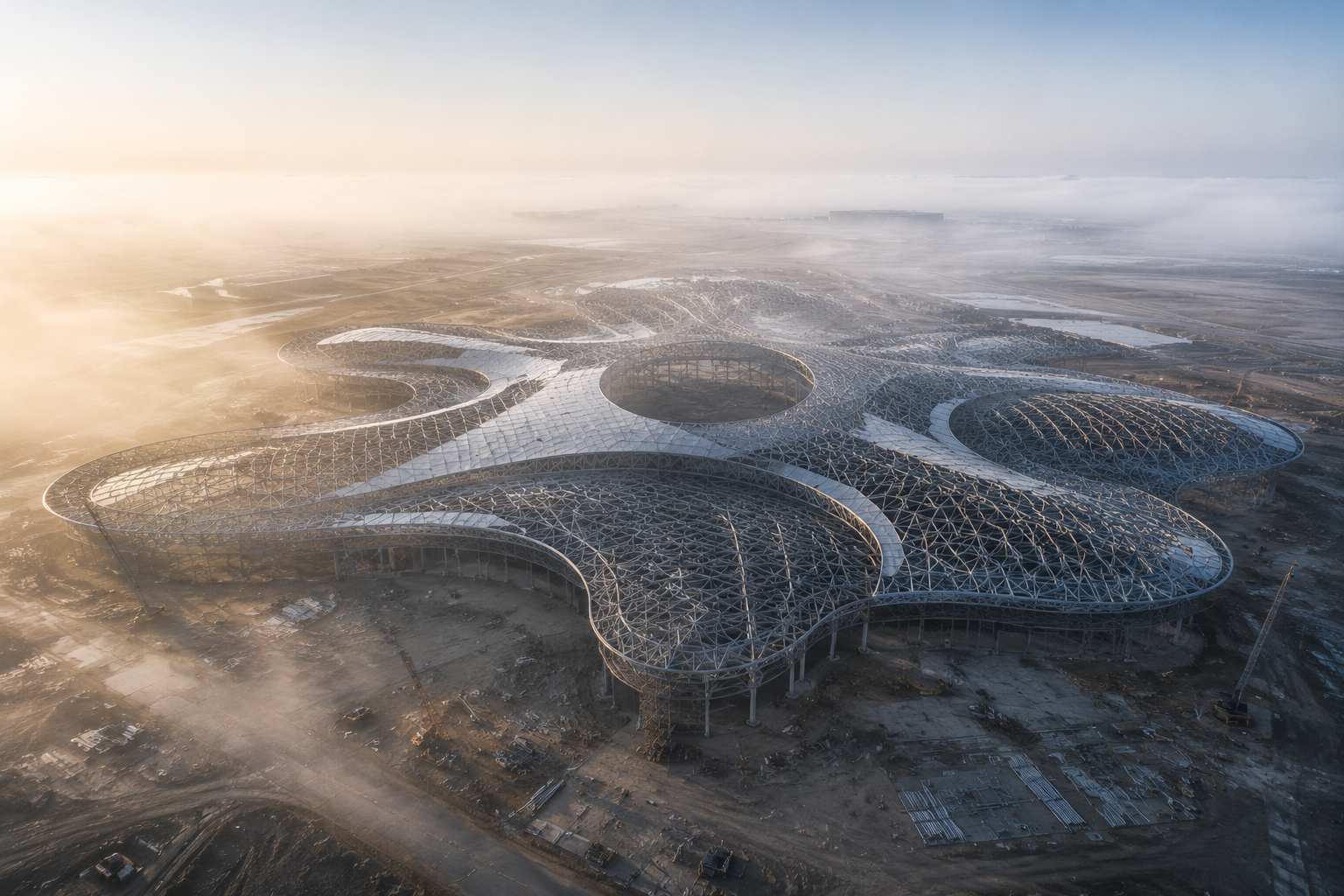
For airport terminals, stadium roofs, and industrial facilities where both span and visual lightness are design requirements, Jinnuoda applies prestressing technology to long-span steel construction. Pre-applied tension is introduced into key structural members during fabrication or erection, generating an initial stress state that counteracts the deflection and bending patterns the structure will experience under service loads. The practical outcome is a shallower, lighter truss that carries the same span as a heavier conventional section — reducing material costs, foundation loading, and column count while achieving the unobstructed interior geometry that large-format industrial and public facilities require.
The structural reliability of long-span steel construction depends entirely on weld integrity at connections that carry enormous concentrated loads. Jinnuoda deploys a full-process non-destructive weld testing regime using Ultrasonic Testing (UT) and Radiographic Testing (RT) across all primary structural connections. These methods detect subsurface discontinuities — fine internal cracks, porosity clusters, and slag inclusions — that are invisible from the exterior surface but represent serious stress concentration points under the cyclic loading that industrial structures experience continuously over their operational life.
Every Grade 1 weld in a Jinnuoda-erected structure achieves 100% compliance under this non-destructive weld testing protocol before any element is concealed or loaded. All test records are documented by joint location, retained in the project quality file, and available to owners and insurers as traceable evidence of construction quality across the full decades-long operational period. This documentation trail is increasingly required by industrial facility owners as part of asset handover packages and ongoing building insurance and certification processes.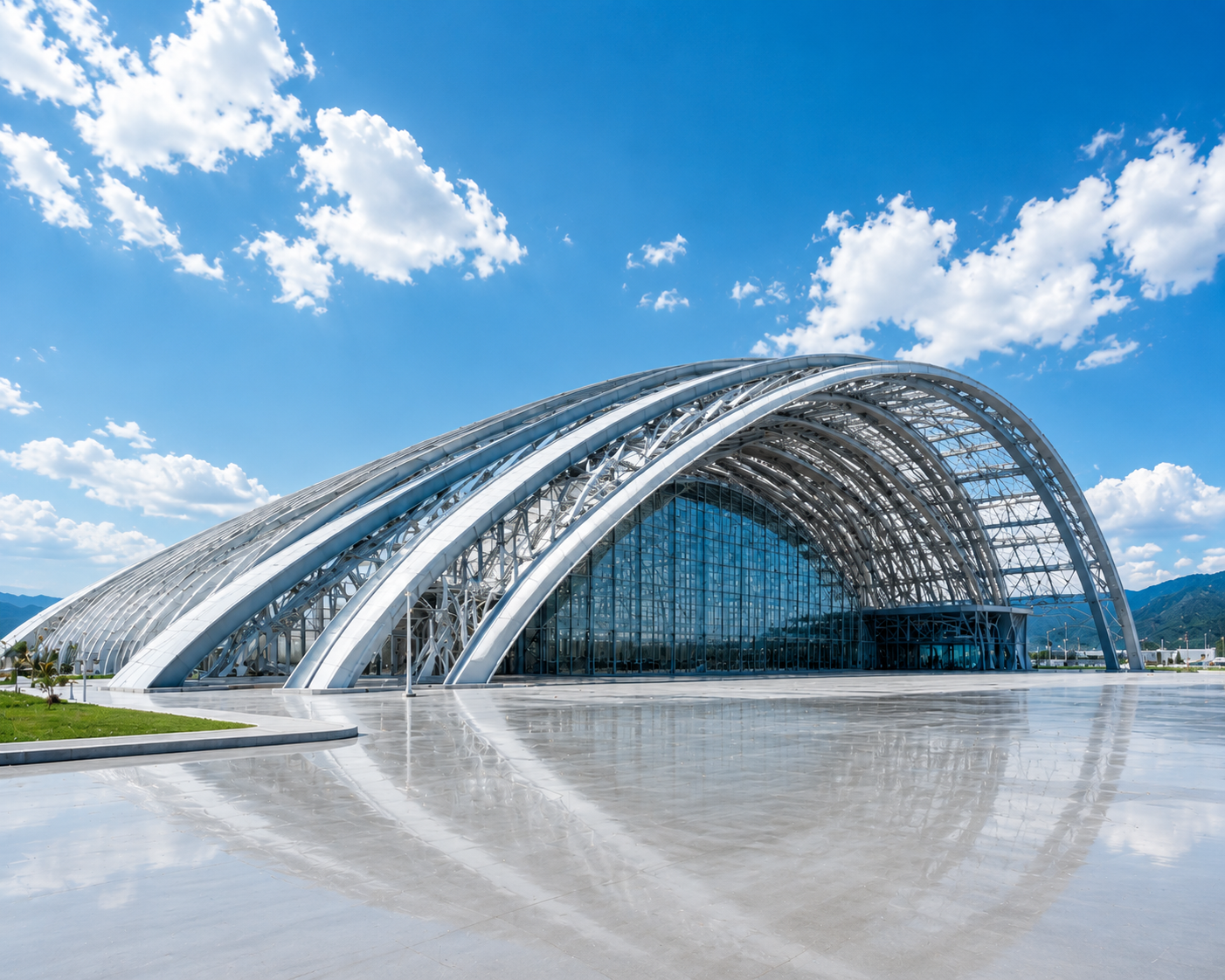
The technical responsibility for a large steel structure does not end at construction handover. Over its service life, an industrial building experiences gradual shifts in stress distribution caused by equipment reconfigurations, changes in operational load patterns, material creep, and cumulative environmental exposure. Structural health monitoring addresses this directly by installing precision sensors at the high-priority nodes identified during the structural design phase — measuring stress, strain, vibration response, and thermal deformation in real time throughout the building's full operational life.
Jinnuoda's structural health monitoring platforms transmit sensor data continuously to a cloud-based analysis system. Automated alerts activate when any parameter approaches a pre-defined safety threshold, converting building management from reactive incident response to proactive maintenance scheduling. For heavy industrial owners where an unplanned structural shutdown triggers operational losses that far exceed the annual cost of a monitoring system, this capability represents a straightforward return on investment — one that is measured in the first incident it prevents rather than in abstract safety statistics.
Jinnuoda operates as an EPC (Engineering, Procurement, Construction) general contractor, holding consolidated technical accountability across design, material procurement, workshop fabrication, and on-site erection. On large long-span steel construction projects, this integration matters practically. When unforeseen site conditions, design scope changes, or supply chain disruptions arise — and on complex projects they will arise — a single integrated team makes better-informed trade-off decisions faster than a fragmented subcontractor chain. Jinnuoda's two decades of accumulated industrial project experience mean that the response protocols for the most common site contingencies are already established, not improvised under schedule pressure when the stakes are highest.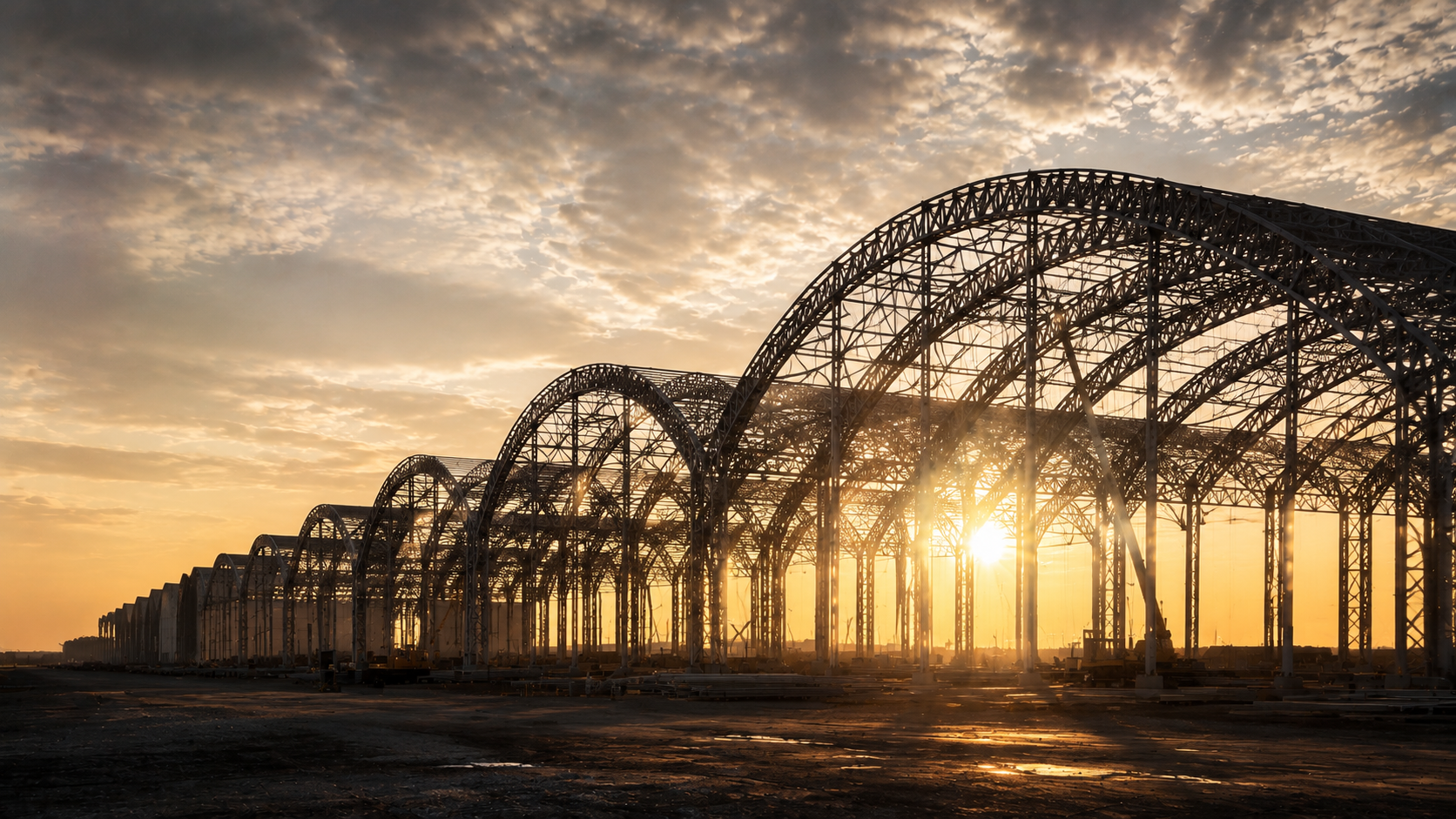
For industrial facility owners, the financial case for investing in precision long-span steel construction and full-lifecycle structural health monitoring is direct. Construction shutdowns caused by installation safety incidents, emergency structural investigations triggered by unexpected sensor readings, and reactive repair programs following undetected corrosion or weld defects all carry costs that typically exceed the incremental investment in getting the construction right from the start. Shenyang Jinnuoda Steel Structure Engineering Co., Ltd.'s integrated technical approach — hydraulic lifting system precision, full-process non-destructive weld testing, and continuous structural health monitoring — is designed to eliminate these unpredictable costs across a 30-to-50-year operational horizon. Contact Shenyang Jinnuoda to discuss long-span project requirements and receive a preliminary engineering assessment within three business days.
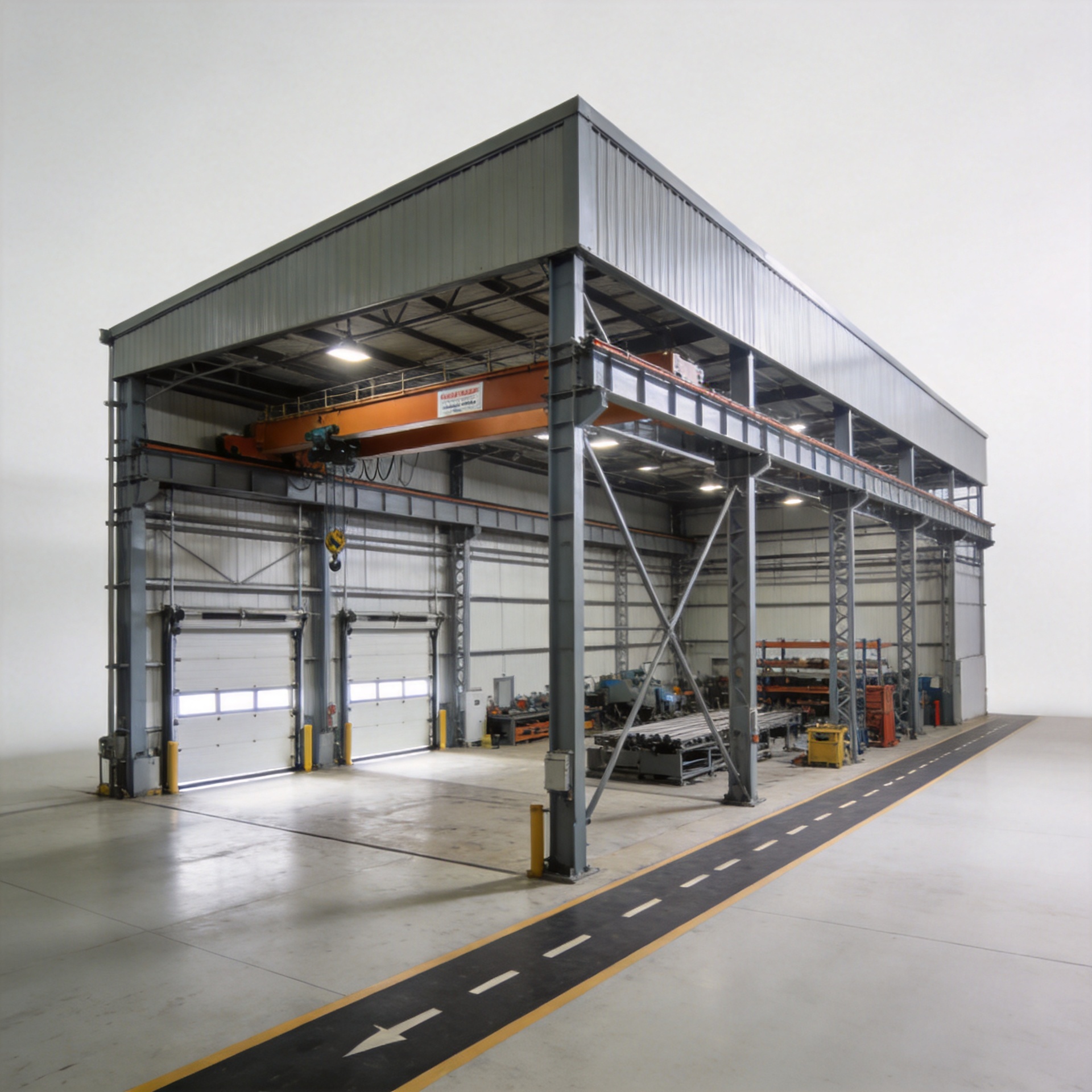
2026/10/26
Plan a warehouse workshop steel structure with smarter zoning, flow, clear height, crane, fire, and expansion decisions.
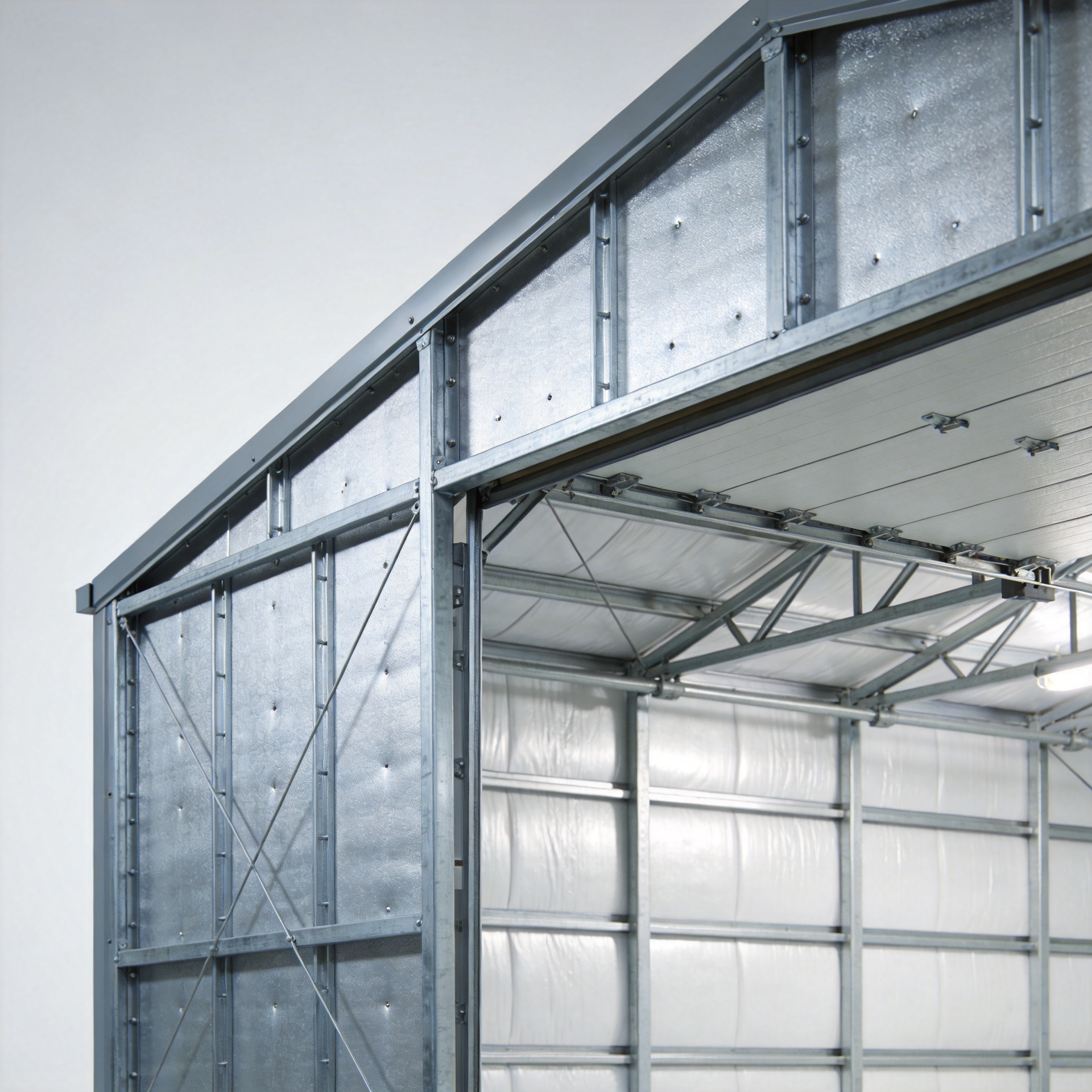
2026/10/26
Plan a cold storage steel structure with insulation, vapor control, thermal breaks, refrigeration interfaces and corrosion-ready details.
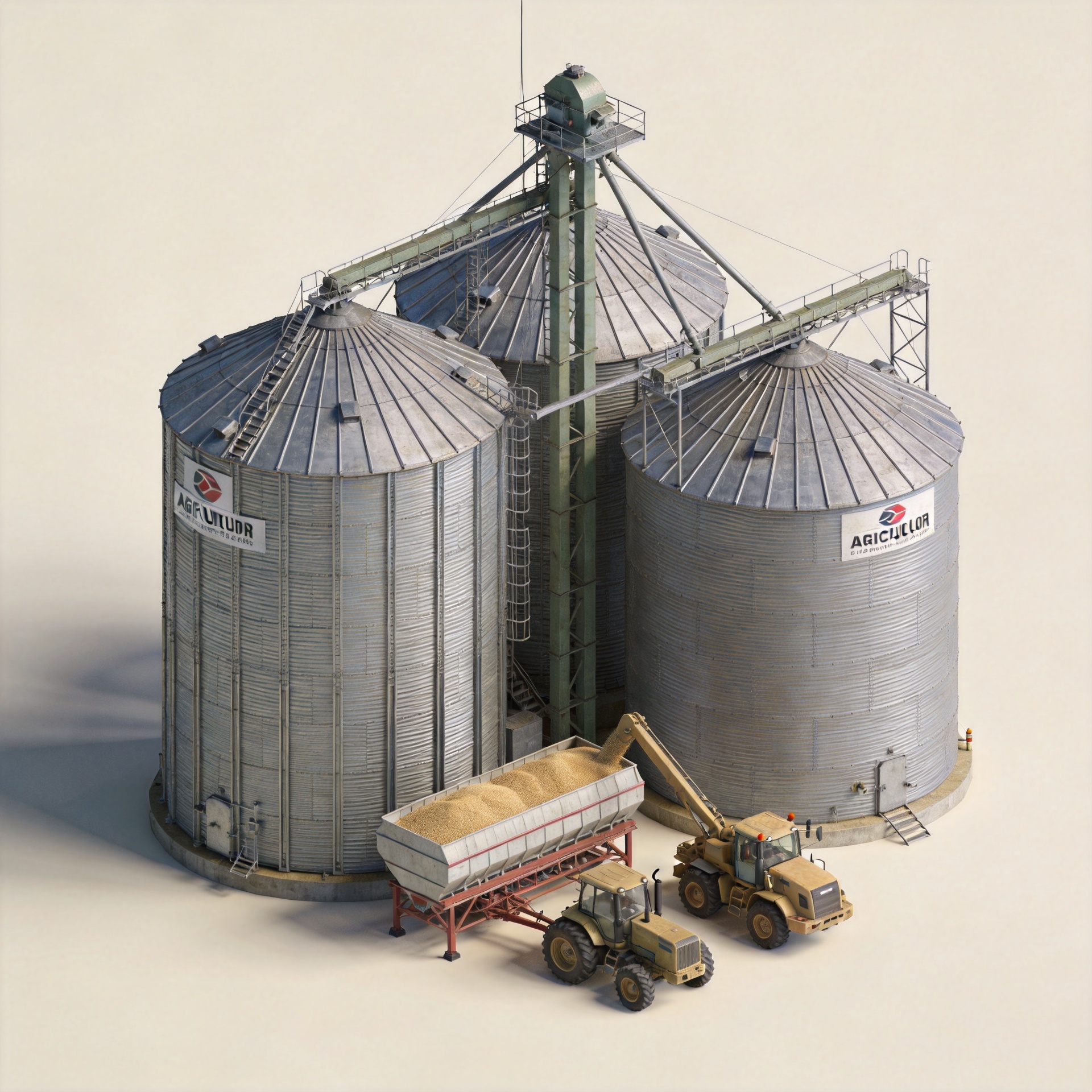
2026/10/26
Plan an agricultural steel structure that scales from machinery barn to storage and farm logistics hub with practical design and procurement steps.
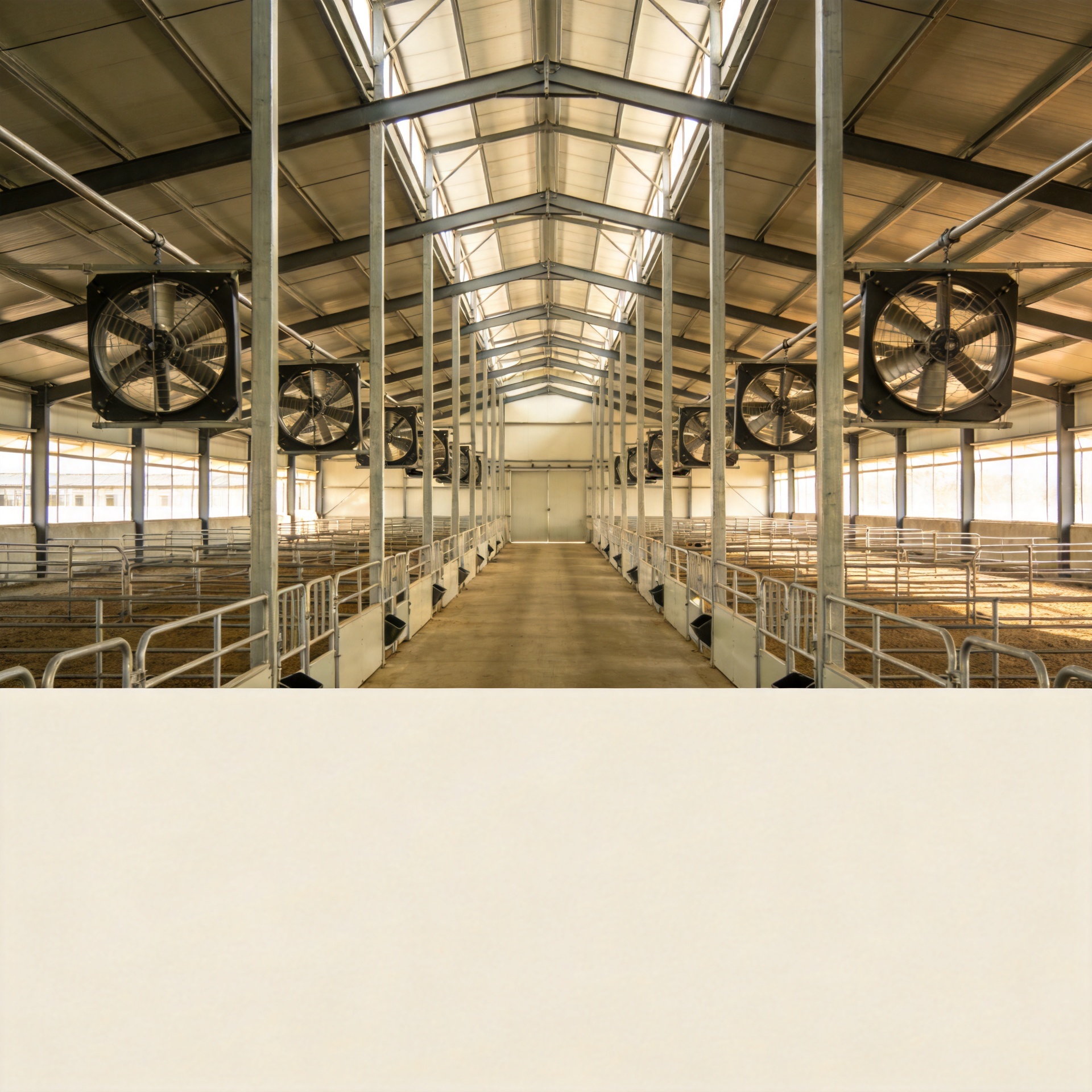
2026/10/26
Plan a livestock steel structure for welfare, corrosion resistance, fire considerations, and efficient design-to-delivery decisions.
2026/10/26
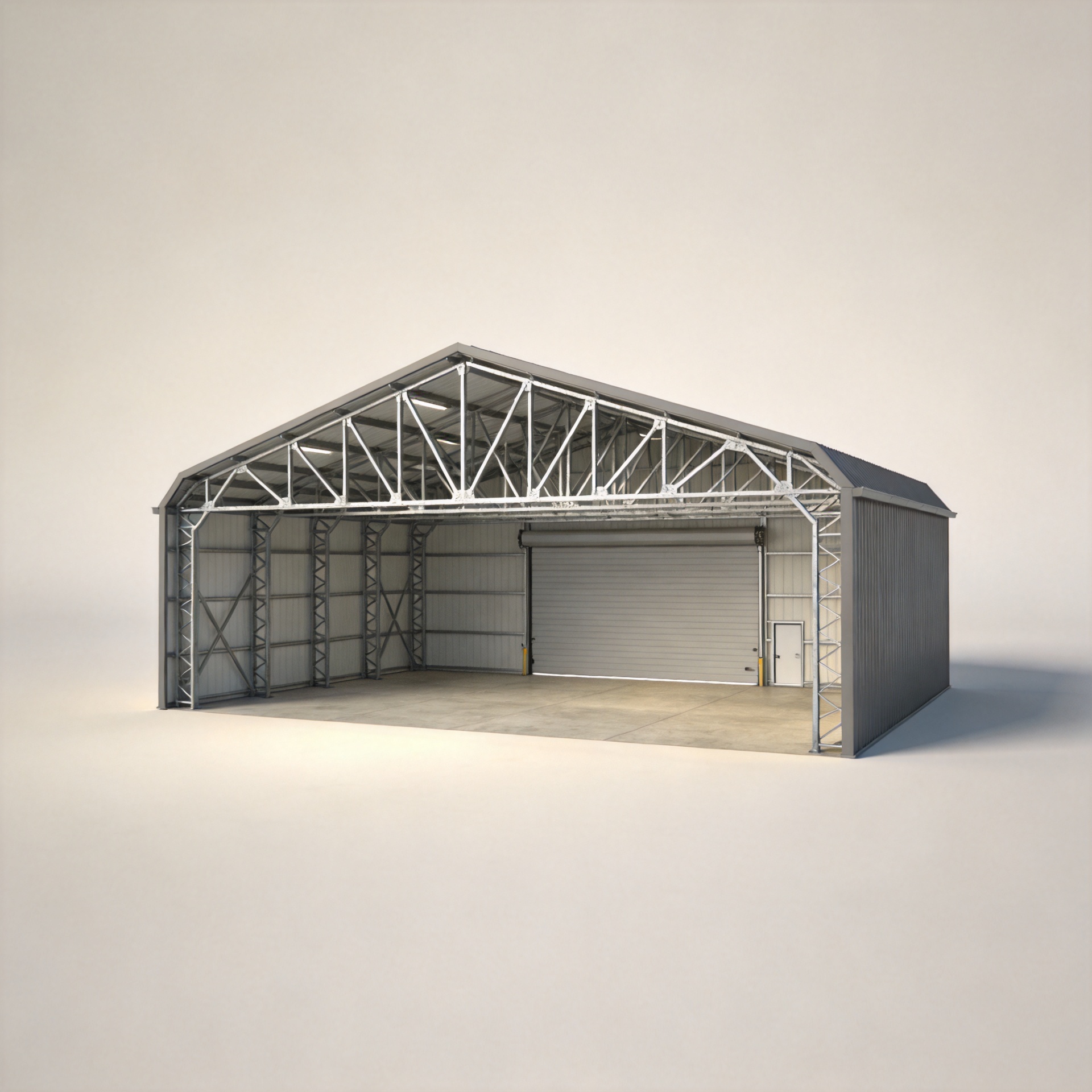
Plan an aircraft steel structure for hangars and support facilities with guidance on loads, corrosion, fire, EN 1090, and delivery milestones.
2026/10/26
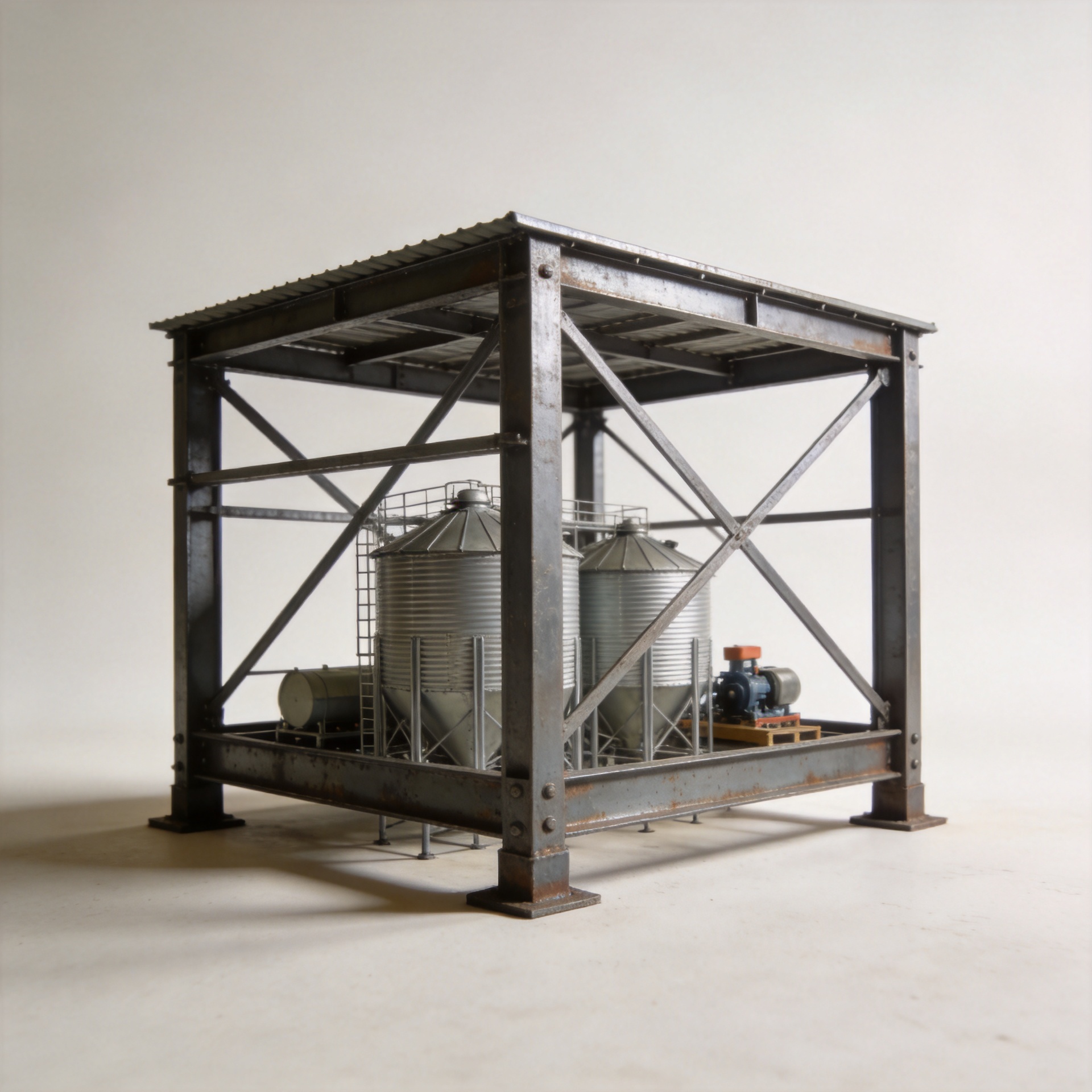
Choose a farm steel structure for agricultural storage with practical guidance on loads, corrosion, compliance, and delivery planning.
