 EN
Warehouse-Workshop Steel Structures: Dual-Use Design
2026/10/26
Plan a warehouse workshop steel structure with smarter zoning, flow, clear height, crane, fire, and expansion decisions.

Well-built livestock sheds protect animals, feed and equipment from weather while keeping daily chores simple, which is why steel frames now replace timber and masonry on modern farms. The structure sets air movement, light and floor space, all of which shape animal health and growth rate. A frame matched to the herd and the climate pays back through lower mortality and steadier production. Good livestock sheds also reduce the labour needed for cleaning and feeding, which matters on farms short of steady help. Tight construction also supports biosecurity, because a sealed steel envelope blocks wildlife and limits the paths disease can travel.
Ventilation decides comfort more than any other detail. A steel frame carries ridge vents, curtain walls and side openings that let warm, moist air escape while drawing in fresh air at animal level. Steady airflow cuts humidity and ammonia, lowering respiratory disease in dairy and poultry groups. Good design also balances summer heat and winter drafts so stock stay in their comfort zone year round. Poor air also slows weight gain, so ventilation pays back in feed conversion, not just comfort.
Steel does not absorb moisture or harbor pests the way timber can, so the shed stays cleaner and easier to wash down. With galvanized C and Z purlins and a glass-flake coating on primary members, livestock sheds resist manure acid, salt and cleaning chemicals that would rot a wooden frame within a few seasons. A smooth, non-porous interior also speeds the washdown and lowers the disinfectant needed between batches.
Livestock sheds for dairy and beef favor clear-span frames so scrapers, feed lanes and free-stalls arrange without columns in the way. A wide bay built from Q355B plate gives a column-free pen where machinery turns freely. Loafing and feeding passages line the sides, and a ridge vent drives continuous air exchange above the animals. A clean, dry lying area lifts milk yield and fertility, so the pen floor detail deserves early attention.
Poultry houses need tight enclosures with controlled ventilation and insulation; 150 mm PIR panels keep chicks at stable temperature and cut heater load. Sheep and goat shelters take simpler open-sided frames with shade cloth, while calf and pig nurseries use divided bays with washable walls. The structure of metal adapts to each layout through modular bays. Well-planned livestock sheds group species by age and risk, so a disease outbreak stays contained to one zone rather than the whole site.
Siting and orientation also matter. Face the long wall away from the prevailing winter wind and open the sheltered side for summer breeze, so natural ventilation does more of the work. Slopes should drain away from pens, and the pad must sit above flood level. A simple site plan cut before fabrication avoids wet, muddy yards that stress stock and corrode steel. Good siting also shortens the distance between feed, water and shade, cutting the energy stock spend walking.
Manure and bedding make farm air corrosive, so grade choice matters. Q355B suits temperate, well-ventilated sheds; Q355D adds impact toughness where winters are hard. Full 10.9S high-strength bolts speed erection and let a farmer extend a shed by adding a bay later. Execution follows EN 1090 in export markets, with ISO 9001 quality control behind the build. Galvanized purlins and a heavy glass-flake system at the base keep livestock sheds sound where manure and scrubbing concentrate. Specifying the coating by zone keeps cost down, because only the most exposed steel needs the heaviest system.
A verified case is a Shenyang-area farm supply project. Background: the operator needed a hygienic, expandable shed for mixed stock. Problem: humidity and manure acid shortened the life of a prior timber build. Solution: a Q355B frame with heavy-duty glass-flake coating, galvanized purlins and a 150 mm PIR office pod. Result: a durable, easy-clean shed delivered with a bilingual manual and predictable upkeep. The operator later added a calf nursery bay during a quiet month, with no interruption to the existing stock. The glass-flake system held up through two wet seasons with only routine washing, confirming the coating choice for the site.
Plan gutters and drainage so runoff and manure move away from the pen, protecting both the animals and the steel from constant wet contact. Translucent roof lights bring daylight that supports natural behaviour, while solid walls buffer temperature swings. A ridge detail that sheds snow prevents ponding that would overload the frame. Well-detailed livestock sheds also keep vermin out, because sealed cladding leaves no gap for rats to enter and nest. A well-lit pen reduces slip injuries and lets staff spot sick animals earlier in the day.
Buying, inspecting and maintaining livestock sheds
Buying advice for livestock sheds: define species, stocking density and local climate, then request the execution standard and coating spec. Ask the supplier for a layout that separates clean and dirty flows, because that single decision shapes daily hygiene in any steel farm building. Inspection advice: check bolt torque, purlin alignment, coating thickness and ventilation openings at handover.
Usage and maintenance tips
Usage advice: keep pen loads within design and avoid hanging heavy gear on members not meant for it. Maintenance advice: wash salt and manure off steel annually, clear ridge vents of dust and re-coat scratches before rust spreads. Keep records of stock numbers against pen area, so the design density is never quietly exceeded. A short log of each wash and repair helps the next owner keep the livestock sheds healthy and compliant.
The right livestock sheds match span, ventilation and coating to the animals and the weather, giving a clean, durable home that supports healthy stock through every season. Whether you run a dairy shed or a poultry house, a well-specified steel farm building pays back in hygiene, workflow and longevity.
Frequently Asked Questions
Question Why choose steel for livestock sheds?
Answer Steel frames resist moisture, pests and manure acid that rot timber, so the steel farm building stays cleaner and lasts longer. Galvanized purlins and glass-flake coating protect primary members from corrosion in humid, dirty air. Clear-span steel also frees the floor for feeders, scrapers and free-stalls, improving daily workflow and animal comfort across dairy shed, poultry house and sheep operations. A demountable frame lets a growing farm add a bay without rebuilding the original structure.
Question What ventilation do livestock sheds need?
Answer Ridge vents, curtain walls and side openings create steady airflow that removes heat, humidity and ammonia at animal level. A poultry house adds insulation and controlled fans; open livestock sheds use shade cloth and orientation. Match ventilation to species and climate, and keep ridge openings clear of dust so air exchanges without drafts on the stock. Plan gutters and drainage so manure runoff leaves the pen and never wets the steel members of the steel farm building.
Question Which steel grade suits a steel farm building?
Answer Q355B fits temperate, well-ventilated livestock sheds; Q355D adds low-temperature toughness for hard winters and frozen sites. Galvanization plus glass-flake coating resists manure acid and coastal salt that attack cut edges. Request mill certificates and the coating spec from the supplier. For expandable farms, full 10.9S bolted connections allow adding a bay later with minimal downtime, and ISO 9001 control keeps the build consistent across repeated frames — whether the project is a dairy shed, a poultry house or mixed livestock sheds.
Question How much insulation for a poultry house?
Answer A poultry house uses 150 mm PIR panels to hold chick temperature and cut heater load, while older stock tolerate thinner or open cladding. Fix the temperature map by growth stage before pricing the envelope. Proper insulation also reduces condensation on the steel frame and supports steadier growth and lower feed conversion. Coordinate roof lights with the purlin grid so clamping stays simple, and verify the panel joint detail with the cladding supplier. The same insulation logic applies to a dairy shed and other livestock sheds where condensation control matters.
Question How should livestock sheds be maintained?
Answer Wash manure and salt from steel yearly, clear ridge vents of dust and inspect coating, bolt torque and drainage each season. Re-coat scratches before rust spreads, and keep pen loads within design limits. Avoid hanging heavy equipment on unsupported members not meant for point load. Early small care protects the herd and the frame alike, and a short maintenance log helps the next owner keep the steel farm building — whether a dairy shed, poultry house or other livestock sheds — healthy and compliant.
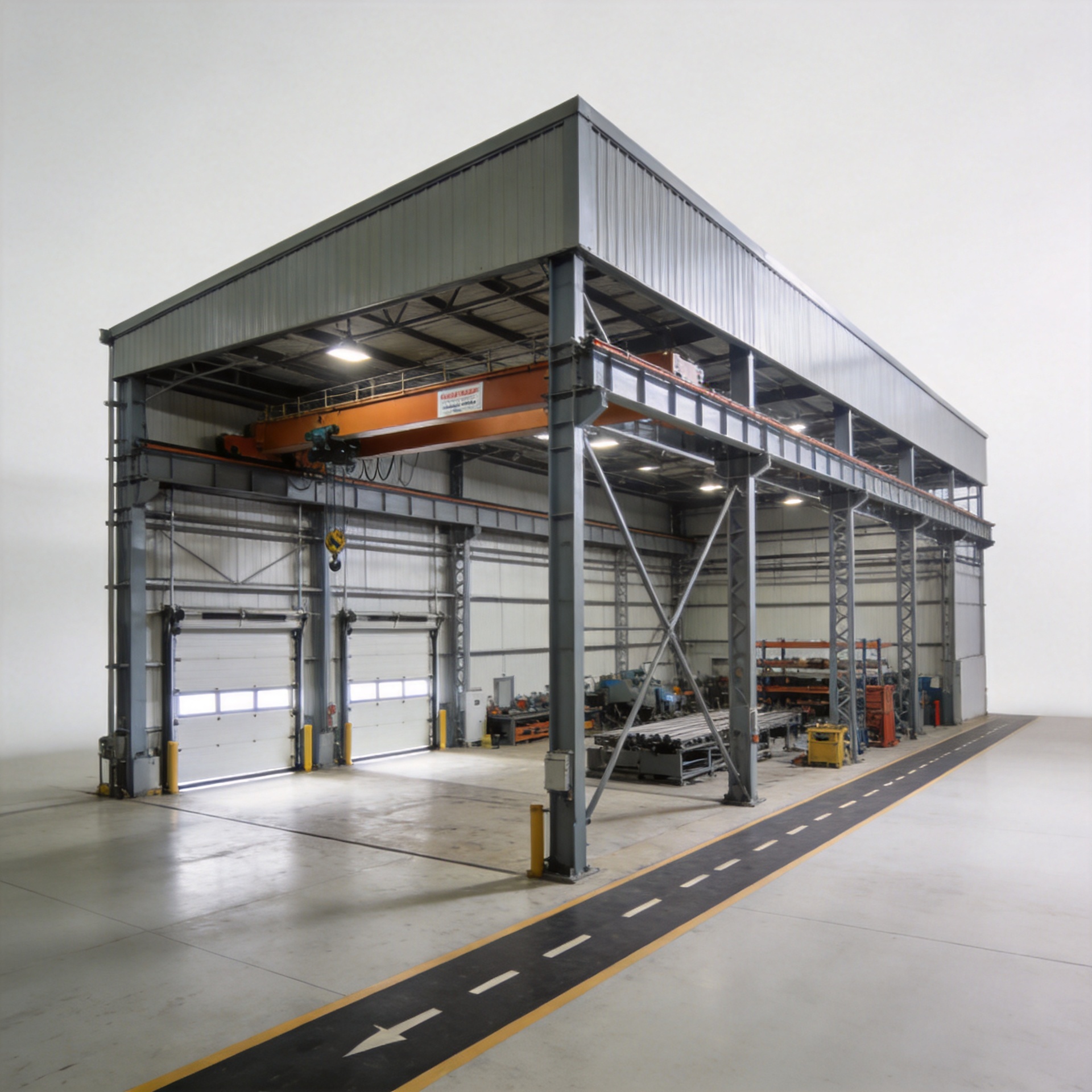
2026/10/26
Plan a warehouse workshop steel structure with smarter zoning, flow, clear height, crane, fire, and expansion decisions.
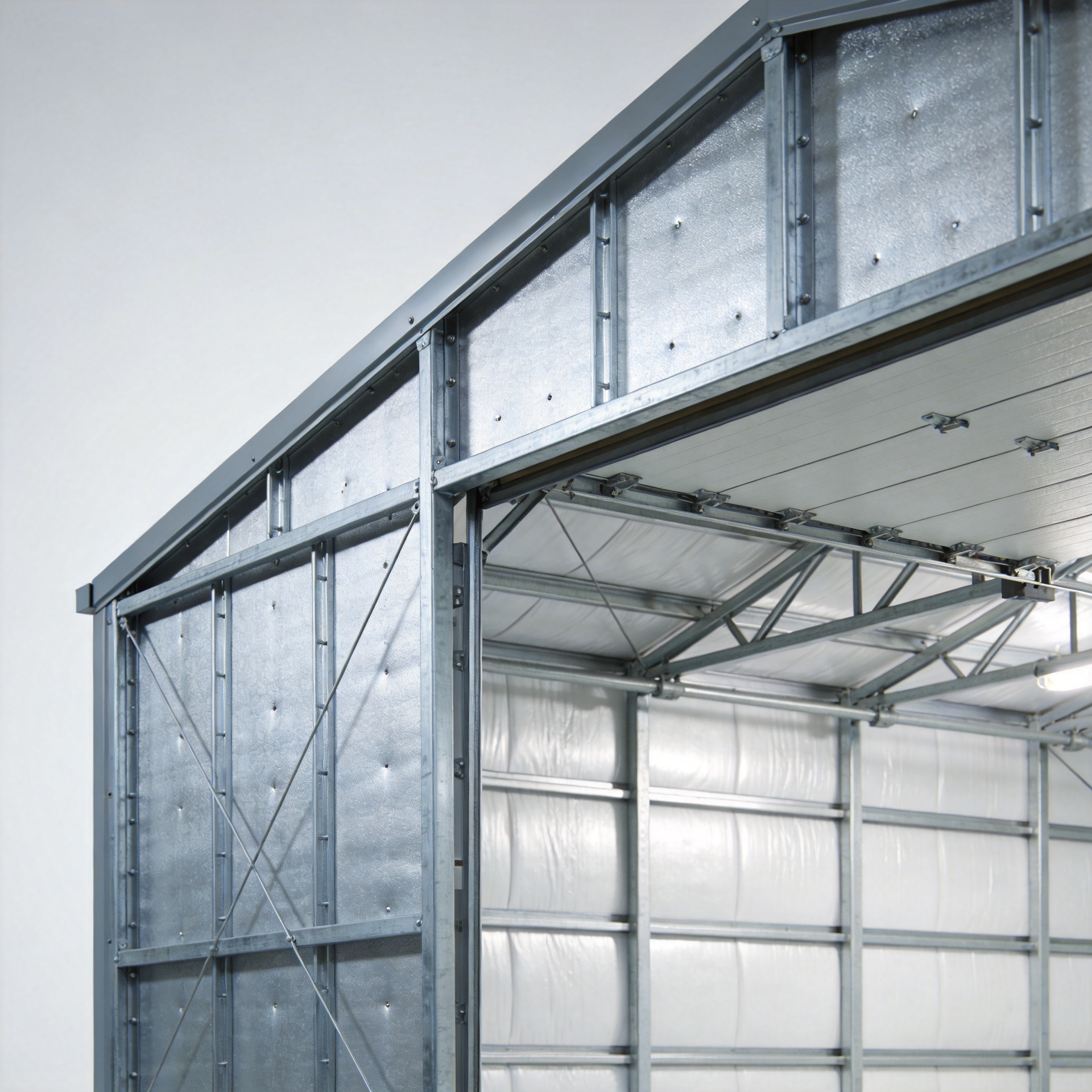
2026/10/26
Plan a cold storage steel structure with insulation, vapor control, thermal breaks, refrigeration interfaces and corrosion-ready details.
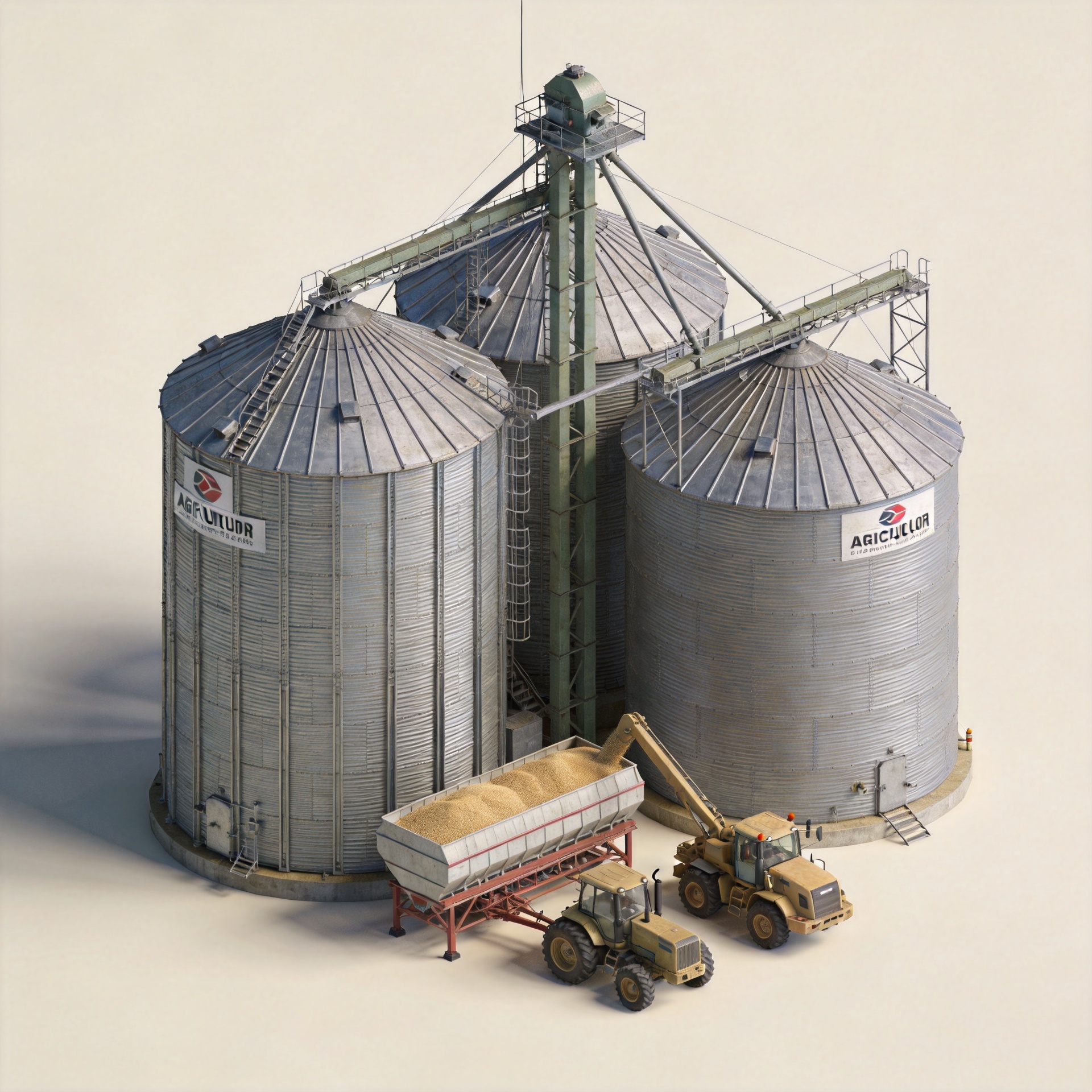
2026/10/26
Plan an agricultural steel structure that scales from machinery barn to storage and farm logistics hub with practical design and procurement steps.
2026/10/26
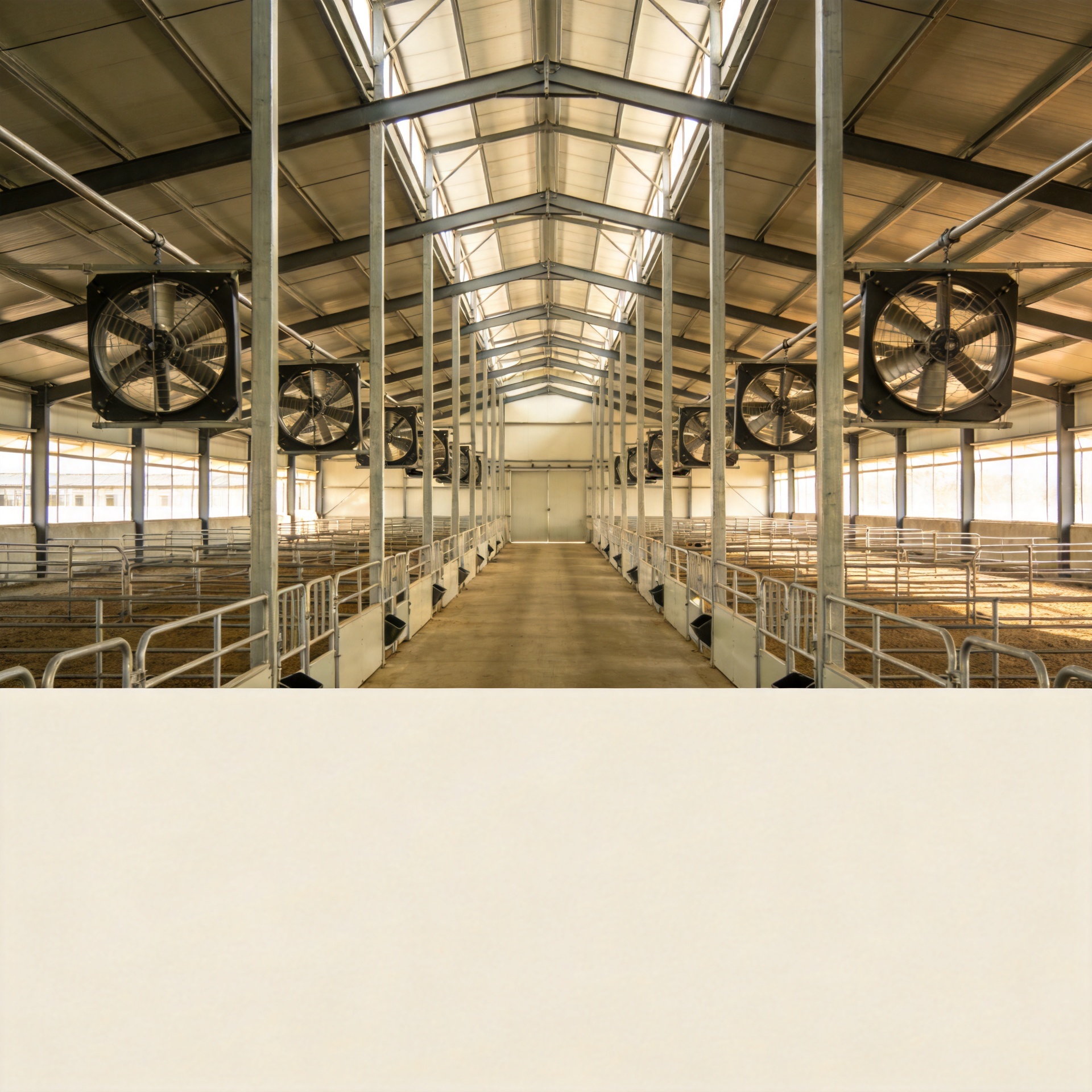
Plan a livestock steel structure for welfare, corrosion resistance, fire considerations, and efficient design-to-delivery decisions.
2026/10/26
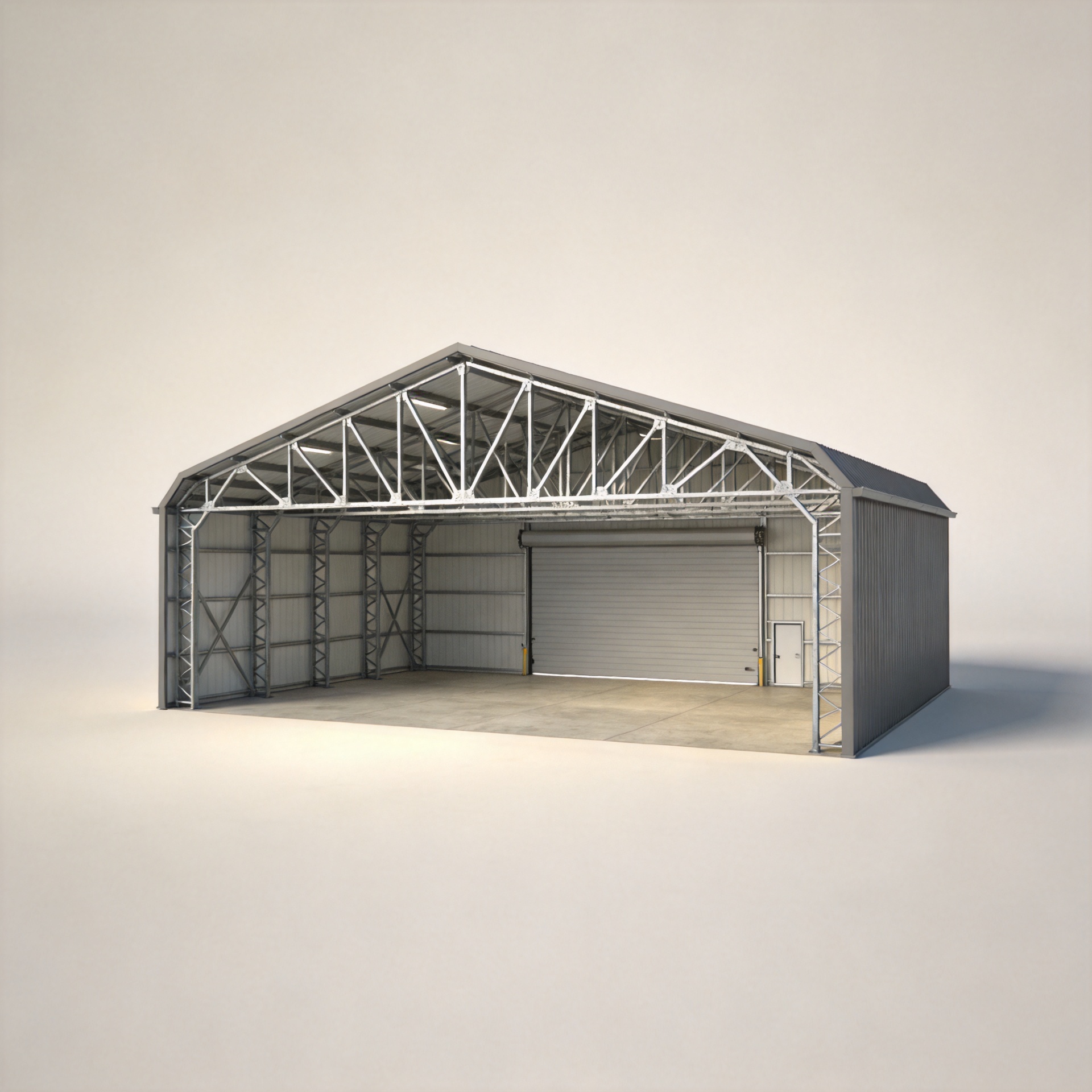
Plan an aircraft steel structure for hangars and support facilities with guidance on loads, corrosion, fire, EN 1090, and delivery milestones.
2026/10/26
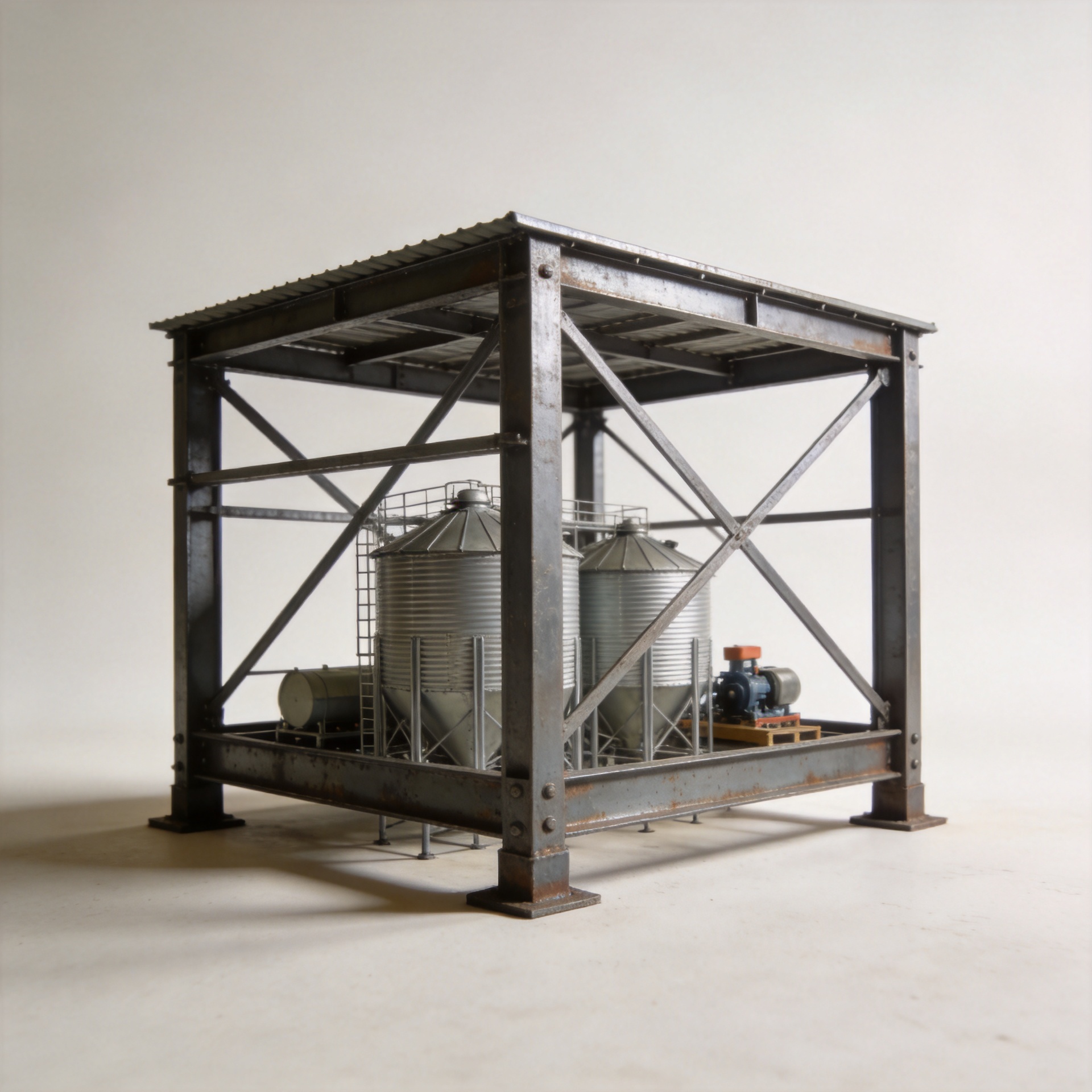
Choose a farm steel structure for agricultural storage with practical guidance on loads, corrosion, compliance, and delivery planning.
