 EN
Warehouse-Workshop Steel Structures: Dual-Use Design
2026/10/26
Plan a warehouse workshop steel structure with smarter zoning, flow, clear height, crane, fire, and expansion decisions.

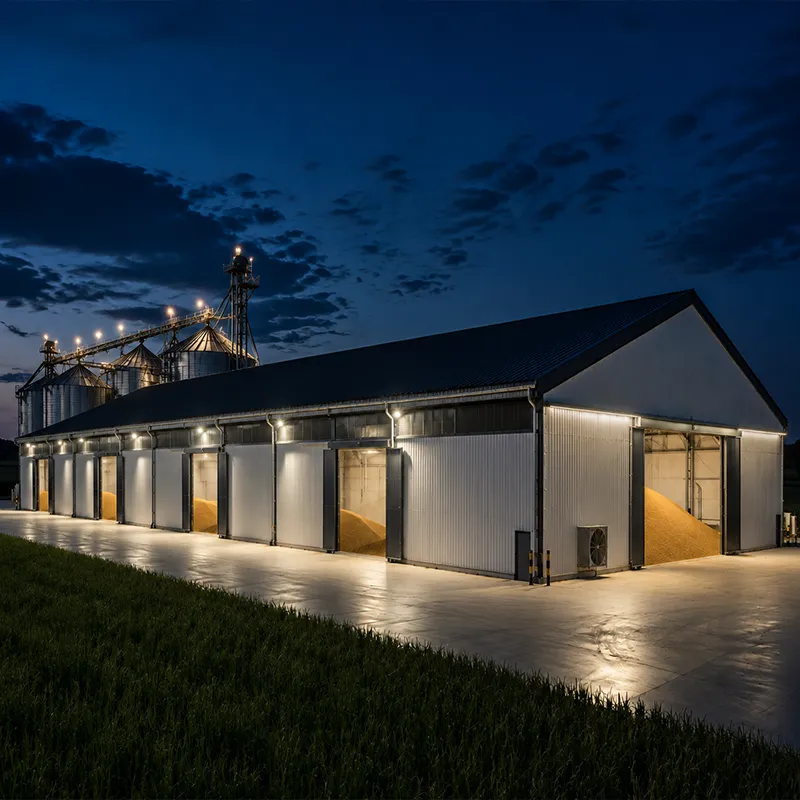
Well-planned livestock barns protect animal health while keeping operating cost under control. Air quality, movement patterns and a frame sized for real loads decide whether a barn performs for decades or becomes a repair burden. Treating ventilation, layout and steel sizing as one connected system prevents the conflicts that appear once animals, equipment and weather meet inside the enclosure. Getting these elements wrong is expensive because the barn cannot be paused; animals keep producing while problems compound, so design margins matter more than they would in a simple storage shed.
Air movement is the most economical input on a farm and the one most often under-designed. The goal is a steady exchange that removes heat and gas without creating cold drafts along the feeding lines where animals gather.
Livestock barns need continuous air exchange to remove heat, moisture and gas without chilling the herd. Ridge vents paired with adjustable side curtains drive passive stack effect, while exhaust fans handle still, humid days. The steel frame must carry the curtain tracks, fan mounts and ceiling loads without excessive deflection. Sizing inlets to animal count keeps air speed in the comfort zone rather than creating drafts along the feeding line. Mixed systems that combine ridge exhaust with tunnel fans give managers a range to match each season without oversizing any single component or raising energy cost unnecessarily.
Trapped moisture breeds pathogens and rusts unprotected steel. Insulated wall and roof panels, such as 150mm PIR, reduce condensation that forms when warm animal air meets cold surfaces. Good ventilation lowers ammonia from manure, protecting respiratory health and the building fabric. Livestock barns that balance insulation with airflow avoid the damp, corrosive atmosphere that shortens both animal performance and structural life. Regular washing with alkaline cleaners further tests the coating, so specification of protection should assume frequent wet-dry cycles rather than dry storage conditions when the steel is selected.
Layout and structure are linked: pen changes, manure handling and equipment all load the frame differently, so sizing steel for livestock barns without the layout invites either wasted steel or weak points that fail under real farm duty.
Group pens by age or production stage so alleys stay short and handling stress drops. Wide service aisles let feed carts and loaders pass without scraping columns. A clear-span steel frame removes interior posts that block pen reconfiguration and manure scraping. Plan manure channels and drainage toward a collection point so the slab and frame stay clear of standing waste that accelerates coating failure. Keeping feed and water lines on the same side reduces crossing traffic and lowers the slip risk that leads to animal injury and costly downtime during peak production.
A barn frame carries dead load, snow, wind and the point loads of feed bins or catwalks. Q355B rafters sized by finite element analysis keep deflection within service limits, with Q355D for cold sites and Q355B-Z35 plate at thick welded joints. EN 1090 execution governs fabrication so bolted and welded connections meet tolerance. Choosing the steel grade by real load, not a generic assumption, prevents both under-design and wasted material. Catwalks, feed bins and future automation all add point loads that the model should carry from day one, avoiding later reinforcement that disrupts the herd and costs more than doing it correctly upfront.
Manure and cleaning chemicals attack bare steel faster than weather alone. Galvanization plus glass-flake coating defend members in high-abrasion, high-moisture zones such as pen dividers and wash areas. Galvanized C&Z purlins resist the constant humidity near the ridge. Specifying the right protection at the design stage keeps livestock barns sound in corrosive conditions without frequent member replacement or shutdown for repairs. Glass-flake systems perform well on splash zones, while full hot-dip galvanizing suits members that are hard to reach once animals occupy the pen and regular access becomes difficult.
An agro-processing site needed covered housing for livestock adjacent to its grain operation but suffered condensation and poor air in an older timber barn. The operator commissioned steel livestock barns with ridge ventilation, 150mm PIR insulation and a clear-span layout for easy pen changes. Result: steadier interior humidity, lower respiratory incidents and faster cleaning, with bilingual manuals guiding local staff through seasonal setting adjustments. The clear-span choice also let the operator split the herd by age group without rebuilding walls, improving biosecurity between batches and simplifying daily management routines.
Confirm ISO 9001 and EN 1090 documentation and the steel grade schedule—Q355B or Q355D. Verify 10.9S bolt grades and that fan and curtain loads are included in the structural model. Check insulation specification, such as 150mm PIR, against local climate. Request the fabrication package so pen anchoring and drainage details match the approved livestock barns layout before delivery. Confirm the ventilation hardware schedule lists fan capacity and curtain area together, since mismatched components undermine the airflow the frame was sized to support and waste the structure's potential.
Inspect coating at pen dividers and wash zones each season; touch up galvanization where scraped. Clear ridge vents and curtains so airflow stays effective. Re-tension accessible bolts after first-year settlement. Keep drainage channels free of solids to protect the slab. Document upkeep so the livestock barns retain value and pass review without costly surprises. Seasonal checks before hot and cold periods let managers pre-set ventilation and catch coating wear before it spreads across a pen divider and forces a larger repair during occupied conditions.
Livestock barns succeed when ventilation, layout and steel sizing are designed together: airflow protects health, clear spans ease management and a correctly graded, coated frame withstands corrosive farm life. Aligning these choices early delivers a safe, efficient enclosure that serves animals and owner for the long term.
Frequently Asked Questions
Question How should livestock barns be ventilated?
Answer Use ridge vents with adjustable side curtains for passive airflow, plus exhaust fans for still humid days. Size inlets to animal count to avoid drafts. Insulated panels such as 150mm PIR cut condensation. Balanced ventilation in livestock barns lowers ammonia and protects both animal health and the steel structure. (54 words)
Question What steel grade suits a livestock barn?
Answer Q355B covers typical loads, Q355D serves cold climates and Q355B-Z35 resists lamellar tearing at thick joints. EN 1090 execution controls fabrication. Galvanized purlins and glass-flake coating defend against manure corrosion. Select grade by real load cases, not a generic assumption, to avoid under-design. Catwalks and feed bins add point loads the structural model should carry from the start to prevent later reinforcement. (53 words)
Question Why use a clear-span frame for barns?
Answer A clear-span steel frame removes interior columns that block pen changes, manure scraping and feeder access. It lets managers reconfigure groups as needs shift. Finite element analysis sizes the rafters safely. For livestock barns, column-free space improves daily handling and extends the useful life of the layout. Splitting the herd by age also becomes simple without rebuilding walls between successive batches on the farm. (52 words)
Question How to control ammonia in a barn?
Answer Ventilation removes gas at the source, while insulation reduces cold-surface condensation that worsens air quality. Route manure to a collection point so waste does not pool near the slab. Regular curtain and vent cleaning keeps airflow effective. Steady control protects respiratory health and the livestock barns structure alike. Frequent washing with alkaline cleaners further tests the coating, so specify protection that assumes repeated wet-dry cycles rather than dry storage. (51 words)
Question How to maintain a steel livestock barn?
Answer Inspect coating at pen dividers and wash zones each season, touching up galvanization where scraped. Clear vents and curtains for airflow, re-tension bolts after settlement and keep drainage free of solids. Document care so the barn keeps value. Consistent upkeep extends the livestock barns service life under corrosive farm conditions. (51 words)
2026/10/26
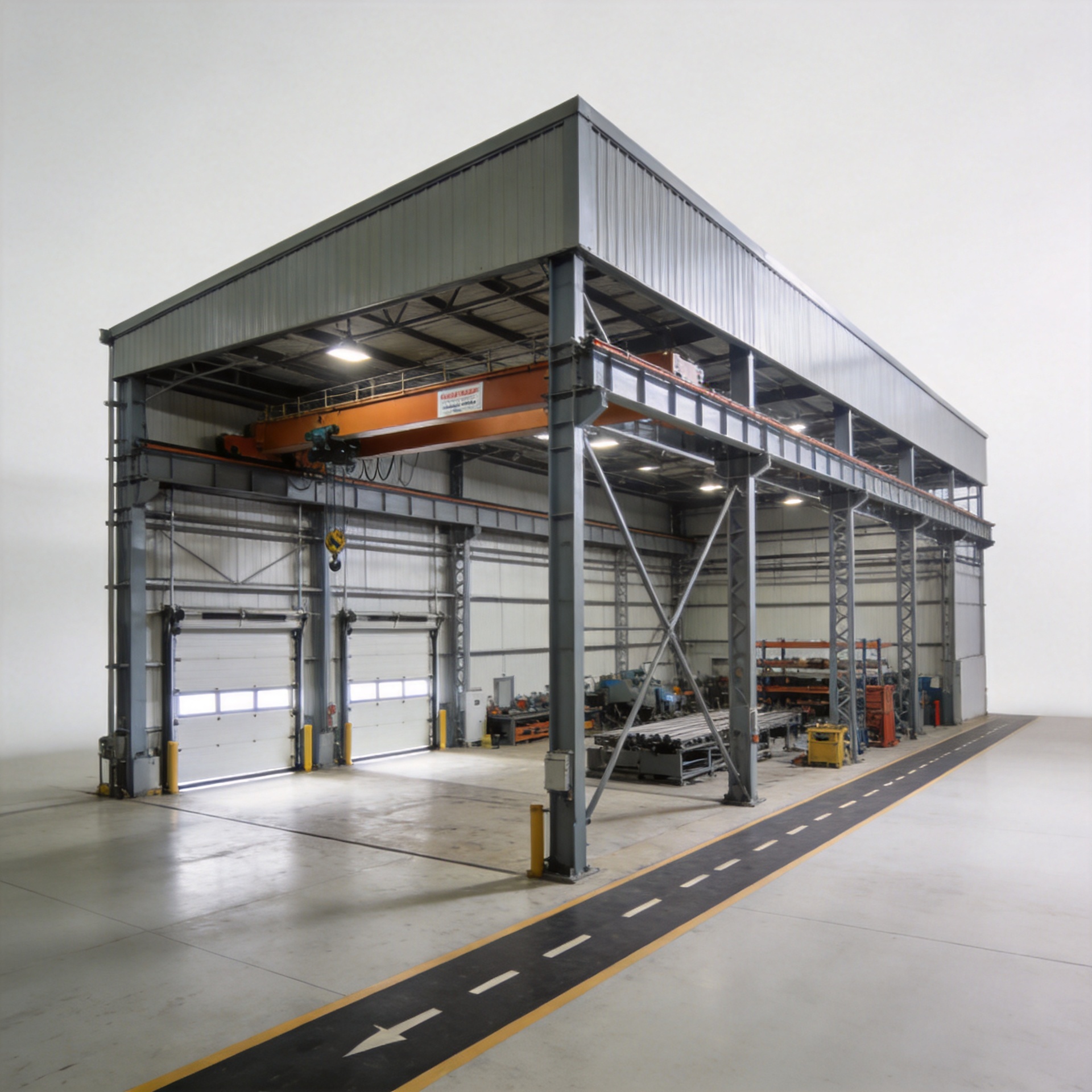
Plan a warehouse workshop steel structure with smarter zoning, flow, clear height, crane, fire, and expansion decisions.
2026/10/26
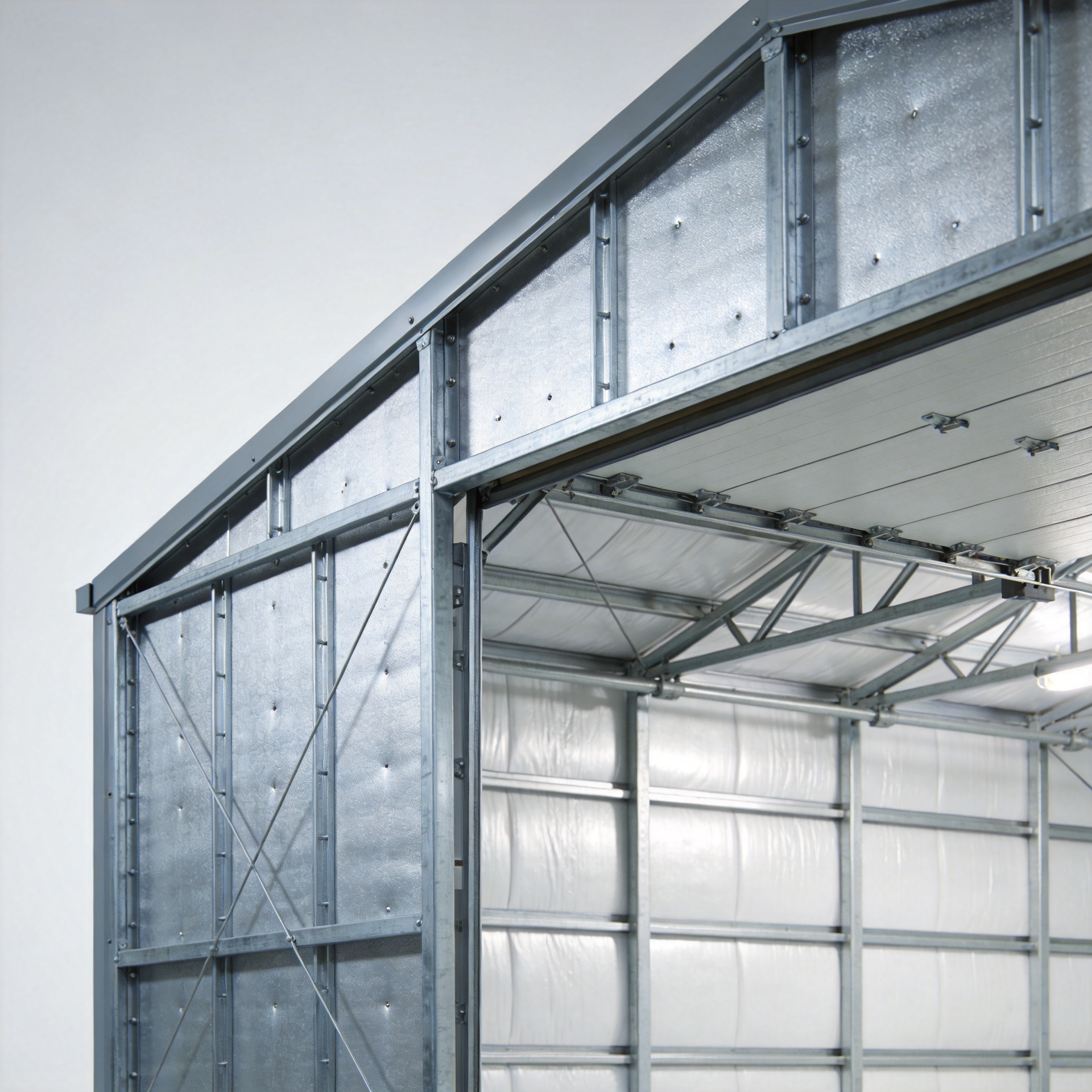
Plan a cold storage steel structure with insulation, vapor control, thermal breaks, refrigeration interfaces and corrosion-ready details.
2026/10/26
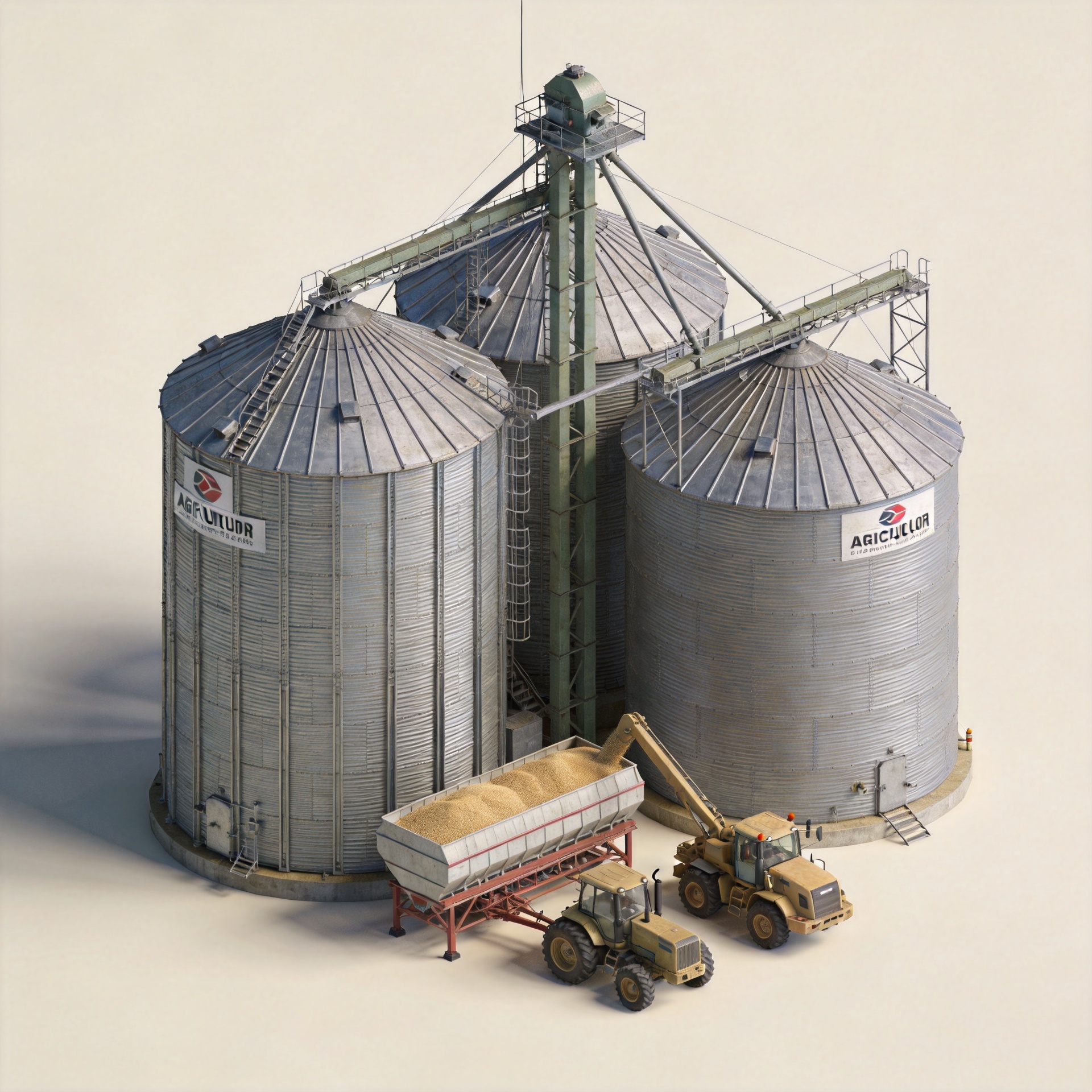
Plan an agricultural steel structure that scales from machinery barn to storage and farm logistics hub with practical design and procurement steps.
2026/10/26
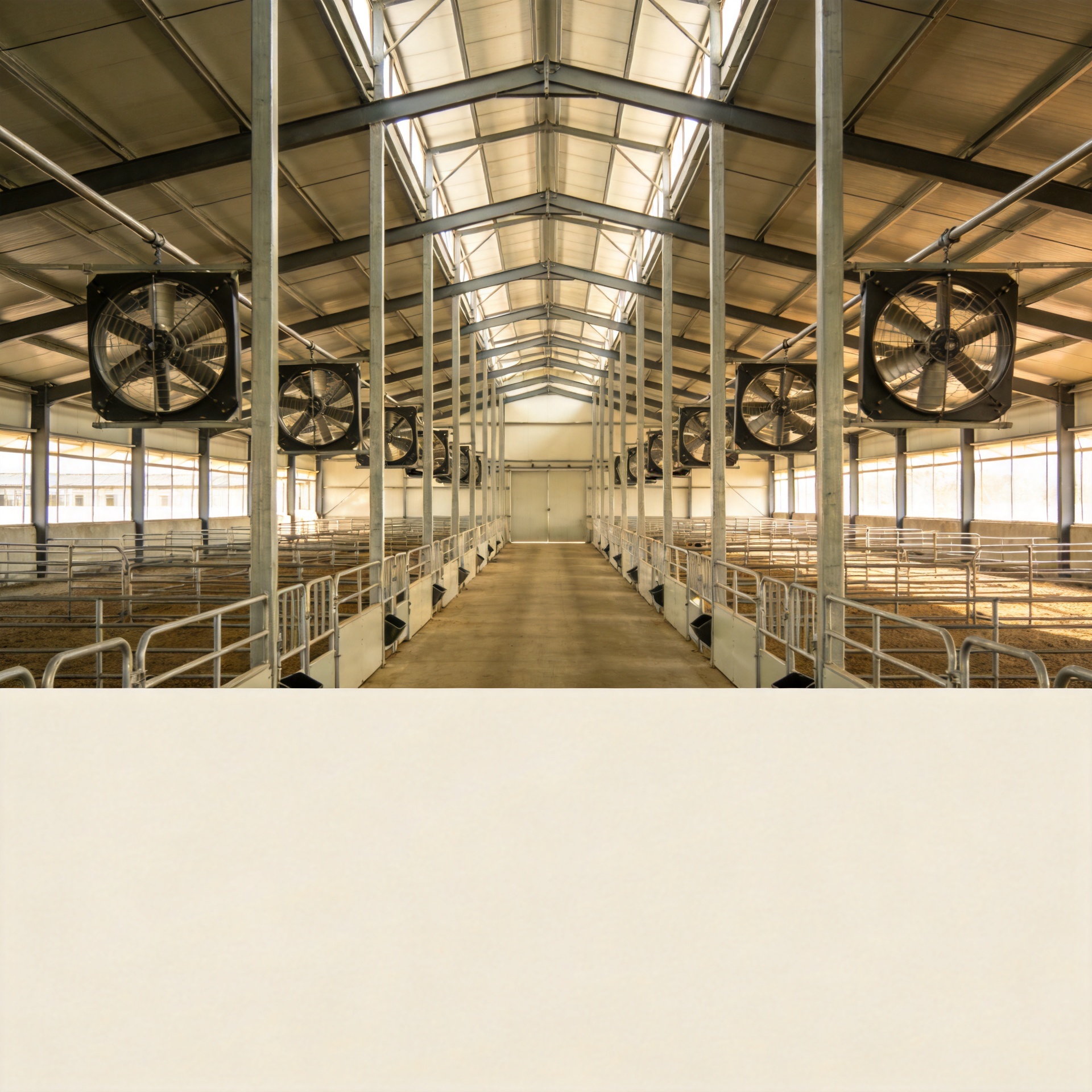
Plan a livestock steel structure for welfare, corrosion resistance, fire considerations, and efficient design-to-delivery decisions.
2026/10/26
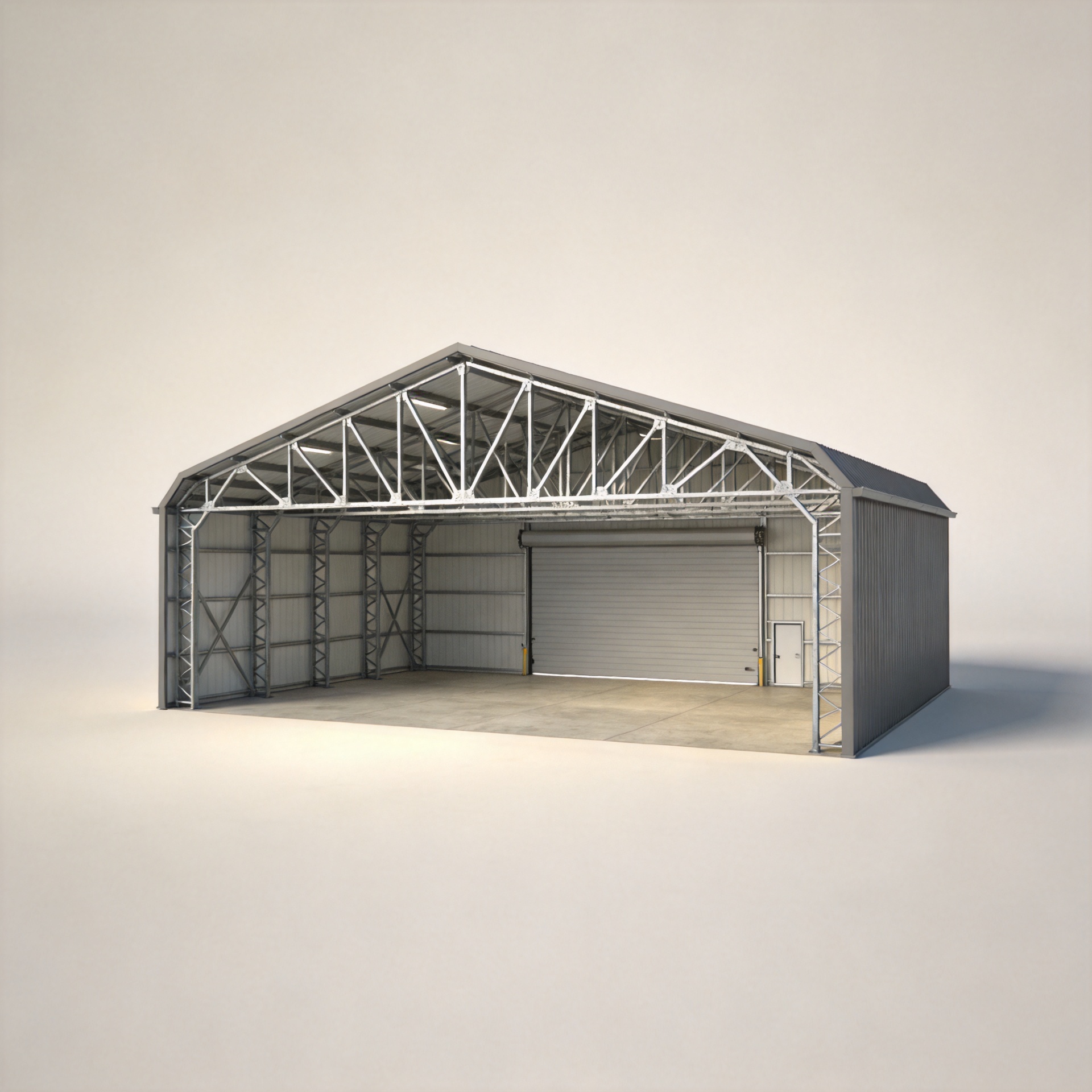
Plan an aircraft steel structure for hangars and support facilities with guidance on loads, corrosion, fire, EN 1090, and delivery milestones.
2026/10/26
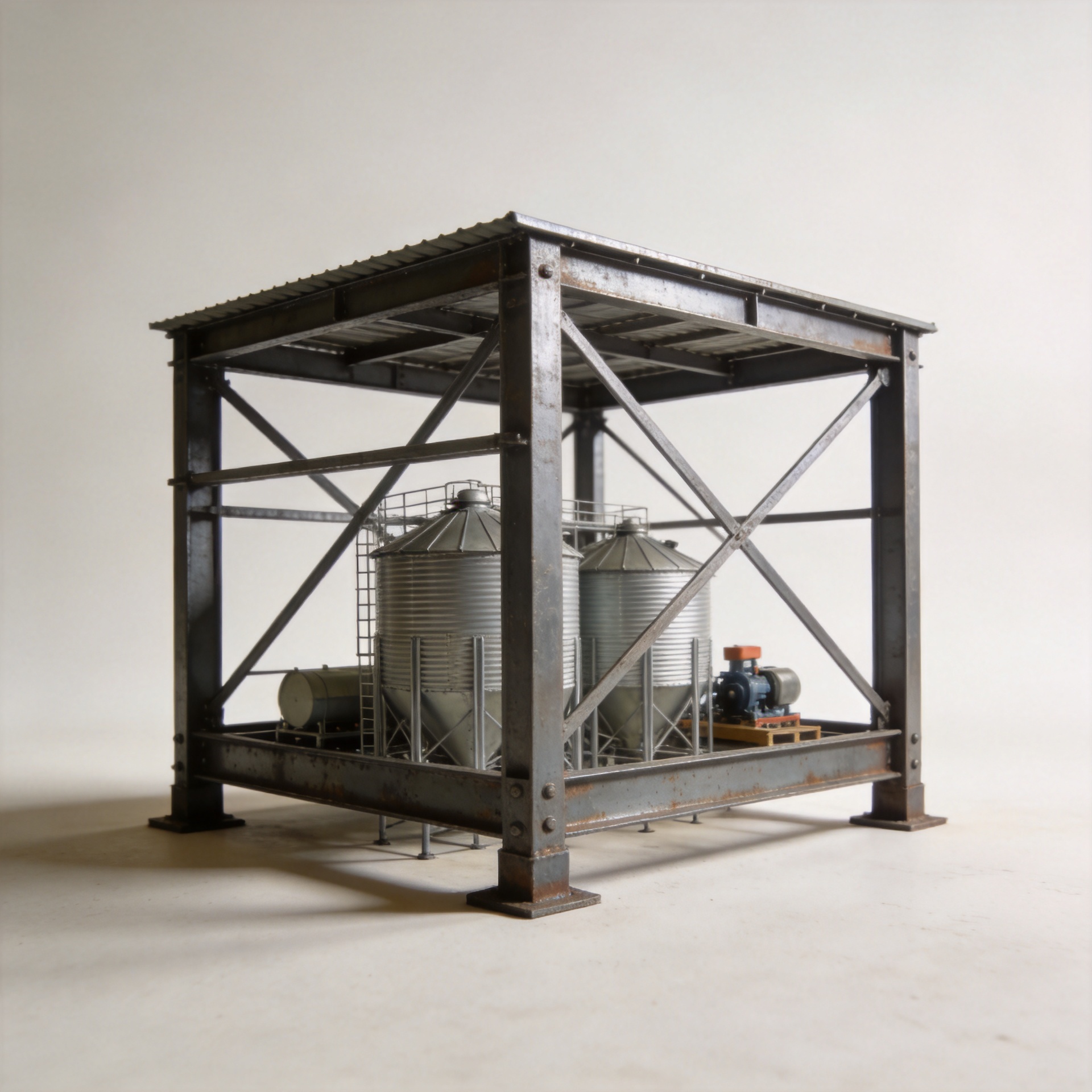
Choose a farm steel structure for agricultural storage with practical guidance on loads, corrosion, compliance, and delivery planning.
