 EN
Warehouse-Workshop Steel Structures: Dual-Use Design
2026/10/26
Plan a warehouse workshop steel structure with smarter zoning, flow, clear height, crane, fire, and expansion decisions.


How a Lathe Workshop Protects Machining Accuracy
Setting up a dedicated lathe workshop inside a general-purpose shed often leads to floor cracking, excessive vibration, and chaotic workflow. A purpose-built lathe workshop answers these issues with predictable load paths and rigid frames, because the building envelope and foundation are designed together rather than as separate tasks. The structure must carry both static machine weight and the dynamic cutting forces, so early coordination between the civil and structural engineer protects accuracy from the very first shift. Owners who treat the shell and the process as one system avoid the costly surprises that appear only after the heaviest spindle is already bolted to a weak slab.
A lathe workshop begins with a reinforced slab tuned to machine point loads, since a precision lathe can weigh several tonnes on a small footprint. Concrete slab design follows ACI 318 provisions for industrial floors, with reinforced thickness chosen after the foundation engineer calculates point loads. Placing machines on independent mass concrete blocks reduces vibration transmission into the slab and protects neighbouring equipment from sympathetic movement. A level, crack-free floor also keeps spindle alignment stable over years of service, while a poorly designed slab quietly ruins tolerance and raises scrap without an obvious cause that a supervisor can trace.
Spindle accuracy drops when floor resonance matches cutting frequency, so isolation matters as much as the machine itself. ISO 10816 guides vibration severity limits for rotating machinery, and a steel-frame building with isolated footings helps keep ambient vibration within tolerance. Rubber pads or spring isolators under machine bases further protect finish quality, while sensible machine spacing limits transmitted motion between neighbouring lathes. Good housekeeping and balanced tooling in a lathe workshop reduce both noise and the dimensional drift that forces frequent rework on tight-tolerance shafts and threaded components.
Q355B steel offers reliable yield strength for medium-span workshop frames, while Q355D suits low-temperature regions. EN 1090 execution standards govern how connections are fabricated and welded, ensuring traceable quality from cutting to erection. Galvanized C&Z purlins carry roof loads and stay corrosion-resistant in oily environments where bare steel would degrade quickly. A regional machinery client built a dedicated lathe workshop for heavy shaft turning, where isolated mass foundations and EN 1090 welds cut machining drift and rework after the old rented hall showed floor settlement near the lathe and wandering accuracy that delayed every order.
Many lathe workshops need an overhead crane to move chucks, jaws, and stock safely. The frame must resist lateral crane thrust, so column spacing and rafters are sized with crane capacity in mind, and AISC 360 provisions verify member strength under combined loads. A clear span reduces interior columns that block machine positioning; one project used a 60 m clear steel span to give free floor space for long-shaft turning. Flexible bays let the lathe workshop grow by adding equipment without rebuilding walls, protecting the original investment as order volumes and part lengths change through the years.
Machinists need steady, shadow-free light at the cutting zone, so high-bay LED fixtures on the steel roof frame deliver even illumination. Electrical routing follows NFPA 70 (NEC) for industrial circuits, with dedicated feeds for each machine to avoid voltage drop during startup. Turning also produces heat, mist, and swarf, and OSHA 29 CFR 1910 addresses ventilation and airborne contaminant limits; local exhaust at lathes captures coolant mist while the steel envelope supports ductwork without weak extra penetrations that would compromise panel strength or invite corrosion at the seam.
Oily rags and metal fines pose real fire risk, so NFPA 1 and NFPA 13 inform sprinkler spacing while steel's non-combustible nature earns favourable treatment under IBC fire-resistance tables. Clear aisles marked on the slab keep extinguishers reachable, and scheduled swarf removal prevents combustible build-up near grinding stations. Good housekeeping in a lathe workshop reduces both fire exposure and the scrap caused by contaminated workpieces, turning routine discipline into measurable quality and safety gains that the shop floor notices within the first week of operation.
Specify machine weights and crane capacity early so the supplier sizes the frame correctly, and request EN 1090 and ISO 9001 documentation for traceability. On delivery, check weld appearance against EN 1090 visual criteria and verify bolt grades, using 10.9S high-strength bolts where specified. Survey the slab for flatness before installing machines, and confirm the insulated envelope matches the local climate to avoid false economy on the enclosure that protects winter comfort and summer stability for the people running the lathes.
Keep heavy stock near columns, not mid-span, to limit deflection, and follow load maps from the structural drawings. Re-torque connections on schedule, inspect coatings for abrasion, and clear swarf channels often to protect both safety and finish quality. A simple monitoring routine catches movement early, and a well-planned lathe workshop stays accurate and productive through years of heavy duty, since the same early decisions keep accuracy, safety, and expansion aligned as demand grows beyond the original layout.
Conclusion
A successful lathe workshop depends on coordinated structure, foundation, and services, because accuracy, safety, and expansion all trace back to the same early decisions. Choosing verified steel grades, certified fabrication, and a clear-span frame keeps the building aligned with machining demands, so owners gain steadier output and lower rework from the first batch to the next decade of production.
Frequently Asked Questions
Question What floor thickness does a lathe workshop need?
Answer Floor thickness depends on machine weight and point loads, not a fixed rule. Engineers apply ACI 318 to size reinforced slabs, often with isolated mass blocks under heavy lathes. A level, crack-free surface protects spindle alignment and cutting accuracy over time, reducing scrap and rework after commissioning. Survey flatness before installing machines so the lathe workshop performs to tolerance from day one.
Question How do you reduce vibration in a machine shop?
Answer Isolate machines on independent foundations and use rubber or spring pads beneath bases. ISO 10816 sets vibration severity limits, while a rigid steel frame with separated footings limits resonance. Good housekeeping, balanced tooling, and sensible machine spacing further cut transmitted motion between neighbouring lathes. Confirm slab flatness early, because a weak floor quietly ruins tolerance and raises scrap without an obvious cause.
Question Which steel grade suits a lathe workshop frame?
Answer Q355B covers most temperate climates, while Q355D performs in cold regions. Both meet common structural needs when fabricated to EN 1090. Galvanized purlins resist oil and humidity. The choice follows local temperature, span, and crane requirements agreed during the design phase with the structural engineer, so the lathe workshop frame matches the real duty rather than a generic catalogue rating.
Question Does a workshop need a crane inside?
Answer A crane helps move chucks, shafts, and raw stock safely, but small shops may use forklifts. If a crane is planned, the steel frame must resist its lateral thrust per AISC 360. Decide early because crane beams change column spacing, foundation size, and the overall frame layout significantly. Retrofitting a crane later is far costlier than designing the frame for it from the start.
Question How should a lathe workshop handle coolant mist?
Answer Local exhaust hoods at each lathe capture mist at the source, meeting OSHA air-limit guidance. Regular filter changes and coolant management keep the air safe for operators during continuous turning. Scheduled swarf removal keeps the lathe workshop clean and compliant through heavy daily production.
2026/10/26
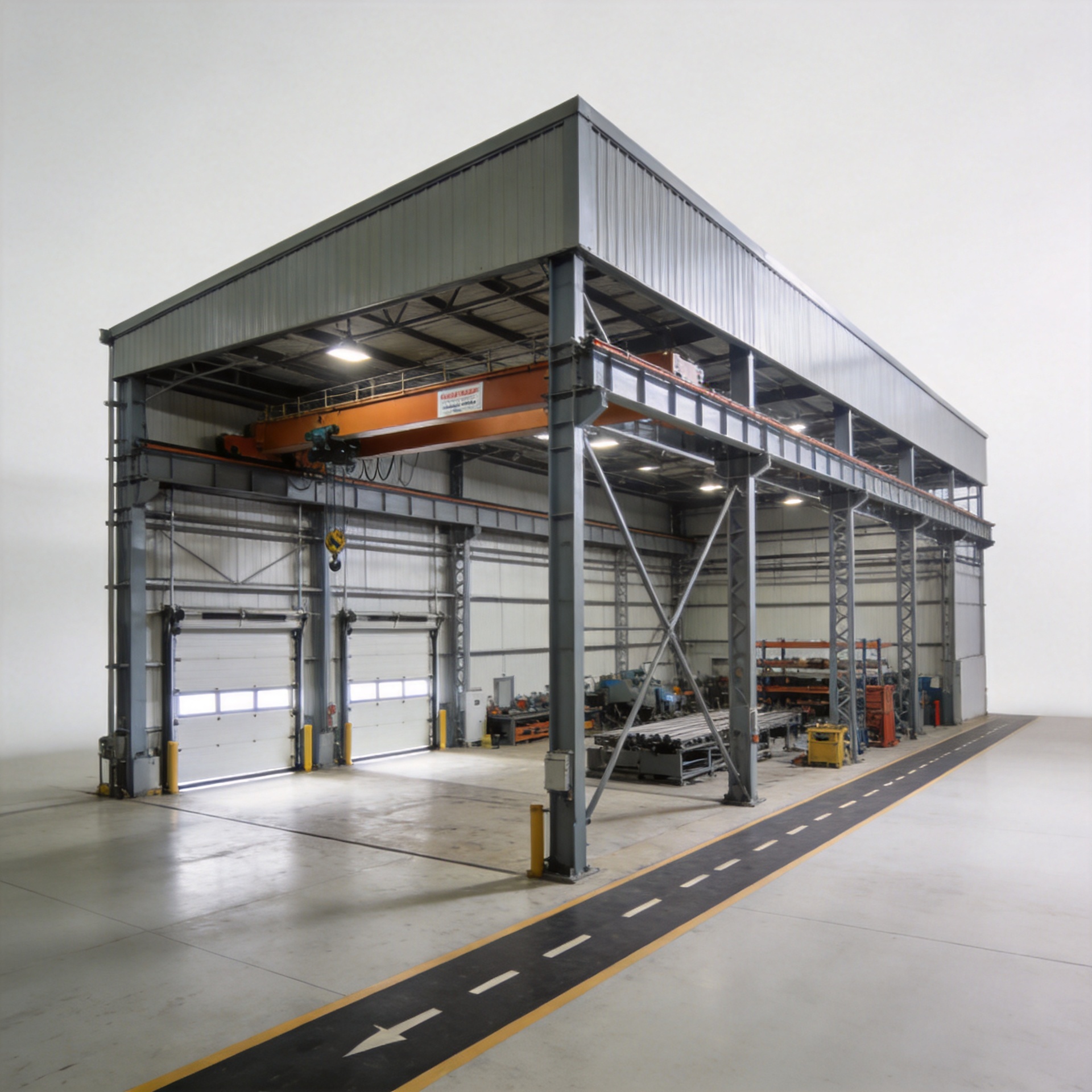
Plan a warehouse workshop steel structure with smarter zoning, flow, clear height, crane, fire, and expansion decisions.
2026/10/26
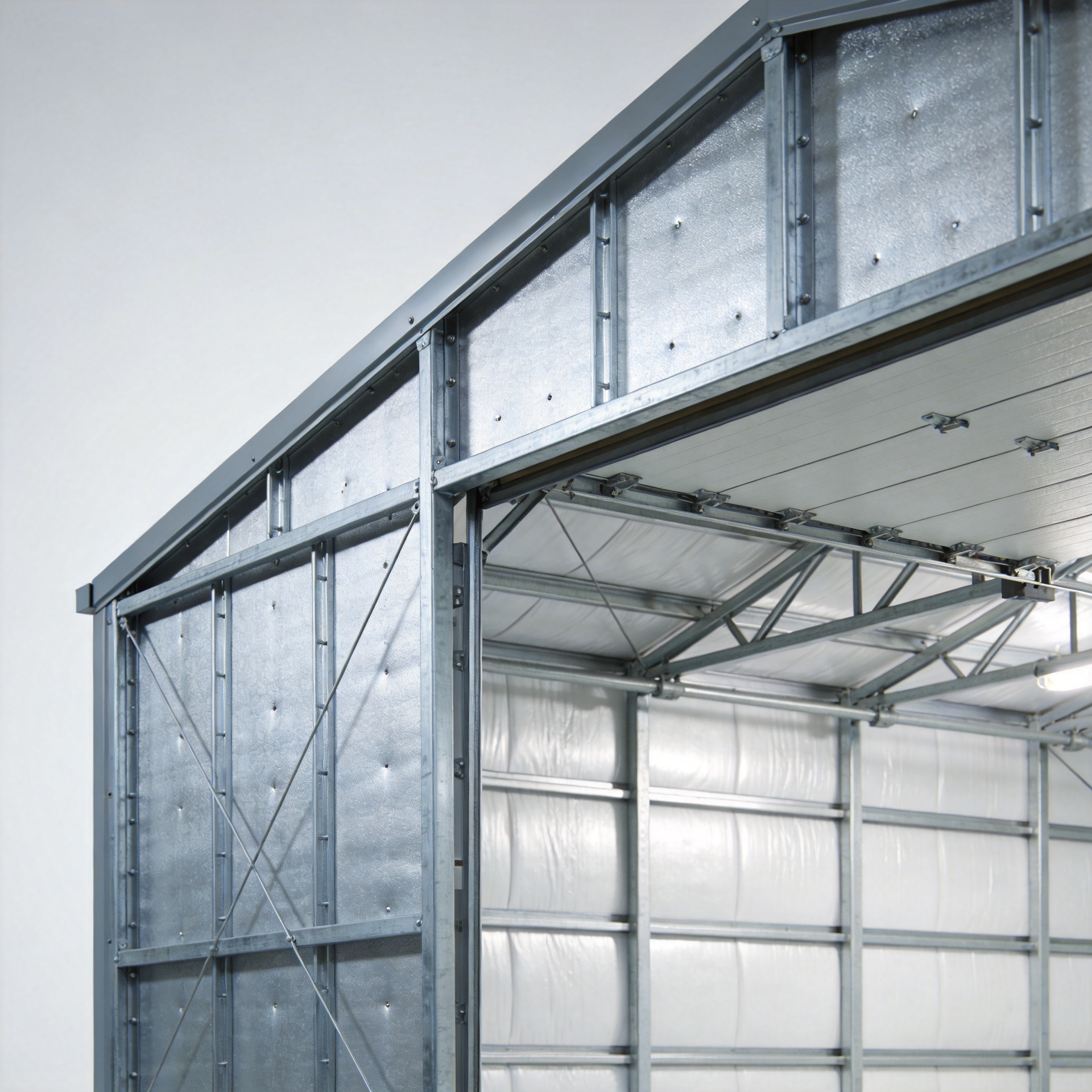
Plan a cold storage steel structure with insulation, vapor control, thermal breaks, refrigeration interfaces and corrosion-ready details.
2026/10/26
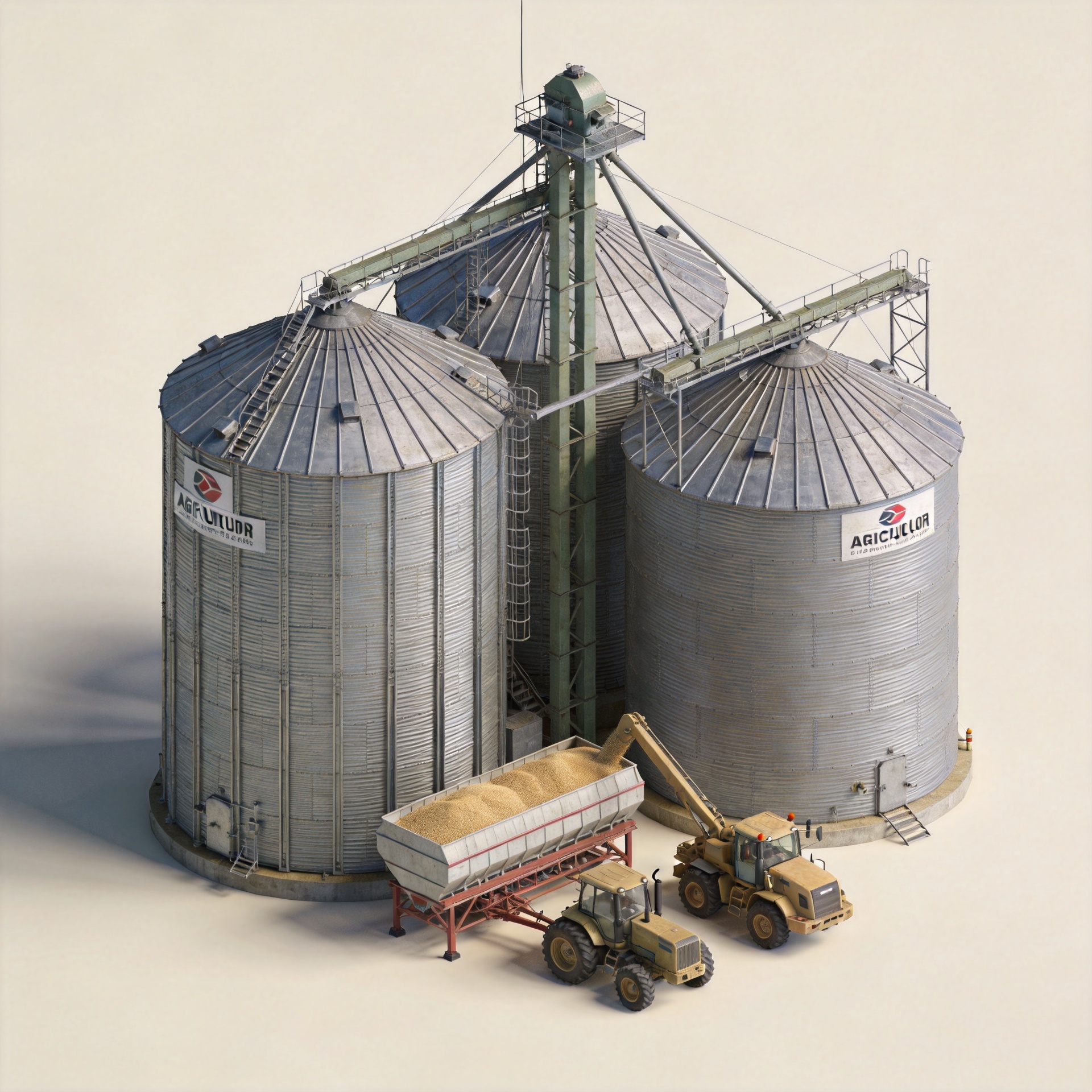
Plan an agricultural steel structure that scales from machinery barn to storage and farm logistics hub with practical design and procurement steps.
2026/10/26
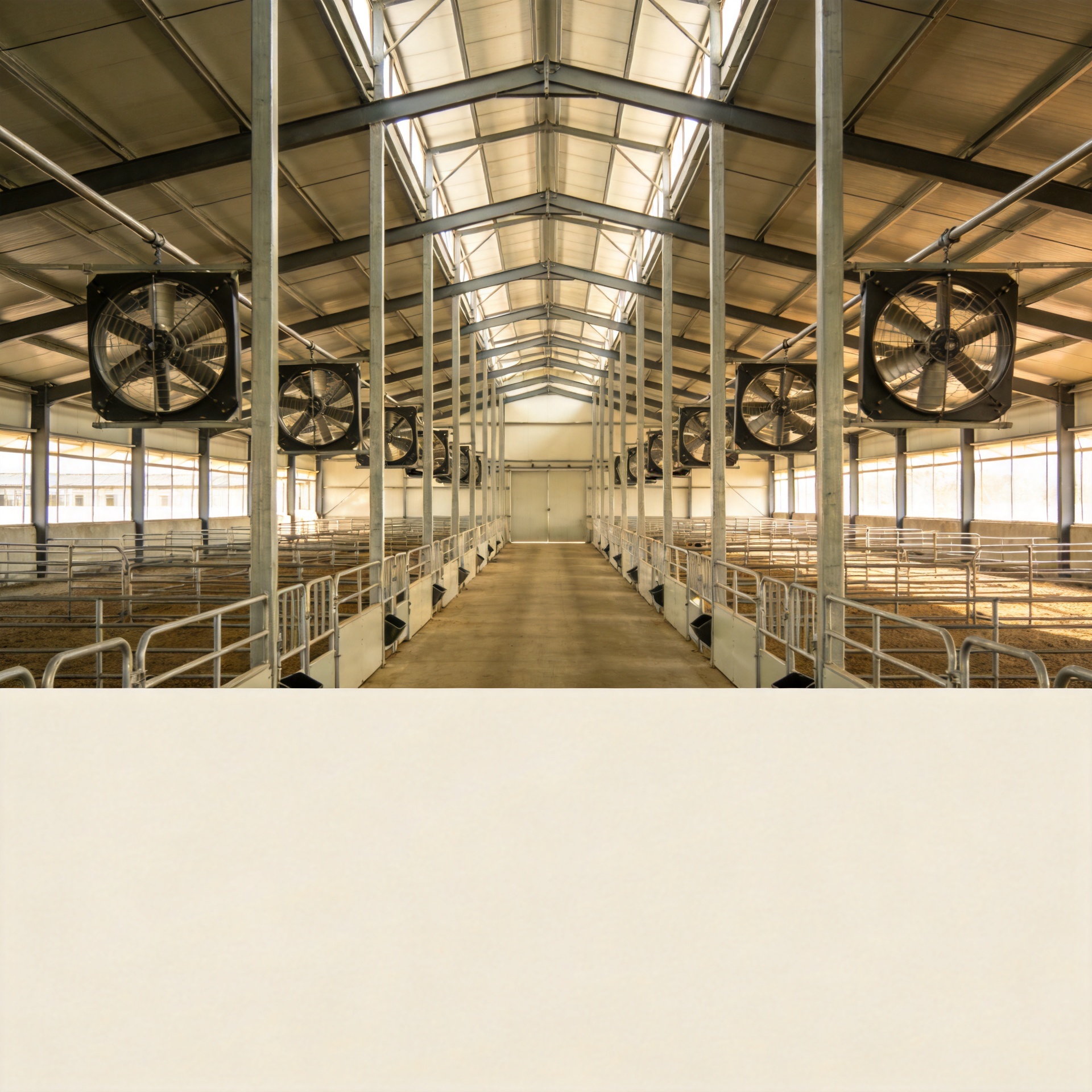
Plan a livestock steel structure for welfare, corrosion resistance, fire considerations, and efficient design-to-delivery decisions.
2026/10/26
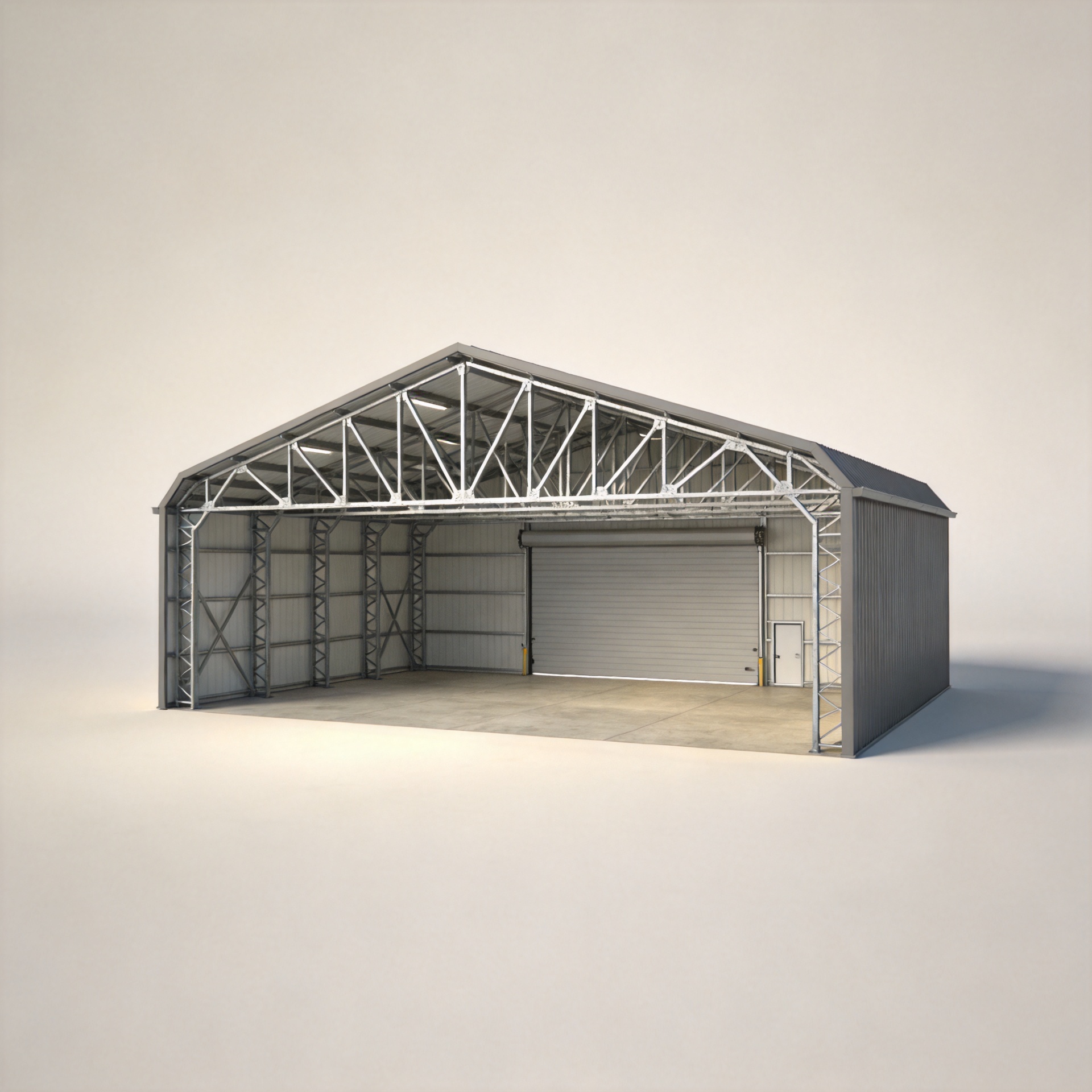
Plan an aircraft steel structure for hangars and support facilities with guidance on loads, corrosion, fire, EN 1090, and delivery milestones.
2026/10/26
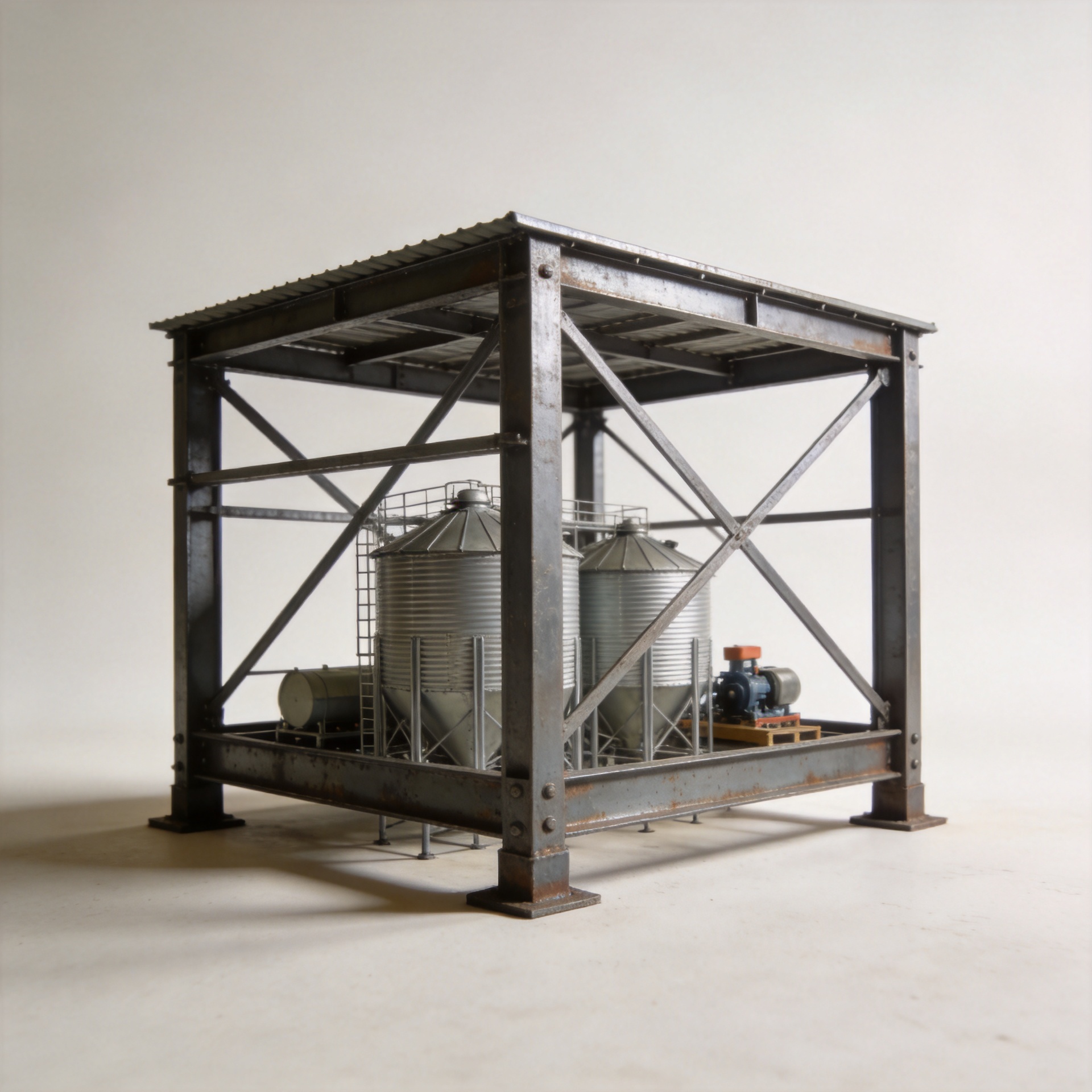
Choose a farm steel structure for agricultural storage with practical guidance on loads, corrosion, compliance, and delivery planning.
