 EN
Warehouse-Workshop Steel Structures: Dual-Use Design
2026/10/26
Plan a warehouse workshop steel structure with smarter zoning, flow, clear height, crane, fire, and expansion decisions.

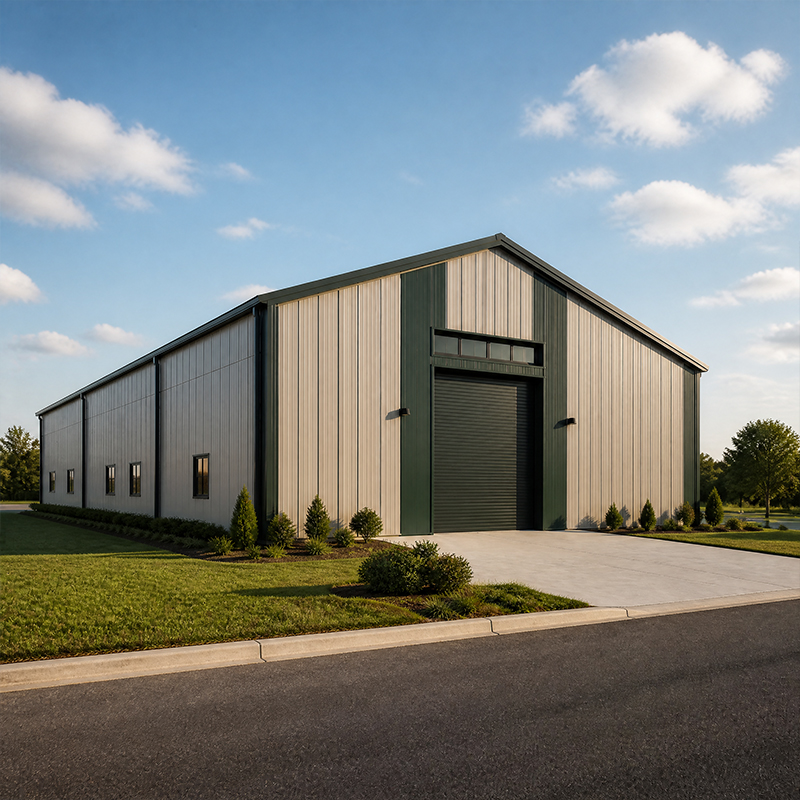
Industrial warehouse storage depends on how well the building shell and internal racking work together. A steel structure gives the wide, column-free floor and tall clear height that high-volume operations need. When the envelope, frame, and racking system are planned as one system, pallet positions multiply without expanding the footprint. The sections below explain how to design that system for maximum volume and safe daily operation.
The starting point for industrial warehouse storage is the structural frame. Portal frames in Q355B steel reach clear spans up to 60 meters, removing interior columns that would block racking aisles. Fewer columns means racking runs can be longer and forklift travel is simpler. The racking system then defines every aisle, so the frame must serve the storage layout, not fight it.
Steel's strength-to-weight ratio lets the roof carry snow and equipment loads while keeping column sizes modest. CNC-cut connections and 10.9S high-strength bolts make the structure go up fast and stay dimensionally accurate, which matters when racking demands tight tolerances at every upright.
For industrial warehouse storage, picking the right height early avoids costly steel changes later. High-density storage gains most of its volume from height, not floor area. A 12-meter eave with a 150 mm PIR envelope can hold six to eight pallet levels, while a low building caps at three. Designers should model the rack height against the forklift reach and the sprinkler rules before fixing the eave.
Net clear height is the usable number after accounting for roof slope and any mezzanine. The racking system stays efficient when eave, rack height, and truck reach are matched.
Effective industrial warehouse storage blends several rack types. The building footprint, dock position, and turnover profile shape which system earns its place on the floor.
Selective steel racking gives direct access to every pallet, which suits mixed SKUs and frequent picks. Drive-in racking sacrifices some access for density, letting forklifts enter lanes and stack deep. The choice drives both the building footprint and the aisle width, so it must be settled with the frame layout.
A high-density storage plan often blends both: selective near docks for fast movers, drive-in deep for slow bulk. The frame must support heavier point loads at rack uprights, so the structural model and racking layout are shared early between design and storage teams.
Push-back racking uses nested carts on rails, storing several pallets deep while keeping one face open. Pallet flow relies on gravity rollers for first-in-first-out movement along the lane. Both raise density and speed without widening aisles, which is why industrial warehouse storage benefits from them in fast distribution sites.
For cold or ambient steel racking, these systems cut energy and labor by shrinking the active area. Throughput planning should size lanes to the inbound and outbound rate, so the building never bottlenecks at the rack face during peak shifts.
Racking transfers large point loads to the slab through anchors, so the concrete must be specified with the rack loads in mind, not just the building live load. Densely loaded aisles need thicker slabs and closer anchor patterns to resist both vertical weight and lateral sway. Industrial warehouse storage relies on this slab-to-rack link more than any visible steel member.
EN 1090 and ISO 3834 govern how the steel and welds are certified, giving confidence the frame holds rack reactions. Anchors should be torque-checked and documented, since a failed anchor can topple a full bay.
In high-wind or seismic zones, the steel frame and the racking system must be braced as one. Portal frame knees, braced bays, and rack cross-aisle bracing share the lateral force, protecting both structure and inventory. The racking system is only as stable as the frame that carries it through a storm.
Glass flake coating and hot-dip galvanizing protect steel in humid or corrosive storage. Regular review of bracing keeps volume storage safe as loads and layouts change.
A Shenyang grain logistics operator needed to store seasonal harvest without expanding its land. The solution paired a 60-meter clear-span steel hall with drive-in steel racking rated for bulk bags. The problem was peak-season congestion at the docks and wasted vertical space.
By zoning fast-moving sacks to selective racking near the doors and deep bulk to drive-in lanes, the facility lifted pallet positions by roughly 40 percent on the same footprint. EN 1090-certified frames and galvanized components handled the humidity. The project shows how a certified steel shell unlocks density a low building could never reach.
A sensible upkeep plan protects the investment in volume storage. Monthly checks cover anchor torque, rack upright plumb, and damage from forklift contact. Annual reviews verify coating condition and slab cracks, keeping the envelope intact against weather and moisture intrusion.
Training yard staff to report rack strikes immediately prevents small dents from becoming failures. With this routine, the racking system and steel frame deliver reliable service for many seasons. High-volume operations stay safe when inspection is part of the weekly schedule rather than a reaction to an accident.
High-volume operations succeed when the steel shell, racking system, and floor are designed together. Industrial warehouse storage reaches its potential only when height, density, and safety are balanced from the first sketch. A certified, well-maintained steel building keeps that volume available for decades of demanding use.
What is the most space-efficient racking for volume storage?
Answer: Drive-in and push-back configurations deliver the highest density because they remove most aisles and stack pallets deep. Selective steel racking keeps every pallet reachable but uses more floor. A blended plan places fast movers on selective rows near docks and slow bulk in deep lanes. Matching rack type to the turnover profile maximizes usable volume without oversizing the steel building or the handling equipment fleet.
How tall should a steel warehouse be for high-density storage?
Answer: Eave heights of 10 to 14 meters typically support six to nine pallet levels, which is where industrial warehouse storage gains most volume. Taller buildings need reach trucks and compliant sprinklers, so the height must follow the handling method. Modeling the rack height against forklift reach before fixing the frame prevents expensive steel changes and keeps aisle geometry practical for daily operation.
Which steel grade suits heavy racking loads?
Answer: Q355B and Q420B structural steel handle the heavy reactions from dense racking and tall frames. EN 1090 and ISO 3834 certification confirms the welds and cuts meet European execution standards. Galvanizing or glass flake coating protects the members in humid or corrosive storage. Selecting the right grade early keeps the building safe as rack loads grow and avoids costly retrofits during the operating life.
How is racking anchored to the floor safely?
Answer: Racking transfers large point loads to the slab through certified anchors set in a slab designed for those reactions, not just building live load. Torque values are specified and checked on installation, then re-verified during inspections. Damaged or loose anchors are replaced before they risk a bay collapse. Documenting each anchor location supports future audits and keeps the structure compliant with storage safety expectations.
What maintenance keeps a volume warehouse safe?
Answer: Monthly checks cover anchor torque, upright plumb, and forklift impacts, while annual reviews assess coating and slab condition. Staff should report rack strikes immediately so small dents are repaired before they spread. Coating touch-ups stop corrosion at cut edges. A documented routine extends the service life of both the steel frame and the racking, protecting inventory and personnel across the seasons.
2026/10/26
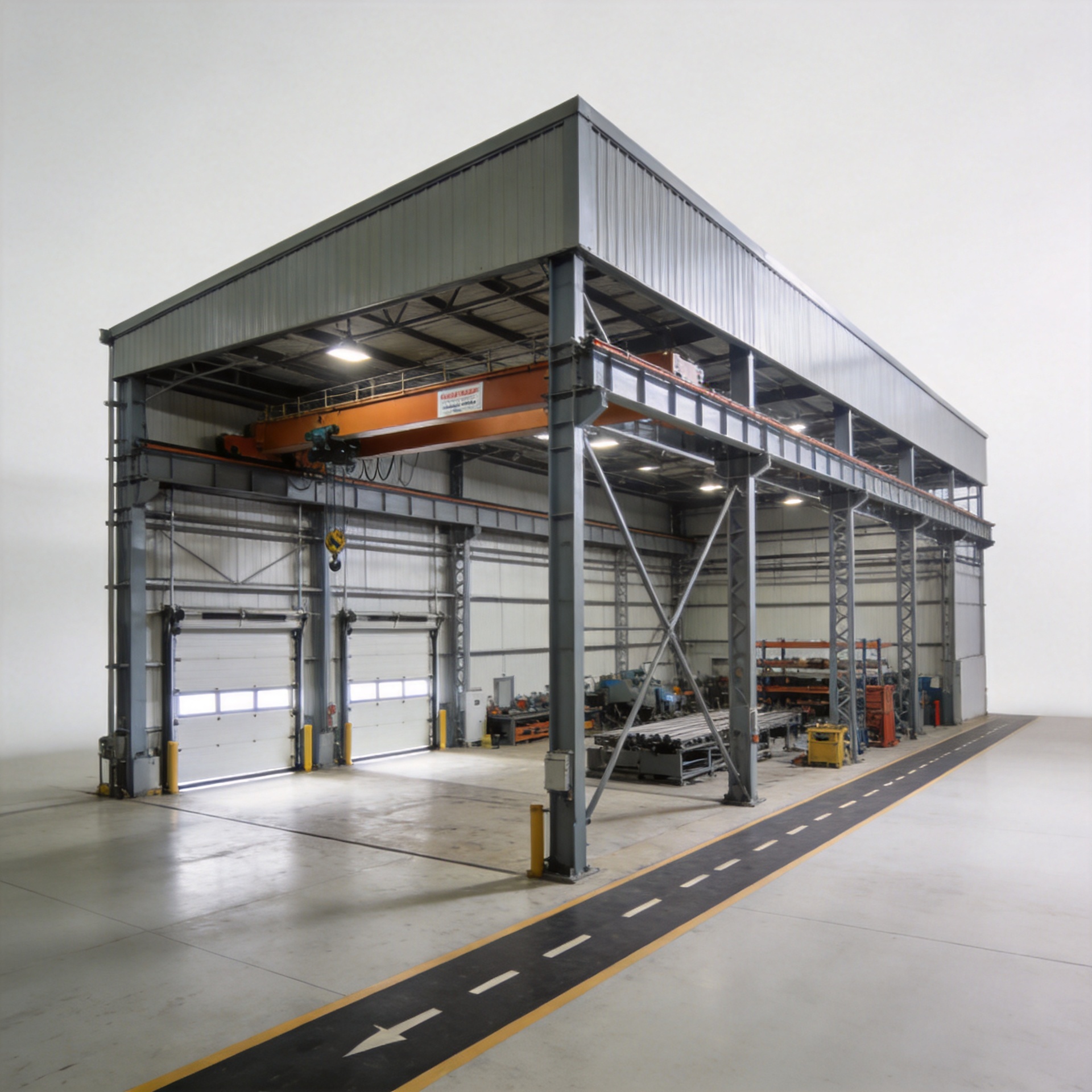
Plan a warehouse workshop steel structure with smarter zoning, flow, clear height, crane, fire, and expansion decisions.
2026/10/26
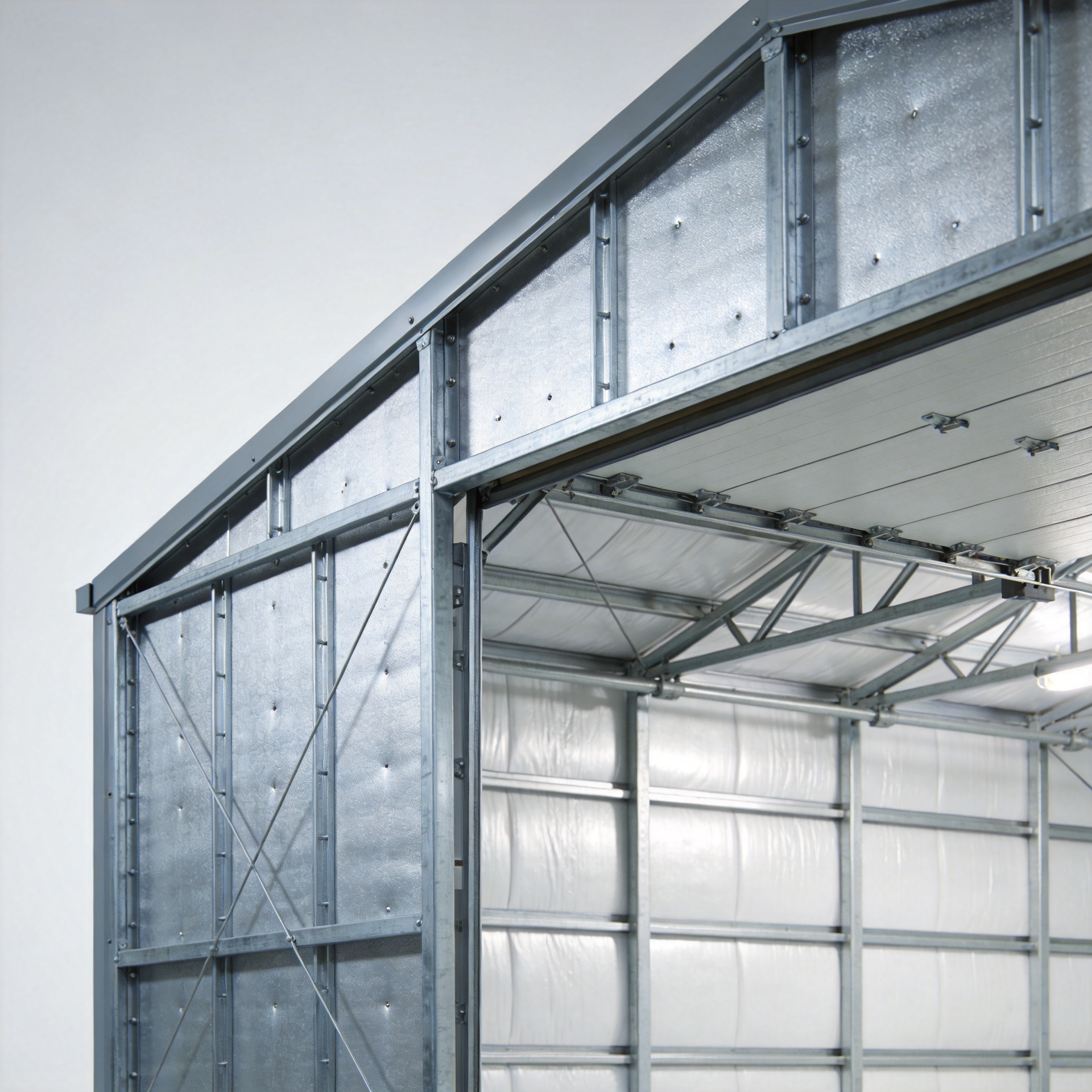
Plan a cold storage steel structure with insulation, vapor control, thermal breaks, refrigeration interfaces and corrosion-ready details.
2026/10/26
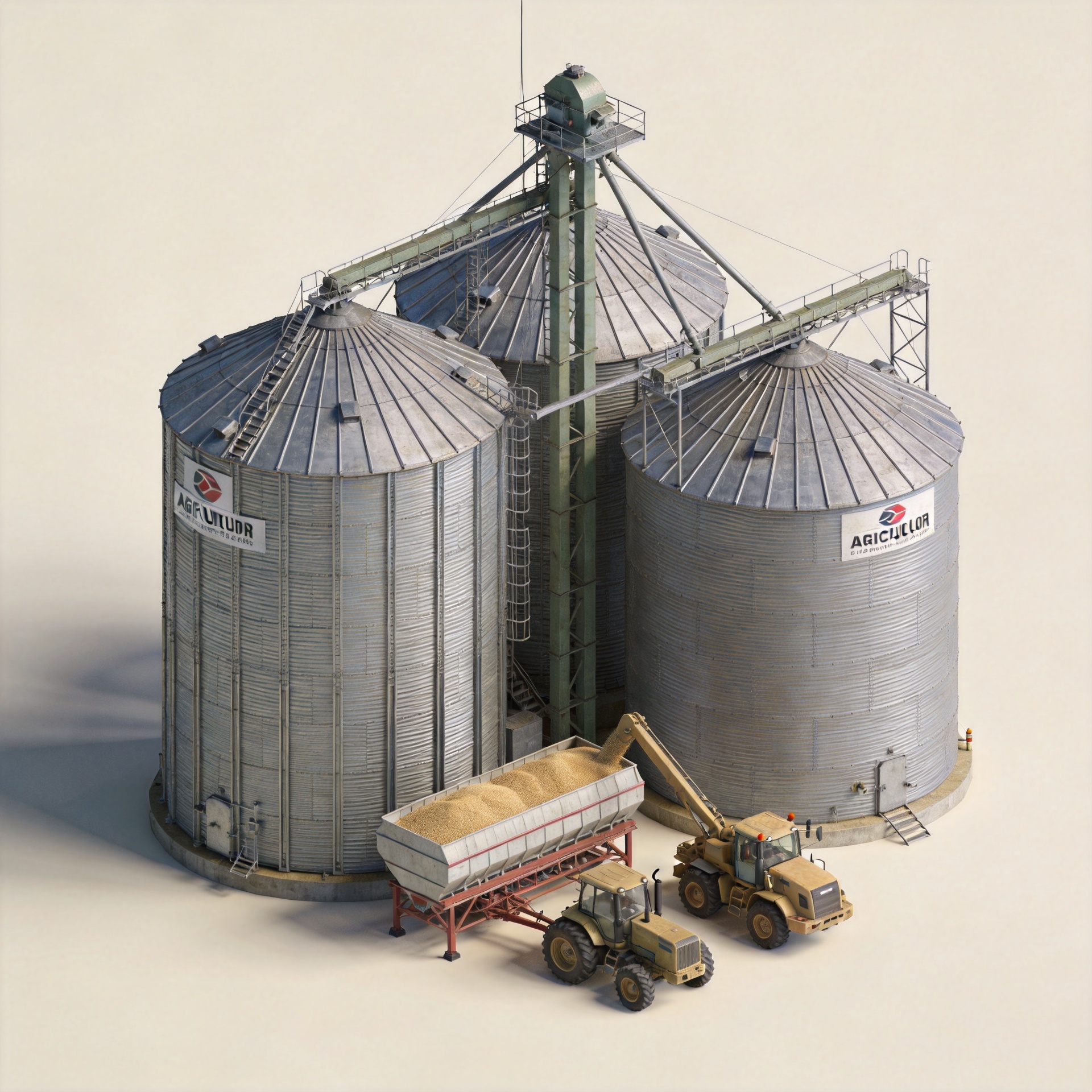
Plan an agricultural steel structure that scales from machinery barn to storage and farm logistics hub with practical design and procurement steps.
2026/10/26
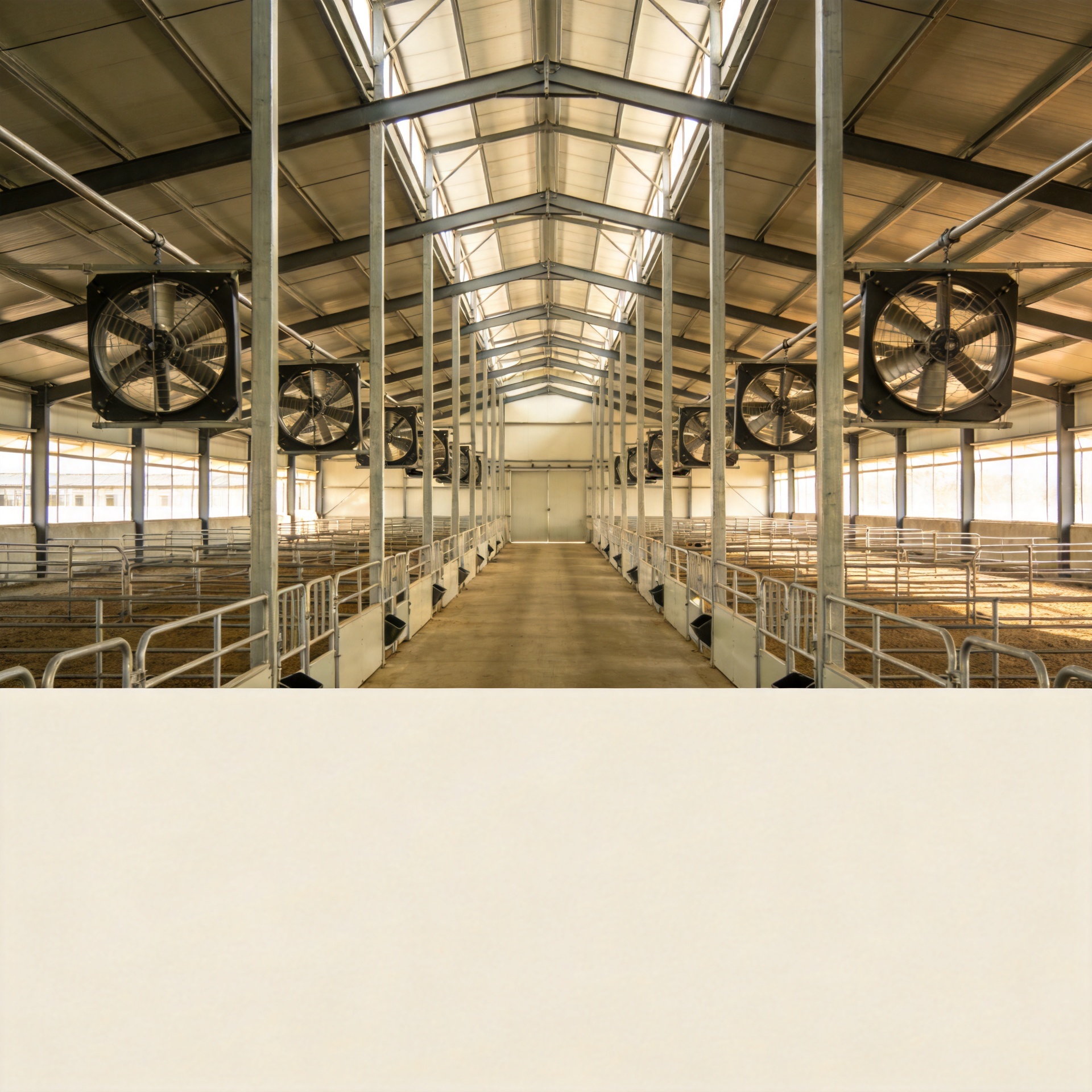
Plan a livestock steel structure for welfare, corrosion resistance, fire considerations, and efficient design-to-delivery decisions.
2026/10/26
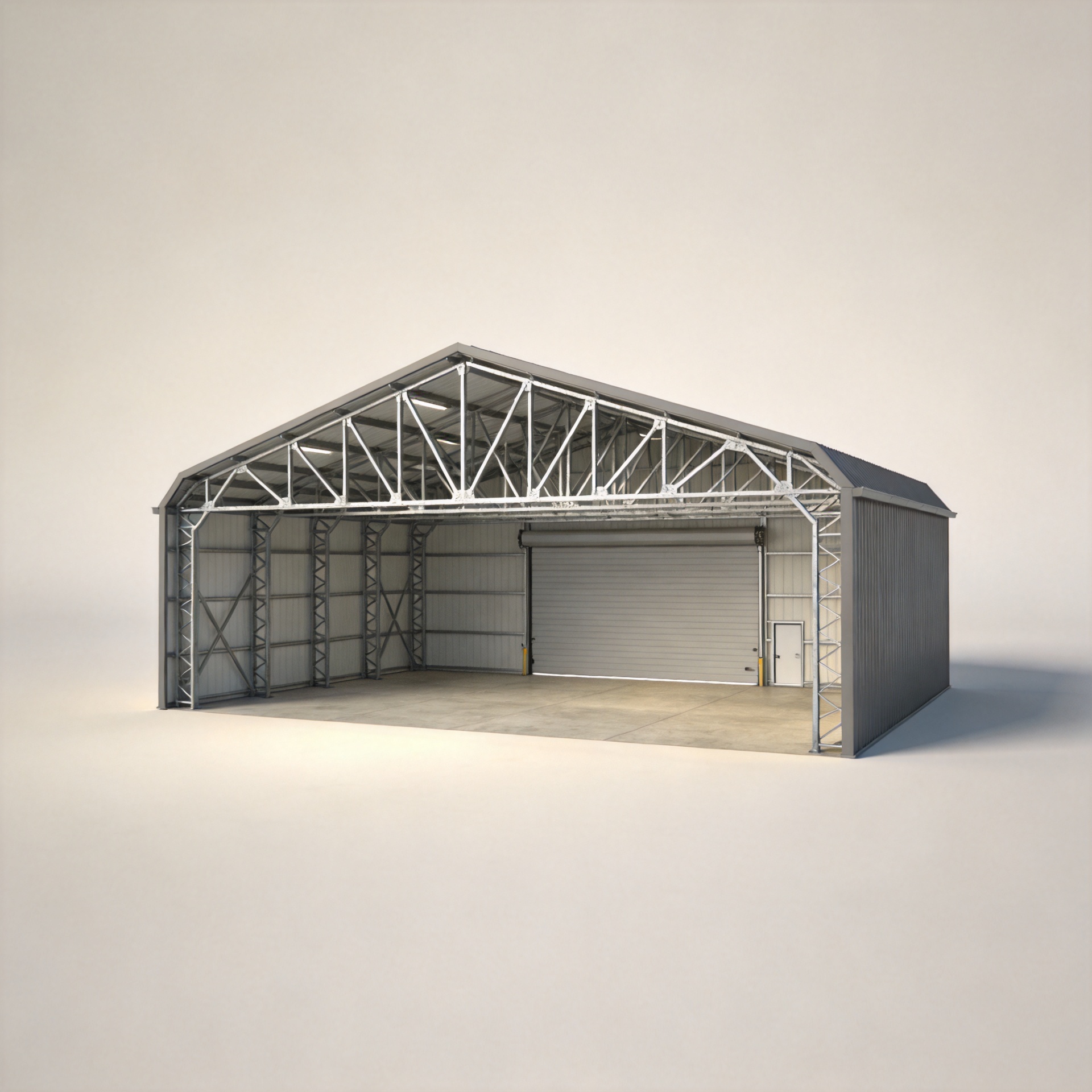
Plan an aircraft steel structure for hangars and support facilities with guidance on loads, corrosion, fire, EN 1090, and delivery milestones.
2026/10/26
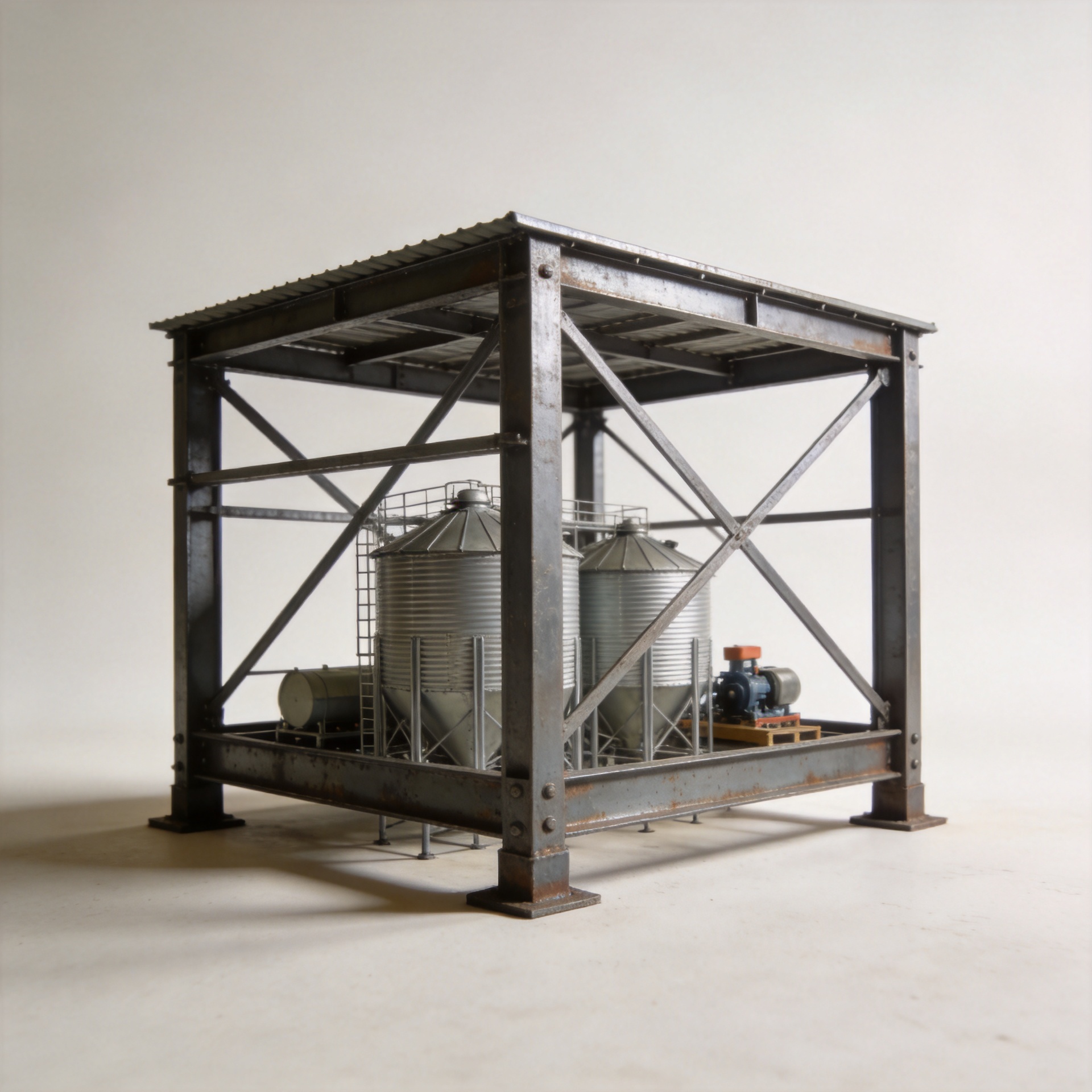
Choose a farm steel structure for agricultural storage with practical guidance on loads, corrosion, compliance, and delivery planning.
