 EN
Warehouse-Workshop Steel Structures: Dual-Use Design
2026/10/26
Plan a warehouse workshop steel structure with smarter zoning, flow, clear height, crane, fire, and expansion decisions.

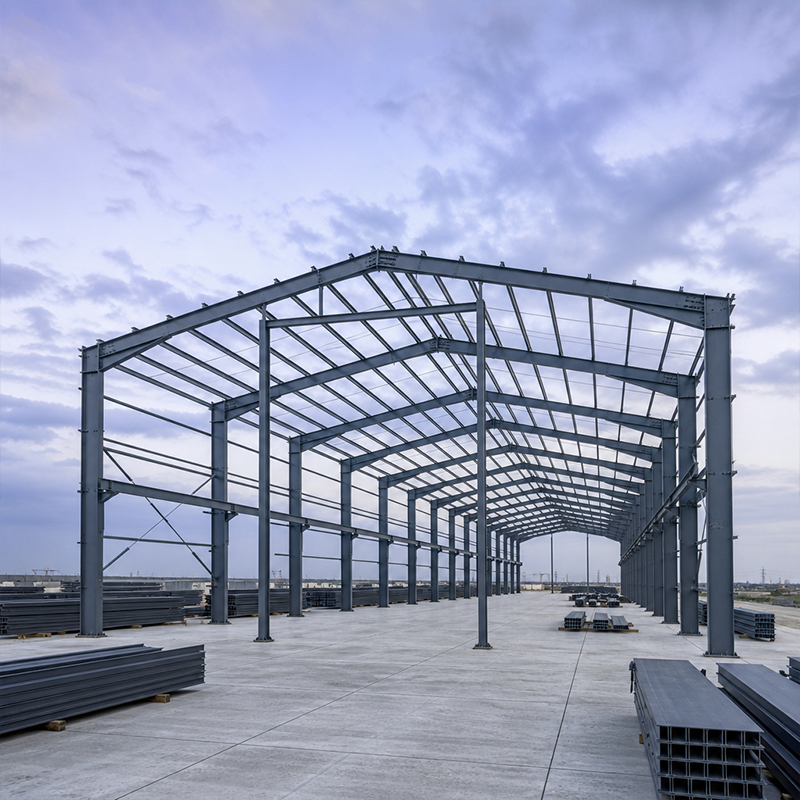
An industrial steel structure sits at the heart of modern factories, warehouses and processing halls. Choosing the right grade, span and application decides whether the building supports the process or works against it.
Selecting the right material begins with yield strength, and that is where the modern industrial steel structure earns its reputation. Q355B delivers a minimum yield of 355 MPa, while Q420B reaches 420 MPa, giving designers extra margin when roof loads, cranes or accumulated snow push a frame toward its limits. The B designation signals quality grades suitable for structural welding; Q355B-Z35 adds through-thickness, lamellar properties that resist splitting at heavy welded joints. Every industrial steel structure begins with verified material, because the grade sets the ceiling on what the geometry can achieve.
A mill certificate is not paperwork to file away; it is the proof that delivered steel matches the specification. Look for the heat number, chemical composition and the specified minimum yield and tensile values, then cross-check them against the order. EN 1090 and ISO 3834 both require traceable weld procedures, so the same discipline applies to the connections as to the plates. AISC and ASTM references help when projects land in North America, while CE marking signals compliance for the European market. When the certificate, the coating batch and the bolt grade all line up, a structural steel package can be erected with confidence instead of guesswork. Requesting these documents during procurement turns a vague promise into verifiable evidence before steel leaves the factory.
Span decides how open the floor feels and how much column interference a process must tolerate. A clear-span steel hall removes interior columns up to roughly 60 m, which suits logistics, cold storage and aircraft housing where uninterrupted space drives productivity. Multi-bay layouts split the width with periodic columns, lowering steel weight and cost for buildings that already use racking or fixed production lines. The layout of an industrial steel structure should follow the equipment footprint, not a generic rule. A prefabricated frame keeps both options fast to deliver because the geometry is optimized in the factory before shipping. Portal frames remain the workhorse for single-story halls, while trusses extend the reach where very wide floors are needed.
Longer spans transfer heavier reactions to fewer points, so the columns and the foundation below them must carry more. That is why span steel selection is a structural conversation, not just a visual one. For any industrial steel structure, span drives the foundation size because every extra meter of clear width adds moment at the eaves. Wide clear spans often pair with deeper rafters, braced portals or roof trusses to keep deflection within service limits set by IBC and MBMA guidance. Foundations shift from light pads to reinforced strips or piles as reactions grow.
A real example comes from a grain storage project where an older masonry shed leaked and attracted pests, threatening tons of stored rice. The solution was a new industrial steel structure with galvanized C&Z purlins, a 150 mm PIR sandwich envelope and a clear internal span that let conveyor lines run without column breaks. Hot-dip galvanizing protected the frame in a humid, corrosive atmosphere, while the insulated cladding stabilized interior temperature for food safety. After erection the owner reported drier stock, fewer losses and faster loading. The result shows how steel grade, span and envelope choices combine into a building that actually serves the process rather than fighting it.
Heavy machinery plants live and die by crane capacity. Here the frame must carry not only the roof but moving wheel loads that swing torque into the columns. Q420B and stiffened joints earn their cost in these bays, and a mezzanine level can add office or maintenance space without expanding the footprint. OSHA and local codes govern access and lifting, so the design must reserve crane runway beams and bracing from the start. A maintained industrial steel structure in this duty keeps its alignment when bolt tension is checked on a schedule.
Certifications are the buyer's safety net. ISO 9001 governs the quality system behind every cut and weld, EN 1090 carries the CE mark for structural steel placed on the European market, and ISO 3834 certifies the welding management that holds critical joints together. Together they force documented procedures, inspected seams and traceable materials. A supplier that holds these marks is easier to audit and less likely to cut corners on bolt grade or coating thickness. Ask for the certificate numbers during procurement; they turn a vague promise of quality into verifiable evidence before steel leaves the factory.
Corrosion is the slow tax on every steel building, so surface protection deserves real attention. Hot-dip galvanizing suits exposed or humid zones, while glass flake coating resists aggressive chemical or coastal environments. Detailing matters too: proper drainage slope, sealed cladding laps and flashed eaves stop water from pooling where it does the most damage. A simple annual check of bolt tension, coating condition and gutter flow catches small issues before they spread. With sensible upkeep a well-graded, correctly spanned industrial steel structure keeps its strength and appearance for decades, protecting the asset the building was meant to house. Specifying the right industrial steel structure comes down to three linked choices: the steel grade that matches the load, the span that fits the process, and the application that sets the envelope. Buyers who weigh Q355B and Q420B against real duty, confirm certifications and plan upkeep receive a building that performs for decades.
Which steel grade suits a heavy industrial steel structure?
Answer: Q355B handles most halls up to moderate spans, while Q420B is chosen when cranes, snow or wind push loads higher. The Z35 option adds through-thickness strength for thick welded plates. Grade selection follows the design load, not a fixed preference, and mill certificates confirm the delivered yield. Matching grade to duty keeps the frame safe and economical without overspending on material that the structure does not need.
How is clear-span capacity determined for a steel hall?
Answer: Capacity comes from the frame geometry, steel grade and the governing load combination. Engineers run finite-element checks against IBC and MBMA limits, then size rafters, columns and bracing so deflection stays within service tolerances. Longer clear spans need deeper members or trusses, which raises steel weight. A documented calculation package lets the buyer verify the claimed span before fabrication begins on site.
Why are bolted connections preferred over field welding?
Answer: Bolted connections with 10.9S high-strength bolts give predictable, inspectable joints and fast site erection without relying on weather-dependent welds. Shop fabrication under ISO 3834 control keeps quality steady, while site bolt-up reduces skilled labor on the ground. Misalignment is corrected with shims rather than re-welding. The result is a safer, faster build with a cleaner audit trail for the owner and the inspecting authority.
What coatings protect steel in humid or coastal sites?
Answer: Hot-dip galvanizing forms a bonded zinc layer that performs well in humid grain and food environments. Glass flake coating resists aggressive chemicals and coastal salt spray where galvanizing alone may fall short. Detailing such as drainage slope and sealed cladding laps prevents water trapping. A yearly inspection of coating and bolt tension catches early wear, extending the service life of the frame substantially without major cost.
Which certificates should a buyer request from the supplier?
Answer: Request ISO 9001 for the quality system, EN 1090 with CE marking for European structural steel, and ISO 3834 for welding management. ASTM and AISC references help North American projects, while mill test reports verify grade and chemistry. Certificate numbers should be tied to the actual shipment, not offered as generic documents. Verifiable marks turn a quality claim into evidence before steel is shipped overseas.
2026/10/26
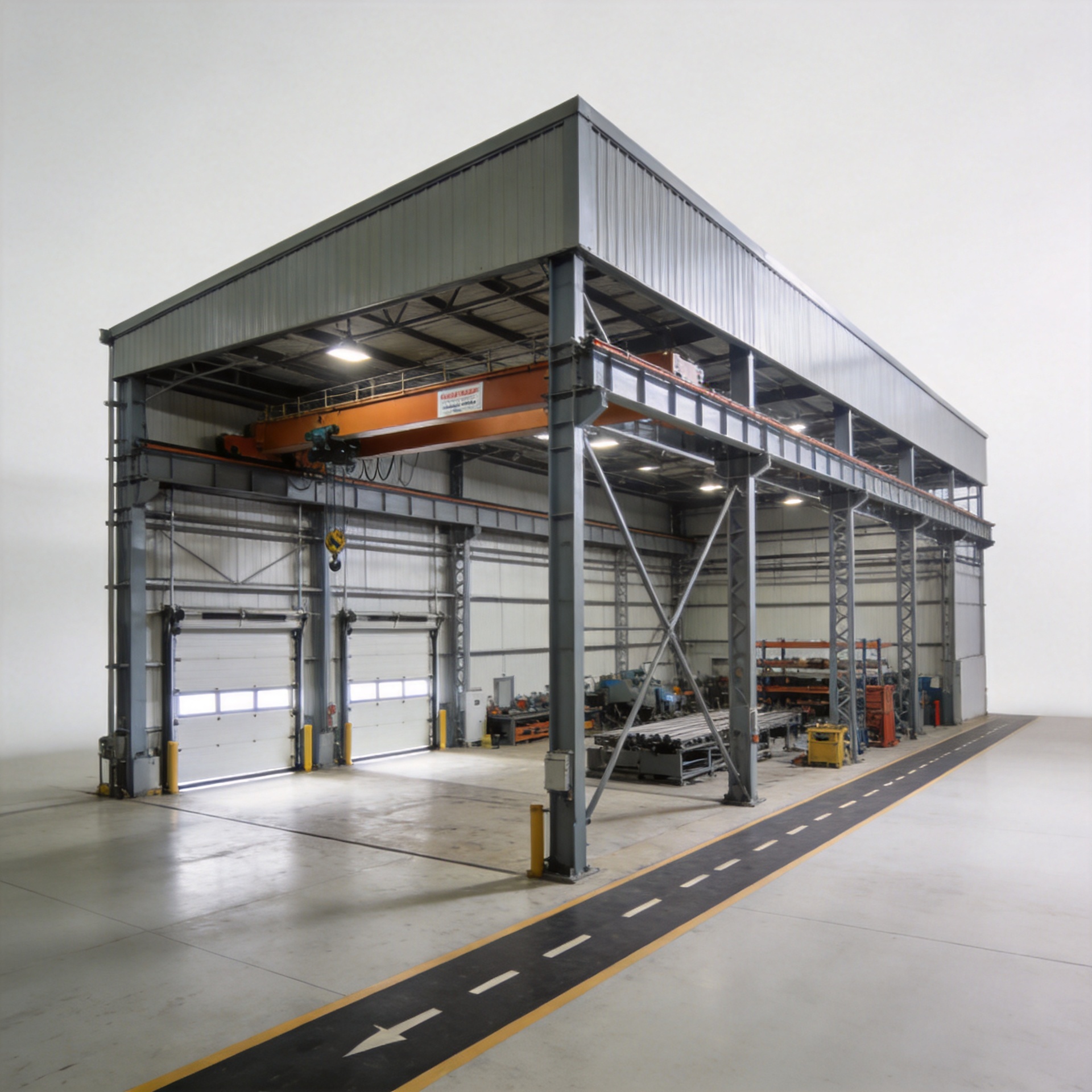
Plan a warehouse workshop steel structure with smarter zoning, flow, clear height, crane, fire, and expansion decisions.
2026/10/26
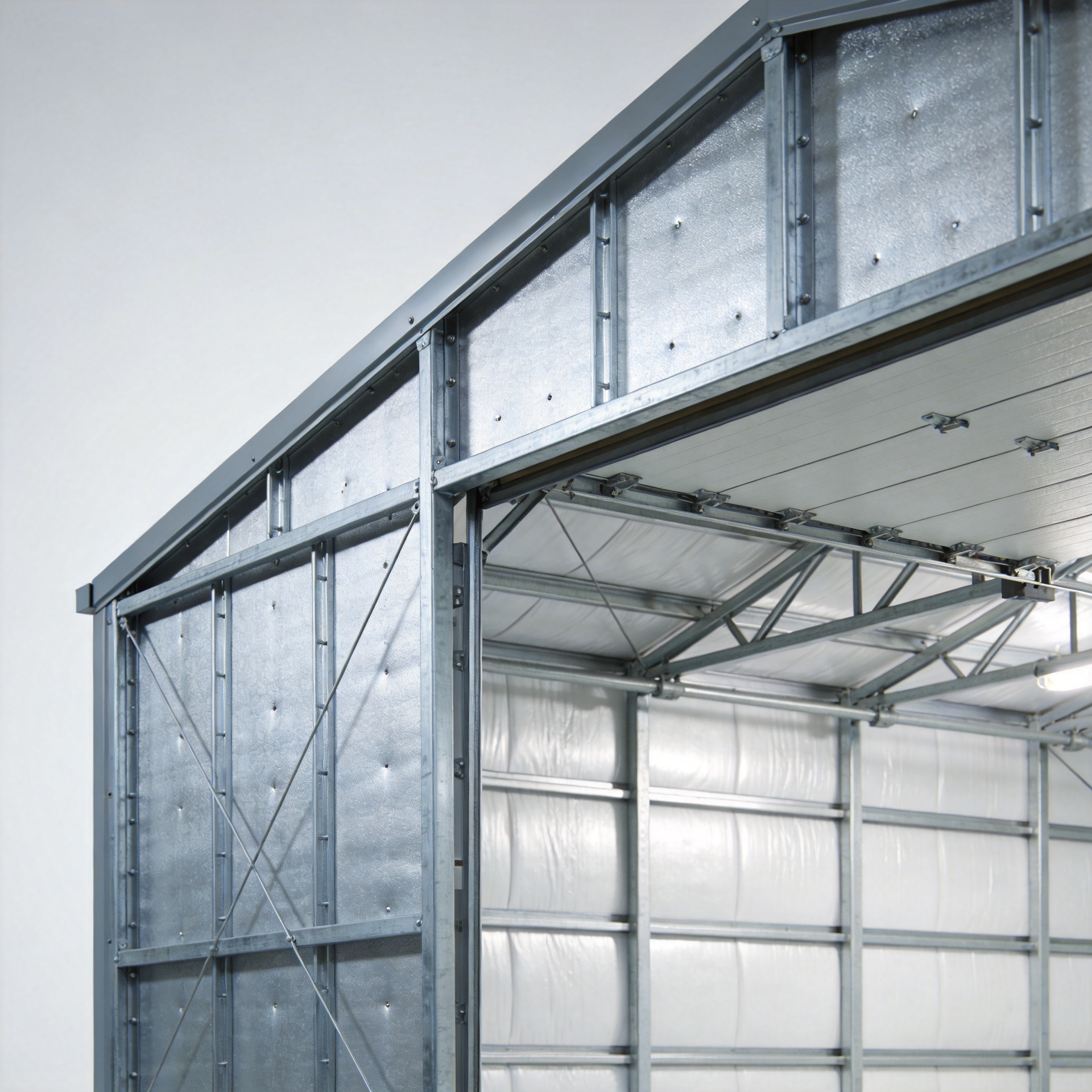
Plan a cold storage steel structure with insulation, vapor control, thermal breaks, refrigeration interfaces and corrosion-ready details.
2026/10/26
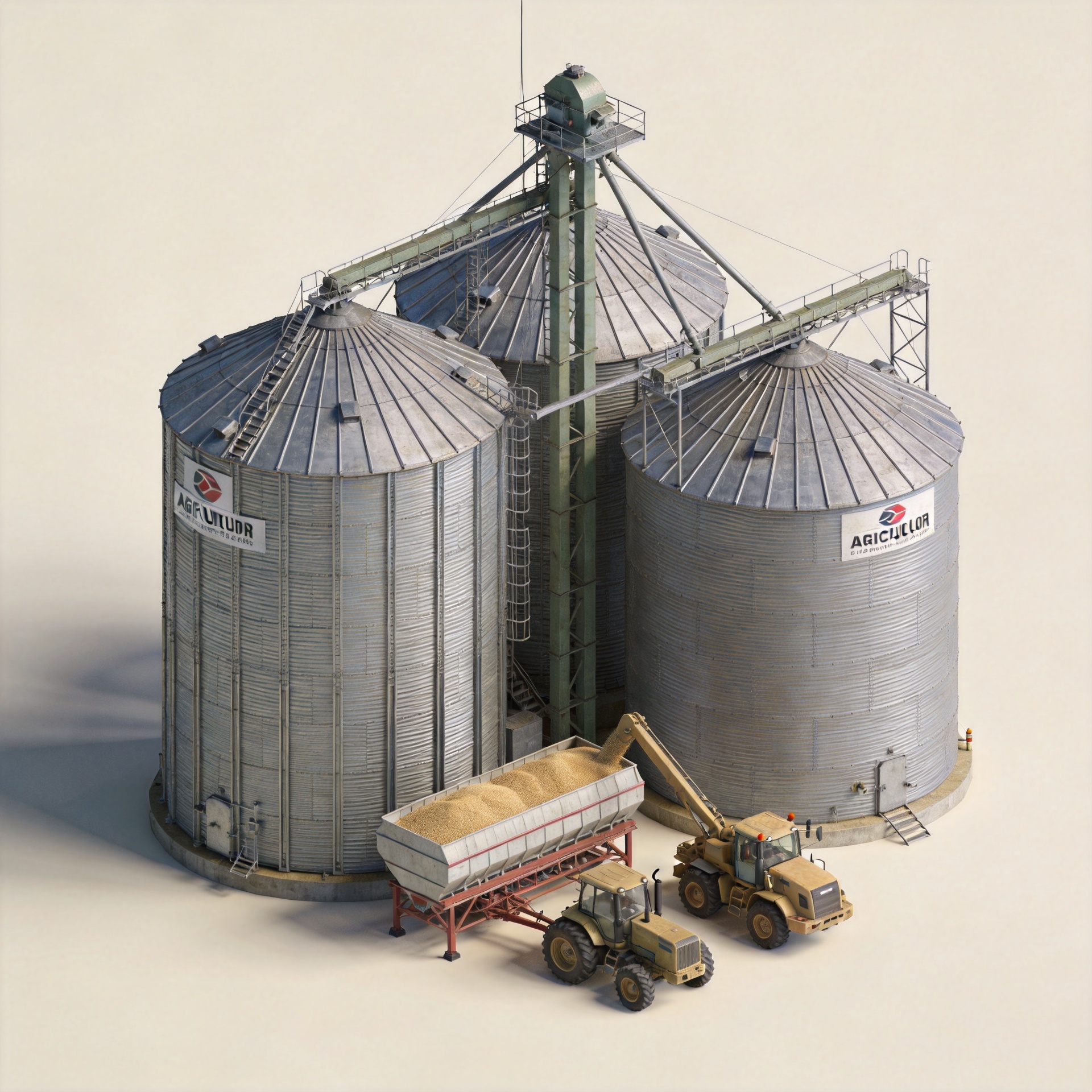
Plan an agricultural steel structure that scales from machinery barn to storage and farm logistics hub with practical design and procurement steps.
2026/10/26
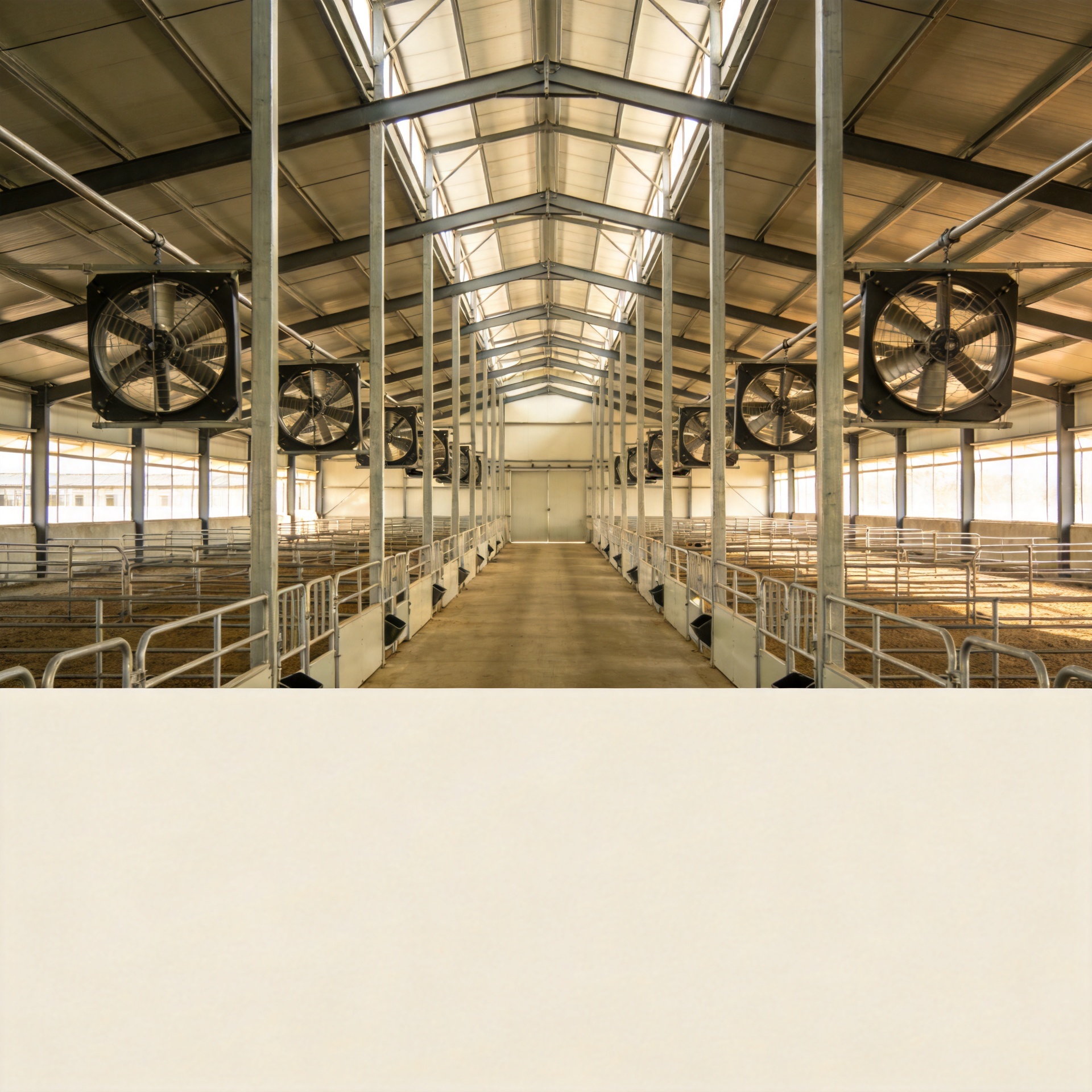
Plan a livestock steel structure for welfare, corrosion resistance, fire considerations, and efficient design-to-delivery decisions.
2026/10/26
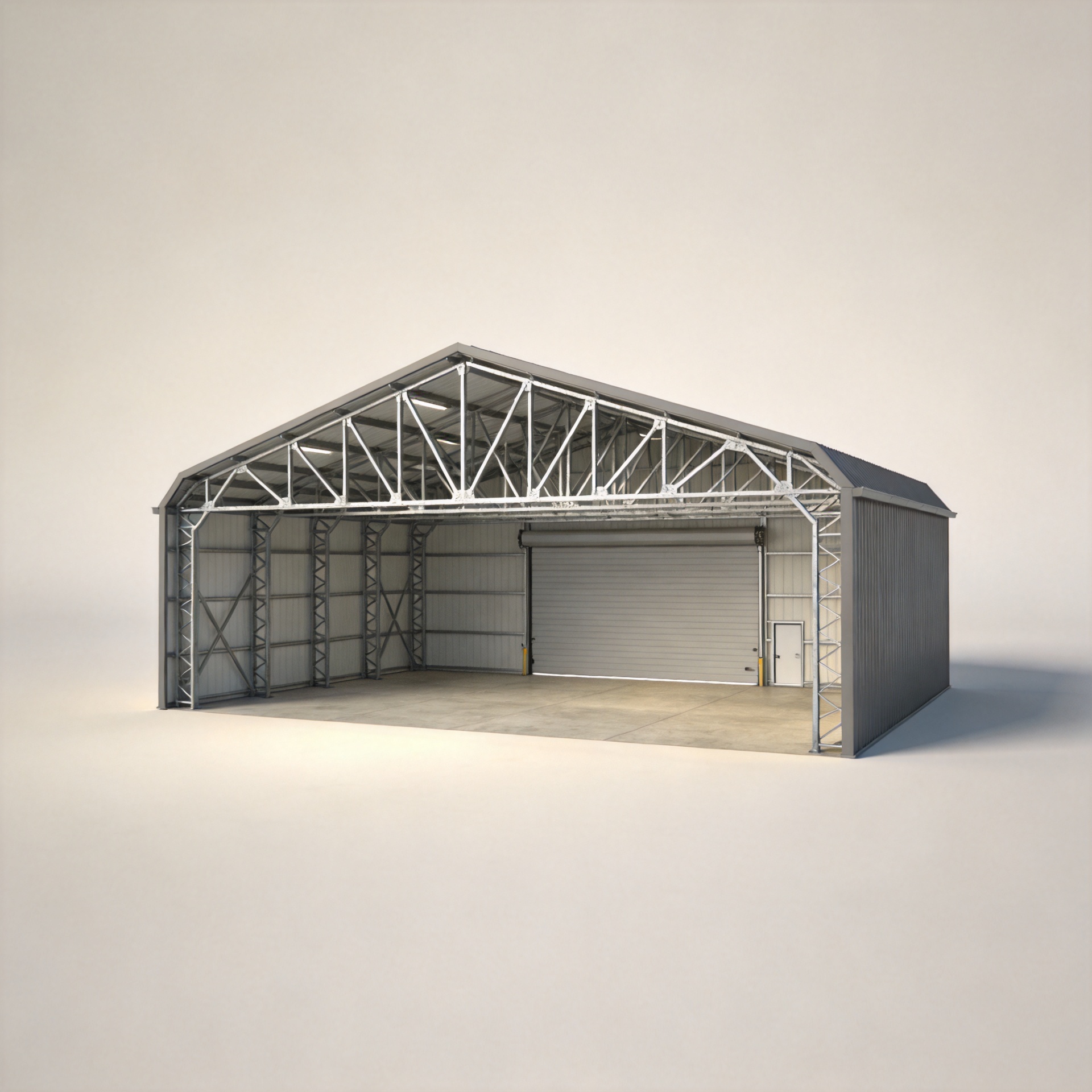
Plan an aircraft steel structure for hangars and support facilities with guidance on loads, corrosion, fire, EN 1090, and delivery milestones.
2026/10/26
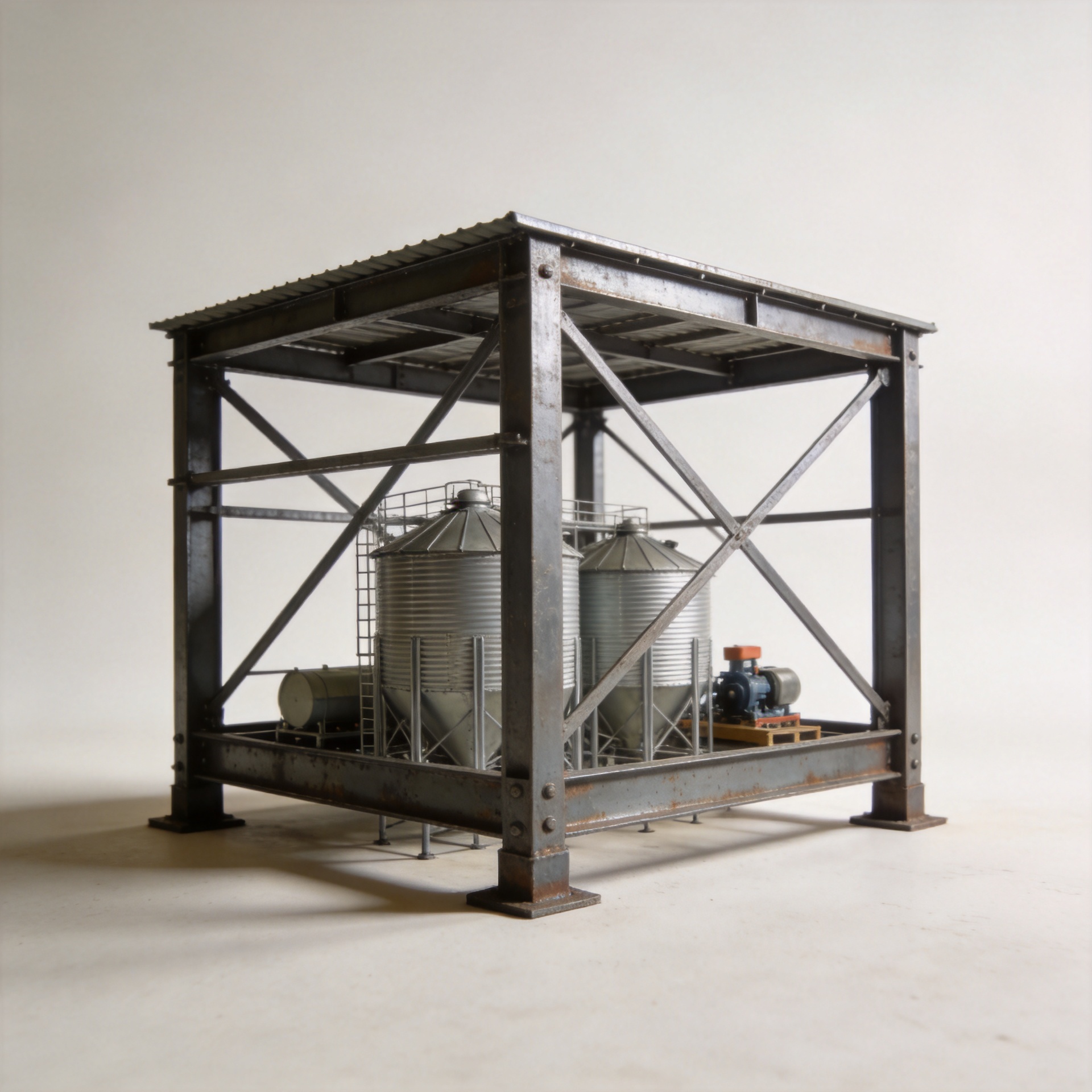
Choose a farm steel structure for agricultural storage with practical guidance on loads, corrosion, compliance, and delivery planning.
