 EN
Warehouse-Workshop Steel Structures: Dual-Use Design
2026/10/26
Plan a warehouse workshop steel structure with smarter zoning, flow, clear height, crane, fire, and expansion decisions.

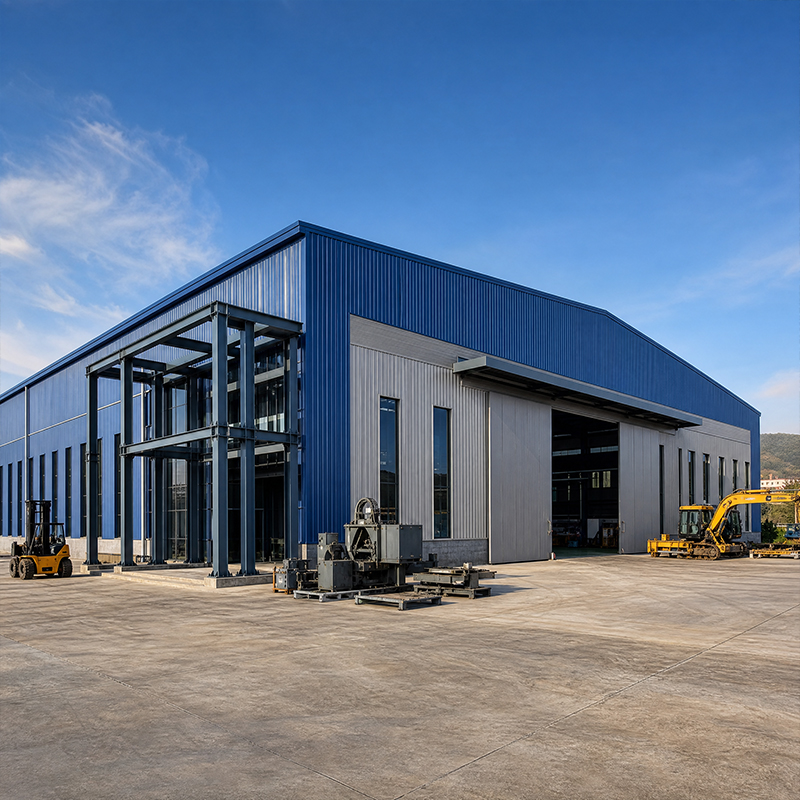
Industrial metal buildings serve plants, warehouses, cold stores, and logistics hubs where loads, span, and weather push ordinary frames to the limit. Selecting the right heavy-duty steel grade and fabrication route decides whether a structure stands for decades or demands early repair.
Industrial metal buildings earn the heavy-duty label through steel grade, section size, and connection strategy rather than appearance. A facility carrying overhead cranes, stacked inventory, or heavy snow needs yield strength that ordinary mild steel cannot provide. Q420B delivers roughly 420 MPa minimum yield, letting designers shrink plate thickness while holding capacity. Lighter members cut foundation cost and speed erection without sacrificing safety. The trade-off is stricter welding control, addressed later through qualified procedures and inspection.
Vertical and lateral forces travel from roof and wall through rafters, columns, and bracing into the base plate and anchor bolts. A clear understanding of this load path prevents localized buckling and excessive drift. Industrial metal buildings with portal frames spanning 30 to 60 meters rely on rigid joints to redistribute moment, so fabrication tolerance at the splice matters. When wind or seismic demand arrives, the bracing layout and the bolt group at each column base carry the full story. Getting geometry right in the model avoids expensive field correction.
Q420B is a high-strength structural steel with good toughness at ambient temperature and predictable behavior under cyclic stress. Specifying this grade makes sense for crane runways, long-span trusses, and members under combined bending and axial force. Many industrial metal buildings choose Q420B over Q355B because the higher yield lets a given section carry more, trimming tonnage on large projects. The grade welds well under controlled heat input, though preheating may be required for thick plates. Designers balance material savings against fabrication care to reach the lowest practical total cost.
Thicker Q420B plates gain strength but need attention to the heat-affected zone during welding. Robotic welding and qualified procedures keep penetration consistent across long seams. For plates above a certain thickness, Z-direction toughness (Z35) reduces lamellar tearing risk at welded intersections. Testing coupons from production batches confirms chemistry and charpy values before cutting begins. Such discipline protects the structure where visual inspection cannot see the defect, which is exactly where failures start. Routine non-destructive testing on critical joints catches porosity and lack of fusion before the member ships, closing the loop between procedure and proof.
Precision fabrication begins with CNC plasma or laser cutting that holds profile tolerances within millimeters, so field bolting lines up on the first try. Industrial metal buildings benefit when every sub-assembly is laid out on a jig to control camber and squareness before the blast and paint line. Robotic welding then lays repeatable, low-porosity seams on primary members, lifting both speed and consistency versus manual work. A 12,000 square meter workshop running this sequence can output consistent frames for multiple projects at once without mixing batches. Each member carries a traceable ID linking cut, weld, and coating records, so a future inspector can trace any piece back to its batch.
Heavy-duty frames favor 10.9S high-strength bolts in fully bolted connections, which simplify site work and allow later disassembly or extension. Dimensional control at the shop determines whether those bolts pass through cleanly on site; misdrilled holes force reaming or dangerous field welding. Well-planned industrial metal buildings arrive with centerlines marked, connection plates match-drilled, and members packed to protect edges during transit. Site crews verify bolt tension with calibrated wrenches, since under-tightened groups drift under cycling load and over-tightened ones crack the plate. Tight tolerances also protect coating integrity, since damaged paint at a fitting face invites corrosion before the building opens.
Hot-dip galvanizing and glass flake coating defend steel against moisture, chemicals, and coastal salt for decades with minimal upkeep. Industrial metal buildings in harsh environments pair this protection with a 150 mm PIR sandwich panel envelope that steadies interior temperature and cuts energy load. A durable shell with a protected structure extends service life well beyond the frame alone. Specifiers should match the coating system to the local environment, because an inland plant and a seaport depot face very different corrosion classes. A simple annual inspection of exposed edges and roof penetrations keeps minor coating loss from becoming structural loss.
A short checklist keeps procurement focused on evidence rather than promises. Request mill certificates for the steel grade, weld procedure qualification records, and EN 1090 or ISO 3834 documents that prove controlled welding. Ask for a sample connection detail and the fabrication tolerance table from a completed job. Confirm CNC and robotic capacity, then visit the shop if distance allows. Speaking with a past client about schedule slip and rework rates reveals more than any brochure can claim. Delivered industrial metal buildings across 60 plus countries show that disciplined shops repeat their quality, while weak ones hide gaps until the frame is already on site.
Heavy-duty industrial metal buildings succeed when grade, fabrication, and protection are chosen together, not in isolation. Q420B supplies the strength, robotic fabrication supplies the consistency, and certified coatings supply the lifespan. Buyers who verify certificates, tolerances, and past projects reduce risk on every future site.
What steel grade suits heavy-duty frames with cranes?
Answer: Q420B high-strength steel fits heavy-duty industrial metal buildings that carry cranes, dense storage, or wide spans. The grade reaches about 420 MPa yield, allowing thinner sections with equal capacity and lower foundation load. Q355B remains valid for lighter duty. Selection depends on design moment, axial force, and corrosion class. Mill certificates and weld procedure records should confirm the supplied grade before fabrication starts.
How is Q420B welded without losing strength?
Answer: Q420B welds reliably under controlled heat input with qualified procedures and preheating for thick plates. Robotic welding keeps penetration steady along long seams, while tested coupons verify chemistry and toughness before production. The heat-affected zone needs monitoring because strength drops where cooling is too fast or too slow. Shops following ISO 3834 keep records for each joint type. Proper procedure selection protects the member where inspection cannot see the internal defect.
Which coating protects steel in coastal plants?
Answer: Hot-dip galvanizing paired with glass flake coating shields structural steel from salt, moisture, and chemical exposure for decades. The right system depends on the local corrosion class, so a seaport depot needs more protection than an inland site. Damaged paint at bolted faces invites rust, so fabrication tolerance must keep coatings intact during assembly. Specifiers should request coating thickness certificates and a maintenance plan matched to the environment. Such steps extend service life well past the bare frame.
How are heavy-duty frames delivered and erected?
Answer: Frames leave the shop as cut, welded, and coated sub-assemblies packed to protect edges in transit. On site, crews bolt columns to foundations, raise rafters with the portal frame, and install bracing before cladding. Fully bolted 10.9S connections let teams assemble quickly without field welding. Dimensional control from fabrication decides whether bolts pass cleanly on the first attempt. A planned lift sequence and certified anchor bolts keep the structure aligned and safe through handover.
Why confirm certifications before placing an order?
Answer: Certifications prove a fabricator controls welding, materials, and traceability instead of relying on promises. EN 1090 and ISO 3834 cover execution and weld quality, while ISO 9001 governs the management system behind each batch. CE marking signals European-market compliance. Requesting mill certificates, procedure records, and a past project list exposes weak shops before steel is cut. Verified documents lower the risk of hidden defects surfacing only after the frame arrives on site.
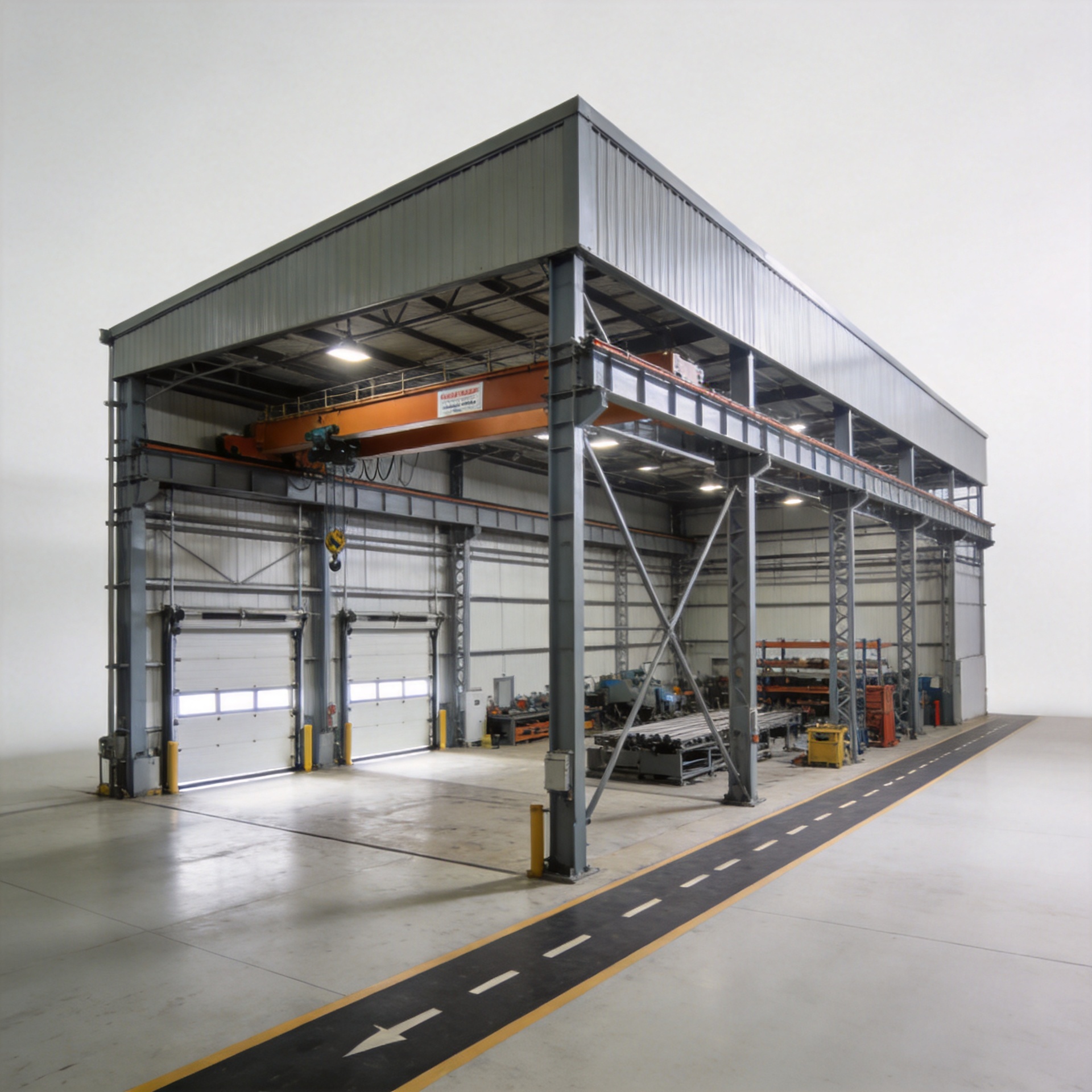
2026/10/26
Plan a warehouse workshop steel structure with smarter zoning, flow, clear height, crane, fire, and expansion decisions.
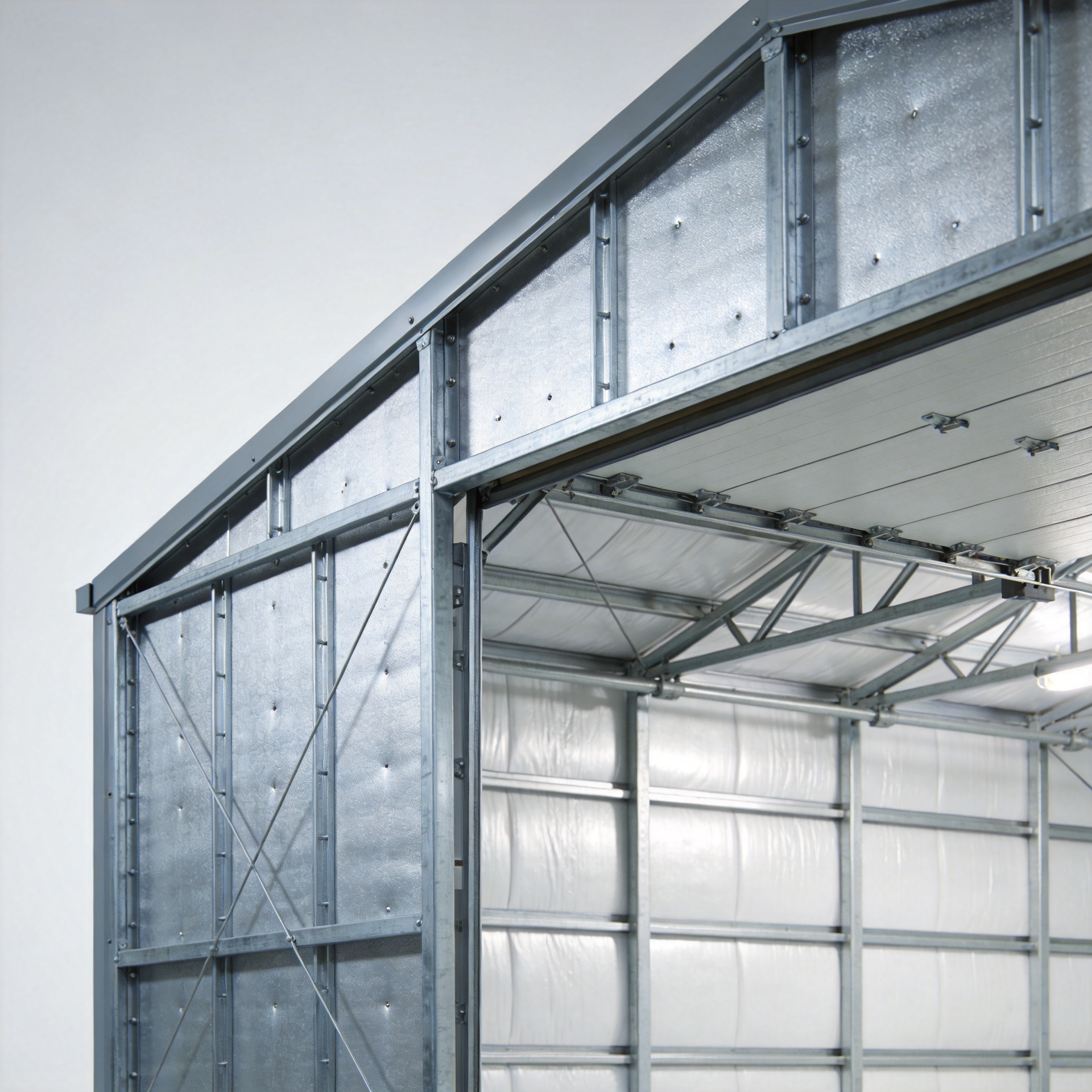
2026/10/26
Plan a cold storage steel structure with insulation, vapor control, thermal breaks, refrigeration interfaces and corrosion-ready details.
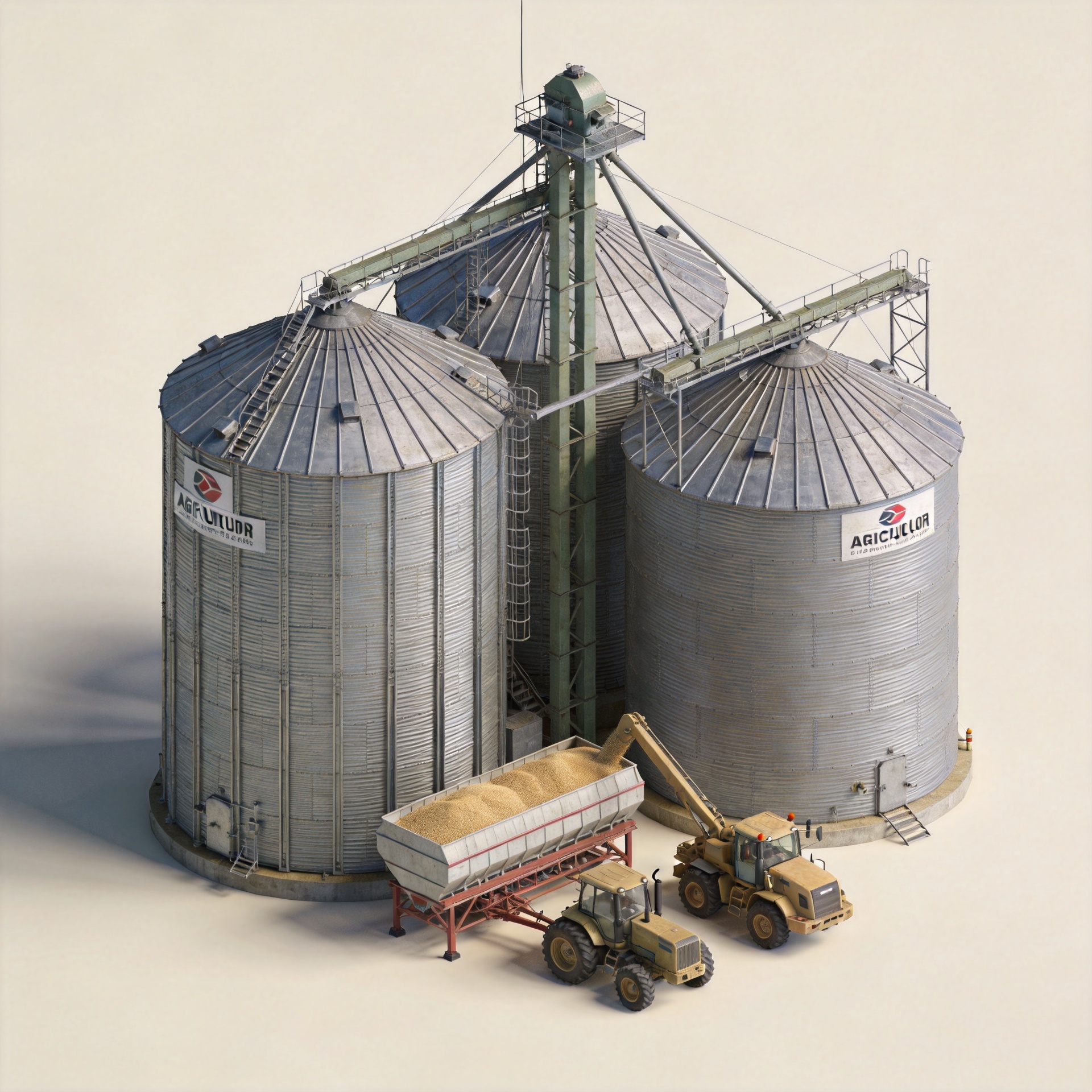
2026/10/26
Plan an agricultural steel structure that scales from machinery barn to storage and farm logistics hub with practical design and procurement steps.
2026/10/26
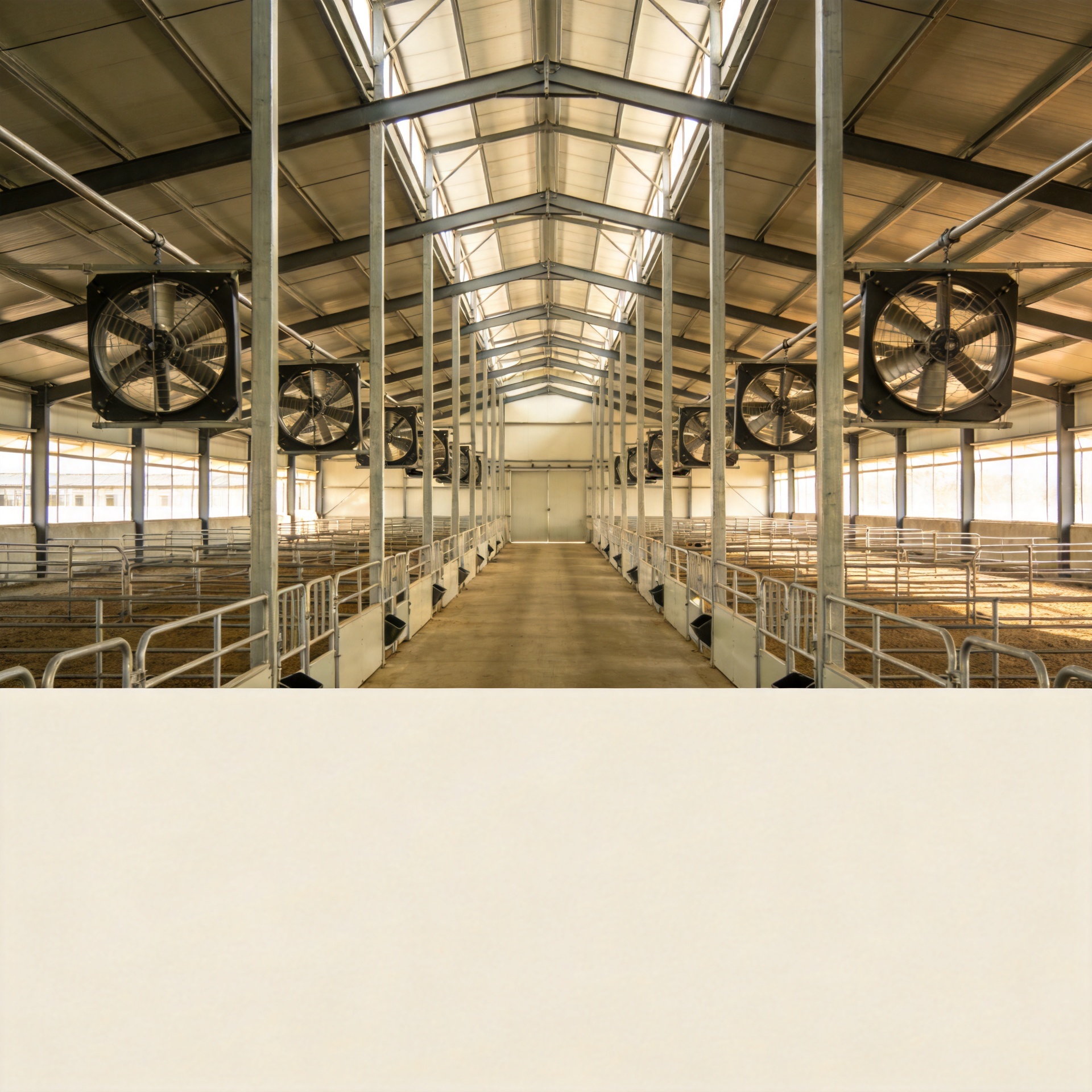
Plan a livestock steel structure for welfare, corrosion resistance, fire considerations, and efficient design-to-delivery decisions.
2026/10/26
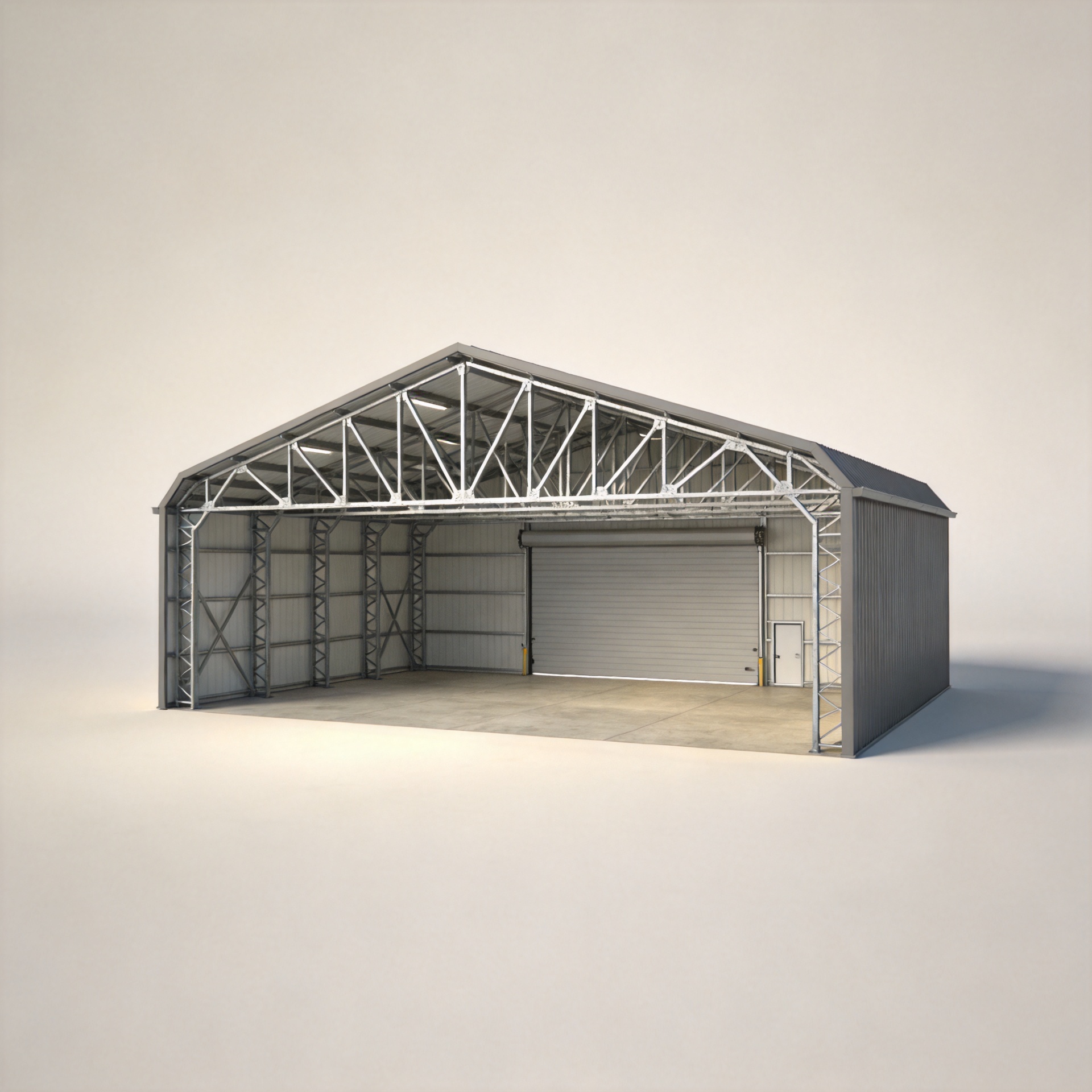
Plan an aircraft steel structure for hangars and support facilities with guidance on loads, corrosion, fire, EN 1090, and delivery milestones.
2026/10/26
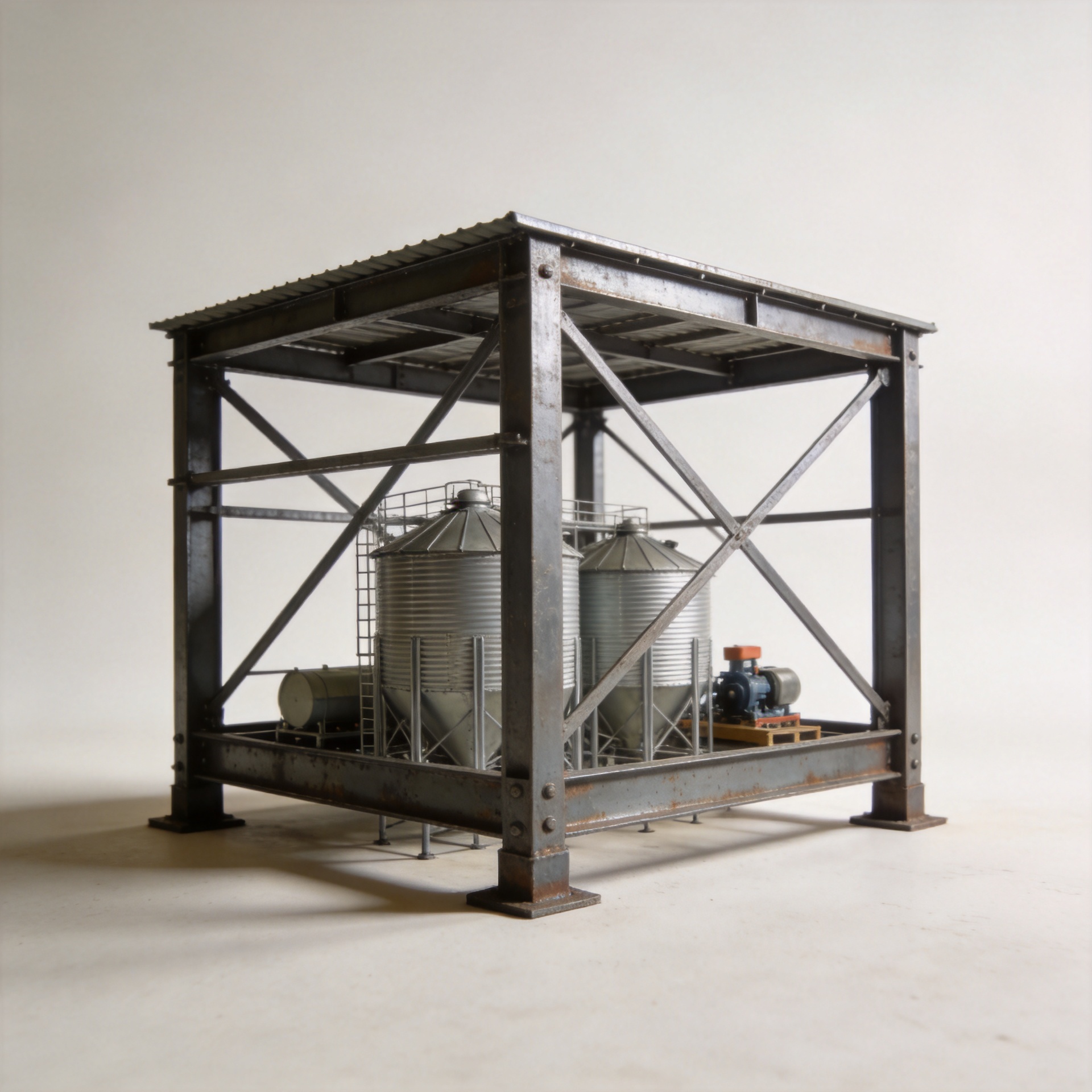
Choose a farm steel structure for agricultural storage with practical guidance on loads, corrosion, compliance, and delivery planning.
