 EN
Warehouse-Workshop Steel Structures: Dual-Use Design
2026/10/26
Plan a warehouse workshop steel structure with smarter zoning, flow, clear height, crane, fire, and expansion decisions.

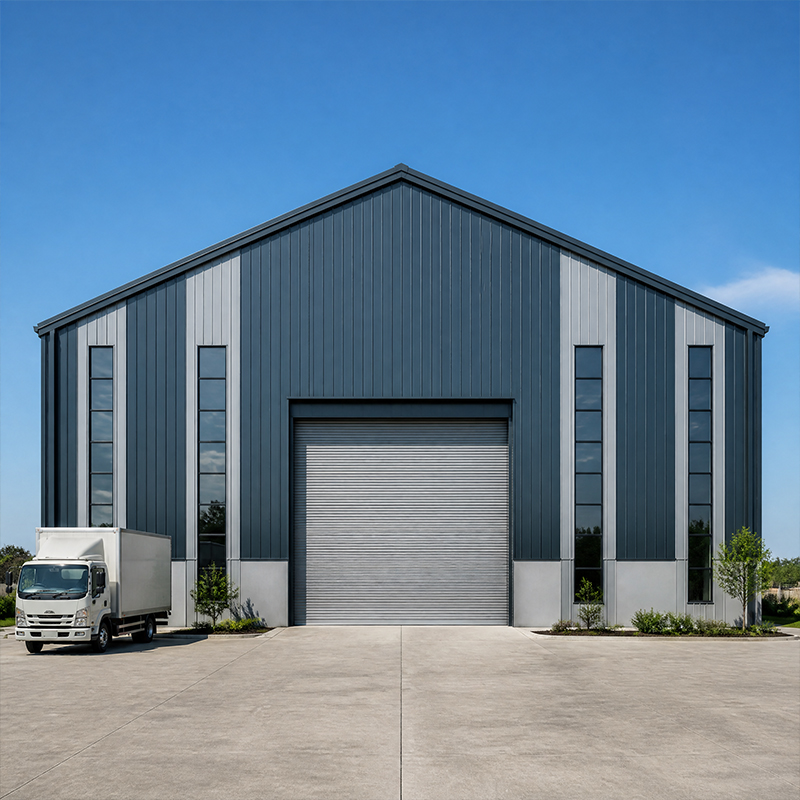
Industrial cold storage demands a building envelope that holds temperature without bleeding energy. A refrigerated facility paid for by compressors running around the clock cannot tolerate a weak shell. The steel structure sets the geometry, while the insulated panel system decides how much cooling survives the walls. Getting those two layers to work as one system is the foundation of any efficient refrigerated building.
Industrial cold storage fails most often at the points where steel meets steel. A primary frame, purlins and cladding rails conduct heat straight through the wall, creating cold spots that drip condensation. When those bridges sit inside a freezer envelope, frost forms, insulation wets and the refrigeration plant works harder. Designing the envelope around the structure, rather than taping panels over it afterward, is the difference between a stable box and a constant fight against load.
A clear-span portal frame removes interior columns that otherwise pierce the insulation line and demand custom flashing. Fewer penetrations mean fewer thermal leaks. Spacing the frames to match panel module widths also reduces offcut waste and joint lines where air sneaks through. The structural grid therefore drives both first cost and lifetime energy. Wide bays up to 60 m let racking run uninterrupted, but the engineer must balance span weight against the cooling budget. Industrial cold storage built on a tidy grid stays cheaper to run than one planned around random column positions.
Polyisocyanurate, or PIR, carries a far higher R-value per millimeter than mineral wool, which matters when wall thickness eats into usable floor area. Below freezing, rock wool can hold moisture that slowly degrades performance; PIR's closed-cell foam stays dry and dimensionally stable. A 150 mm PIR sandwich panel typically covers the temperature swing from ambient to minus 25 degrees without a second skin. That single-layer solution simplifies detailing and trims the construction program. For most industrial cold storage envelopes, PIR remains the practical default where pure thermal duty is the goal.
Specifying panel thickness starts with the target setpoint, not a catalogue number. A chilled distribution hub at plus four degrees needs less insulation than a blast freezer at minus 30. Each extra ten millimeters of PIR buys a measurable drop in heat flux, but returns diminish past a point where steel and handling costs rise. A practical rule links operating band to a U-value target, then selects the thinnest panel that meets it. Oversizing wastes cubic meters; undersizing wastes electricity forever. The thermal calculation should be done before the envelope is ordered.
Warm, humid outside air is the enemy of any cold envelope. Once it reaches a cold surface it condenses, then freezes, then pries panels apart. A continuous vapor barrier on the warm side, married to tongue-and-groove panel joints and sealed fixings, stops migration before it starts. Tape and gasket quality matter more than the brand of steel. Site crews should pressure-test the sealed box with a blower door before mechanical fit-out, because leaks found later cost ten times more to chase. Well-detailed industrial cold storage keeps the vapor path unbroken from floor to roof.
Even a perfect wall leaks at its edges. Cladding rails, door frames and pipe penetrations concentrate heat flow unless isolated with thermal breaks. Dock doors deserve air curtains and vestibules; a single propped-open portal can erase a day of cooling. Penetrations for refrigeration lines need pre-formed collars rather than field-cut holes. Treating every junction as a potential bridge keeps the envelope honest and the energy meter calm. In any industrial cold storage project, edge detailing decides whether the insulation performs as tested or as hoped.
A Shenyang grain handler stored maize in a conventional shed where summer humidity triggered mold and weight loss. The operator needed steady low temperature without a full concrete cold store. A prefabricated steel envelope clad in 150 mm PIR panels, on a Q355B portal frame with bolted connections, delivered a sealed box in weeks. Internal temperature held within a tight band through peak heat, and spoilage claims dropped sharply. Industrial cold storage built this way solved a real storage pain with a fast, repeatable method that the operator could trust.
Buyers should request the panel's tested U-value and fire classification, confirm EN 1090 execution class for the steel, and ask how joints and penetrations are thermally broken. Inspect the supplier's welding certification, such as ISO 3834, and demand shop drawings that show the vapor barrier path. Verify the coating system for the cold, damp atmosphere. A short checklist at tender stage separates envelopes engineered to perform from those that merely look the part, and protects the operating budget for years.
Industrial cold storage succeeds or fails at the junction of steel and insulation. A clear-span frame, PIR panels specified to the setpoint, sealed joints and disciplined detailing keep refrigeration load predictable. Treat the envelope as one system, verify it before fit-out, and the facility runs efficiently for decades. Choosing the right steel-and-panel partnership up front pays back through every kilowatt the compressors do not have to spend.
What panel thickness works for an industrial cold store?
Answer: Panel thickness depends on the target temperature. A chilled store at plus four degrees often uses 100 to 120 mm of PIR, while a minus 25 degree freezer needs 150 to 200 mm. The engineer should size to a U-value target, not copy a neighbour's building. Thinner panels save floor area but raise running cost. A tested maker value beats a rule of thumb for any industrial cold storage facility.
Why is PIR preferred over mineral wool for freezer walls?
Answer: PIR delivers higher insulation per millimeter, protecting usable space inside a freezer. Its closed-cell structure resists moisture, so performance stays stable below freezing where mineral wool can wet and decay. A single 150 mm PIR sandwich panel handles deep temperature swings without a second layer, simplifying joints and speeding erection. For pure thermal duty, PIR is the practical default in most cold envelopes where energy cost matters most.
How does a steel frame affect cold storage energy use?
Answer: A clear-span portal frame removes interior columns that would pierce insulation and demand custom flashing, so leak paths drop. Aligning frame spacing with panel modules cuts joint lines and offcuts. Heavier or poorly planned grids add steel weight and complicate the envelope, raising both build and cooling cost. Good structural layout is therefore the first step toward a low-energy cold store.
Which standards confirm a quality cold storage envelope?
Answer: EN 1090 sets the execution class for structural steelwork in Europe, while ISO 3834 covers welding quality and ISO 9001 the management system. CE marking shows compliance for the declared use. Panel fire and thermal performance should come from the maker's test reports. Specifying these standards at tender filters proper engineers from assemblers, protecting the buyer's long-term operating cost.
Can an existing steel building be converted into cold storage?
Answer: Many existing steel sheds accept a new insulated liner or PIR over-cladding to become a cold store. The frame must be checked for extra load and for thermal breaks at the rails. Vapor barrier continuity and door upgrades decide success more than the panels alone. A structural engineer should survey the shell before purchase, because hidden corrosion or weak foundations can outweigh any saving from reuse.
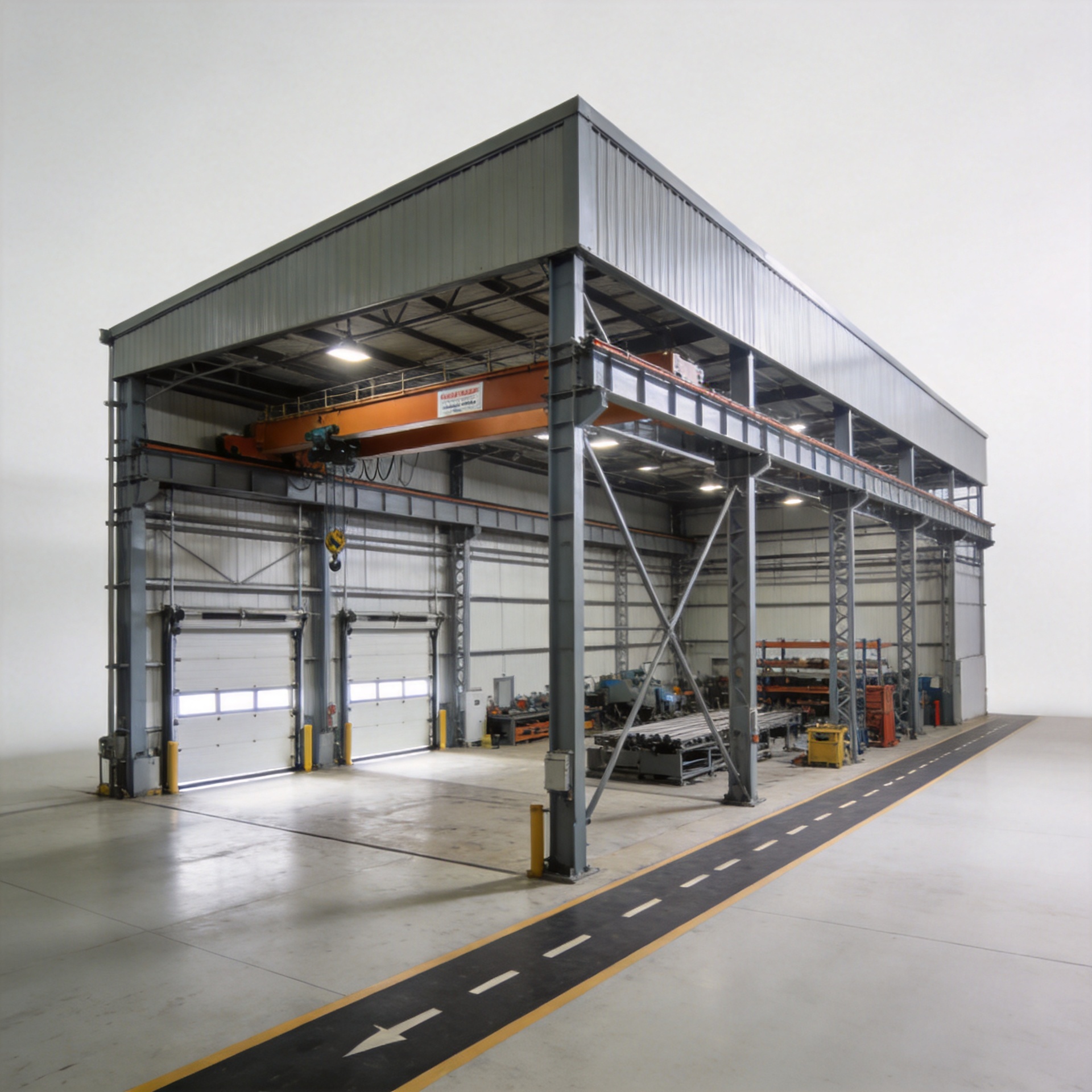
2026/10/26
Plan a warehouse workshop steel structure with smarter zoning, flow, clear height, crane, fire, and expansion decisions.
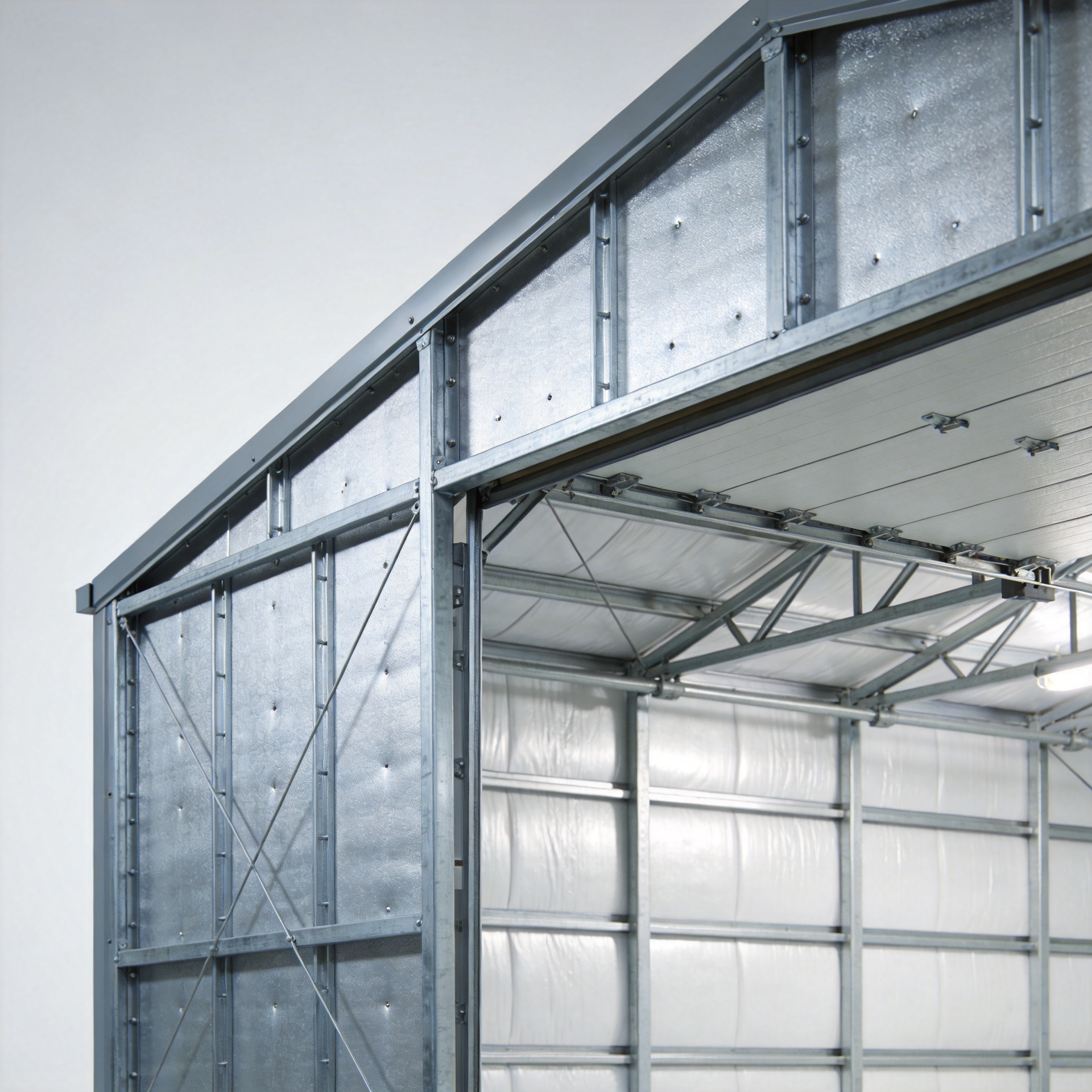
2026/10/26
Plan a cold storage steel structure with insulation, vapor control, thermal breaks, refrigeration interfaces and corrosion-ready details.
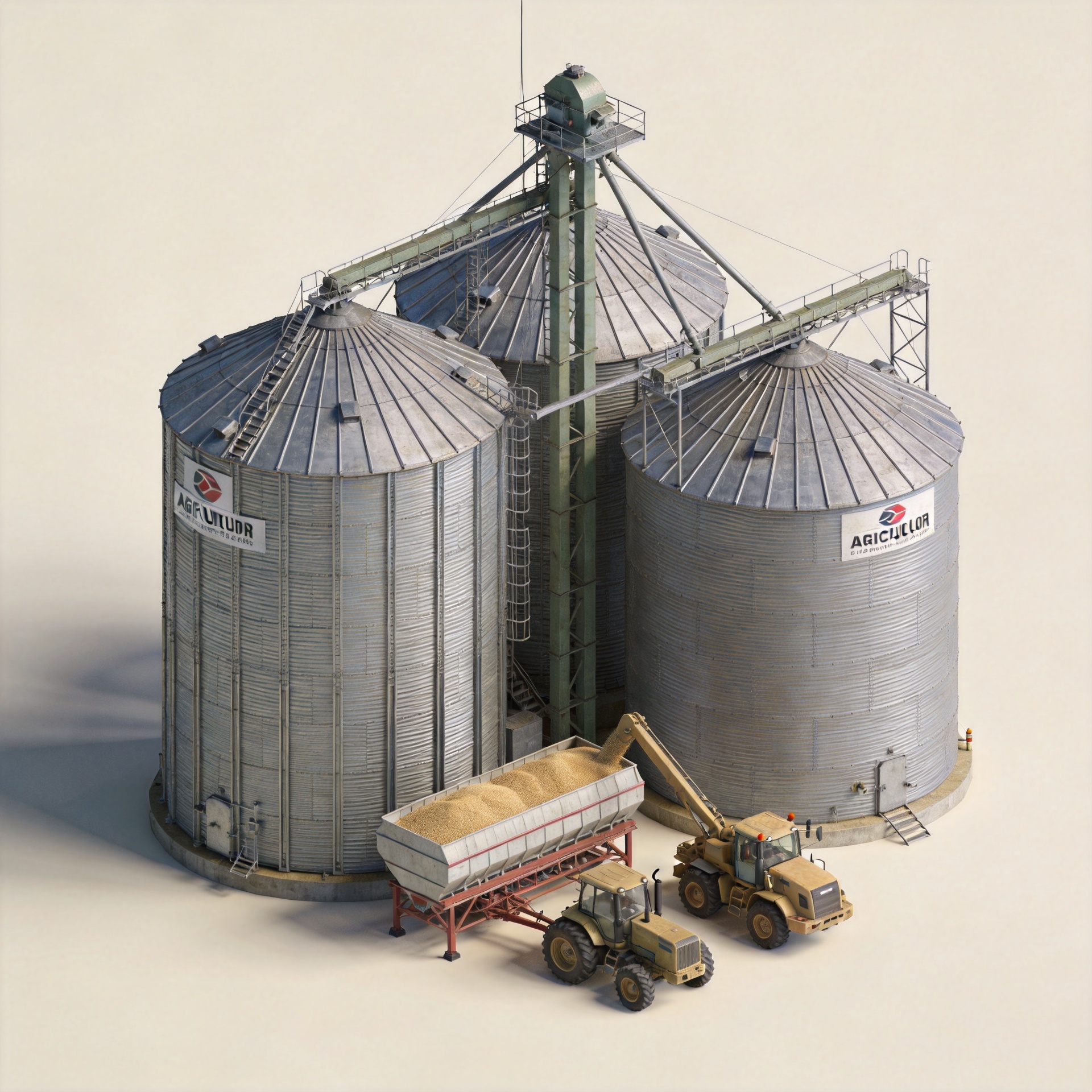
2026/10/26
Plan an agricultural steel structure that scales from machinery barn to storage and farm logistics hub with practical design and procurement steps.
2026/10/26
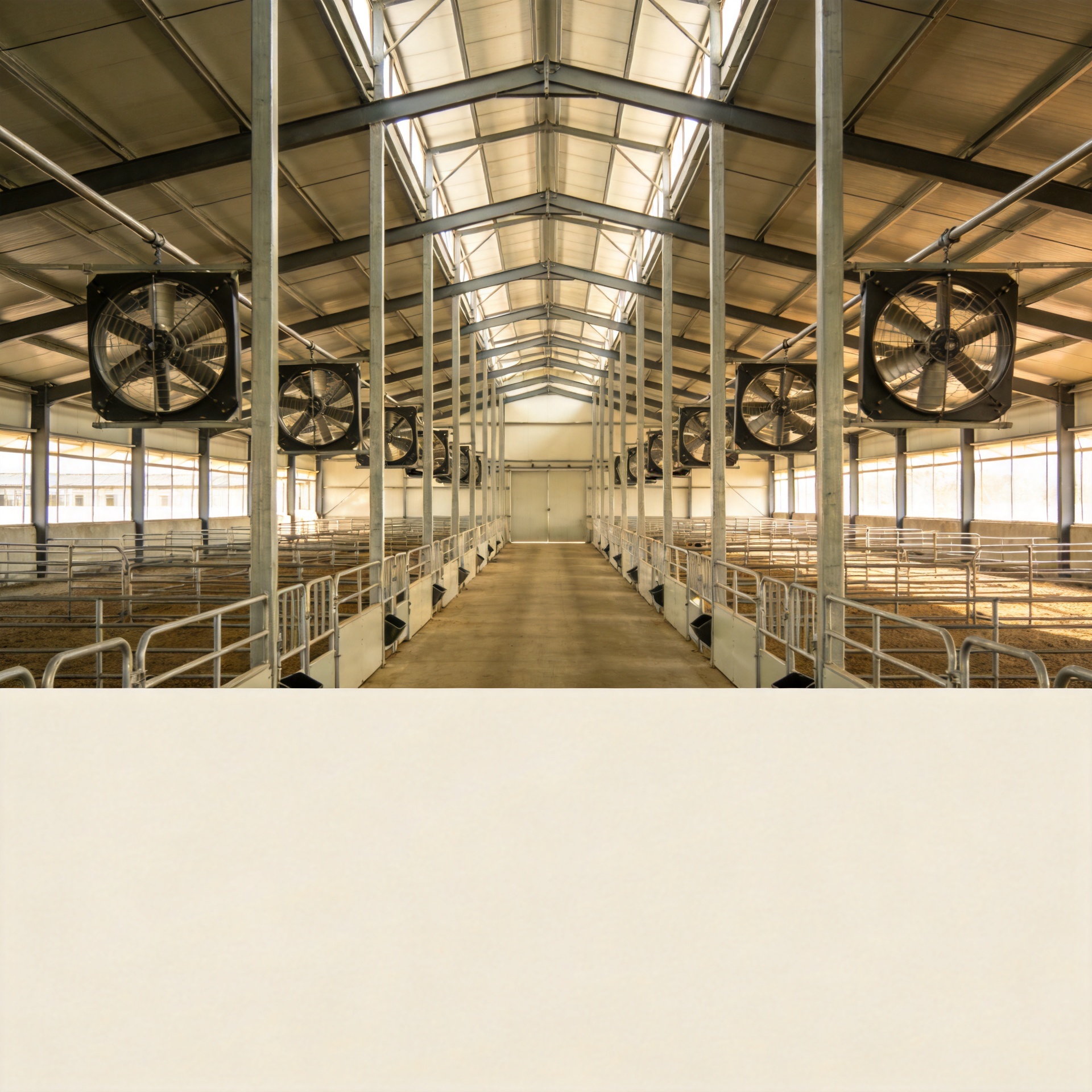
Plan a livestock steel structure for welfare, corrosion resistance, fire considerations, and efficient design-to-delivery decisions.
2026/10/26
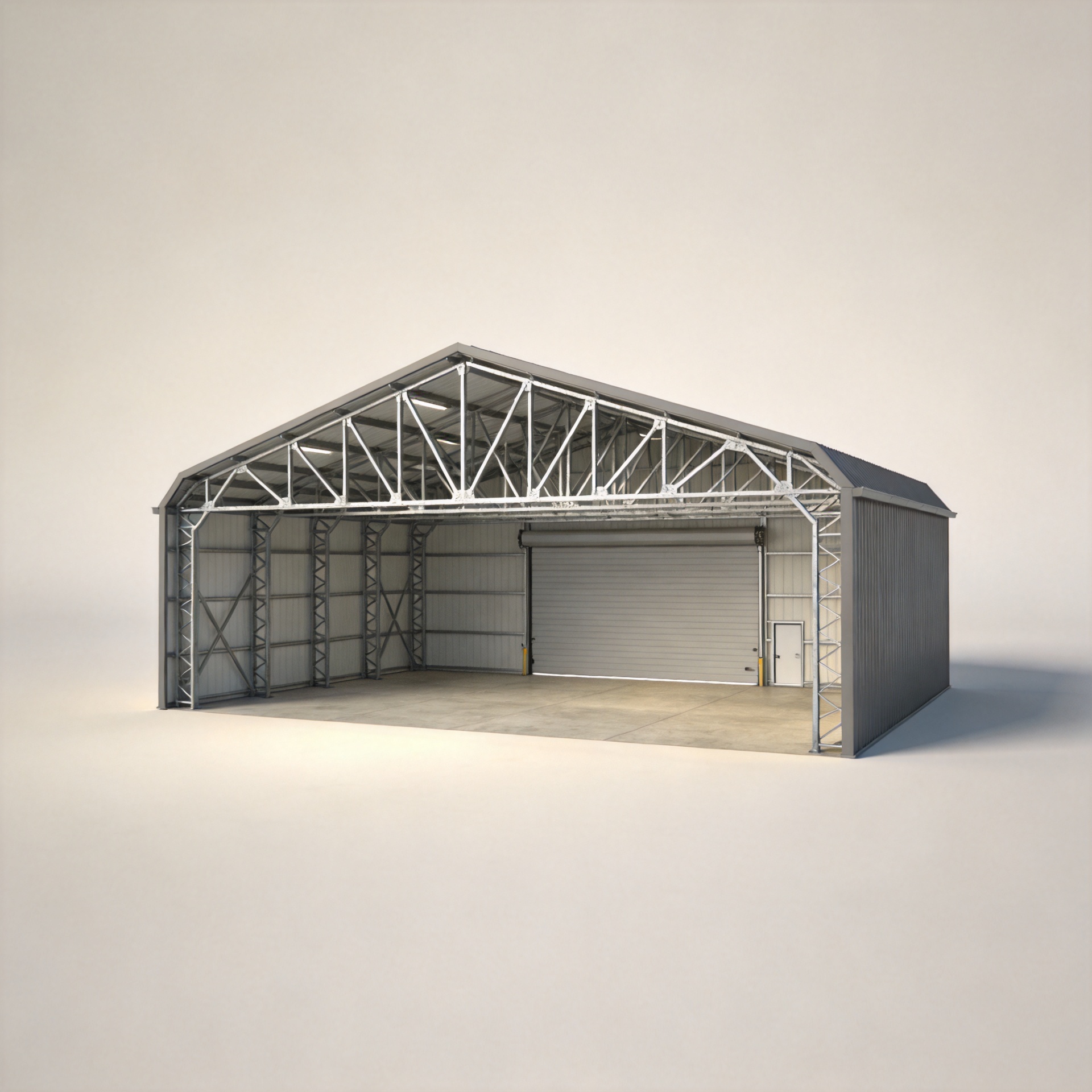
Plan an aircraft steel structure for hangars and support facilities with guidance on loads, corrosion, fire, EN 1090, and delivery milestones.
2026/10/26
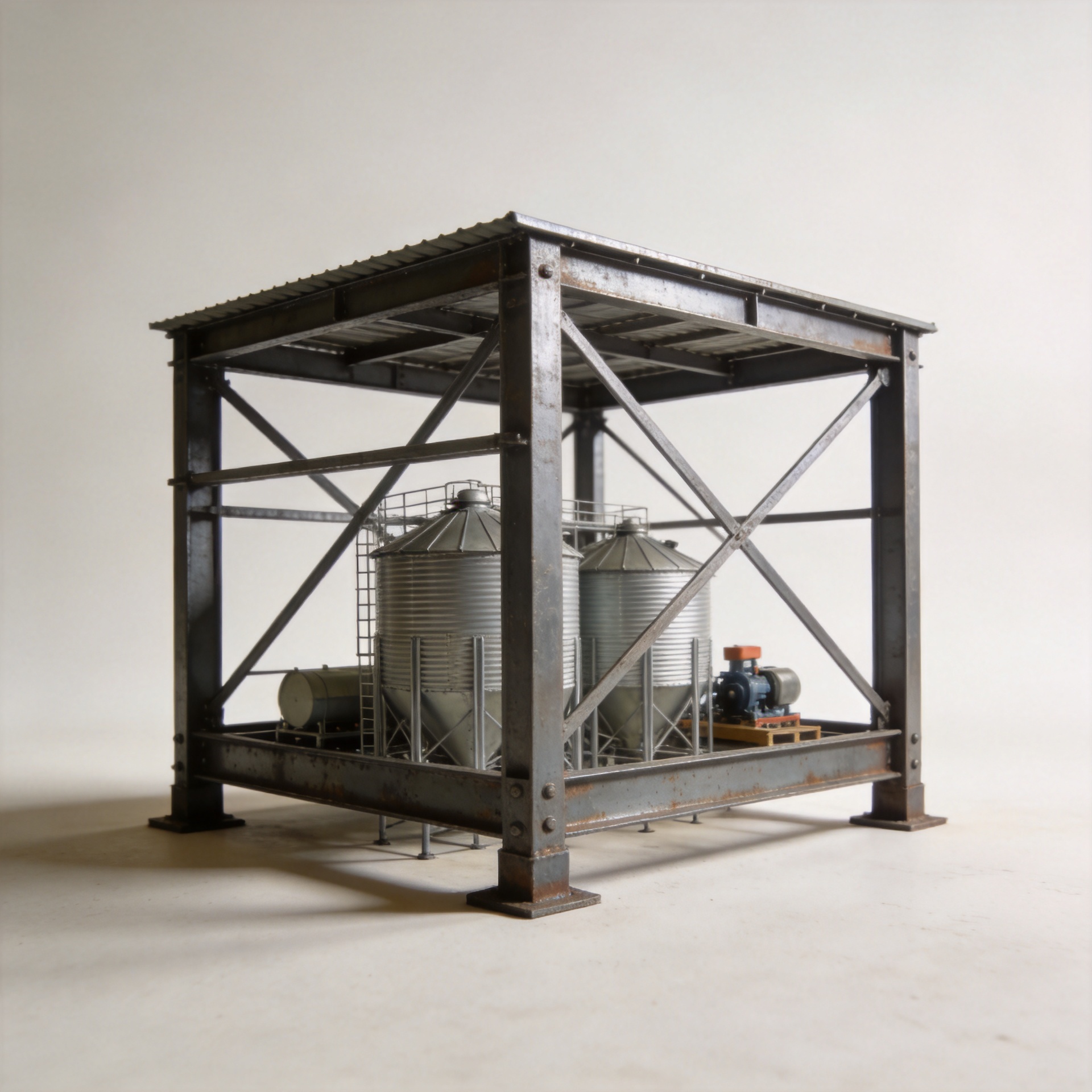
Choose a farm steel structure for agricultural storage with practical guidance on loads, corrosion, compliance, and delivery planning.
