 EN
Warehouse-Workshop Steel Structures: Dual-Use Design
2026/10/26
Plan a warehouse workshop steel structure with smarter zoning, flow, clear height, crane, fire, and expansion decisions.

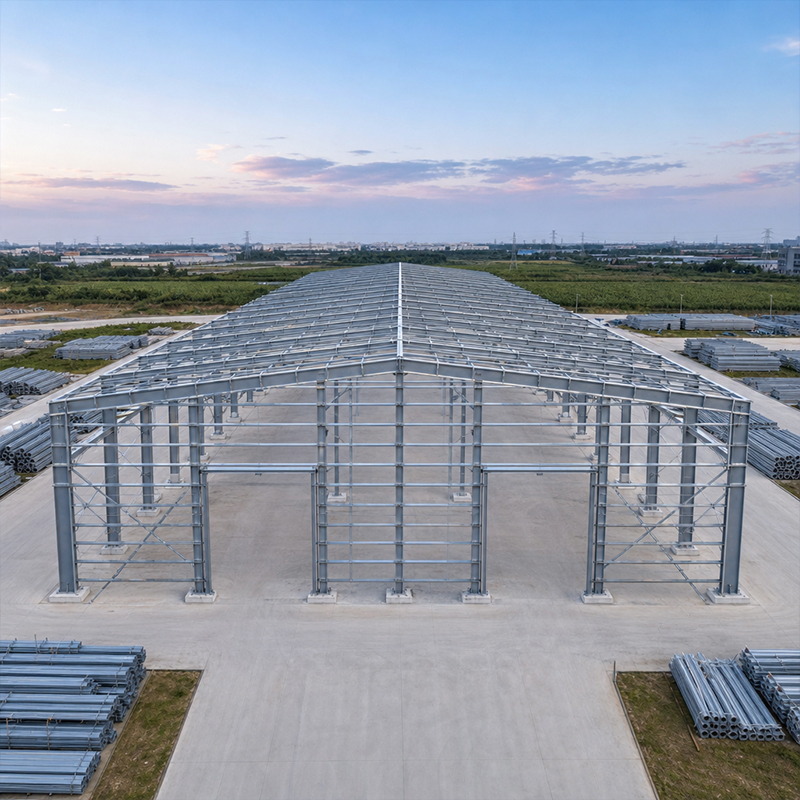
A galvanized steel structure protects itself from corrosion through a metallurgically bonded zinc layer rather than a film that can flake off. For buyers specifying buildings in humid, coastal or industrial atmospheres, that difference decides whether a frame needs repainting within five years or stays serviceable for decades. This guide explains how the protection works, what service life to expect, and how simple upkeep keeps the asset performing.
A galvanized steel structure relies on this bond for its everyday durability. The hot-dip process immerses cleaned steel in molten zinc near 450 °C. Heat drives a reaction that builds an iron-zinc alloy layer directly onto the base metal, then a pure zinc outer layer on top. Because the coating is bonded at the molecular level, it bends and flexes with the member instead of cracking. The result is a barrier that also works as a sacrificial layer—any scratch still leaves surrounding zinc to corrode first and shield the steel underneath. Unlike paint, the zinc reaches recesses and sharp edges that spray lines normally miss.
Coating thickness sets how long the shield lasts, and thickness grows with the steel section's weight-to-surface ratio. Thin components such as purlins receive a lighter coat than heavy columns, yet both follow predictable curves tied to section mass. In neutral salt-spray testing to ASTM B117, a typical 85 µm coating resists red rust for roughly 700 to 1,000 hours, while real atmospheric exposure lasts far longer because natural wet-dry cycles are milder than continuous mist. Specifiers should request measured thickness rather than assuming a uniform value across the whole frame. Thicker sections retain zinc longer because the same corrosion rate removes a smaller fraction of the layer each year. A design using heavier columns therefore buys extra margin in aggressive sites without changing the alloy.
Distance from the sea changes everything. A rural inland frame may see annual corrosion rates near 1–2 µm of zinc loss, while a salt-laden coastal site can triple that rate. Industrial zones with trapped moisture and pollutants sit between the two. A galvanized steel structure placed 500 m from breaking surf therefore outlasts an identical frame mounted on a dock by a wide margin, simply because the zinc depletes slower where salt deposition is low. A practical rule keeps the structure beyond the first dune line where wind-driven salt settles least. Even a short move inland can add many years before the first repair is needed.
Beyond salinity, drainage and trapped moisture dominate local performance. Crevices that hold water, overlapping plates without sealant, and ledges that collect debris create micro-environments where zinc thins fastest. Orientation matters too: north-facing surfaces in the northern hemisphere stay damp longer. For a galvanized steel structure, mapping these conditions during design lets engineers specify slightly heavier coatings only where the environment demands, avoiding cost on the rest of the frame.
Good galvanizing starts on the drawing board. Every closed box must have vent and drain holes so the zinc flows through and escapes cleanly; without them, trapped air or liquid ruins the finish. When a galvanized steel structure is detailed with proper venting, the entire member is coated as one piece, leaving no bare seams. Welds should be continuous and smooth, since rough beads leave thin spots. Bolted connections using 10.9S high-strength bolts keep the field work simple and let members be coated whole in the shop. Field cutting or drilling after galvanizing exposes bare steel and must be repaired with approved zinc-rich paint.
Specification quality is protected by recognized standards. ISO 1461 governs batch galvanizing of fabricated steel, while ASTM A123 covers zinc coatings in North America; EN 1090 and ISO 3834 govern the fabrication and welding quality behind the frame, and ISO 9001 confirms the plant's quality system. The durability of a galvanized steel structure also rests on steel cleanliness—low-silicon Q355B or Q355D grades react evenly and produce a smooth, well-bonded layer. Requesting mill certificates plus coating-thickness reports turns compliance from a promise into a checked record. A short factory visit or third-party inspection before shipment confirms the bath chemistry and dipping procedure are controlled, closing the gap between paperwork and actual quality.
Most failures begin at edges, bolt holes, and areas where water lingers. A yearly walk-through should focus on roof eaves, gutter connections, base plates near grade, and any repaired field cuts. Measuring remaining zinc with a magnetic gauge at those points shows the depletion trend years before red rust appears. Catching a thin zone early means a small touch-up, not a full blast-and-coat program later. Photographing the same details each year builds a comparison record that makes slow changes obvious. Sites with acidic runoff or fertilizer dust should inspect twice a year, since those agents attack zinc faster than clean rain.
Upkeep stays cheap when started early. Removing debris from ledges and ensuring downpipes flow prevents the standing water that accelerates loss. Touch-up of damaged spots with brush-applied zinc paint restores the sacrificial barrier within a day. A galvanized steel structure that receives this light attention typically serves 30 to 50 years in moderate climates, and even harsh coastal sites reach two decades before any major intervention.
Selecting a galvanized steel structure is less about a single coating number and more about matching thickness, environment and inspection into one plan. With hot-dip bonding, sensible drainage and a light yearly check, the frame delivers decades of anti-rust performance and low lifetime cost—exactly what industrial owners need from a long-lived asset.
How is hot-dip galvanizing applied to a steel frame?
Answer: The process starts with degreasing and pickling to expose clean steel, followed by fluxing and immersion in molten zinc at about 450 °C. A metallurgically bonded zinc coating then forms on every immersed surface, including inside hollow sections when vent and drain holes are provided. A galvanized steel structure leaves the bath with a uniform, durable barrier that protects edges and corners that paint normally misses.
What service life can a galvanized coating deliver?
Answer: In rural atmospheres a properly coated frame often serves 50 years or more before first maintenance, while industrial and urban sites typically reach 30 to 40 years. Coastal locations with heavy salt spray shorten that range to roughly 20 years. Actual duration depends on coating thickness, local pollution and drainage design rather than on the material alone.
Does galvanizing remove the need for maintenance?
Answer: Galvanizing greatly reduces maintenance but does not eliminate it. A yearly visual check of eaves, base plates and any field-cut edges catches early zinc loss before red rust forms. Debris should be cleared from ledges and downpipes kept flowing so water does not pool. Small damaged spots are repaired with zinc-rich paint. This light routine extends the coating's useful life by many years at low cost.
How is coating thickness verified on delivery?
Answer: Thickness is confirmed with a magnetic gauge at multiple points on columns, beams and purlins, then compared against the specified standard such as ISO 1461 or ASTM A123. Minimum local and average values must both pass, not just a single spot. Reputable suppliers provide a coating-thickness report and mill certificates alongside the shipment. Insisting on this documentation during procurement prevents disputes and proves the corrosion protection was actually delivered.
Can damaged galvanized areas be repaired?
Answer: Yes. Any cut, weld or scratch that exposes bare steel is cleaned, degreased and brushed with a zinc-rich paint or a low-melt zinc solder stick. The repair restores the sacrificial barrier at the exact spot. For small areas this is a quick site task needing no full re-coating. Large-scale damage across a whole member is rare and would instead call for replacement or shop re-galvanizing.
2026/10/26
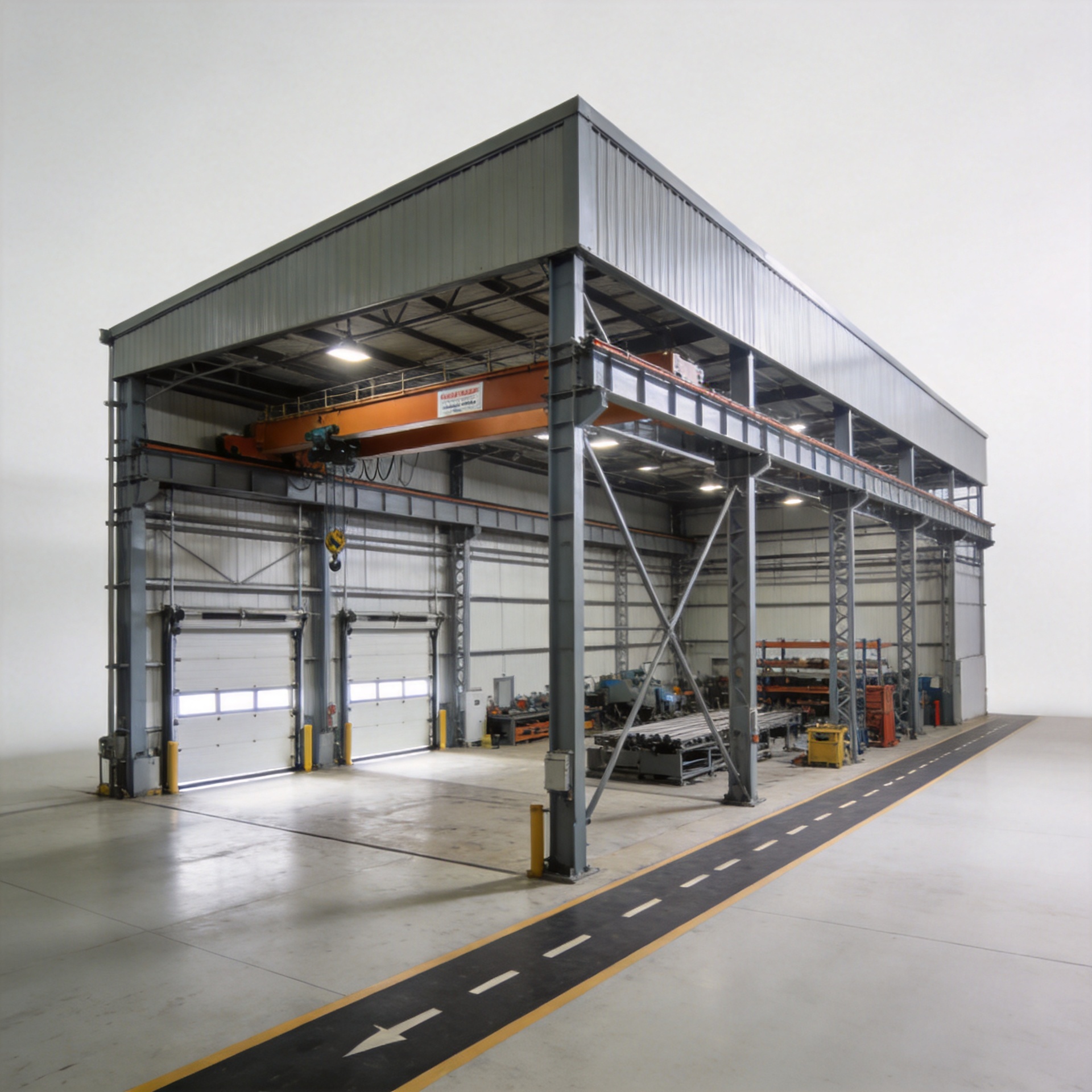
Plan a warehouse workshop steel structure with smarter zoning, flow, clear height, crane, fire, and expansion decisions.
2026/10/26
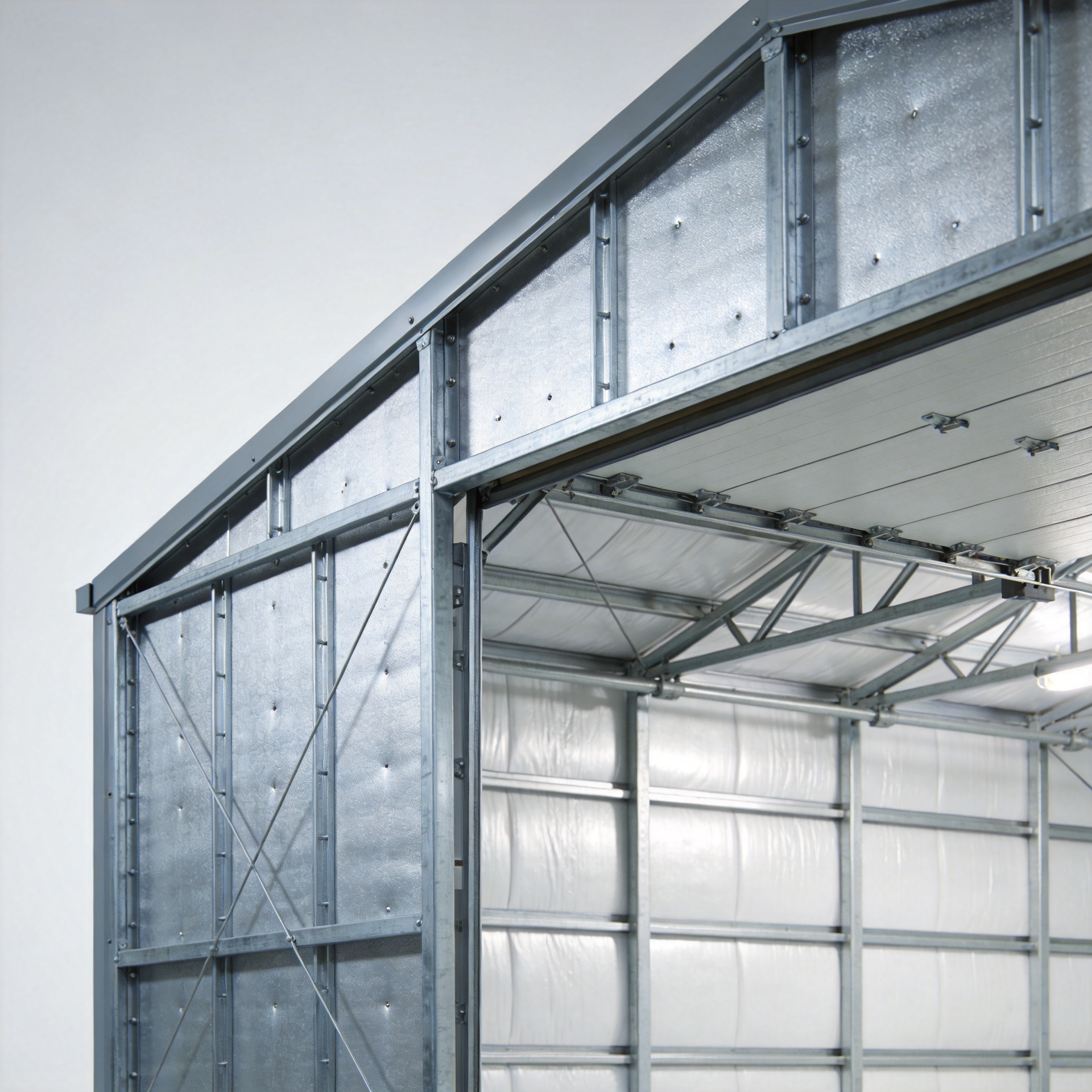
Plan a cold storage steel structure with insulation, vapor control, thermal breaks, refrigeration interfaces and corrosion-ready details.
2026/10/26
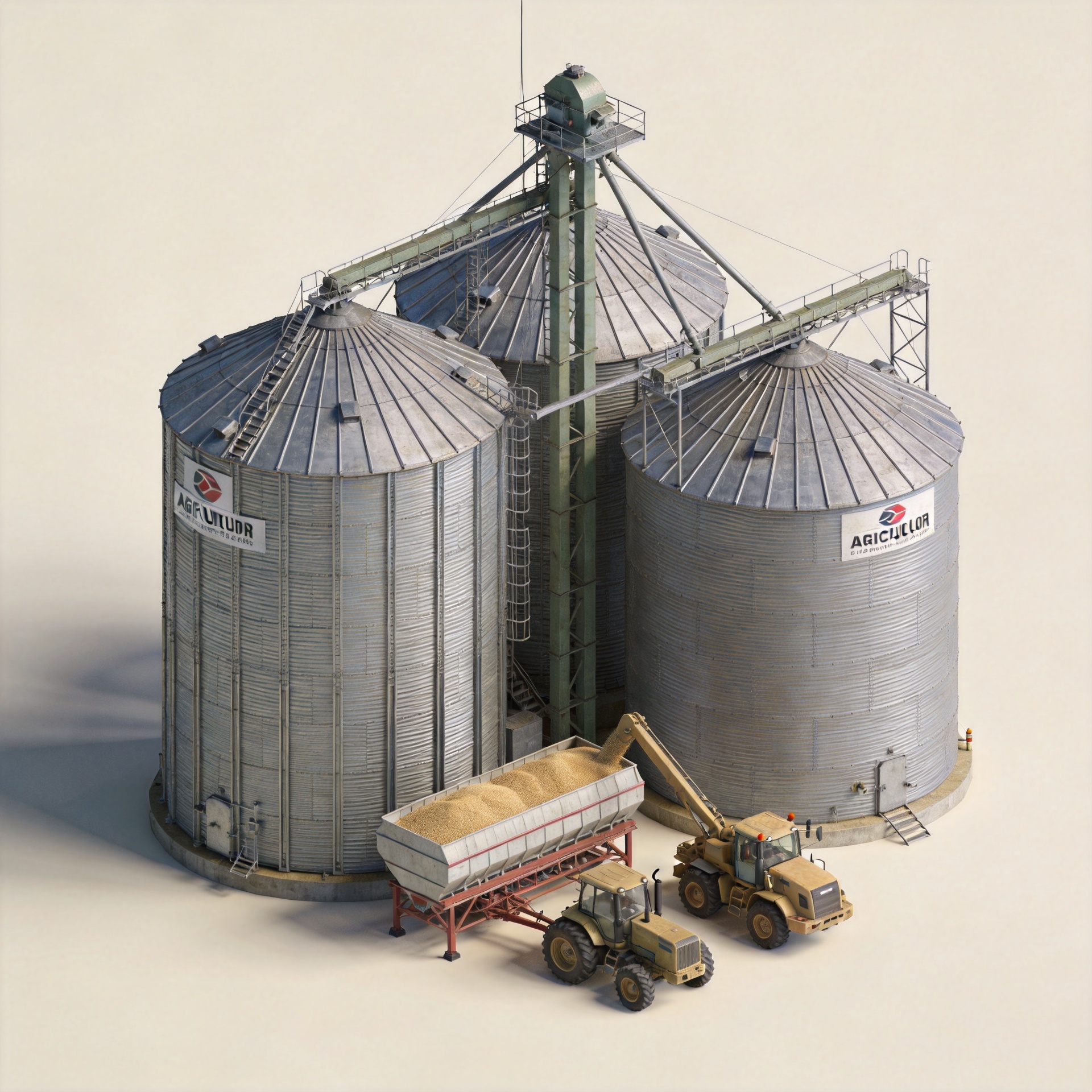
Plan an agricultural steel structure that scales from machinery barn to storage and farm logistics hub with practical design and procurement steps.
2026/10/26
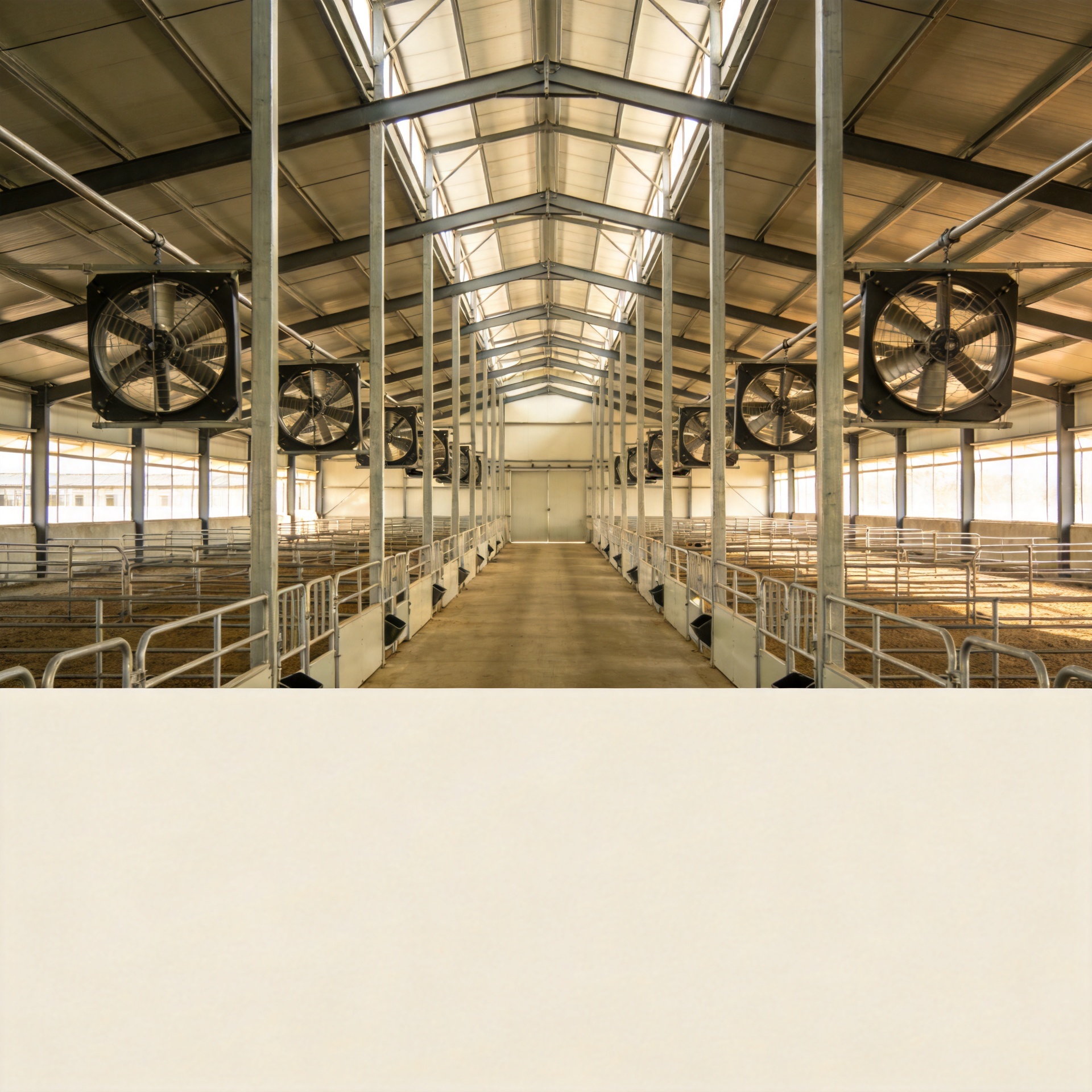
Plan a livestock steel structure for welfare, corrosion resistance, fire considerations, and efficient design-to-delivery decisions.
2026/10/26
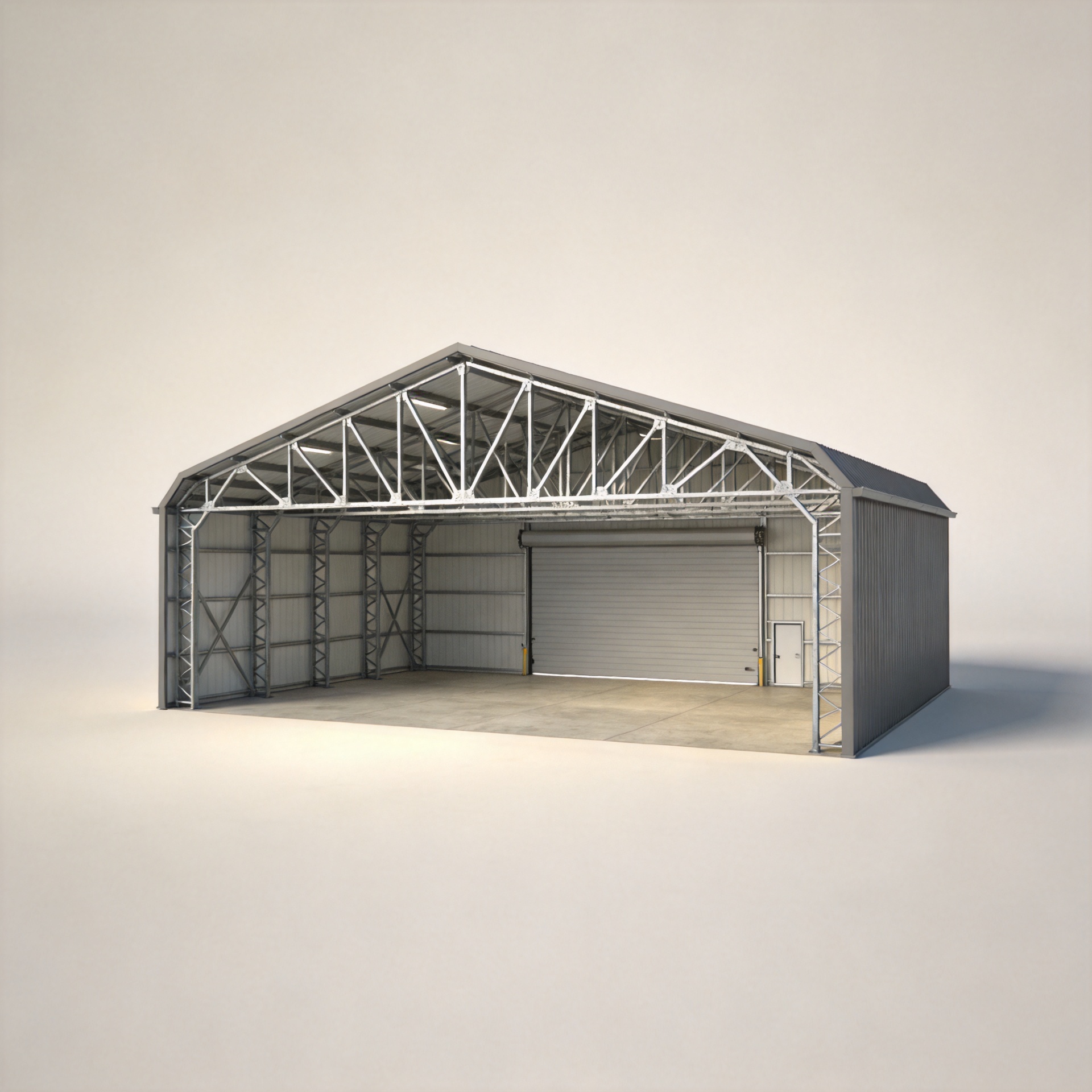
Plan an aircraft steel structure for hangars and support facilities with guidance on loads, corrosion, fire, EN 1090, and delivery milestones.
2026/10/26
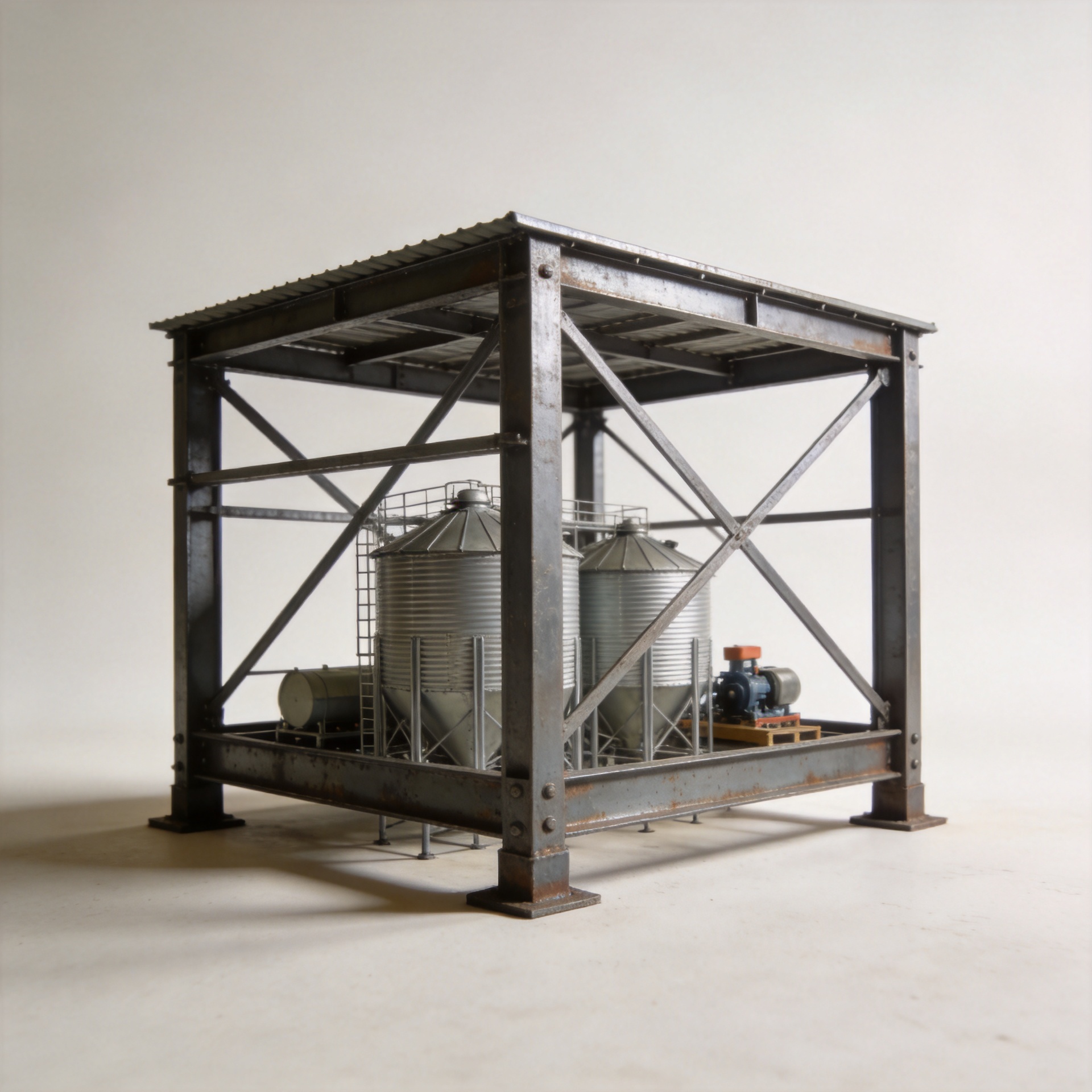
Choose a farm steel structure for agricultural storage with practical guidance on loads, corrosion, compliance, and delivery planning.
