Product Overview
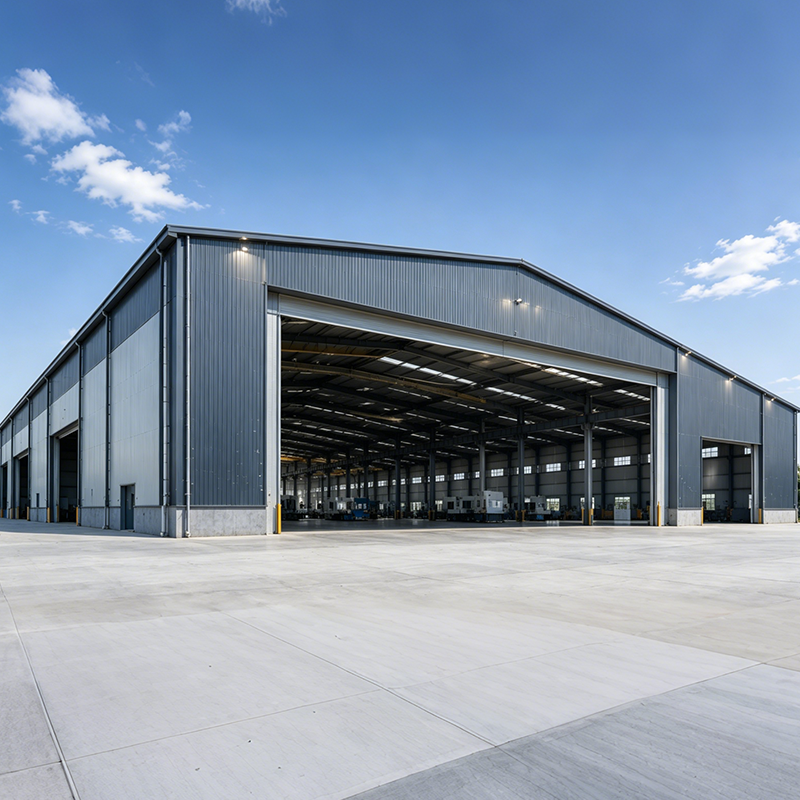
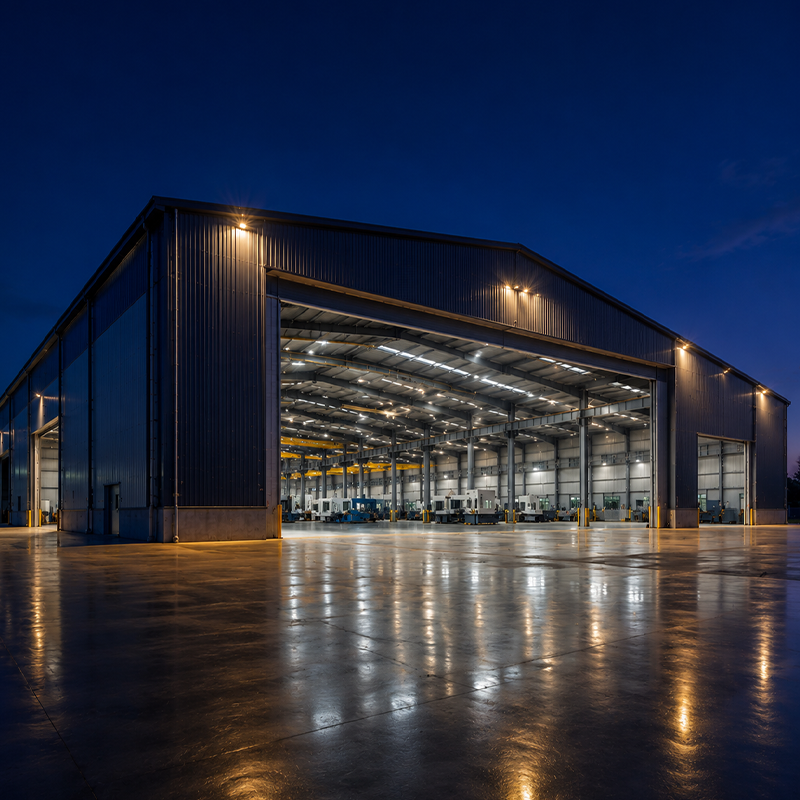
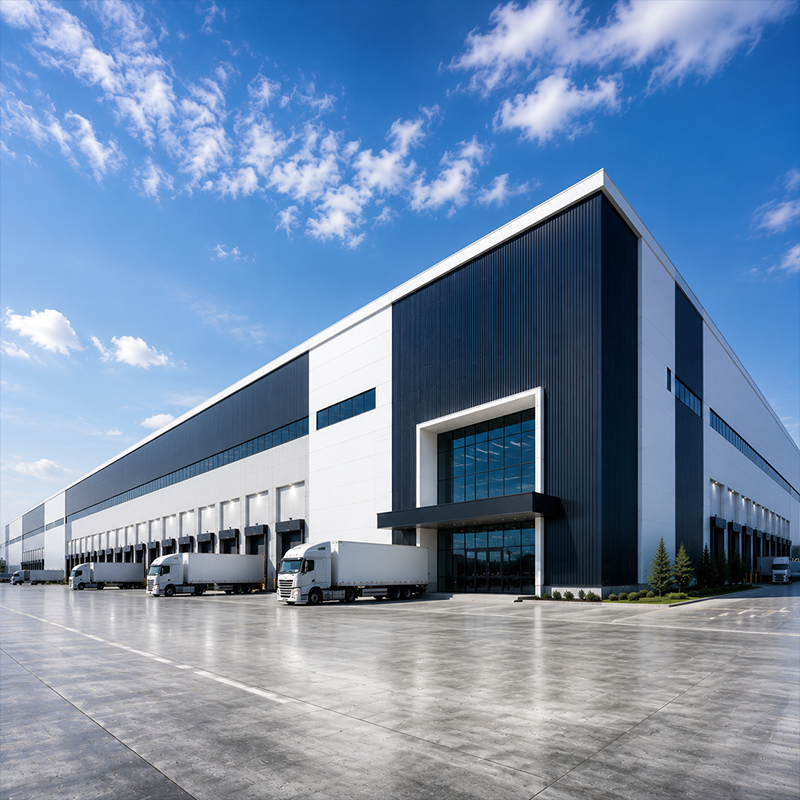
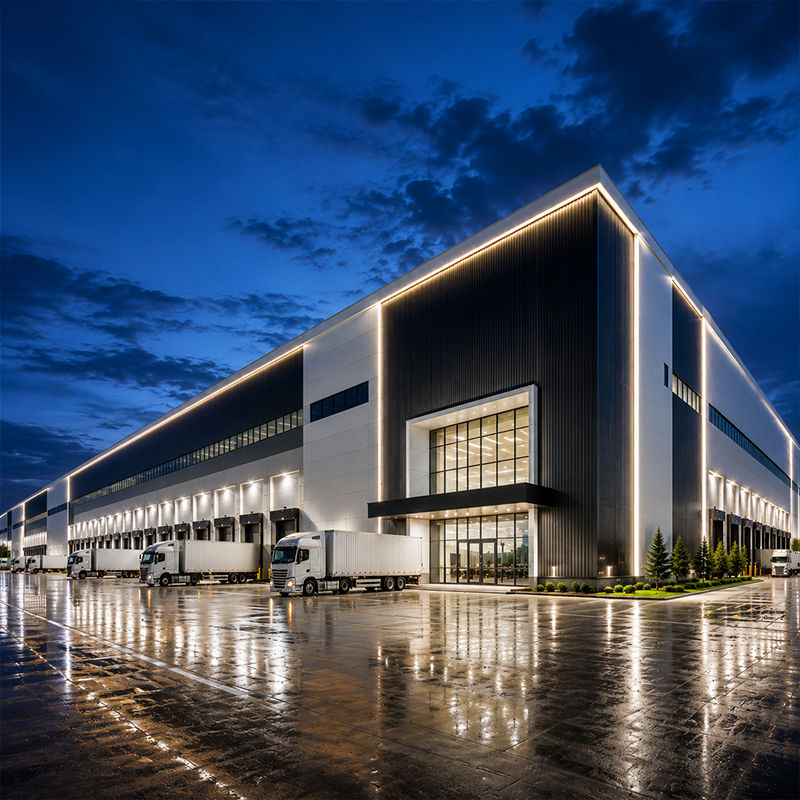
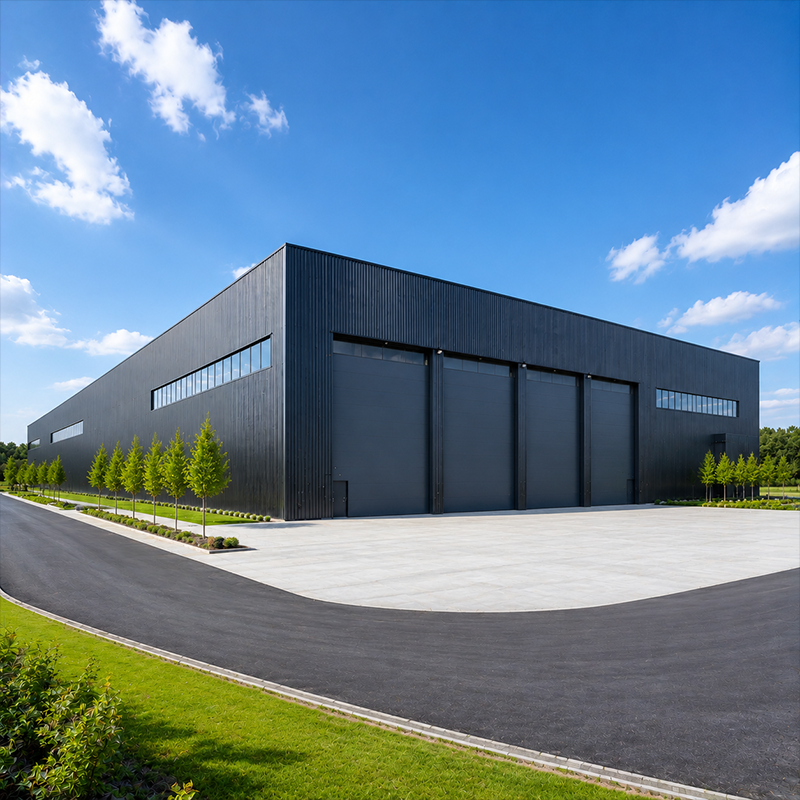
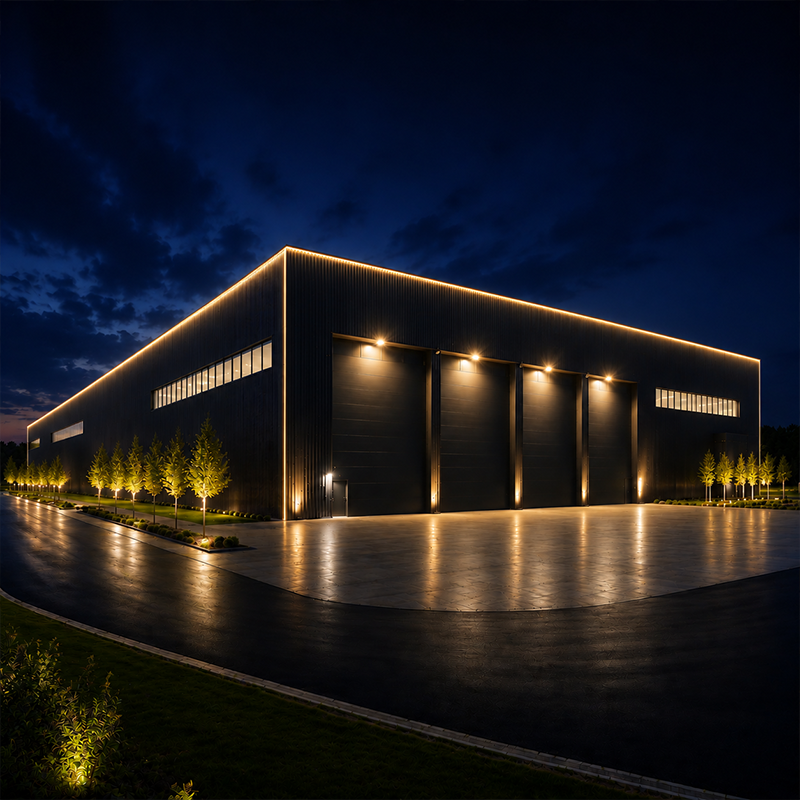
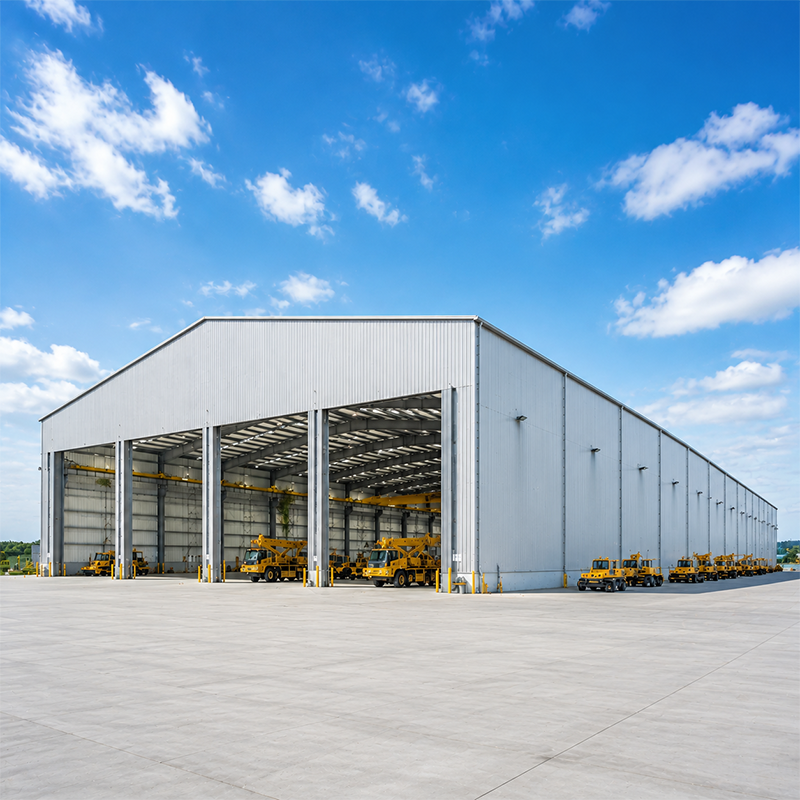
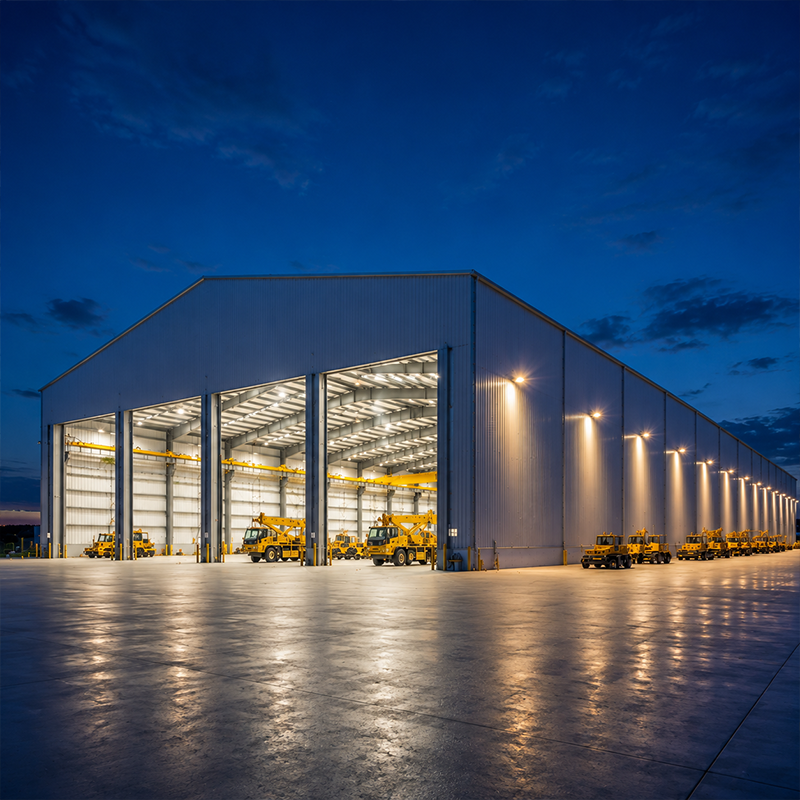
In sectors where structural failure translates directly to operational shutdown — CNC precision machining, heavy crane assembly, aviation maintenance, and large-format logistics — the specification of a standard industrial workshop demands engineering rigor that goes beyond standard catalog solutions. Jinnuoda builds every prefabricated steel building under EN 1090 EXC2/EXC3 certification and ISO 3834-2 welding quality control, using Q355B high-strength structural steel with a 100% full-bolt connection system that removes on-site welding from the critical path entirely. Every industrial manufacturing facility Jinnuoda delivers is designed against the 50-year return period wind and snow loads specific to the project coordinates — not regional defaults — then verified through Tekla or SAP2000 finite-element analysis before shop drawings are approved. The complete heavy-duty industrial workshop arrives pre-drilled, pre-labeled, and steel-skid packaged for forklift unloading, enabling local erection crews to complete the primary frame without specialized welding labor or on-site NDT requirements.
Engineering Advantages
1. EN 1090 & ISO 3834-2 Certified Manufacturing Process
Steel structure certification gaps are invisible until a technical audit or insurance claim surfaces them. EN 1090 EXC2 applies to standard structural execution and covers the requirements of most single-story standard industrial workshop projects. EXC3 applies when consequence class CC2 elevates the project risk profile — common in any industrial manufacturing facility supporting high-speed overhead cranes, seismic-zone foundations, or fatigue-sensitive secondary structure. Jinnuoda holds CE marking under both EN 1090 EXC2 and EXC3, removing the third-party recertification step that delays export procurement timelines by months. ISO 3834-2 governs every weld in the prefabricated steel building: full WPS, WPQR, and NDT documentation is issued for each production batch, giving EPC procurement and site inspection teams a complete traceability record from raw material certification through to final connection torque logs.
2. Q355B Steel Frame and Full-Bolt Connection System
Q355B structural steel — equivalent to S355JR under EN 10025 and ASTM A572 Grade 50 — delivers a guaranteed yield strength of 345 MPa and tensile range of 470–630 MPa. In a standard industrial workshop supporting 20-ton overhead cranes and vibration-sensitive production equipment, this grade selection matters structurally: Q355B allows shallower tapered column and rafter sections for the same clear span versus Q235B alternatives, cutting structural dead weight by 8–12% without reducing load capacity. Every heavy-duty industrial workshop member at Jinnuoda undergoes Sa2.5 shot blast preparation, then receives a two-coat Epoxy Zinc-Rich primer at 80 μm DFT total plus alkyd or epoxy topcoat — reaching ≥120 μm total DFT and ISO 12944-5 C3 durability rating. The full-bolt connection system uses precision-machined end-plate flanges and grade 10.9 high-strength bolts torqued to proof load, achieving joint rigidity equivalent to full-penetration field welds — with zero heat-affected zones and 100% field inspectability via calibrated torque wrench.
3. Site-Specific 50-Year Recurrence Load Engineering
Generic load assumptions are the most common hidden deficiency in exported prefabricated steel buildings. A standard industrial workshop designed for Central European ground snow levels will not satisfy Canadian or northeastern China winter load requirements — yet many supplier quotations apply a single standard product globally without site-specific engineering review. Jinnuoda's structural team extracts 50-year return period wind pressure and ground snow load values from site-specific meteorological databases, then applies ASCE 7, EN 1991, or GB 50009 calculations per the destination structural code. For coastal or typhoon-risk locations, local pressure coefficients and cladding fixing uplift forces are calculated as separate load cases. The industrial manufacturing facility frame is internally peer-reviewed before shop drawings are released — ensuring the heavy-duty industrial workshop satisfies local authority structural approval on the first submission, without post-submission redesign delays.
Technical Specifications
| Feature |
Specification Details |
| Primary Framework |
High-strength Q355B Steel (Yield strength ≥345 MPa) |
| Connection Method |
100% Full-Bolt Connection (Precision Machined) |
| Welding Standard |
ISO 3834-2 / EN ISO 9606-1 (European Standard) |
| Certifications |
CE, ISO 9001, EN 1090 (EXC2/EXC3) |
| Design Life |
50 Years (Standard Design) |
| Span & Height |
36m Clear Span / 18m Eave Height |
| Cladding System |
Flexible: Sandwich Panels or Single Steel Sheet (Budget-based) |
| MOQ |
500 Square Meters |
Key Application Sectors
Jinnuoda's standard industrial workshop and prefabricated steel building systems serve four end-use sectors where structural performance and fast installation timelines are both mandatory:
|
⚙️ CNC Precision Machining Centers
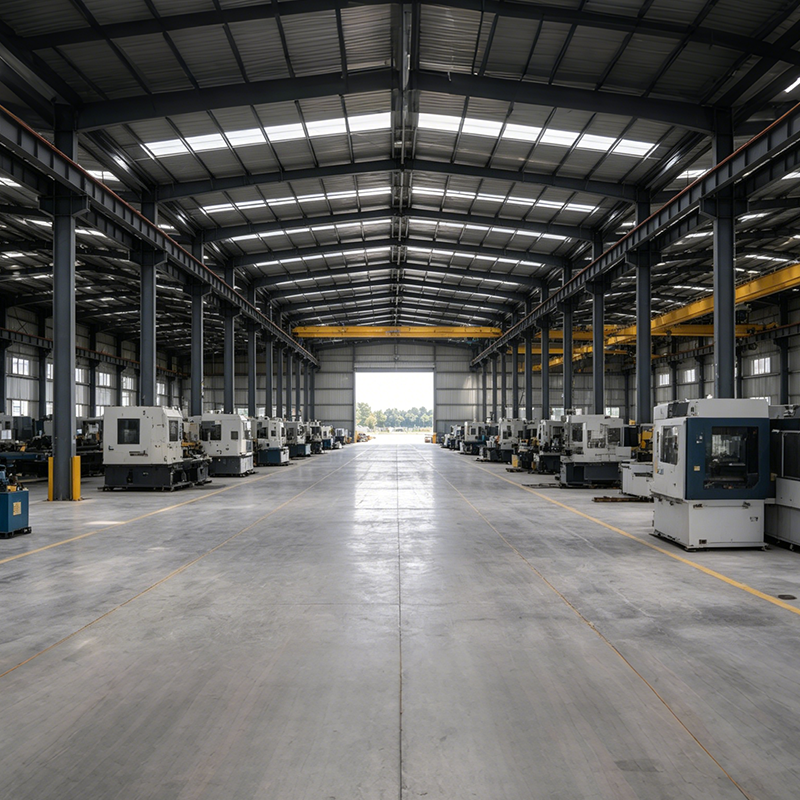
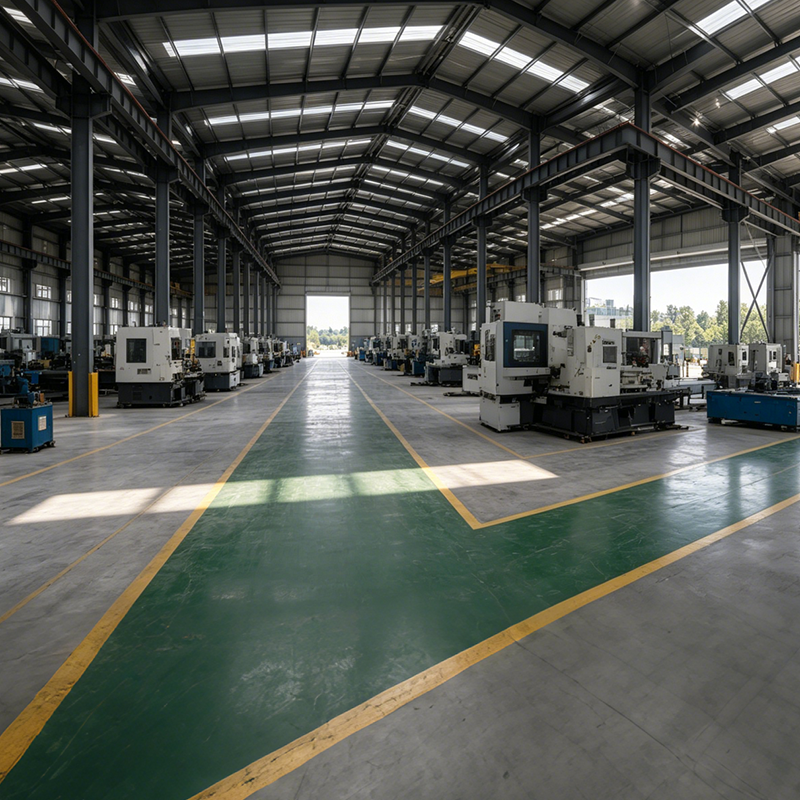
Column-free 36m clear span and rigid base plates in the heavy-duty industrial workshop deliver the vibration isolation and spatial consistency that high-tolerance CNC machining and precision grinding equipment demands for consistent output quality.
|
🏗️ Heavy Equipment Assembly Plants
Reinforced column bases and rigid portal frames in the full-bolt connection standard industrial workshop accommodate 20–50 ton overhead bridge cranes, with crane runway girder integration pre-engineered into the primary frame at no additional design cost.
|
|
✈️ Aviation & Aerospace Maintenance
The 18m eave height and 36m unobstructed clear span of Jinnuoda's industrial manufacturing facility provide the vertical clearance and floor access required for wide-body aircraft maintenance, jacking operations, and large component removal.
|
📦 Global Logistics & Distribution Hubs
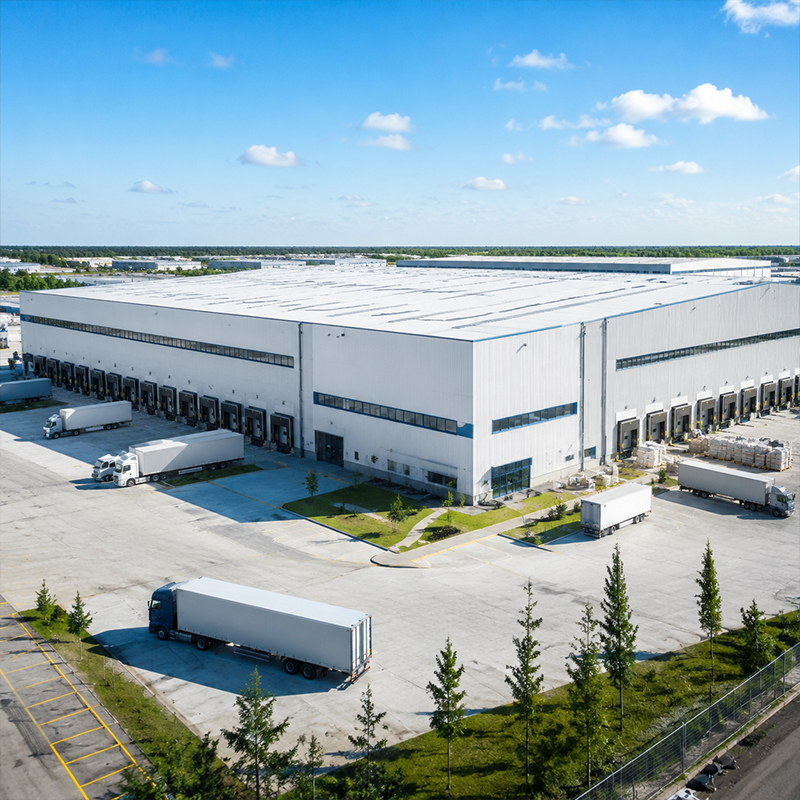
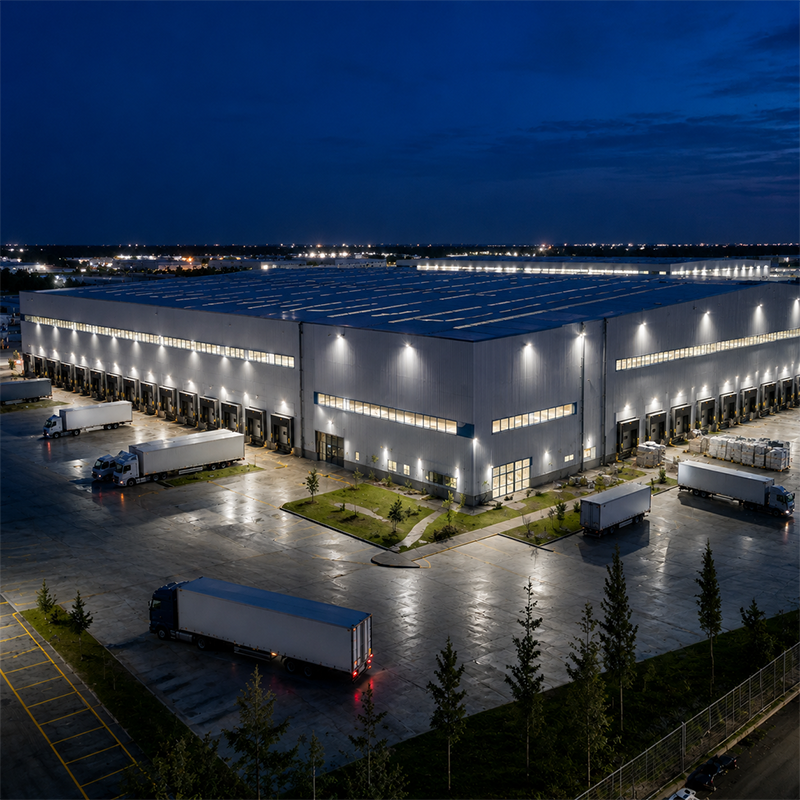
Jinnuoda's prefabricated steel building kit format compresses permit-to-structural-handover to under 90 days for standard distribution footprints, with dock leveler frames, LED lighting rails, and conveyor brackets pre-integrated into the standard industrial workshop structure.
|
Frequently Asked Questions (FAQ)
| Q1: Can Jinnuoda engineer a standard industrial workshop for typhoon-zone or extreme snow load conditions? |
| Yes. Jinnuoda's structural engineering team inputs the project's GPS coordinates into 50-year return period wind and snow databases, then designs the prefabricated steel building against actual site-specific maximums rather than generic regional defaults. The heavy-duty industrial workshop is FEA-verified against those exact values before production and shop drawing release — ensuring local authority structural approval without post-submission revisions that delay project handover schedules. |
| Q2: Is a full-bolt connection structurally adequate for heavy crane loads in an industrial manufacturing facility? |
| Grade 10.9 friction-grip bolts torqued to proof load deliver cyclic fatigue resistance matching full-penetration butt welds under repetitive crane acceleration — the dominant dynamic load case in any crane-intensive standard industrial workshop. Unlike field welds, every bolt in a full-bolt connection is 100% inspectable with a calibrated torque wrench, and any suspect fastener is replaced without cutting or re-welding steel — a significant maintenance cost advantage over the 50-year design life of the prefabricated steel building. |
| Q3: What certification and technical documents ship with a Jinnuoda industrial manufacturing facility order? |
| Every standard industrial workshop order includes CE declarations of performance, EN 1090 fabrication records, ISO 3834-2 welding documentation (WPS, WPQR, and NDT reports), Tekla 3D shop drawings, component erection sequence guides, and bolt torque inspection records — a complete technical package designed to satisfy customs authorities, third-party structural inspectors, and EPC quality assurance procedures at the destination country without additional paperwork requests. |

 EN