 EN
Warehouse-Workshop Steel Structures: Dual-Use Design
2026/10/26
Plan a warehouse workshop steel structure with smarter zoning, flow, clear height, crane, fire, and expansion decisions.

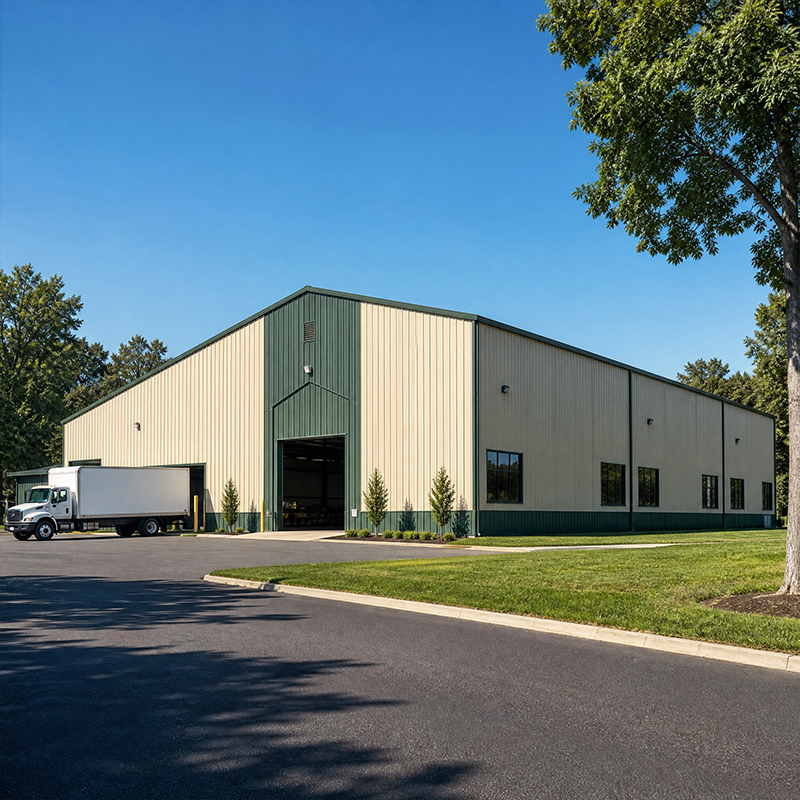
Commercial warehouses sit at the center of almost every distribution and storage business, yet the building itself is rarely the first thing a buyer considers. Choosing the right structure early protects budget, schedule and daily operation. This guide walks through the practical options available when a steel building is on the table, and shows where each decision pays back across the asset's life.
Steel keeps winning because it delivers column-free volume at a predictable cost. A portal-frame system carries roof and wind loads through rigid frames, so interior columns shrink or disappear. That single choice reshapes how racking, trucks and aisles are laid out, and it explains why steel dominates modern logistics shells. The same frame also holds its resale value, because a clear floor plan appeals to the next tenant. Open web geometry lets services such as sprinklers and cabling run inside the frame depth, keeping the ceiling clear for stacked loads.
Clear-span commercial warehouses reach up to 60 meters without intermediate columns, which matters when forklifts and narrow-aisle racking need clean sightlines. Wide bays let a business reconfigure storage as demand shifts, instead of fighting fixed walls. The trade-off is heavier rafters, but pre-engineered modeling keeps the steel weight efficient. Where a mezzanine is planned later, the frame is detailed for the extra point load from day one, avoiding costly retrofits.
Pre-engineered commercial warehouses arrive as numbered kits cut by CNC machines and welded by robots, then bolted on site with 10.9S high-strength bolts. Because fabrication runs in parallel with foundation work, a project can close months faster than cast-in-place alternatives. Lead time stays predictable when the spec is fixed before shop drawings are released, so the supplier can order mill rolls without rework. Lighter site labor also trims the risk of weather delays.
The envelope and the frame together decide lifetime cost far more than the headline price. When commercial warehouses are specced well, heating, maintenance and downtime all fall, protecting inventory that often worth more than the building itself. A disciplined spec sheet is the first line of defense a buyer can use.
Grade selection starts with Q355B for general frames and moves to Q355D in cold regions or Q355B-Z35 where through-thickness stress could split a plate. Hot-dip galvanizing or glass-flake coating defends the structure where humidity and chemicals are present. Bolted connections stay inspectable, so a future expansion simply adds frames rather than rebuilding, and the welded joints remain covered by ISO 3834 procedure controls that catch defects early. Detailing bolt holes with standard pitches also speeds erection and keeps spare parts simple to source on any later repair.
Most commercial warehouses waste energy through thin cladding, so a 150 mm PIR sandwich panel is a sound baseline for the shell. Low thermal transmission stabilizes interior temperature for sensitive inventory, while tight joints and a continuous vapor barrier stop condensation that quietly ruins stock and steel alike. Good insulation also flattens peak energy bills, an often-overlooked line in the operating budget that compounds every year the building stands.
Theory is useful, but a concrete case shows how the options line up in practice and where standards give a buyer confidence to commit capital.
A regional logistics operator needed extra capacity before the next peak season but could not pause inbound freight. The team selected a clear-span steel structure with a PIR envelope and galvanized C/Z purlins, then erected it beside the live dock. Racking went in within weeks, throughput rose without leasing off-site space, and the fixed asset later supported a second mezzanine. The project mirrored work Jinnuoda has delivered for supply-chain clients across multiple countries.
Independent standards turn a sales claim into a verifiable fact that a buyer can audit. ISO 9001 governs the quality system, EN 1090 and CE mark structural fitness for the European market, and ISO 3834 covers weld quality end to end. Specifying these by name lets a procurement team check a fabricator instead of trusting a brochure, which is exactly the leverage needed when a warehouse purchase reaches the board.
Reaching a final spec is less about finding one perfect building and more about matching structure to operation, then confirming the supplier can deliver on the paper promise.
Ask for the design load table, the steel mill certificate and the coating specification in writing before any deposit moves. Confirm the fabricator holds EN 1090 and ISO 3834, and request references from projects of similar span and use. A site visit to a finished building beats a photo, because real deflection, drainage and door operation tell the truth that renderings hide. Clarify who supervises erection and how defects are documented.
Selecting among commercial warehouses is ultimately a balance of span, envelope and certification against the business plan. Steel delivers the flexible volume and predictable timeline most operators want, while a disciplined spec protects the asset for decades. Start from the storage flow, fix the loads early, and the right building follows without surprises. Jinnuoda Steel pairs 21 years of fabrication experience with turnkey design, factory prefabrication and global export to keep that path straightforward.
What structure options suit a steel warehouse?
Answer: Steel warehouses typically use a portal-frame system, either clear-span up to 60 meters or multi-span with interior columns for very large footprints. A partial mezzanine can house offices above storage. Pre-engineered kits arrive bolt-ready, while built-up frames serve extreme loads. The right choice follows the racking plan, future expansion needs and site wind or snow load, keeping the build transparent.
How is a steel warehouse priced and what drives cost?
Answer: Commercial warehouses are usually priced by tonnage of fabricated steel plus cladding and foundation scope. Span, eave height, bay spacing and coating level move the number most. A fixed spec issued before shop drawings prevents mid-project upgrades that inflate cost. Comparing quotes on the same specification keeps the process fair and exposes suppliers who omit essentials such as certified welding or proper corrosion protection.
Which steel grade should be specified for a cold region?
Answer: Cold regions call for Q355D, which keeps toughness at low temperature and avoids brittle fracture. Where plates carry through-thickness tension, Q355B-Z35 resists lamellar tearing at welded joints. Mild climates can use Q355B to reduce cost. The grade choice should appear on the mill certificate and match the load table signed by the design engineer, so the frame performs as modeled under real site conditions.
What certifications matter when sourcing a warehouse abroad?
Answer: EN 1090 and CE confirm structural fitness for European projects, ISO 3834 covers weld quality, and ISO 9001 governs the quality system. Request the valid certificate numbers and the scope of approval, since a mark without the right execution class carries little weight. Independent audit of these documents protects the buyer before steel is cut, and it separates capable fabricators from brokers with no shop.
How long does a pre-engineered warehouse take to erect?
Answer: Erection of a pre-engineered warehouse often runs a few weeks once foundations cure, because columns, rafters and purlins arrive pre-cut and bolt-ready. Site weather, crane access and crew size set the pace. Parallel fabrication shortens the total timeline versus cast-in-place methods. A clear sequence plan with the supplier keeps the loading dock operational during the build and avoids extended downtime for the business.
2026/10/26
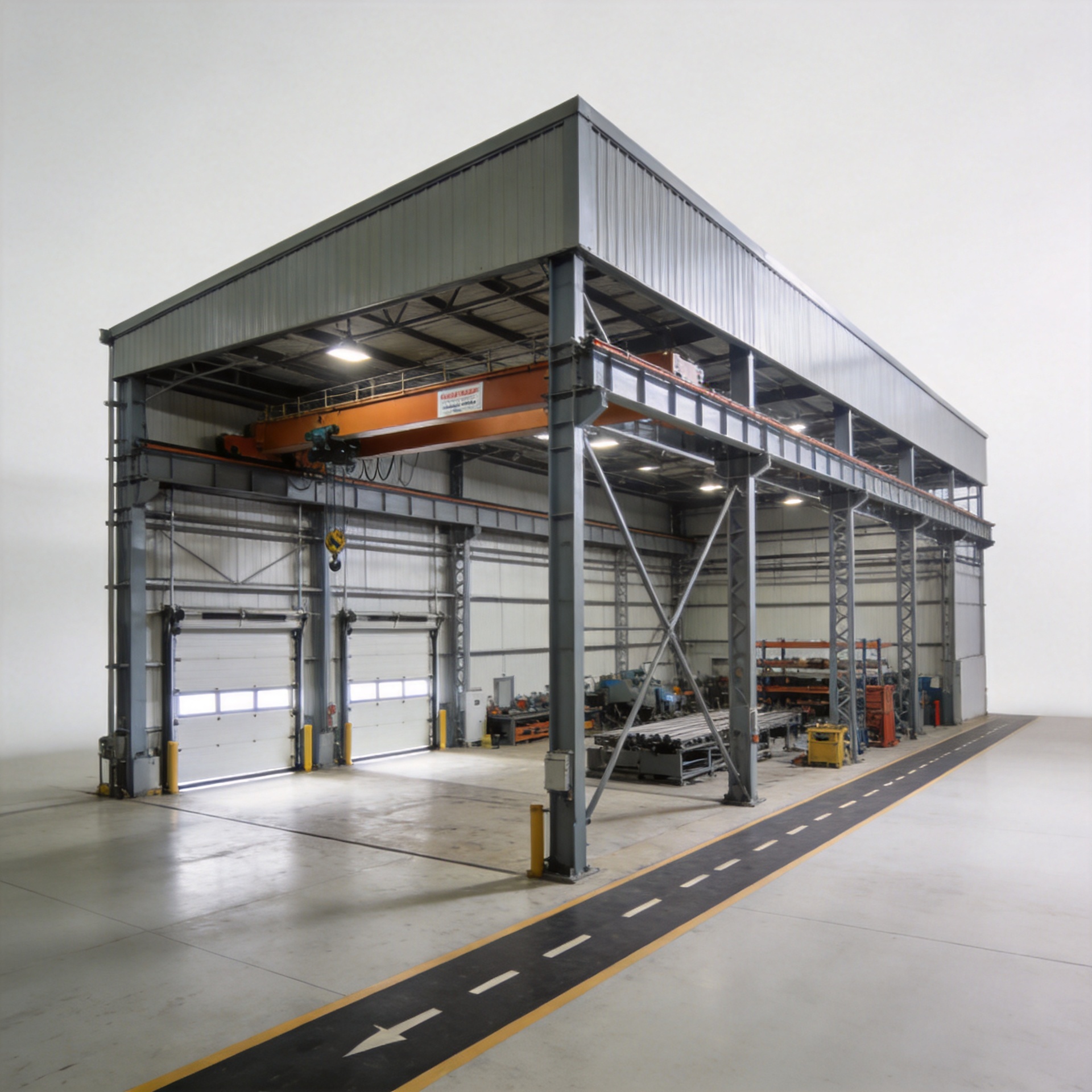
Plan a warehouse workshop steel structure with smarter zoning, flow, clear height, crane, fire, and expansion decisions.
2026/10/26
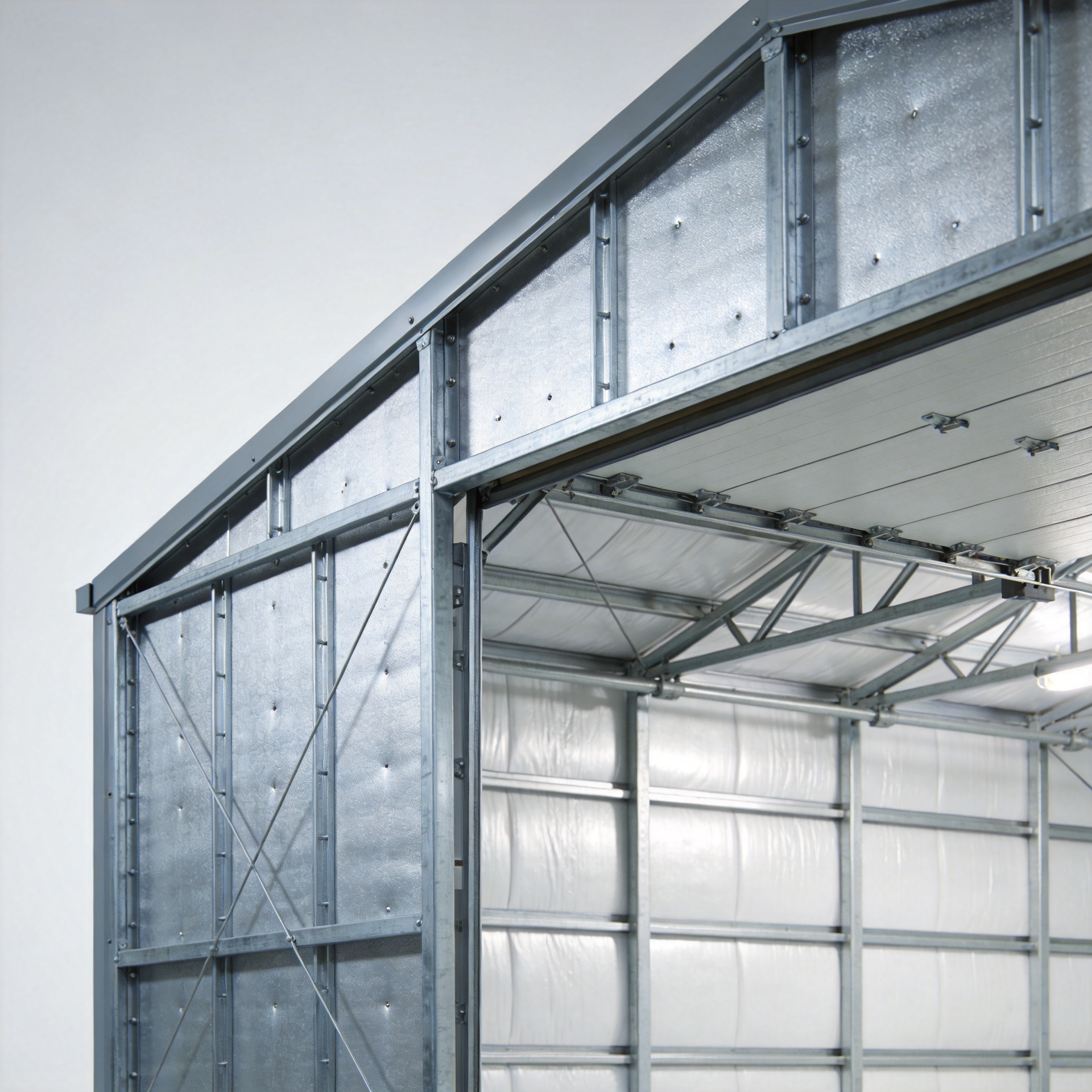
Plan a cold storage steel structure with insulation, vapor control, thermal breaks, refrigeration interfaces and corrosion-ready details.
2026/10/26
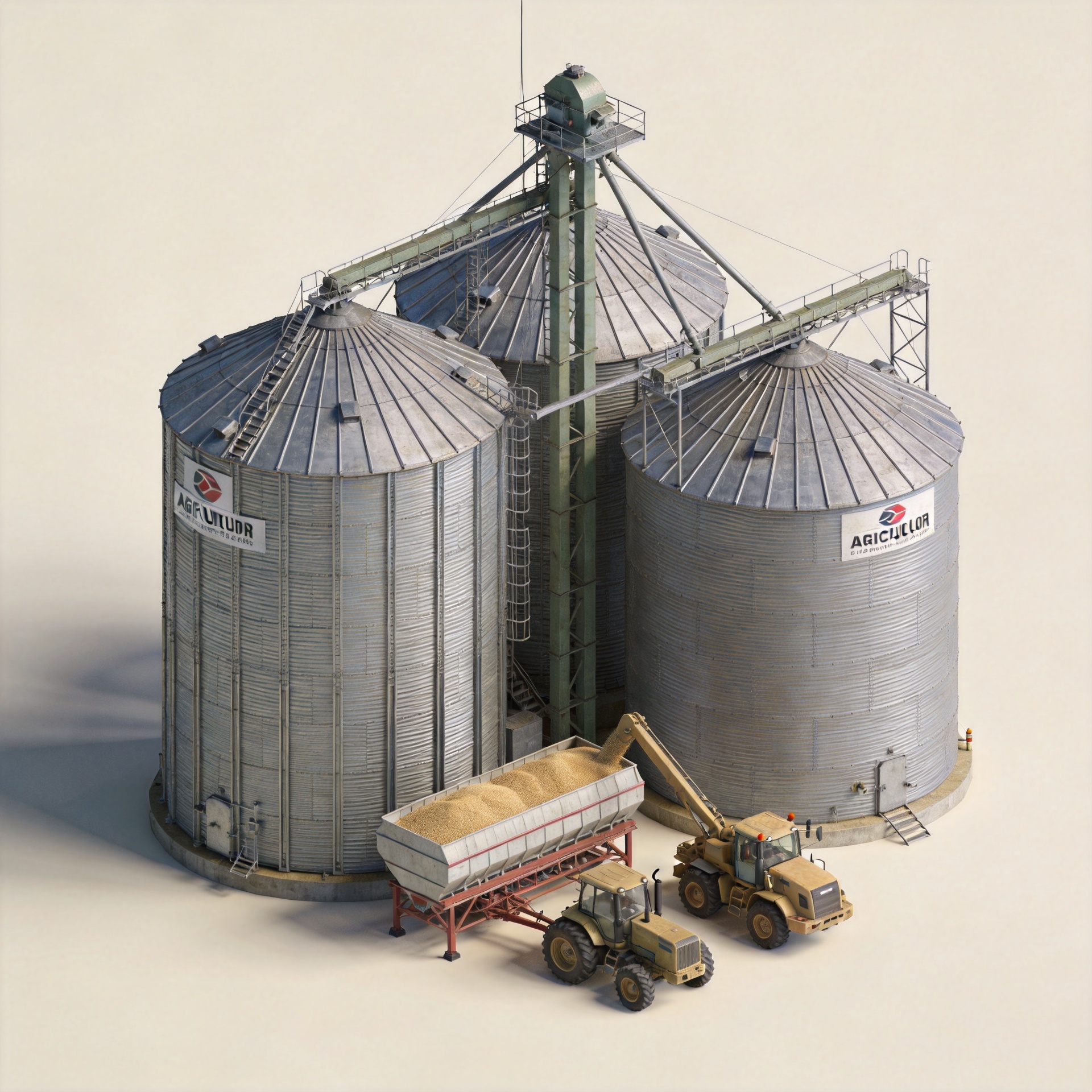
Plan an agricultural steel structure that scales from machinery barn to storage and farm logistics hub with practical design and procurement steps.
2026/10/26
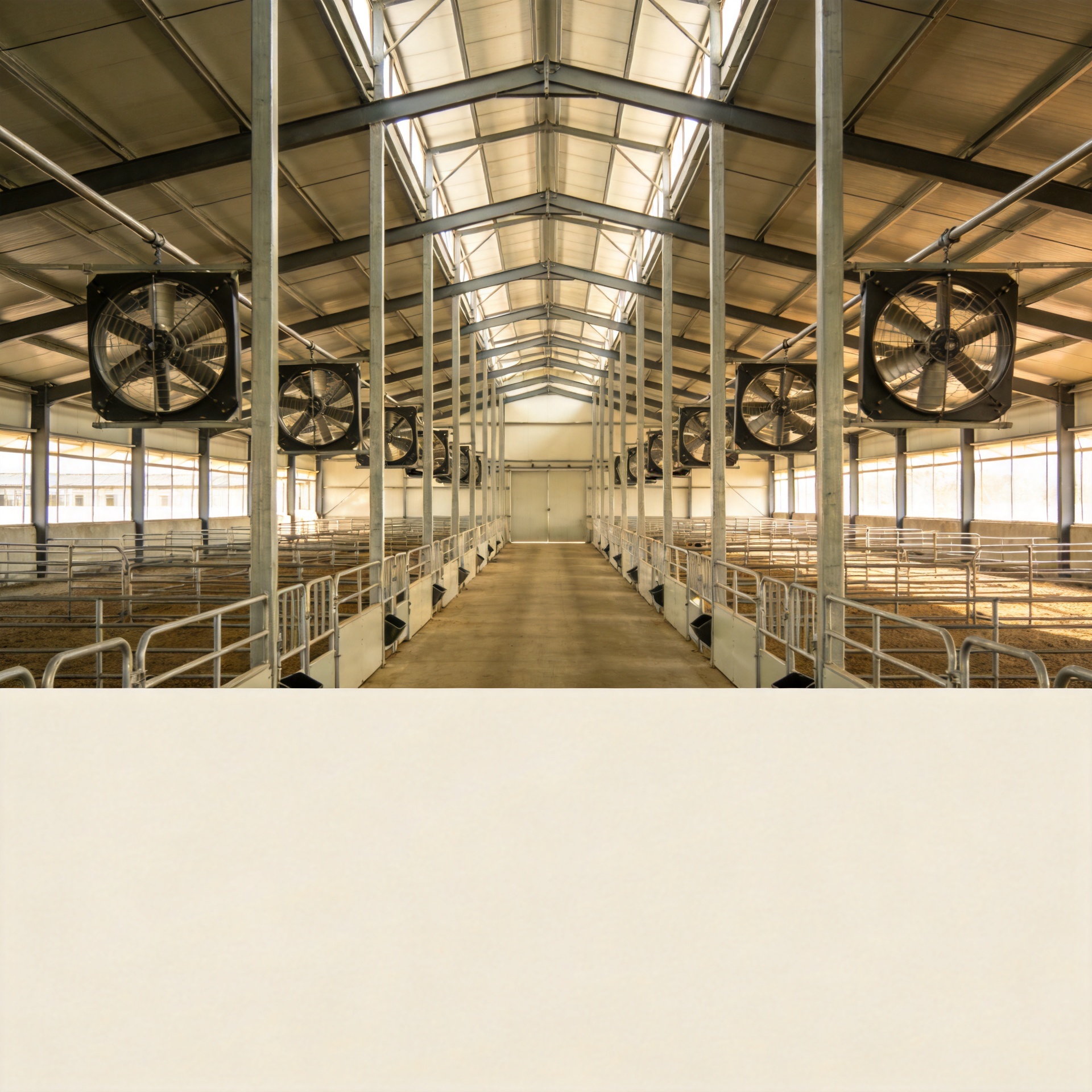
Plan a livestock steel structure for welfare, corrosion resistance, fire considerations, and efficient design-to-delivery decisions.
2026/10/26
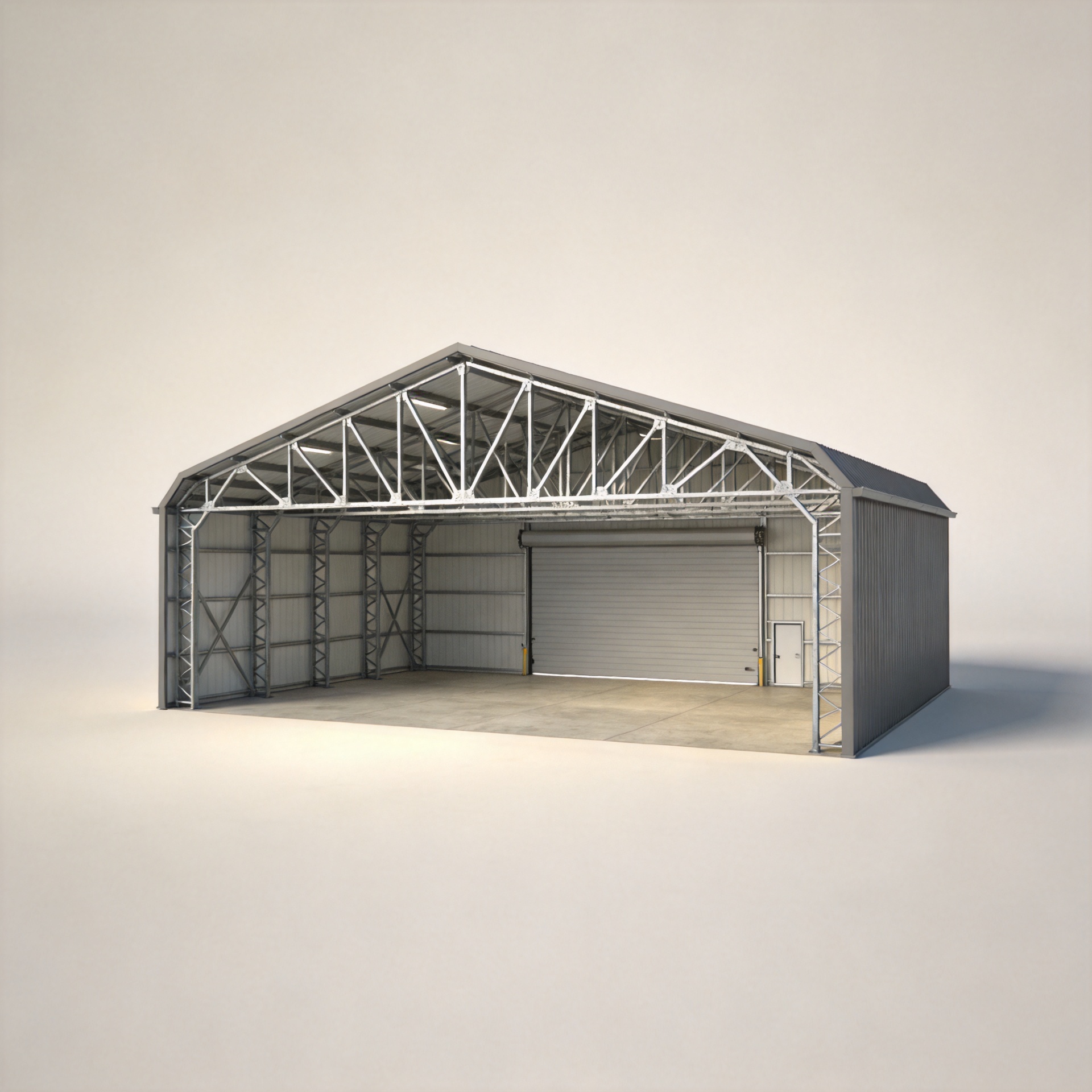
Plan an aircraft steel structure for hangars and support facilities with guidance on loads, corrosion, fire, EN 1090, and delivery milestones.
2026/10/26
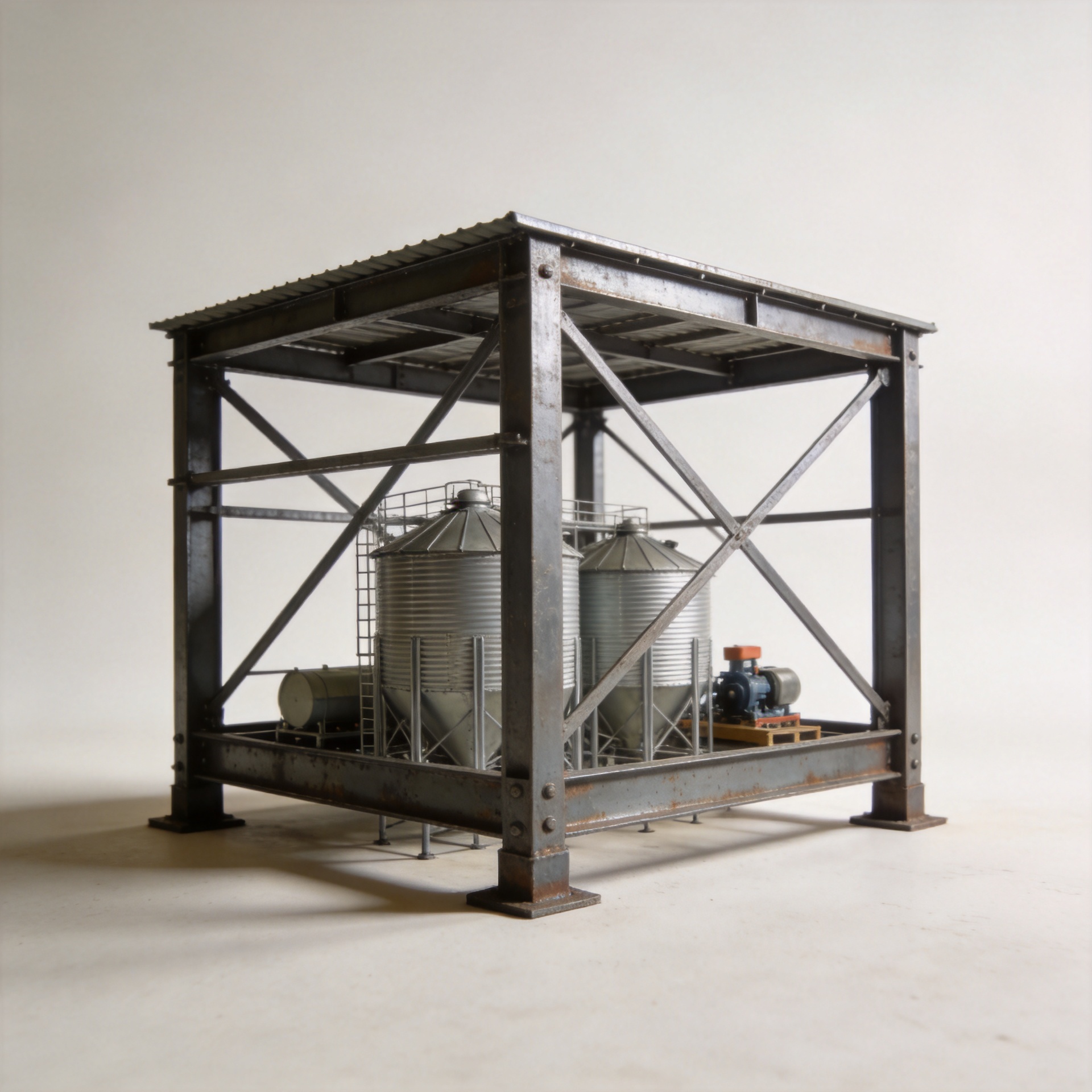
Choose a farm steel structure for agricultural storage with practical guidance on loads, corrosion, compliance, and delivery planning.
