 EN
Warehouse-Workshop Steel Structures: Dual-Use Design
2026/10/26
Plan a warehouse workshop steel structure with smarter zoning, flow, clear height, crane, fire, and expansion decisions.

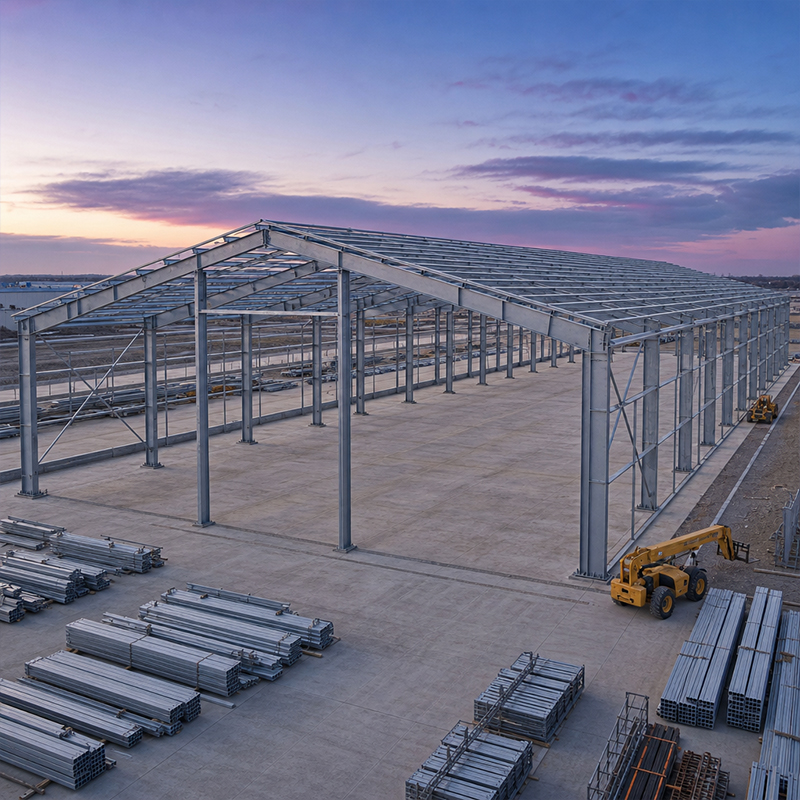
Many owners underestimate how much the structural material shapes total cost. Building with steel moves most work into a controlled factory, which protects the budget from weather delays and on-site rework that concrete casting often suffers. A concrete frame also needs longer curing, heavier foundations, and more labor, all of which raise risk on a tight schedule. When a grain-storage client in Shenyang needed a 12,000-tonne capacity hall delivered before the harvest season, switching from a cast-in-place plan to a steel frame avoided two months of site exposure. The lesson is that the lowest bid on paper can become the most expensive at handover if schedule and quality are ignored.
Site time is the costliest time on any project. Steel components arrive cut, drilled, and painted, so the erection crew bolts a frame together in days rather than weeks. This predictable sequence lets the envelope and MEP trades start earlier, compressing the full program. For a mechanical plant in Shenyang, a prefabricated steel frame was erected over a three-week window, allowing crane rail installation to begin before the concrete alternative would have been cured.
Modern operations change fast, and internal columns block workflow. Steel's high strength lets designers deliver clear spans up to 60 meters without intermediate supports, freeing floor space for racking, production lines, and vehicle movement. Clear-span steel buildings adapt when a tenant, process, or storage method changes, because the structure does not dictate the layout. For logistics operators this flexibility protects asset value over a long service life. When a business grows, building with steel makes it simple to extend the bay instead of rebuilding.
Steel carries high loads with a low self-weight, which reduces foundation size and cost compared with concrete. The ductile behavior of structural steel also absorbs energy during seismic or wind events, protecting both the building and its contents. Designers rely on standards such as AISC and the IBC to size members, and on EN 1090 execution classes to control how connections are made. A lighter superstructure is especially valuable on soft or filled ground, where every tonne of dead load matters to the foundation design. Proper bracing and moment frames transfer lateral forces safely into the ground. Engineers favor building with steel for tall or heavy-load facilities because the weight penalty stays low.
Moving work off the site and into a workshop is the core reason steel projects finish faster. CNC cutting and robotic welding hold tight tolerances that field welding cannot match, and quality checks happen before shipping. A controlled environment also means coating systems such as hot-dip galvanizing and glass flake paint are applied correctly, extending service life. For export projects, factory completion reduces the skilled-labor need at the destination and shortens the critical path from order to operation. Because building with steel ships as finished parts, the destination crew needs less specialized skill. Project teams should confirm the fabrication sequence during the design phase so deliveries match the erection plan.
Steel is infinitely recyclable, and most structural sections already contain high recycled content. At end of life a steel frame can be dismantled and reused or melted down with far less energy than concrete, which usually ends in landfill. Many clients now ask for an environmental product declaration. Choosing a structure that can be recovered supports corporate sustainability targets without sacrificing the strength modern industry demands. From a lifecycle view, building with steel keeps material value in the loop instead of sending it to landfill.
Not every supplier that quotes steel actually controls quality. Buyers should look for ISO 9001 for management systems, ISO 3834 for welding, and EN 1090 with a CE mark for structural execution in the European market. A mill test certificate tracing the steel grade, such as Q355B or Q420B, should accompany every shipment. Ask for the fabrication drawings and the welding procedure qualification, because these documents reveal whether the shop follows a disciplined process or simply assembles parts. A buyer who is building with steel should insist on EN 1090 execution classes before signing. Third-party inspection at the factory adds an independent check before the load leaves the dock.
Even a well-built frame needs a basic care plan. Inspect bolted connections and coating condition every year, and touch up any galvanizing damage before rust spreads. Keep drainage clear so water does not sit on the roof or at the base, and verify that sprinkler and ventilation systems remain unobstructed. These simple steps protect the investment and keep the building performing close to its design intent for decades.
For modern industrial and commercial projects the case is clear. Building with steel delivers the span, speed, and adaptability that concrete and masonry struggle to match, while a disciplined supplier and a simple maintenance plan control long-term risk. Teams that specify the right grade, verify certifications, and plan the erection sequence from the start avoid the costly surprises that derail weaker material choices. The result is a structure that serves the business from day one and remains valuable for generations.
Question
What makes building with steel faster than concrete?
Answer: Steel vs concrete comes down to how the frame arrives on site. Prefabricated steel arrives as cut, drilled, and painted components, so the erection crew bolts the frame together in days. Factory fabrication removes weather delays and curing time that concrete requires. The predictable sequence lets envelope and mechanical trades start earlier, compressing the total program. Among the core steel construction benefits, this speed is the most immediate. For a controlled schedule, a prefabricated steel frame is usually the quicker route to operation.
Question
Why does clear span steel matter for industrial buildings?
Answer: Clear span steel up to 60 meters removes interior columns that block workflow and racking. Operations change over a building's life, and a column-free floor adapts to new lines, storage methods, or vehicle routes without demolition. The structure stops dictating the layout, which protects asset value. For logistics and production, this flexibility is often the most valued of the steel construction benefits when a process or tenant changes. It is also where building with steel clearly outperforms steel vs concrete alternatives, since concrete frames rarely offer the same open floor.
Question
How is a prefabricated steel structure verified for quality before delivery?
Answer: Buyers should request ISO 9001 for management, ISO 3834 for welding, and EN 1090 with a CE mark for European projects. A mill test certificate tracing the steel grade, such as Q355B, should accompany every shipment. Fabrication drawings and the welding procedure qualification show whether the shop follows a disciplined process. Third-party inspection at the factory adds an independent check before the load ships. For building with steel, these documents are the practical proof behind the claimed steel construction benefits.
Question
Which coating protects steel in harsh outdoor conditions?
Answer: Hot-dip galvanizing forms a metallurgical zinc layer that sacrifices itself to protect the base metal, performing well in humid or coastal sites. For aggressive chemical exposure, glass flake coating adds a thick barrier. Specifiers should match the system to the environment and confirm coating thickness on the mill test record. Annual inspection and prompt touch-up of any damage keep corrosion from spreading and extend the service life of the frame. This durability is one of the quieter steel construction benefits, and it applies to any prefabricated steel frame regardless of span.
Question
Can a steel building be expanded after it is built?
Answer: Yes, building with steel supports straightforward expansion because the frame is modular and connections are standardized. A new bay can be added to the gable end, or the roof can be lifted for more height, without rebuilding the existing structure. Planning foundations and anchor bolts for future growth at the design stage avoids costly retrofitting later. This adaptability is why many operators choose clear span steel for long-life assets, and why steel vs concrete comparisons often favor steel when future change is likely. Modularity is one of the most practical steel construction benefits over a building's full life.
2026/10/26
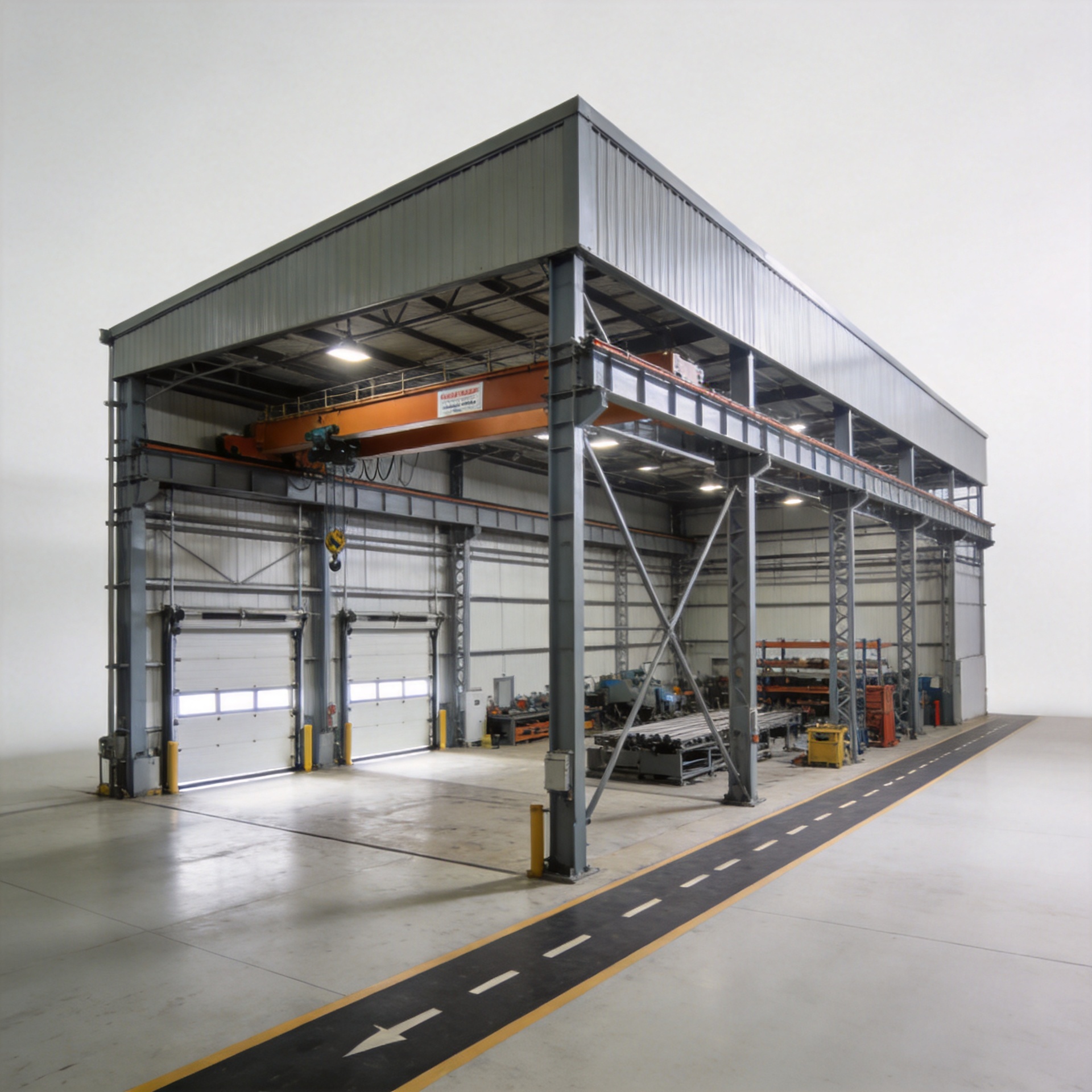
Plan a warehouse workshop steel structure with smarter zoning, flow, clear height, crane, fire, and expansion decisions.
2026/10/26
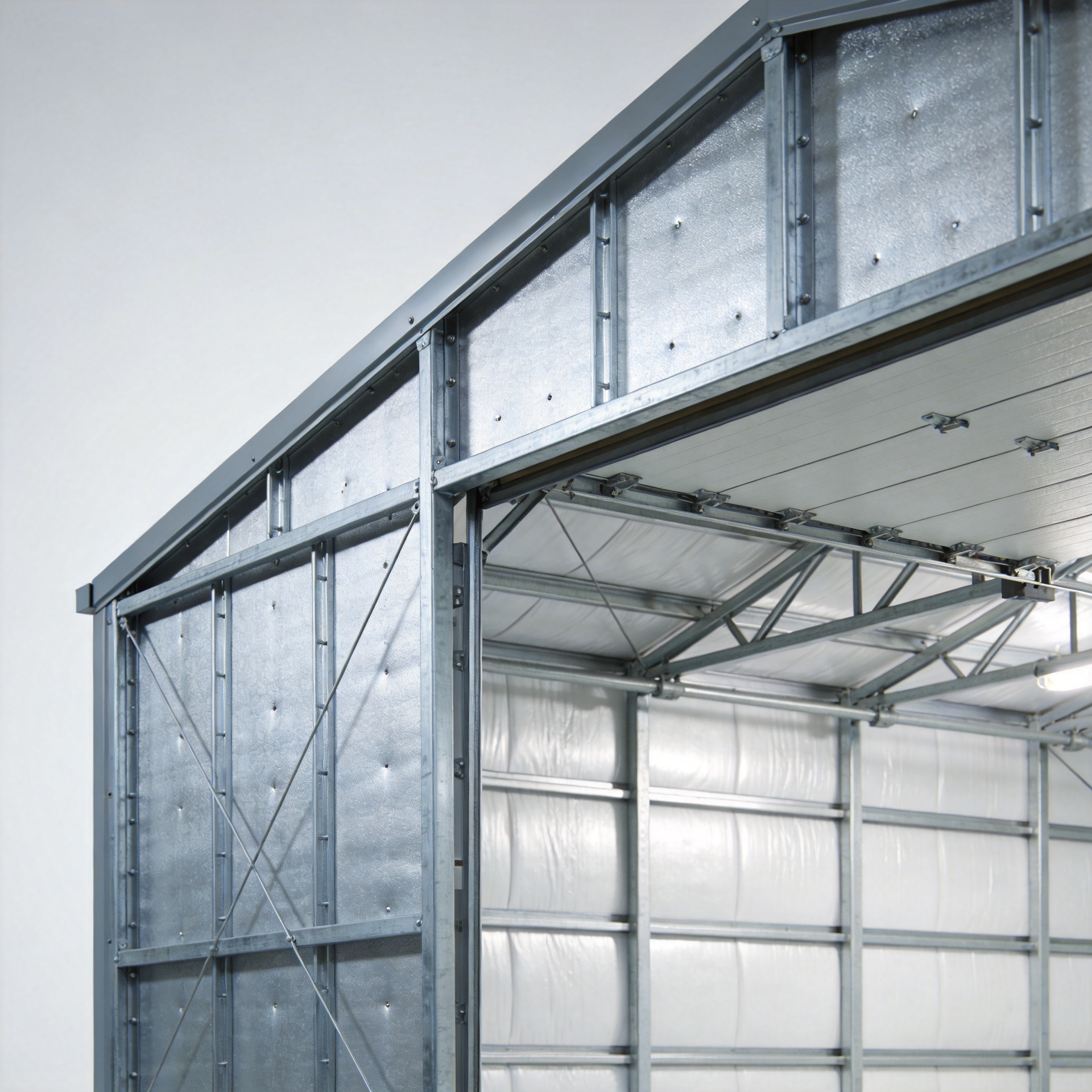
Plan a cold storage steel structure with insulation, vapor control, thermal breaks, refrigeration interfaces and corrosion-ready details.
2026/10/26
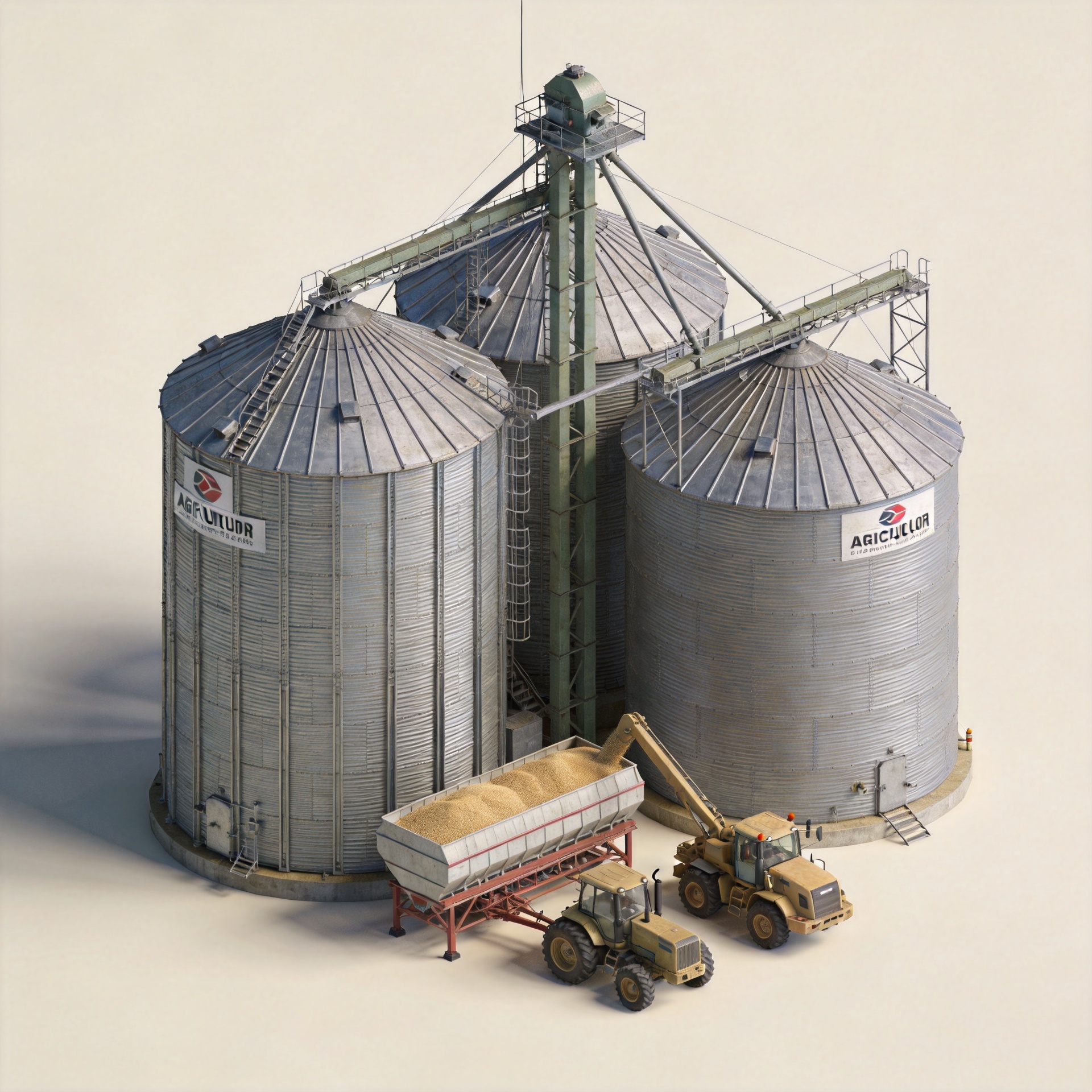
Plan an agricultural steel structure that scales from machinery barn to storage and farm logistics hub with practical design and procurement steps.
2026/10/26
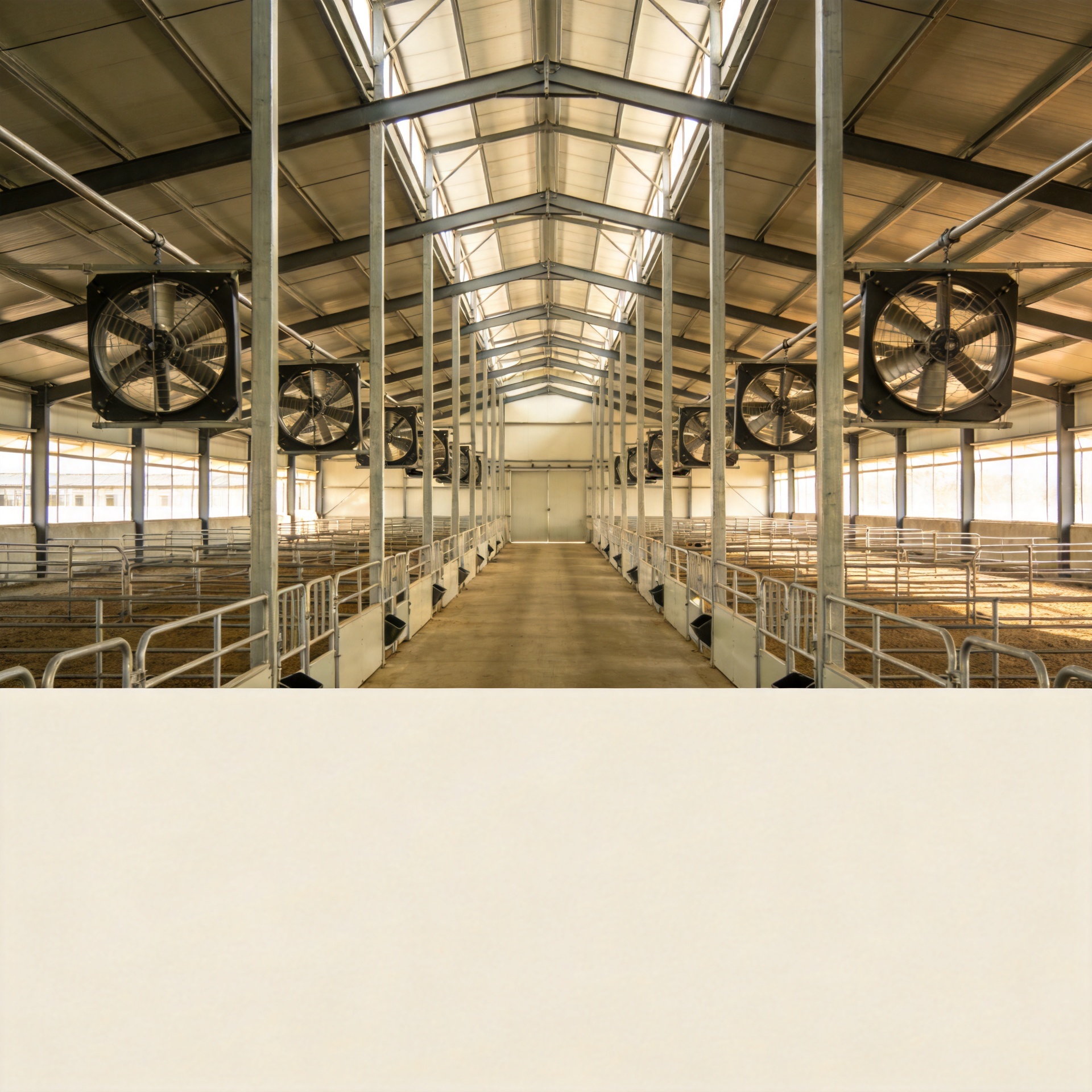
Plan a livestock steel structure for welfare, corrosion resistance, fire considerations, and efficient design-to-delivery decisions.
2026/10/26
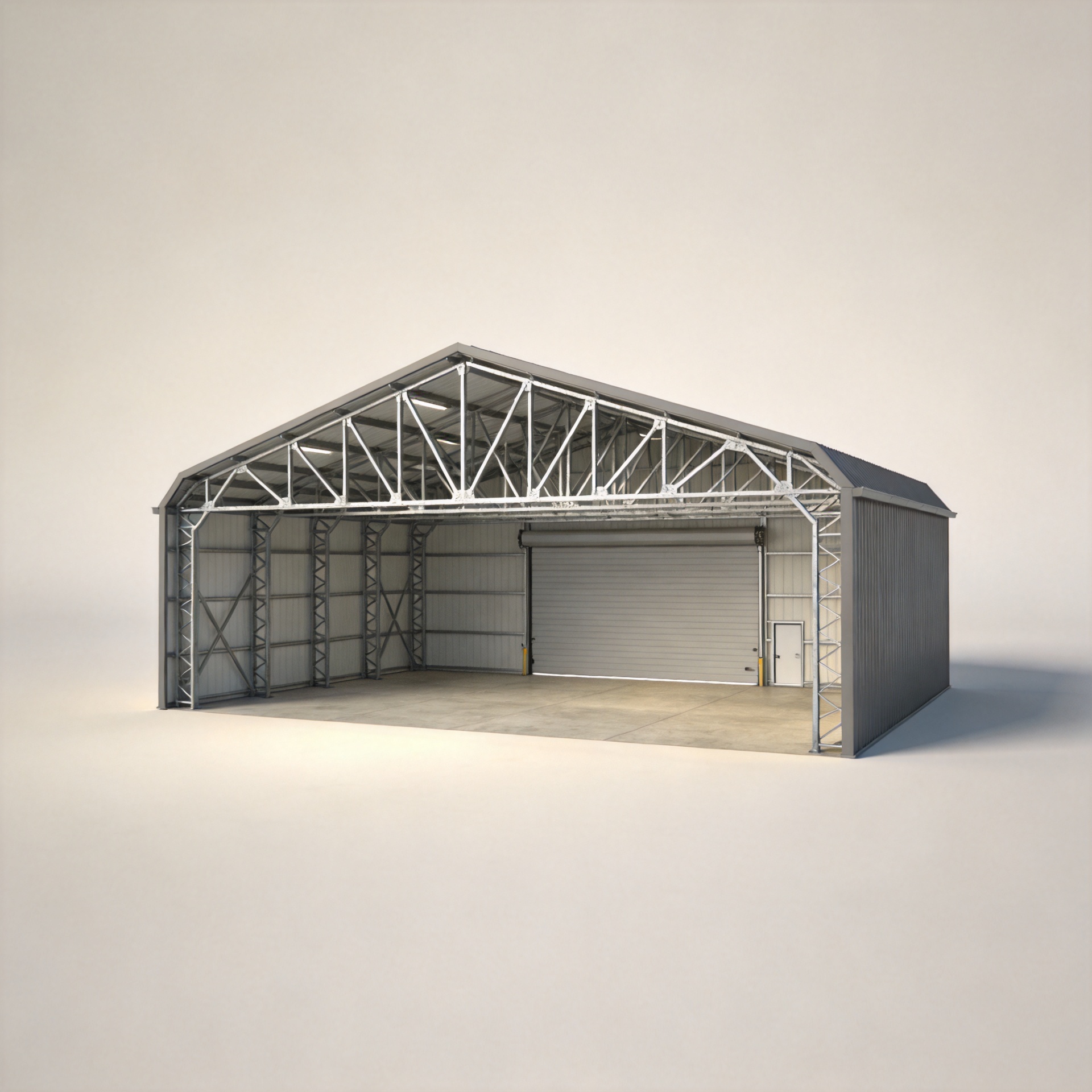
Plan an aircraft steel structure for hangars and support facilities with guidance on loads, corrosion, fire, EN 1090, and delivery milestones.
2026/10/26
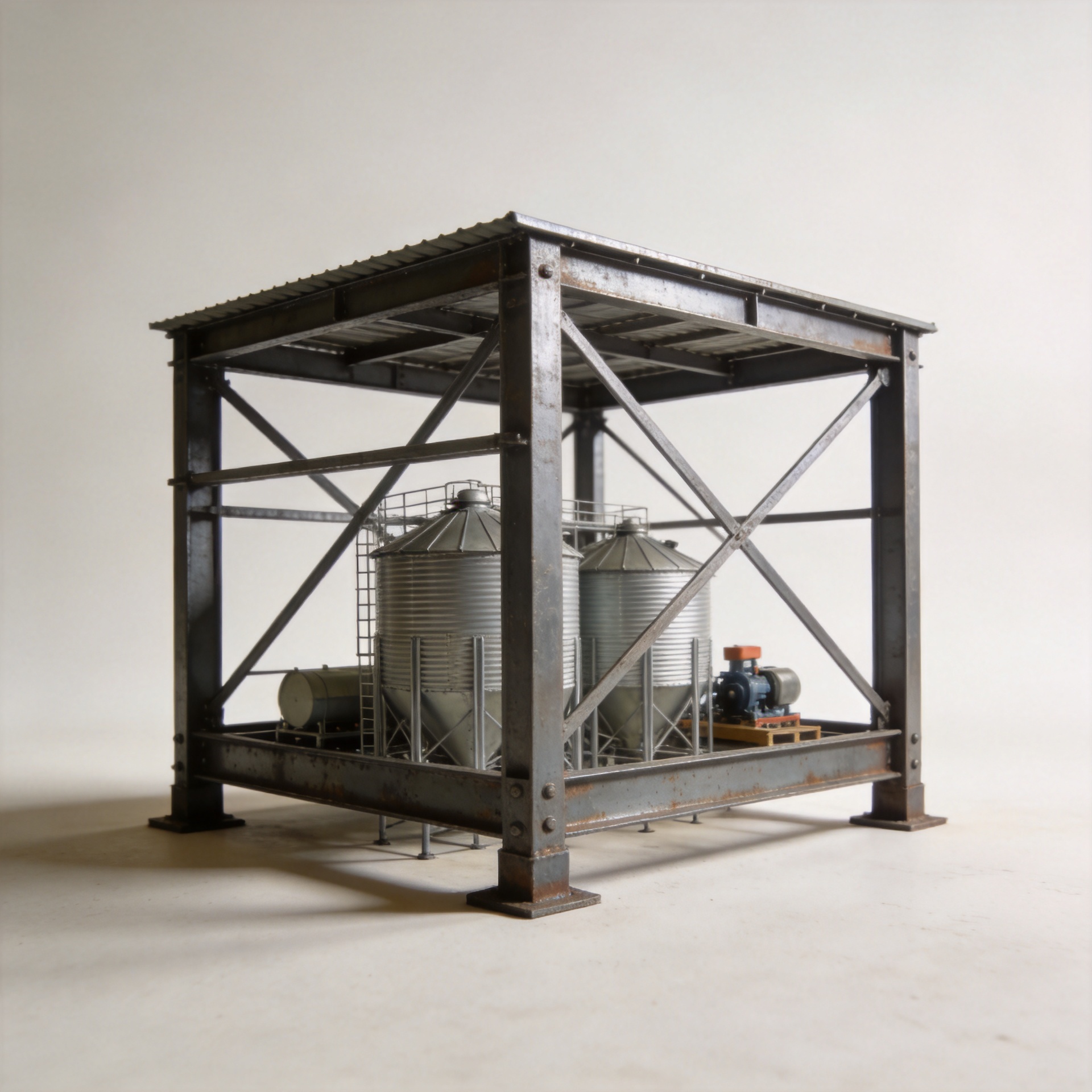
Choose a farm steel structure for agricultural storage with practical guidance on loads, corrosion, compliance, and delivery planning.
